How to Prevent Engine Misfire When Cold: Troubleshooting Tips and Maintenance Recommendations
Struggling with engine misfires when the temperature drops? You’re not alone—many drivers face this frustrating issue during cold weather.
Luckily, there are simple steps you can take to keep your engine running smoothly, even in chilly conditions.
To prevent engine misfires when it’s cold, guarantee your battery is in good shape and terminals are clean, as weak power can cause starting issues.
Use winter-grade fuel or additives to prevent gelling, and regularly inspect or replace spark plugs and ignition components for proper firing.
Keep air filters clean and choose the right coolant to avoid freezing.
If you keep up with these tips, you’ll improve cold start performance—and there’s more to uncover to keep your engine running smoothly.
Key Takeaways
- Use winter-grade fuel and fuel additives to prevent gelling and keep fuel flowing smoothly during cold weather.
- Regularly check and replace spark plugs and ignition coils. Also, verify your ignition timing for reliable sparks.
- Keep your battery healthy by inspecting terminals, replacing weak batteries, and making sure connections are secure.
- Make sure your engine coolant is suitable for low temperatures to prevent freezing and protect sensors.
- Perform routine maintenance on fuel systems and air filters to prevent blockages and ensure good airflow.
Why Do Cold Starts Cause Engine Misfires?
Cold starts often lead to engine misfires because the engine parts and fuel system haven’t warmed up enough to run smoothly. The cold makes it harder for fuel to vaporize properly, which is essential for good combustion.
When temperatures drop, fuel doesn’t atomize as easily, leading to incomplete combustion and misfires. Plus, oil thickens in cold weather, increasing friction and making the engine work harder.
Your engine’s sensors can also give faulty readings because cold temperatures affect their accuracy. This can cause the engine to miscalculate the air-fuel mixture, leading to rough running.
All these factors combine right after startup, meaning your engine isn’t running efficiently. The colder it is outside, the more these issues get worse, causing rough idling, hesitation, or misfires.
Knowing why cold starts cause misfires can help you understand how weather impacts your engine. It also helps you take steps to prevent or reduce these problems during chilly mornings.
How Cold Weather Affects Your Spark Plugs and Ignition System
When temperatures drop, your vehicle’s spark plugs and ignition system face more challenges, which can cause starting issues and misfires. Cold weather makes materials like copper, platinum, or iridium behave differently, affecting their durability and performance.
Plus, ignition timing can shift because engine parts contract in the cold. This makes it harder for sparks to fire at the right moment, leading to inefficient combustion during cold starts.
| Spark Plug Material | Effect in Cold Weather | Recommended Maintenance |
|---|---|---|
| Copper | Wears quickly, less reliable | Replace annually |
| Platinum | Lasts longer, stays stable | Check for wear every year |
| Iridium | Most durable, best spark | Inspect during tune-up |
| Nickel | Common and affordable | Regular replacement |
| Ceramic Insulation | Insulates well in cold | Ensure proper sealing |
Choosing the right spark plug and adjusting the timing can help reduce misfires in cold weather, keeping your engine running smoothly.
Is Your Battery Causing Cold-Start Misfires?
Have you noticed your engine sputtering or struggling to start on chilly mornings? This could be a sign that your battery isn’t up to the task during a cold start. Cold temperatures reduce a battery’s ability to produce enough power, making proper battery maintenance essential.
If your battery is old or weak, it may not supply the necessary voltage to turn over the engine smoothly. Regularly check your battery’s terminals for corrosion and verify the connections are tight.
Consider testing your battery’s charge level, especially before winter, and replace it if it’s nearing the end of its lifespan. A healthy battery provides reliable cold-start performance and helps prevent misfires caused by insufficient spark or fuel ignition.
Keeping your battery in good shape is a simple but effective way to minimize cold-start misfires and ensure your engine runs smoothly when the temperature drops.
How to Ensure Proper Fuel Delivery When It’s Cold
Want to make sure your car runs smoothly when it gets cold out? One of the most important things is to ensure your fuel system is in good shape. It’s a good idea to check your fuel quality regularly—if you notice any issues, consider switching to winter-grade fuel. That type of fuel is designed to flow better in low temperatures, helping you avoid those frustrating misfires.
And don’t forget about your fuel lines! Keeping them clean and well-maintained is key to making sure fuel gets to the engine without any hiccups when it’s chilly outside. A little regular upkeep can go a long way in keeping your car reliable during the colder months.
Check Fuel Quality Regularly
Cold weather can cause fuel to thicken or gel, making it harder for your engine to get a steady flow of proper fuel. To avoid problems, check your fuel quality regularly.
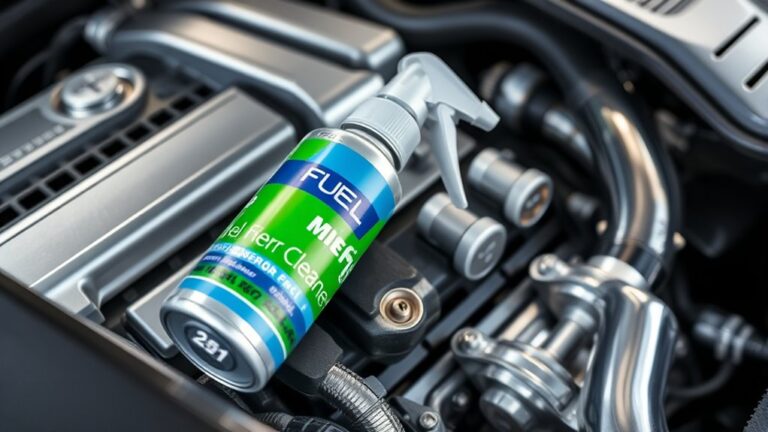
Using fuel additives designed for winter can help keep fuel flowing smoothly and prevent gelling. These additives improve fuel stability and help break down wax crystals that form in low temperatures.
Be vigilant about fuel contamination too. Contaminated fuel can clog filters and injectors, leading to misfires. Regularly inspecting your fuel and replacing any contaminated fuel helps ensure consistent combustion.
Maintaining clean fuel quality is a simple yet effective way to keep your engine running reliably during winter. It reduces the chances of performance issues caused by poor fuel conditions.
Use Winter-Grade Fuel
During winter, using the right type of fuel is key to keeping your engine running smoothly in cold weather. Winter-grade fuel is specially formulated to resist gelling and perform better in low temperatures.
Look for fuel with specific additives designed to improve cold weather operation. These help prevent issues like misfires or starting problems, making sure your engine fires up reliably.
These additives also help maintain proper fuel flow and stop fuel lines from freezing up. Always refill with winter-grade fuel when temperatures drop, especially if your vehicle is stored outside or in an unheated garage.
Using the correct fuel reduces the risk of engine troubles caused by cold weather. It’s a simple but effective way to keep your engine running efficiently during winter months.
Maintain Proper Fuel Lines
Making sure your fuel lines stay clear and functional is essential for reliable engine performance in cold weather. Proper fuel line maintenance prevents clogs and blockages that can lead to misfires.
Regular inspection helps identify cracks, leaks, or buildup that could hinder fuel flow. To keep your fuel system in top shape, consider these simple steps:
- Check for cracks or leaks during your inspection and replace any damaged sections.
- Keep fuel lines clean and free of debris to prevent clogging.
- Use fuel line anti-gel additives in cold weather to stop fuel from thickening and blocking flow.
Maintaining proper fuel lines ensures consistent fuel delivery, reducing the risk of misfire and making cold starts more reliable.
How Cold Temperatures Impact Your Air Intake and Sensors
As temperatures drop, your vehicle’s air intake system and sensors face increased challenges. Cold air is denser, which can affect the airflow and cause your engine to work harder. This can lead to inconsistent air delivery and impact engine performance.
Low temperatures can also cause sensors like the mass airflow sensor or oxygen sensors to become less sensitive or malfunction. When sensors don’t respond accurately, your engine control unit (ECU) might get faulty data, leading to misfires or rough idling.
Cold temperatures can impair sensor function, causing inaccurate data and engine performance issues.
Ice or moisture buildup in the air intake can block airflow or even damage sensitive parts. To prevent these issues, regularly inspect and clean your air filters, making sure they’re free of debris and moisture.
If you live in extremely cold climates, consider using cold-weather sensors or protective covers. Keeping your air intake and sensors in good shape helps maintain ideal airflow and sensor sensitivity, reducing the risk of engine problems during cold weather.
What Engine Oil and Fluids Work Best in Cold Weather
In cold weather, choosing the right engine oil and fluids is key for reliable startup and smooth engine operation. Using synthetic oils is highly recommended because they flow better at low temperatures, reducing engine strain during cold starts.
Pay attention to viscosity ratings; lower numbers like 5W-30 are ideal because they thin out more in cold conditions, ensuring proper lubrication. Regarding coolant, select antifreeze mixtures suited for low temperatures as they prevent freezing and protect engine parts.
Be sure to use the right coolant type recommended by your vehicle’s manufacturer for peak performance. Here are three key choices:
- Synthetic oils with low viscosity ratings (e.g., 0W-20 or 5W-30)
- Antifreeze mixtures with appropriate freeze points for your climate
- Coolant types designed for cold weather to prevent freezing and corrosion
Making these smart fluid choices helps your engine start easily and run smoothly in winter.
Preventive Tips to Avoid Cold-Weather Engine Misfires
Using the right engine fluids in cold weather helps reduce the risk of misfires, but proactive maintenance is just as important. Confirming your fuel system is clean prevents fuel delivery issues that cause misfires. Regularly inspecting and replacing fuel filters keeps fuel flowing smoothly.
Also, check ignition timing; proper timing guarantees sparks ignite fuel efficiently, especially when cold starts challenge your engine.
Here’s a quick overview:
| Maintenance Tip | Why It Matters | When to Do It |
|---|---|---|
| Use winter-grade fuel | Prevents fuel gelling and clogging | Before cold seasons |
| Check ignition timing | Ensures proper spark at cold start | During regular tune-ups |
| Inspect fuel system | Keeps fuel delivery consistent | Annually or if issues arise |
Troubleshooting Persistent Cold-Start Misfires
Persistent cold-start misfires can be frustrating, especially when they happen despite following standard maintenance routines. To troubleshoot, start by checking your fuel injectors. Dirty or clogged fuel injectors can cause uneven fuel delivery, leading to misfires. Regular fuel injector maintenance can prevent this.
Persistent cold-start misfires happen even with routine maintenance—check fuel injectors to keep your engine running smoothly.
Next, verify your ignition timing. Incorrect ignition timing can cause the spark to fire at the wrong moment, especially during cold starts. Make sure your ignition timing adjustments are accurate.
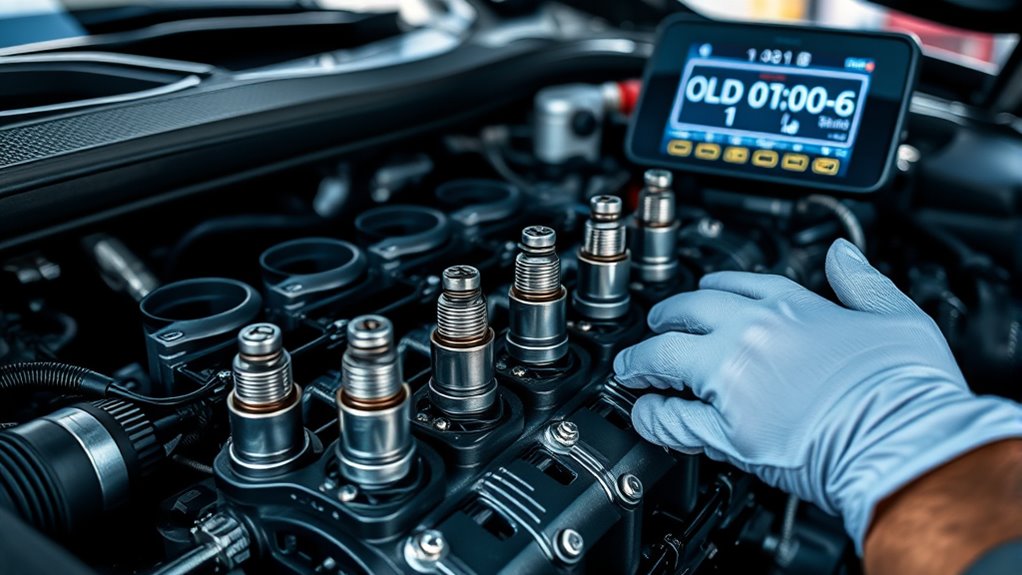
Finally, inspect the spark plugs. Worn or fouled plugs can worsen cold-start misfires. Replacing or cleaning them can boost engine performance.
To summarize:
- Perform fuel injector maintenance to guarantee proper fuel flow.
- Confirm ignition timing adjustments are correctly set.
- Inspect and replace spark plugs if necessary.
Addressing these areas can reduce cold-start misfires and improve your engine’s reliability during colder temperatures.
When Should You See a Mechanic for Engine Misfires?
If your engine keeps misfiring even after you’ve tried the basic fixes, it’s probably time to take your car to a mechanic. You don’t want to ignore signs like rough idling, feeling like your car is losing power, or hearing weird noises coming from the engine. These are clues that something’s not quite right.
Getting it checked out early can save you a lot of money in the long run. So, if the misfires stick around or get worse, don’t wait—reach out to a professional to get it sorted.
Persistent Misfire Symptoms
Engine misfires can be a serious issue that needs quick attention, especially if they keep happening. If your engine keeps misfiring even after trying to start it cold, it’s a good idea to see a mechanic.
Persistent symptoms might point to problems like dirty fuel injectors or ignition system issues. Ignoring these signs can cause more damage and lead to expensive repairs.
If you notice your engine stumbling or rough idling even after it warms up, it’s time to get help. You might also see decreased fuel efficiency and loss of power.
Check for visible trouble codes related to misfires or ignition problems. A mechanic can clean your fuel injectors and do thorough ignition system maintenance to fix the root cause.
Dealing with these symptoms early can prevent long-term damage and help your engine run smoothly again.
Unusual Engine Behavior
Unusual engine behavior, like sudden stalls, hesitation, or irregular idling, means you should see a mechanic soon. If your engine vibrates or runs roughly, it could be a sign of misfires or other issues.
Also, if your vehicle has inconsistent power or you smell fuel fumes, something’s probably wrong. These signs often point to problems with spark plugs, fuel delivery, or ignition timing that need quick attention.
Ignoring these symptoms can cause more engine damage or lower fuel efficiency. Catching these issues early helps prevent cold start misfires and keeps your engine running smoothly.
Don’t wait too long to get professional help if you notice these signs.
Simple Steps to Keep Your Engine Running Smoothly in Cold Weather
Cold weather can take a toll on your engine, but taking simple steps can help keep it running smoothly. Proper engine maintenance is key to preventing misfires and ensuring reliable starts in cold weather.
Start by checking your battery. Cold temperatures reduce its efficiency, so make sure the terminals are clean and the connections are tight.
Next, use the right fuel and consider adding a fuel additive to prevent gelling. This helps your engine run smoothly even when it’s really cold.
Finally, regularly inspect and replace spark plugs and ignition coils, as cold weather can cause them to misfire.
Here are three simple steps:
- Keep your battery in good condition and clean terminals
- Use winter-grade fuel or additives to prevent gelling
- Regularly inspect and replace spark plugs and ignition components
Following these tips helps your engine perform well during cold weather, reduces the risk of misfire, and extends your vehicle’s life. Consistent engine maintenance is your best defense against winter trouble.
Frequently Asked Questions
Can Using Fuel Additives Reduce Cold-Start Engine Misfires?
Yes, using fuel additives can help reduce cold-start engine misfires. High-quality additives improve fuel quality and help prevent injector clogging, ensuring better spray during cold starts.
They also support injector cleaning, which keeps fuel atomization and combustion running smoothly. This makes your engine start more easily and run more reliably when cold.
Just pick a reputable additive and follow the manufacturer’s instructions for the best results.
How Does Engine Temperature Sensor Failure Contribute to Misfires?
Think of your engine temperature sensor as the heart of your vehicle. If it fails, misfires can happen. When the sensor malfunctions, it sends incorrect signals, messing up the fuel mixture and ignition timing.
This can cause engine misfires, especially when the engine is cold. Using diagnostic tools can help detect issues with sensor calibration, guiding you to fix or replace the faulty sensor.
Keeping this sensor in good shape ensures smooth starts and reliable engine performance.
Are Cold-Weather Engine Misfires Related to Exhaust System Issues?
Yes, cold-weather engine misfires can be related to exhaust system issues. Exhaust leaks, especially near the catalytic converter, can cause improper exhaust flow and lead to inaccurate sensor readings and misfires.
A damaged or clogged catalytic converter also restricts exhaust, which can affect engine performance when it’s cold. Fixing leaks quickly and keeping the exhaust system in good shape helps prevent misfires during cold weather by ensuring everything runs smoothly.
What Role Does Engine Coolant Temperature Play in Cold Starts?
Think of engine coolant temperature as the thermostat for your car’s engine performance during a cold start. When the coolant is cold, it signals the engine to run richer fuel mixtures, which helps prevent misfires.
As the coolant warms, your engine runs more efficiently. Keeping an eye on coolant temperature ensures smooth cold starts and reduces the chance of engine misfire.
This makes your vehicle more reliable in chilly conditions. Monitoring coolant temperature is key to keeping your engine running smoothly when it’s cold outside.
Can Upgrading to Cold-Weather Spark Plugs Prevent Misfires?
Upgrading to cold-weather spark plugs can help prevent misfires by ensuring reliable ignition in low temperatures. Look for spark plug types designed for cold starts, which provide better voltage and spark stability.
Proper ignition timing is also crucial. When timed correctly, it helps the air-fuel mixture ignite smoothly, reducing the chances of misfires.
Combining these upgrades and adjustments will keep your engine running smoothly in cold conditions.
Conclusion
Don’t let a cold engine turn your daily drive into a nightmare! With these simple tips, you can outrun the icy grip of winter misfires, keeping your engine purring like a kitten even in the coldest storms.
Regular maintenance and quick troubleshooting can save you from being stranded in the snow or stuck with costly repairs. Stay proactive, stay warm, and keep that engine roaring smoothly.
Winter’s challenges are no match for your savvy. Prevent engine misfire when cold by following these tips and keeping your engine in top shape.