Car Hesitates When Driving: 6 Common Reasons and Easy Fixes
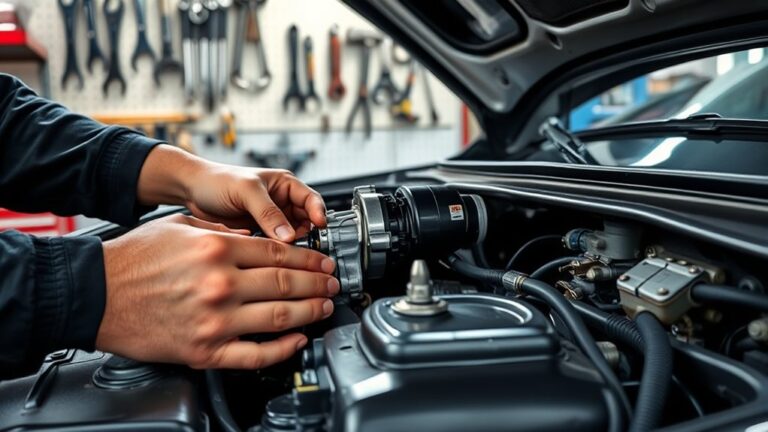
If your car hesitates when driving, you’re not alone. Many drivers struggle with this frustrating issue, unsure of what’s causing the problem.
It could be due to worn spark plugs, a dirty fuel filter, clogged sensors, a dirty throttle body, or issues with the fuel delivery system.
Start by checking these components—replace spark plugs and filters regularly, clean the throttle body, and inspect sensors for dirt or damage.
Addressing these common causes can often fix hesitation problems quickly.
Stay tuned for simple steps to identify and fix each issue effectively.
Key Takeaways
- Check for worn spark plugs, dirty fuel filters, and clogged air filters, as they can cause engine hesitation. These are simple things to inspect and often overlooked.
- Inspect the throttle body and sensors like the MAF and TPS for dirt, damage, or malfunction. Keeping these clean helps ensure smooth engine response.
- Use diagnostic tools to read error codes and test sensor connections for corrosion or looseness. It’s a quick way to identify the root of the problem.
- Regularly clean components like the throttle body and replace worn parts to prevent hesitation. Routine maintenance keeps everything running smoothly.
- Schedule routine maintenance to ensure optimal engine performance and avoid drivability issues. Staying on top of this makes a big difference.
How to Diagnose Why Your Car Hesitates
When your car starts to hesitate during acceleration, it’s important to diagnose the root cause quickly to prevent further issues. Poor engine performance often signals underlying hesitation causes that need attention.
Hesitation during acceleration signals potential engine issues needing prompt diagnosis to prevent further damage.
Start by paying attention to when the hesitation happens—at low or high RPMs, or during specific speeds. Check for any warning lights on your dashboard, as these can point to sensor or fuel system problems.
Listen for unusual sounds or rough idling, which may indicate fuel delivery or air intake issues. Inspect the air filter for clogs that could restrict airflow and affect engine performance.
Consider potential fuel system problems like a clogged fuel filter or weak pump. Moreover, examine the throttle response and look for signs of transmission issues if the hesitation is sudden and jerky.
Are Your Spark Plugs Worn Out? How to Check and Replace Them
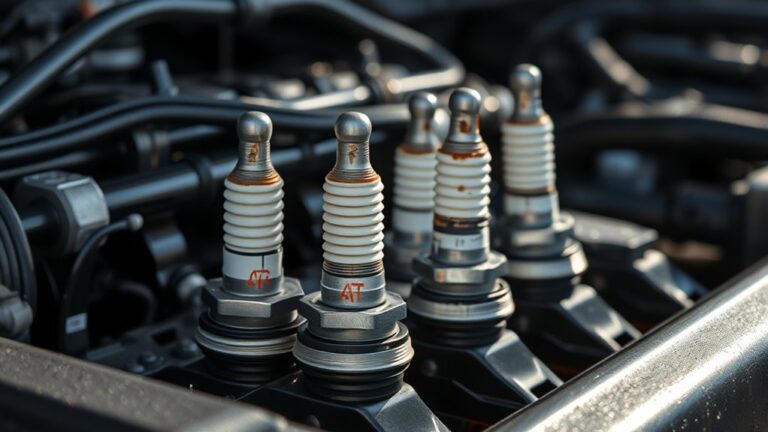
Noticing that your car is hesitating or not running as smoothly as it used to? It might be time to check your spark plugs. Worn-out spark plugs can cause rough idling or sluggish acceleration, so it’s worth taking a peek.
You can actually check them yourself. Just remove a spark plug and take a close look at the electrode. If you see signs of wear or build-up of deposits, it might be time for a replacement. Don’t worry, replacing spark plugs is pretty straightforward. Just follow a simple step-by-step process, and you’ll have your engine running smoothly again in no time.
Signs of Worn Spark Plugs
Worn spark plugs can cause your car to hesitate or stall, so it’s important to spot the signs early. When spark plugs have gone past their prime, the ignition system’s performance drops. This can lead to rough idling, misfires, or trouble when accelerating.
You might also notice your fuel consumption increases or that your engine is hard to start. Keep an eye out for signs like uneven engine running or visible buildup on the spark plugs. Here’s a quick guide:
| Sign | Cause | Action |
|---|---|---|
| Engine misfires | Worn or fouled spark plugs | Replace spark plugs |
| Rough idling | Ignition system issues | Inspect and clean or replace |
| Poor acceleration | Spark plug deterioration | Check spark plug condition |
| Increased fuel use | Inefficient combustion | Replace spark plugs |
Stay alert to these signs to keep your engine running smoothly.
Step-by-Step Replacement Guide
Checking and replacing your spark plugs is a simple task that can really boost your engine’s performance. First, find out what type of spark plugs your vehicle needs, since different engines require different ones.
Next, follow these steps:
- Disconnect the battery to stay safe.
- Remove the engine cover if needed, then locate your spark plugs.
- Use a spark plug socket to carefully unscrew and pull out each plug.
- Inspect the plugs for wear or damage. If necessary, replace them with new spark plugs that match your engine’s specs.
When installing new spark plugs, make sure they are properly gapped as per your vehicle’s manual. This helps keep the fuel system efficient and avoids hesitation when accelerating. Well-maintained spark plugs help keep your engine running smoothly.
Is Your Fuel Filter Dirty? Signs and How to Clean It
Have you noticed your car hesitating or losing power during acceleration? This could be a sign of a dirty fuel filter, which blocks the fuel system’s flow. When the filter is clogged, your engine struggles to get clean fuel, leading to hesitation or rough acceleration.
Signs include sputtering, difficulty starting, or decreased fuel efficiency. Here’s a quick guide to help you identify the problem:
| Symptom | Possible Cause | Action |
|---|---|---|
| Engine hesitates or stalls | Dirty fuel filter | Replace or clean the filter |
| Reduced acceleration | Clogged fuel system | Perform maintenance tips |
| Unusual engine noise | Fuel flow restriction | Inspect fuel lines |
| Poor fuel economy | Fuel filter blockage | Check and replace the filter |
Regular fuel system maintenance can prevent filter buildup. If you think your fuel filter is dirty, replacing it is usually simple and can restore smooth driving.
Can a Clogged Throttle Body Cause Hesitation? Here’s How to Clean It
A clogged throttle body can cause hesitation during acceleration, similar to issues caused by a dirty fuel filter. When the throttle body gets dirty, it restricts airflow, making your engine struggle to respond smoothly.
This can lead to rough idling or hesitation when you press the gas pedal. To fix this, you’ll need to clean the throttle body using effective cleaning techniques. Here’s how:
- Disconnect the air intake hose from the throttle body.
- Use a throttle body cleaner spray to loosen dirt and carbon buildup.
- Gently scrub the inside with a soft brush or cloth.
- Reassemble everything and start your engine to check for improved response.
Regular cleaning of your throttle body guarantees proper airflow and helps eliminate hesitation issues. This simple maintenance task can restore smoother acceleration and better engine performance.
Do Faulty Sensors Cause Your Car to Stumble? Which Ones to Check
Ever wonder if a faulty sensor could be making your car stumble or hesitate? It’s pretty common, actually. When your car acts up, the first thing to check are those sensors that play a big role in how your engine runs.
Some of the usual suspects are the oxygen sensor, the mass airflow sensor, and the throttle position sensor. These tend to show clear signs when they’re not working properly. Testing them isn’t too complicated, but it does involve some specific steps to really pinpoint where the problem is. Knowing what symptoms to look for and how to test these sensors can make all the difference in getting your car back to smooth sailing.
Common Faulty Sensor Types
Several sensors in your car play an essential role in keeping everything running smoothly. When they malfunction, your vehicle might hesitate or stumble during driving.
Common faulty sensor types include the Mass Air Flow (MAF) Sensor. If it’s dirty or needs calibration, it can send incorrect data and cause hesitation.
The Throttle Position Sensor (TPS) can also be a culprit. A faulty TPS may lead to inconsistent throttle response and stumbles.
Worn-out Oxygen Sensors (O2) can misjudge the fuel mixture, which affects engine performance.
Lastly, the Camshaft and Crankshaft Sensors are critical. Defective sensors can disrupt timing, leading to rough idling or stalling.
Sometimes, fixing these issues means calibrating or replacing sensors. Regular checks can help prevent drivability problems before they get worse.
Symptoms of Sensor Failures
When sensors in your vehicle start to fail, you’ll likely notice some signs that something’s off. Common symptoms include erratic engine behavior, rough idling, or sudden stalling.
You might also feel hesitation or a stumble when accelerating, which are clear clues of sensor problems. For instance, a faulty mass airflow sensor can cause poor acceleration and lower fuel economy.
A malfunctioning oxygen sensor may turn on the check engine light and increase emissions. These signs tend to develop gradually, making it tricky to pinpoint the exact issue at first.
Recognizing these early warning signs can help prevent more serious damage and allow for targeted repairs. If your car shows any of these symptoms, it’s a good idea to have the sensors checked out promptly.
Sensor Testing Procedures
If your car hesitates or stumbles during acceleration, testing your sensors can help find out what’s wrong. Start by using diagnostic tools to read error codes related to sensors like the MAF, oxygen sensors, or throttle position sensor.
Next, check the sensor connections for corrosion or looseness. Use a multimeter to test sensor voltage and resistance, making sure the sensors are properly calibrated.
Inspect the sensors physically for any damage or dirt that could affect their readings. Afterward, clear the error codes and take your car for a test drive to see if the problem is gone.
These tests help identify faulty sensors and ensure your vehicle’s ECU gets accurate data. Proper sensor testing can save you time and prevent unnecessary replacements.
Tips to Prevent Car Hesitation and Keep Your Vehicle Running Smoothly
To prevent your car from hesitating during acceleration, regular maintenance is key. Make sure to schedule routine inspections and tune-ups so you can catch issues early on. Engine tuning is especially important because a well-tuned engine runs smoothly and responds quickly when you press the gas pedal.
Keep an eye on your air filter, fuel injectors, and spark plugs, and replace them when needed to keep your car performing at its best. Using quality fuel and keeping your fuel system clean also helps prevent hesitation.
Don’t forget to check your throttle body and idle air control valve—cleaning these parts can really improve throttle response. Regularly inspecting and maintaining the fuel pump and sensors ensures they work properly, reducing the chances of hesitation.
Frequently Asked Questions
Can Transmission Issues Lead to Car Hesitation?
Yes, transmission issues can cause your car to hesitate. Low or dirty transmission fluid can lead to slipping or delayed gear engagement, making acceleration sluggish.
If you drive a manual, clutch problems might also be the culprit, causing hesitation during shifts. Regularly checking and changing your transmission fluid, along with addressing clutch issues promptly, can help prevent hesitation and guarantee smooth driving.
How Does Low Tire Pressure Affect Vehicle Performance?
When your tire pressure drops below the recommended level, you might notice your car struggles to accelerate smoothly.
Imagine driving on a rainy day; low tire pressure reduces tire wear and compromises traction control, making your vehicle less responsive.
This can cause hesitation or uneven handling. Keeping your tires properly inflated guarantees better traction, reduces unnecessary wear, and helps your vehicle perform confidently and safely on the road.
Are Engine Oil Levels Linked to Hesitation Problems?
Yes, low engine oil levels can cause hesitation issues. When oil viscosity drops because of not enough oil, engine lubrication becomes less effective. This leads to increased friction and sluggish response.
This can make your car hesitate or bog down, especially during acceleration. Regularly checking and maintaining proper oil levels ensures peak engine lubrication. It helps your vehicle run smoothly and prevents hesitation caused by oil-related problems.
Could Worn-Out Air Filters Cause Engine Stalling?
Worn-out air filters are like clogged arteries for your engine, cutting off airflow and causing stalling. When you neglect air filter maintenance, your engine struggles to breathe, leading to poor engine performance and potential stalling.
Regularly changing or cleaning your air filters keeps the airflow smooth and your engine humming happily. Don’t let a dirty filter choke your drive—maintain it for peak performance and a smoother ride.
What Role Does the Exhaust System Play in Hesitation?
The exhaust system plays a vital role in preventing hesitation. Exhaust blockages, like a clogged catalytic converter, restrict airflow and cause your engine to struggle and hesitate during acceleration.
When these components become blocked, gases can’t escape efficiently, leading to reduced power and rough running. Regular inspections and timely replacement of a faulty catalytic converter can keep your exhaust system clear.
This ensures smooth, hesitation-free driving.
Conclusion
Just like tending a garden keeps your plants healthy, regular maintenance keeps your car running smoothly. When your vehicle hesitates, it’s a sign to check the spark plugs, fuel filter, or sensors—little fixes that make a big difference.
Neglecting these can be like watering weeds instead of flowers. Staying proactive helps prevent bigger problems down the road.
Remember, addressing issues early keeps your car performing at its best. With proper care, your car will glide like a well-tuned orchestra, turning rough rides into smooth, confident drives.
If your car hesitates when driving, paying attention to these common causes can help you get back on the road smoothly.