What Is the Gap on Spark Plugs and Why It Matters
Many car owners find themselves frustrated by engine performance issues or sudden misfires, and you’re not alone in this struggle. One common culprit is the spark plug gap, which many people struggle to understand or properly check.
The spark plug gap is the space between the center and ground electrodes, and it’s vital for engine performance. If the gap is too wide, your engine may misfire or run weakly; too narrow, and sparks might be too weak for efficient combustion.
Ensuring the gap is correct helps your engine start smoothly, boost fuel economy, and run reliably.
To learn how to check and adjust your spark plug gap properly, keep exploring the details.
Key Takeaways
- The spark plug gap is the distance between the center and ground electrodes.
- Proper gap ensures strong, reliable sparks for efficient combustion.
- Incorrect gaps can cause misfires, rough idling, and lower fuel efficiency.
- Regularly checking and adjusting the gap helps keep your engine running smoothly.
- Be sure to follow the manufacturer’s specifications for the best spark plug gap settings.
What Is the Spark Plug Gap and Why Does It Matter?
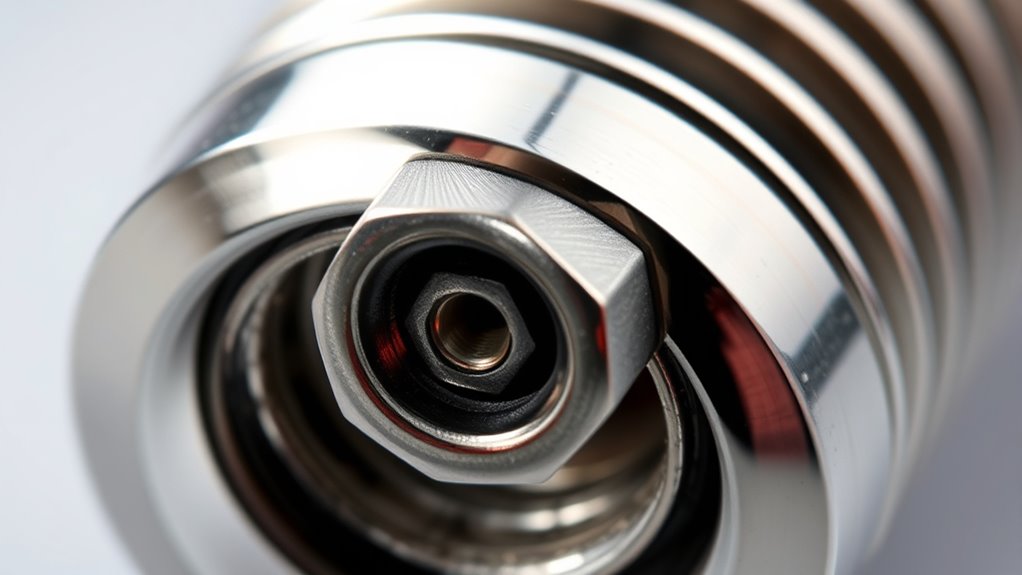
The spark plug gap is the tiny space between the center and ground electrodes of a spark plug. This gap measurement is super important because it directly impacts how well your engine performs.
The spark plug gap is a crucial tiny space that affects your engine’s performance and efficiency.
If the gap is too wide, the spark might be weak or inconsistent, making it harder to ignite the fuel-air mixture properly. On the other hand, if the gap is too narrow, the spark might be too weak to do its job effectively.
Getting the gap right ensures the spark plug produces a strong, reliable spark at the right time. This helps improve your engine’s efficiency, power, and fuel economy.
Keeping the correct gap also helps prevent misfires and potential engine damage down the line. Knowing why the spark plug gap matters means you can take better care of your vehicle.
Regularly checking and adjusting the gap keeps your spark plugs working at their best, so your engine runs smoothly and reliably.
How to Find the Correct Spark Plug Gap for Your Car
First things first, grab your vehicle’s owner’s manual or check the manufacturer’s specifications to find the recommended spark plug gap. It’s always best to go with what the experts suggest for your specific car.
Next, get yourself a good gap tool—these are pretty inexpensive and easy to use. Carefully measure the gap on your spark plug with the tool, and if it’s not quite right, gently adjust it. Just be careful not to damage the electrode while doing this.
Checking Manufacturer Specifications
Before you adjust your spark plug gap, it’s important to check your vehicle’s manufacturer specifications. These specs tell you the right gap measurement for your car’s spark plugs, helping to ensure optimal performance.
Different spark plug materials like copper, platinum, or iridium may have slightly different gap requirements. Always refer to the manufacturer’s recommendations for your specific spark plug type.
Ignoring these details can cause misfires or reduce fuel efficiency. Your vehicle’s owner’s manual or service guide usually has this information. If you can’t find it there, contact the manufacturer or look online for accurate specs.
Following the correct gap standards is key to keeping your engine healthy and making sure your spark plugs work as they should.
Using Proper Gap Tools
To accurately set the spark plug gap, you need the right tools designed for precision. Using proper gap tools guarantees you get accurate measurements, which is essential for effective spark plug maintenance.
A dedicated wire gauge or a feeler gauge is ideal for measuring the gap accurately. These tools let you compare the spark plug’s electrode gap against the manufacturer’s specifications quickly.
When measuring the gap, handle the spark plug carefully to avoid damaging the electrodes. Proper tools help you make precise adjustments without guesswork, reducing the risk of misfiring or poor engine performance.
Investing in quality gap tools makes spark plug maintenance easier, saves time, and helps keep your engine running smoothly. Always double-check the gap after adjustments for the best results.
Tools You’ll Need to Check and Adjust Spark Plug Gaps
Checking and adjusting spark plug gaps needs a few key tools to ensure you do it right and safely. The most important one is a gap gauge or feeler gauge, which helps you measure the gap accurately using different blade sizes.
Essential tools for spark plug gap adjustment ensure accurate, safe, and effective maintenance.
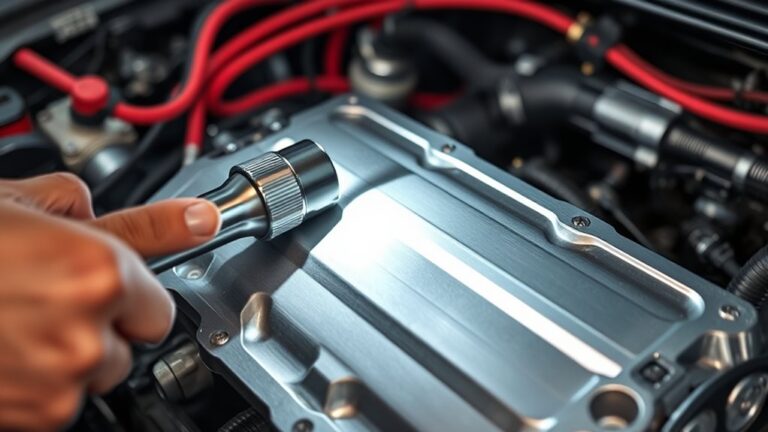
This tool is essential for proper spark plug maintenance, making sure the gap matches your vehicle’s specs. A spark plug socket with a rubber insert makes removing and installing plugs easier without damaging them.
You might also need a small wire brush or abrasive pad to clean the electrodes if they’re dirty or corroded. For fine adjustments, a spark plug gapping tool that bends the electrode gently can be very helpful.
Always handle spark plugs carefully to avoid damage. Using the right tools and knowing how to measure gaps properly are crucial for maintaining engine performance, fuel efficiency, and preventing misfires.
Having these tools ready makes the job easier and helps you get an accurate, safe adjustment every time.
Step-by-Step: How to Measure Your Spark Plug Gap
Measuring your spark plug gap accurately is key to getting your engine running smoothly. It’s a simple process as long as you follow the right steps.
Start by removing the spark plug from your engine. Then, use a wire gauge or a dedicated gap tool to check the gap. Gently insert the tool between the center and ground electrodes, making sure it fits snugly without forcing.
If the gap is too narrow or wide, carefully bend the ground electrode with pliers to adjust it. After each adjustment, recheck the gap to ensure it matches your vehicle’s specifications.
Getting the gap just right helps maintain optimal combustion and prevents misfires. Handle your spark plugs carefully during this process to avoid damaging the electrodes.
Following these steps will help you set the correct spark plug gap, leading to a smoother and more efficient engine.
What Causes Spark Plug Gaps to Change and How It Affects Your Engine
Spark plug gaps can shift over time due to various factors, impacting how your engine performs. One common cause is spark plug wear, which happens as the electrode gradually erodes from continuous use. As the electrodes wear down, the gap widens, leading to weaker sparks and less efficient combustion.
Vibration and thermal cycling also play a role, causing slight movements or distortion of the spark plug’s parts. Improper installation or manufacturing defects can also cause initial gaps to change prematurely. When the gap gets too large or too small, your engine’s performance can suffer.
You might notice decreased fuel efficiency, rough idling, or sluggish acceleration. Sometimes, misfires happen, putting extra strain on your engine. Regular maintenance and inspections help catch these changes early, keeping your spark plugs working properly.
Properly maintained gaps ensure efficient combustion, which boosts engine performance and helps your spark plugs last longer.
Signs Your Spark Plug Gap Might Be Off
If your engine’s having a tough time starting up or it’s running rough, it might be time to take a look at your spark plug gap. Sometimes, a simple adjustment can make a big difference. You might also notice that your fuel economy isn’t what it used to be, or maybe you’re experiencing some misfires and hesitation when you hit the gas. Those are pretty good clues that your spark plug gap could be off.
Difficult Engine Starts
When your engine struggles to start, it could be because your spark plug gap is off. Cold weather makes starting even harder, especially if the spark isn’t strong enough.
An incorrect gap can cause weak or inconsistent sparks, which leads to poor ignition and sluggish engine performance. You might notice longer cranking times or that the engine just won’t turn over.
If your spark plugs are gapped incorrectly, it reduces the efficiency of the ignition system. This makes cold starts especially troublesome.
Ensuring the gap is set properly helps improve spark strength and ignition timing. When the spark plug gap is correct, your engine will start more reliably, even in chilly weather.
Reduced Fuel Efficiency
Reduced fuel efficiency can be a clear sign that your spark plug gap is off. When the gap isn’t correct, fuel combustion becomes less efficient, wasting fuel and decreasing engine performance.
If your vehicle uses more fuel than usual or doesn’t run smoothly, it’s a good idea to check the spark plug gap. Misaligned gaps can cause incomplete combustion, which hurts overall efficiency.
You might notice increased fuel consumption, rough idling, or stalling. Reduced power during acceleration and higher emissions are also common signs.
Keeping the spark plug gap properly adjusted ensures peak fuel combustion and helps maintain engine performance. Regularly inspecting and setting the correct gap can save you money and keep your engine running smoothly.
Engine Misfires or Hesitation
Engine misfires or hesitation often mean your spark plug gap is off, messing with the smooth flow of combustion. When the gap isn’t right, ignition efficiency drops, leading to inconsistent sparks.
This can cause rough idling, hesitation during acceleration, or even stalling. Over time, a misgapped spark plug wears out faster and hurts combustion stability.
To picture this, look at the symptoms and their causes:
| Symptom | Cause |
|---|---|
| Engine hesitation | Incorrect spark plug gap |
| Rough idling | Poor ignition efficiency |
| Increased fuel consumption | Fuel doesn’t burn evenly |
Adjusting the gap can bring back peak engine performance, improve fuel combustion, and help your spark plugs last longer.
How to Adjust Spark Plug Gaps at Home Safely
Adjusting spark plug gaps at home is simple if you follow the right steps and stay safe. Make sure to use the correct tools and handle the parts carefully.
Start by removing the spark plug from your engine with a spark plug socket. Then, check the gap using a feeler gauge or gap tool. If it needs adjusting, gently bend the ground electrode to close or open the gap, doing so in small increments.
After making the adjustment, re-measure to ensure it’s accurate. Once that’s done, reinstall the spark plug securely, making sure to tighten it to the correct torque.
Use a spark plug gap tool or feeler gauge for precise measurement. Handle the spark plug carefully to avoid damage. When bending the electrode, do so gently and avoid applying too much force. Always double-check the gap after adjusting.
Following these simple steps helps keep your engine running smoothly and extends the lifespan of your spark plugs.
When to Replace Spark Plugs Instead of Just Adjusting the Gap
While tweaking the spark plug gap can be a quick fix, there comes a point when simply adjusting isn’t enough. If your spark plugs show signs of wear or have reached their recommended lifespan, it’s time to replace them instead of just adjusting the gap.
Typically, spark plugs should be replaced during routine maintenance—usually every 30,000 to 100,000 miles, depending on your vehicle and plug type. If you notice misfiring, poor acceleration, or difficulty starting, those are clear signs your spark plugs are past their prime.
Worn plugs can cause inefficient combustion, which leads to decreased fuel economy and engine performance. Instead of repeatedly adjusting the gap, replacing your spark plugs guarantees your engine runs smoothly and reliably.
Keeping track of maintenance intervals and inspecting your spark plugs regularly helps you know the best time for replacement.
How Proper Spark Plug Gaps Improve Fuel Economy and Engine Power
Proper spark plug gaps ensure that the electrical current ignites the air-fuel mixture efficiently, which directly impacts your vehicle’s fuel economy and power output. When the gap is correct, fuel combustion happens more effectively, making sure each burn delivers maximum energy.
This better ignition efficiency means your engine runs smoother and more powerfully, using fuel more effectively. Keeping the gap right reduces misfires and incomplete combustion, leading to better mileage and quicker acceleration.
With properly gapped spark plugs, your engine can generate more torque with less effort, boosting overall performance. They also help minimize engine strain, which extends their lifespan and cuts down on maintenance costs.
You’ll notice more complete fuel combustion, improved ignition efficiency, better acceleration and power, and increased fuel economy.
Tips to Keep Your Spark Plug Gaps Correct Over Time
Want to keep your spark plug gaps just right over time? It’s a good idea to check them regularly with a feeler gauge. Using the right tools makes sure your adjustments are spot-on and safe.
Doing this kind of maintenance consistently can really help your engine run smoothly and efficiently. It’s a small step that makes a big difference in keeping your vehicle in top shape.
Regular Gap Checks
Regularly checking your spark plug gaps is key to making sure your engine runs smoothly and efficiently. Proper gap maintenance helps prevent misfires, boosts fuel economy, and makes your spark plugs last longer.
It’s a good idea to check the gaps during routine tune-ups, especially after installing new plugs or doing maintenance. Use a feeler gauge for accurate measurement and make gentle adjustments if needed.
Be careful not to force the gap wider or narrower, as that can damage the electrode. Consistent gap checks ensure your engine performs at its best and reduce the chance of early spark plug failure.
Proper Tool Usage
Using the right tools correctly can make a big difference in maintaining your spark plug gaps over time. To ensure accurate gap measurement, invest in quality spark plug tools designed for precise adjustments.
These tools, like gap gauges or feeler gauges, help you measure the gap accurately using proper techniques. When adjusting, avoid makeshift tools or applying too much force, which can damage the electrode.
Always follow the manufacturer’s instructions for your specific spark plug tools, and double-check the gap after each adjustment. Proper tool usage keeps your spark plug gaps consistent, improving engine performance and fuel efficiency.
Regularly inspecting and adjusting gaps with the right tools helps your engine run smoothly and prevents misfires caused by incorrect gaps.
Frequently Asked Questions
Can Incorrect Spark Plug Gaps Cause Engine Misfires?
Yes, incorrect spark plug gaps can cause engine misfires. When the gap isn’t set properly, spark plug performance suffers, leading to weak or inconsistent sparks.
This reduces ignition efficiency, which can result in rough idling, poor acceleration, and engine misfires. Making sure the spark plug gap is correct helps maintain peak ignition efficiency.
It also keeps your engine running smoothly and prevents potential damage caused by misfires.
Are Factory-Set Spark Plug Gaps Always the Best for My Car?
Factory-set spark plug gaps are generally designed to give you decent performance, but they’re not always perfect for your specific vehicle. You might need to adjust the spark plug gap to get the best results.
Relying solely on factory gaps can be like wearing a one-size-fits-all hat — it might not fit just right. Fine-tuning the gap can help improve your engine’s efficiency and power.
It’s a good idea to check and adjust the gap to match your car’s needs. That way, you’ll get the most out of your engine’s performance.
How Often Should I Check My Spark Plug Gaps?
You should check your spark plug gaps during regular maintenance, ideally every 30,000 miles, or if you notice engine misfires, rough idling, or reduced fuel efficiency.
Use a gap measurement tool to verify the gap matches your vehicle’s specifications. Regularly inspecting and adjusting the gap helps keep your engine running smoothly.
It also prevents misfires and extends your spark plugs’ lifespan. Make checking your spark plug gaps a routine part of your vehicle upkeep.
Do Different Engine Types Require Different Spark Plug Gaps?
Yes, different engine types require different spark plug gaps. You need to consider the specific spark plug types recommended for your engine, as gaps vary to optimize performance.
Smaller gaps are better for high-performance engines because they allow for quick ignitions, while larger gaps work better for older or less powerful engines.
Always check your vehicle’s manual to verify the correct spark plug gap. Proper spacing directly impacts engine efficiency and smooth operation.
What Are the Risks of Over-Tightening Spark Plugs?
Over-tightening spark plugs can damage the threads, cause cracking, or even break the plug, leading to costly repairs.
When you’re tightening spark plugs, it’s important to follow the recommended torque to avoid these problems.
Over-tightening can also hurt engine performance by stopping proper heat dissipation and causing misfires.
Always use a torque wrench to make sure you get the right tightness and protect your engine’s health.
Conclusion
Just like a finely tuned orchestra, your engine relies on the perfect spark plug gap to perform at its best. Keep it in sync, and you’ll enjoy smoother rides, better fuel economy, and longer-lasting plugs.
Neglecting this small detail is like silencing the music before the performance ends. So, check and adjust your spark plugs regularly because a well-maintained engine doesn’t just run; it sings—harmoniously, every time.
Understanding the spark plug gap is essential for optimal engine performance. Ensuring the gap is correct helps with efficient combustion and prevents misfires.
Remember, the spark plug gap is a simple but crucial factor. It can make a big difference in how your engine runs and how long your spark plugs last.