5 Reasons Why Car Overheats When Driving But Not Idling! [Issue Solved
Are you tired of your car overheating only when you’re driving, but not when idling? You’re not alone—many drivers struggle with this puzzling issue. It can be frustrating and even dangerous if you don’t know what’s causing it.
Your car may overheat when you’re driving due to issues like a clogged radiator, a failing water pump, or a malfunctioning cooling fan that only become critical under high airflow conditions.
Coolant leaks or air pockets in the system can also reduce heat transfer.
When you’re idling, less stress on these parts keeps the engine cooler.
To find out more about these causes and how to fix them, keep exploring.
Key Takeaways
- When you’re driving, the engine has to work harder, which generates more heat and can overwhelm the cooling system.
- Sometimes, the radiator gets blocked or clogged with debris, reducing airflow and coolant flow especially at higher speeds.
- The cooling fan might not be working properly during driving, making it less effective at cooling the engine.
- Air pockets can form in the cooling system, which interfere with heat transfer during intense engine activity.
- A faulty thermostat might not open as it should when driving, leading to the engine overheating.
Why Does My Car Overheat Only When I Drive?
If your car only overheats when you’re driving, it’s probably due to an issue that shows up specifically when the engine is under load or in motion. When you accelerate or go uphill, your engine works harder and produces more heat.
This extra demand can cause the coolant flow to slow down, especially if there’s a blockage or a failing water pump. Poor coolant circulation makes it hard for heat to escape from the engine effectively, leading to overheating.
Also, if the radiator or cooling fans aren’t working right, increasing engine activity during driving makes the problem worse. These issues might not be obvious when you’re idling because the engine isn’t under heavy strain.
How the Cooling System Works Differently When Driving vs. Idling
When your car is idling, the cooling system works a bit differently than when you’re driving because the engine isn’t under as much load. During idling, the engine produces less heat, and how well the cooling system works depends a lot on airflow.
When idling, the cooling system relies more on airflow and fans, since the engine produces less heat.
Since the vehicle isn’t moving, airflow relies on the radiator fan and natural convection to get rid of heat. The fan actively pulls air through the radiator, helping keep the engine temperature safe.
When you’re driving, the airflow changes a lot. The high speed pushes more air through the radiator, which makes cooling much more efficient. This extra airflow helps prevent overheating, even if the cooling system isn’t perfect.
On the other hand, during idling, less airflow means the engine can heat up faster if the cooling system isn’t working well. Basically, driving boosts airflow and cooling efficiency, while idling depends heavily on fans and natural airflow, making the system more prone to issues.
Common Causes of Overheating During Driving
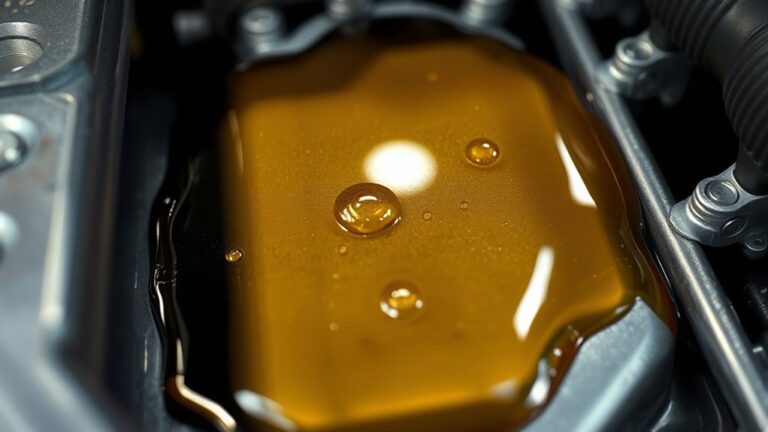
Even during driving, several issues can cause your engine to overheat despite the increased airflow. Coolant leaks are a common culprit, reducing your cooling capacity and leading to temperature spikes. Air pockets in the cooling system can also hinder proper heat transfer, especially after repairs or coolant refills.
Radiator blockages, like debris or rust, restrict airflow and coolant flow, raising engine temperatures. Fan issues, whether electrical or mechanical, can prevent the radiator from cooling effectively at higher speeds. Sensor malfunctions, such as faulty temperature sensors, may give inaccurate readings, leading to overheating without warning.
Increased engine load from steep inclines or heavy towing stresses the cooling system. Driving conditions and temperature fluctuations also influence overheating, as extreme heat or rapid changes in ambient temperature can impact cooling efficiency. All these factors combine to create overheating risks during driving, so regular inspection and maintenance are essential to prevent engine damage.
How to Diagnose and Fix Thermostat and Radiator Problems
Diagnosing and fixing thermostat and radiator problems requires a systematic approach to find the root cause of overheating. First, check for thermostat failure by seeing if the engine warms up properly or if it takes too long. A stuck-open thermostat can cause overheating during driving but not when idling.
Next, inspect the radiator for leaks—look for puddles, corrosion, or low coolant levels. Radiator leaks reduce cooling efficiency and can cause hotspots. To troubleshoot further, test the thermostat by removing it and placing it in boiling water; if it doesn’t open, replace it.
Examine radiator hoses for cracks, swelling, or leaks. Flushing the radiator helps remove clogs and debris that block coolant flow. Also, make sure the radiator cap maintains proper pressure to prevent coolant loss.
Addressing thermostat failure and radiator leaks quickly keeps your cooling system working well, helping you avoid overheating problems while driving.
Easy Ways to Prevent Overheating on the Road
To prevent your car from overheating on the road, regularly check your coolant levels and top off the fluid if needed. Proper cooling maintenance is key to keeping your engine running smoothly and avoiding overheating.
Make it a habit to inspect the coolant reservoir and radiator for leaks or low fluid levels before long trips. Keeping your cooling system in good shape ensures efficient heat transfer and prevents engine damage.
Inspect coolant levels and check for leaks before long trips to prevent engine damage.
Also, pay attention to your radiator cap, thermostat, and hoses. Replace any worn or damaged parts promptly to keep everything working properly.
Avoid overloading your vehicle, as it can increase engine temperature. Drive at moderate speeds to reduce strain on the cooling system.
Regularly cleaning your radiator and making sure airflow isn’t blocked by debris also helps maintain peak cooling performance.
Frequently Asked Questions
Can Driving Habits Affect My Car’s Overheating Issues?
Yes, your driving habits can affect your car’s overheating issues. Driving at high speeds makes the engine work harder and produces more heat.
Frequent rapid acceleration and heavy braking also put extra stress on the cooling system. To avoid overheating, try to keep your speed steady and drive smoothly.
Avoid aggressive driving and make sure your engine load stays within normal limits. Good driving habits help keep your engine cool and running smoothly.
Is a Faulty Water Pump a Common Cause of Overheating While Driving?
Yes, a faulty water pump is a common cause of overheating while driving. When it fails, it disrupts the circulation of coolant, making it hard for your engine to stay cool.
If the water pump isn’t working properly, coolant can’t flow through the engine efficiently. This leads to overheating during driving.
Regularly checking and maintaining the water pump helps ensure proper coolant flow. This reduces the risk of overheating and keeps your vehicle running smoothly.
Can External Factors Like Weather Influence Overheating During Driving?
Surprisingly, external factors like weather can definitely influence your car’s overheating during driving. Hot weather can cause coolant leaks or reduce radiator efficiency, making it harder for your cooling system to keep up.
Ironically, when it’s cold outside, your engine might stay cooler, but extreme heat can stress your cooling components. So, yes, weather plays a role, especially when combined with issues like coolant leaks and radiator wear.
How Do Aftermarket Parts Impact My Car’s Cooling System Performance?
Aftermarket modifications can really change how your cooling system works. Installing parts like high-performance radiators or electric fans might boost cooling, but if they’re poorly designed or don’t fit right, they could cause overheating.
It’s important to check that any aftermarket parts are compatible with your vehicle and installed properly. Doing so can improve your cooling system’s efficiency and help prevent overheating, especially when you’re driving hard or under stress.
Are There Specific Warning Signs Before My Car Overheats While Driving?
Yes, you might notice warning signs before your car overheats while driving. Keep an eye on your temperature gauge; if it rises above the normal range, that’s a clear alert.
Also, check your coolant levels regularly, as low coolant can cause overheating. Other signs include steam from the engine bay, a sweet smell, or unusual heat coming from under the hood.
Address these early to prevent serious damage.
Conclusion
Now that you know why your car overheats only when you’re driving, you’re practically a superhero ready to tackle overheating villains! With the right diagnosis and quick fixes, you’ll transform that fiery engine into a cool, smooth-running machine.
Don’t let overheating turn your drives into fiery rollercoasters. Equip yourself with these tips, and you’ll be cruising happily without breaking a sweat, even at full throttle! Your car’s coolness depends on it.