Will Gas in Oil Harm Your Engine? Learn About Causes and Prevention
Are you worried about potential engine damage and costly repairs? Many car owners struggle with the sneaky issue of gas in oil, which can seriously harm your engine over time.
If you’re not careful, this problem might be quietly affecting your vehicle’s performance without you realizing it.
Gas in your engine oil can cause serious harm by diluting the oil, reducing lubrication, and increasing wear on engine parts.
Common causes include faulty fuel injectors, worn piston rings, and leaky valve seals, which allow fuel or blow-by gases into the oil.
If left unchecked, this contamination can lead to knocking, overheating, and expensive repairs.
To prevent damage, regular maintenance and inspection are essential—learn more about how to protect your engine if you want to keep it running smoothly.
Key Takeaways
- Gas in oil dilutes lubrication, which can lead to increased engine wear and less protection for moving parts.
- Fuel contamination can cause foaming, resulting in improper oil lubrication and potential engine damage.
- Over time, gas in oil can speed up sludge buildup and deposits, hurting engine performance.
- Regular testing and maintenance are key to catching gas in oil early and avoiding costly repairs.
- Fixing issues like faulty valves or piston rings stops gas contamination and helps keep your engine healthy.
What Causes Gas to Get Into Your Engine Oil?
Gas can enter your engine oil when the fuel mixture becomes too rich or if your engine’s components aren’t sealing properly. This process is known as fuel dilution and can cause your engine to wear out faster over time.
Fuel dilution occurs when excess fuel leaks into engine oil, accelerating wear and damage.
When excess fuel mixes with the oil, it reduces the oil’s ability to lubricate properly, making it less effective at protecting engine parts. Fuel dilution often happens because of faulty fuel injectors, worn piston rings, or valve seals that don’t seal tightly.
These issues allow raw fuel to seep past the combustion chamber and mix with the oil. As fuel builds up, it thins out the oil film that protects moving parts, which can increase friction and cause overheating.
Over time, this can lead to engine damage, so it’s important to maintain proper sealing and fuel mixture levels. Recognizing these causes helps you prevent fuel dilution and extend your engine’s lifespan.
How Can You Recognize Signs of Gas in Your Oil?
Have you ever noticed a strange smell coming from your oil, or maybe seen it turn foamy and less smooth? Those can be pretty clear signs that something’s not quite right.
If your engine isn’t running as smoothly as it used to or if you feel it’s running rough, gas might be sneaking into the oil. Catching these signs early is a smart move because it can help you avoid some serious engine problems down the line.
Unusual Oil Smell
Have you noticed a strange smell coming from your engine oil? An unusual odor, especially a strong gasoline scent, can be a key sign of gas mixing with your oil.
This smell often indicates fuel leaks or vapor getting into the oil system. To check, you might want to perform an oil analysis, which can detect gasoline or other contaminants.
If the analysis shows high fuel levels, it’s a clear warning that gas is entering your engine oil. This not only affects lubrication but can also cause engine damage if you ignore it.
Pay attention to any persistent smell, as it’s an easy way to spot early signs of gas-related problems. Addressing it early can help prevent more serious damage down the line.
Foamy Oil Consistency
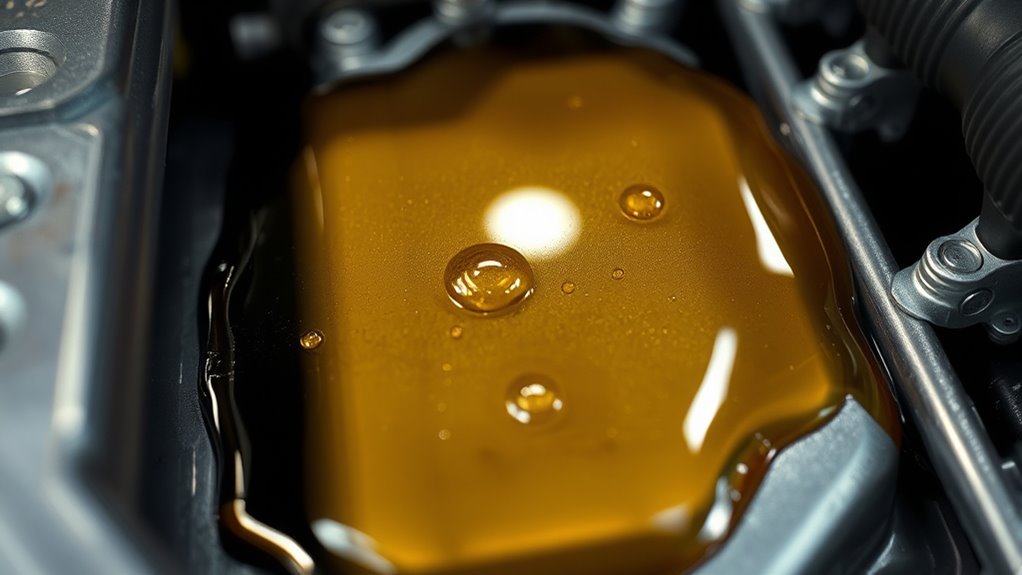
A noticeable change in oil consistency, specifically the presence of foam, can signal that fuel has entered the oil system. This foam occurs when gas mixes with engine lubricants, which can reduce lubrication effectiveness.
You might see your oil look frothy or bubbly on the dipstick or during oil checks. Recognizing foamy oil is important because it indicates contamination that could damage engine parts.
Signs include a spongy feel when checking the oil and a visibly frothy appearance. Be on the lookout for irregularities in oil color and texture, especially after starting the engine.
Regularly inspecting your oil helps catch these signs early before serious damage occurs. Addressing oil foaming quickly prevents further issues and keeps your engine running smoothly.
Engine Performance Drops
When gas mixes with engine oil, it can cause noticeable drops in your vehicle’s performance. You might notice a decrease in fuel efficiency because the engine has to work harder to compensate for poor lubrication.
Engine performance may feel sluggish, with slower acceleration and rough idling. You could also experience increased exhaust emissions or misfires.
Over time, these issues threaten engine longevity by accelerating wear and tear. If your vehicle is consuming more fuel or running less smoothly, gas in the oil could be the culprit.
Regularly checking your oil’s condition can help you spot these signs early. Addressing the problem promptly will protect your engine’s performance and help it run efficiently over the long term.
How Do You Check for Gas Contamination in Your Oil?
Wondering how to check if your oil has gas contamination? Well, a good first step is just taking a look at the oil itself. If it looks unusually dark or has a milky appearance, that might be a sign something’s not quite right.
You can also grab a test kit made specifically for detecting fuel in your oil. They’re pretty easy to use and can give you quick results. Doing these checks regularly is a smart move because it helps catch any contamination early on—saving you from potential engine damage down the line.
Inspect Oil Color
Checking your oil’s color is one of the quickest ways to spot potential gas contamination. During oil inspection, pay close attention to the hue and consistency, as the color can reveal issues. Gas-contaminated oil often looks milky or frothy, which indicates water or fuel mixing.
Look for a thin, glossy film on the oil surface. Check if the oil appears unusually light or watery. Also, note any frothy or bubbly look and see if the oil has a strange smell or color shift.
These visual clues help you spot gas presence early, preventing engine damage. Regularly inspecting oil color is simple but essential for keeping your engine healthy and catching contamination before it causes serious problems.
Use Test Kits
Using a test kit is one of the simplest ways to spot gas contamination in your oil.
There are different types of test kits made specifically for oil testing, making it easier to see if your engine oil has absorbed too much fuel.
These kits usually include test strips or chemical indicators that change color when they come into contact with fuel contamination.
To perform the test, just collect a small amount of oil, follow the instructions, and then compare the results to a color chart.
Regularly testing your oil with these kits helps you catch gas intrusion early, which can prevent engine damage.
By keeping an eye on your oil, you can decide whether to seek professional help or do maintenance yourself.
This way, you can ensure your engine stays healthy and runs smoothly over time.
How Does Gas in Oil Damage Your Engine Over Time?
When gas leaks into your engine oil, it can cause serious long-term damage if left unchecked. Gas dilutes the oil, making it break down faster and reducing its ability to lubricate properly.
Over time, this leads to increased engine wear as metal parts grind against each other without enough protection. The effects include accelerated wear of engine components, higher operating temperatures from increased friction, and oil thinning, which makes it harder to form a protective film.
As the oil breaks down, it can’t prevent metal contact as well, leading to more wear and tear. Continuous exposure to gas in the oil also causes deposits and sludge buildup, which can impair engine function.
If these issues aren’t addressed early, they can result in costly repairs or even engine failure.
How to Repair Components Causing Gas Leaks Into Your Oil
If you’re noticing gas leaks into your oil, the first step is figuring out what’s causing it. It could be a faulty valve seal, worn piston rings, or maybe a damaged head gasket. Taking the time to diagnose these issues early on can really save your engine from bigger problems down the road.
Once you’ve pinpointed the problem, you’ll need to take the appropriate steps to fix it. Replacing worn valve seals, installing new piston rings, or repairing the head gasket are common solutions. Addressing these issues promptly not only stops the leak but also helps keep your engine running smoothly and avoids more costly repairs later on.
Diagnosing Valve Seal Failures
Diagnosing valve seal failures is important because leaks let combustion gases seep into the crankcase, which can cause oil contamination. To spot these issues, you should perform a thorough valve seal inspection and pay attention to how different types might fail over time.
Signs of valve seal problems include increased oil consumption, blue smoke from the exhaust, and engine misfires. During your inspection, look for seals that are cracked or hardened and aren’t sealing properly. You might also notice oil leaks around the valves or too much oil in the combustion chamber.
Checking for blow-by gases escaping into the crankcase is a good way to confirm the diagnosis. To do this, examine the valve seals closely for cracks or signs of wear. Test for excessive oil consumption and look for blue smoke during startup or acceleration. Using a borescope can help you check for oil leaks around the valves.
Replacing Piston Rings
Replacing piston rings is a key step in preventing gas from leaking into your oil, which can cause contamination and damage your engine. You’ll need to choose the right types—compression, oil control, or scraper rings—based on your engine’s needs.
Getting the installation right is crucial. Misaligned rings or incorrect pressures can lead to persistent leaks. Visualize the process:
| Step | Action |
|---|---|
| 1 | Remove the piston from the cylinder |
| 2 | Carefully lubricate and install new rings, making sure they sit evenly |
| 3 | Reassemble with precise torque specifications |
Focus on aligning the piston rings correctly and using the right tools. This helps create a tight seal, reducing gas leaks and keeping your engine healthy.
Repairing Head Gasket
Repairing a head gasket that’s allowing gas into your oil is a critical fix to prevent engine damage. First, identify the specific head gasket types your engine requires, as proper selection is essential. You’ll need to remove the cylinder head carefully, paying close attention during gasket installation to guarantee a perfect seal.
Inspect the old gasket thoroughly for damage or wear. Choose the correct gasket type compatible with your engine. Clean the mating surfaces thoroughly before gasket installation. Follow manufacturer torque specifications to avoid leaks.
Proper gasket installation prevents future leaks and guarantees your engine runs smoothly. If you’re unsure about the process, consulting a professional mechanic can save you time and avoid costly mistakes.
Maintenance Tips to Prevent Gas in Your Engine Oil
To prevent gas from contaminating your engine oil, regular maintenance is key. Start by keeping an eye on your oil viscosity, since fuel dilution can make it thinner and less effective at lubricating.
Check your oil level often, especially if your vehicle has had fuel-related problems before, and top it off with the right type of oil. Regular oil changes are also important to remove any built-up fuel and contaminants.
Make sure your fuel system is working properly. Dirty injectors or a faulty fuel pressure regulator can cause more fuel to leak into the combustion chamber.
Avoid long idling times or short trips, as these can lead to incomplete combustion and fuel buildup in the oil. Staying on top of these maintenance tips will help keep your engine running smoothly and last longer.
When Should You Seek Professional Help?
Ever wonder when it’s time to let a professional handle your engine issues? If you notice persistent problems or strange symptoms, it’s a sign you should seek expert help. Engine diagnostics can find the hidden causes of gas in your oil that you might not catch on your own.
Recognize persistent issues or strange symptoms—seek professional engine diagnostics to uncover hidden problems early.
You should consider professional help if your engine is losing power or misfiring, which points to deeper problems. Also, if you see a big drop in oil level or notice contamination, it’s time to get it checked out. Excessive exhaust smoke or weird smells are other signs something’s wrong.
If the repair costs seem worth it compared to risking further engine damage, don’t wait. Addressing these issues early can save you money and prevent costly repairs later. Relying on a mechanic for proper diagnostics ensures accurate troubleshooting and effective fixes.
Don’t delay if the symptoms keep happening. Getting professional help now can keep your engine running smoothly and save you money in the long run.
How to Maintain Healthy Engine Oil and Prevent Gas Contamination
Maintaining healthy engine oil is essential to prevent gas from contaminating it and causing further engine problems. Regular oil changes are your first line of defense, removing built-up contaminants and keeping the oil effective.
Check your oil level often; low oil can lead to incomplete combustion and more gas contamination. Using high-quality oil suited for your engine can improve efficiency and reduce the chances of gas mixing with the oil.
Don’t neglect oil changes, because dirty or old oil loses its lubricating properties, making it easier for gases to seep in. Keep an eye on your vehicle’s performance—rough idling or reduced power can be signs of oil issues.
Fix any engine problems quickly, like faulty valves or seals, to prevent gas from entering the oil system. Regular maintenance and timely oil changes are key to keeping your engine running smoothly and preventing gas contamination.
What Are the Risks of Ignoring Gas in Your Oil?
Ignoring gas in your oil can cause serious engine damage over time. When you overlook this problem, it weakens your engine’s health and can lead to costly repairs.
Gas leaks into the oil reduce its ability to lubricate properly, which increases wear on engine parts. Over time, this can cause knocking, overheating, or even engine failure.
Key risks include reduced lubrication, which leads to more friction and wear. Fuel contaminants can also cause corrosion inside your engine.
Additionally, ignoring gas in your oil can result in higher oil consumption and increased emissions. It may also lead to engine knocking and overheating, putting your engine under extra stress.
Failing to address this issue means missing early signs of problems like faulty fuel injectors or piston rings. If left unchecked, these issues can escalate and cause extensive damage.
This can shorten your engine’s lifespan and lead to costly repairs. Protect your investment by catching gas leaks early and keeping your engine healthy.
Final Tips: Keeping Your Engine Running Smoothly
To keep your engine running smoothly, regular maintenance and mindful driving habits are essential. Check your oil levels and quality regularly to support engine health and help your oil last longer.
Pay attention to warning signs like strange noises or rough performance. These could be signs of issues like gas in the oil or other problems that need fixing.
Use good quality fuel and avoid aggressive driving to reduce strain on your engine. Schedule timely oil changes and stick to your vehicle’s maintenance schedule to prevent buildup and damage.
| Protect Your Engine | Extend Oil Life | Maintain Engine Health |
|---|---|---|
| Regular oil checks | Use high-quality oil | Address issues early |
| Gentle driving habits | Follow service schedule | Keep components clean |
| Prompt repairs | Avoid short trips | Monitor engine performance |
Following these tips helps keep your engine reliable, saving you money and stress. Proper care boosts engine health and keeps you safely on the road.
Frequently Asked Questions
Can Gas in Oil Cause Engine Knocking or Misfires?
Gas in oil can cause engine knocking or misfires because it impacts how the engine performs and its fuel efficiency. When extra fuel leaks into the oil, it can reduce lubrication.
This leads to poor combustion and irregular engine operation. You might hear knocking sounds or experience misfires, which are signs the engine isn’t running smoothly.
Dealing with this issue quickly is important to keep your engine running well and prevent further damage. It helps maintain peak performance and keeps your vehicle running efficiently.
Is Gas in Oil More Common in Certain Vehicle Types?
Like a whisper in a quiet room, gas in oil is more common in certain vehicle types. You’ll notice it often happens in older engines, turbocharged models, and vehicles with unique engine designs.
These setups tend to be more vulnerable because of their fuel systems or compression ratios. So, if you drive one of these, keep an eye on your oil condition.
It can signal underlying issues that need your attention.
How Long Can Gas Remain in Engine Oil Before Causing Damage?
Gas can stay in your engine oil for a few days to a week, depending on driving conditions. But if gas keeps mixing with the oil for too long, it can break down the oil’s effectiveness.
When gas sticks around longer, it weakens the oil’s lubricating properties. This can lead to increased wear on engine parts and even cause damage over time.
Regular oil checks and timely oil changes are key. They help prevent too much gas from diluting the oil and keep your engine running smoothly and protected.
Does Using High-Quality Fuel Reduce the Risk of Gas Contamination?
Using high-quality fuel significantly lowers the risk of gas contamination in your engine oil. Premium fuels burn cleaner, produce fewer residues, and are less likely to cause fuel leaks that can mix with oil.
Are There Specific Driving Habits That Increase Gas Intrusion Into Oil?
Think of your engine as a boiling pot—constant fuel evaporation and high engine temperatures can cause gas to seep into the oil. Sudden acceleration, frequent idling, or hard braking make your engine work harder, increasing the risk of gas intrusion.
To prevent this, adopt smooth driving habits, avoid unnecessary revving, and make sure your engine cools down properly. These habits help keep your oil and engine working together smoothly, avoiding harmful gas buildup.
Conclusion
Keep your car’s core clean by catching gas in oil early. Regularly check, promptly repair, and prevent potential problems. Stay vigilant about signs of gas intrusion and don’t delay diagnosing damage.
Diligent maintenance minimizes mishaps, maximizes engine efficiency, and keeps you moving smoothly. Remember, proactive prevention and prompt professional help protect your engine’s endurance.
Gas in oil can harm your engine if left unchecked. Taking care of these issues ensures your engine runs reliably and stays healthy mile after mile.