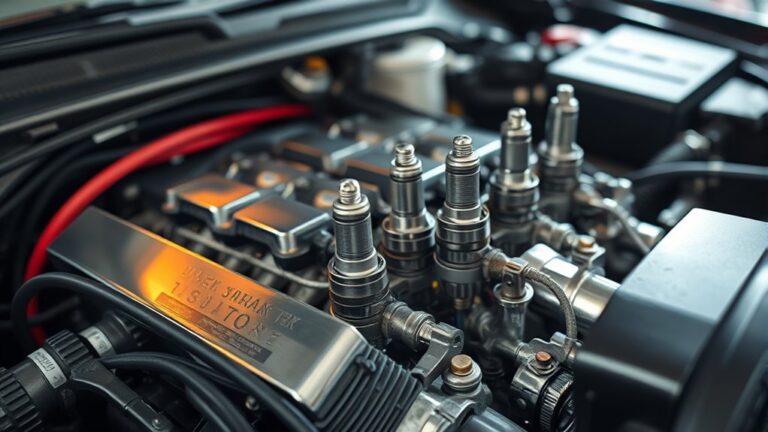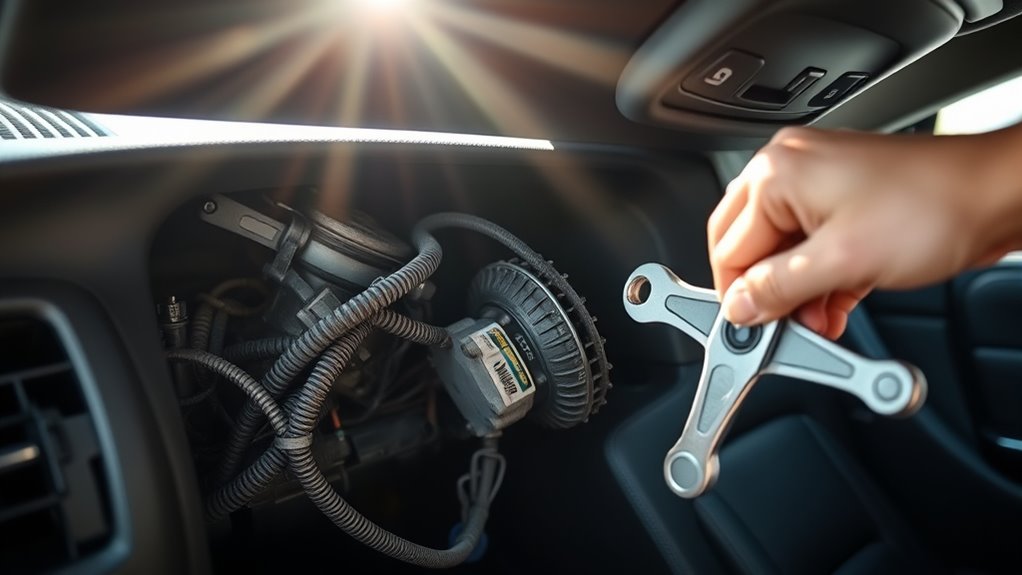
Why Your Car AC Stopped Working Suddenly: Tips for Quick Fix and Preventative Maintenance
Having your car’s AC suddenly stop working can be really frustrating, especially during hot days. Many people struggle with this issue and wonder if it’s a quick fix or something more serious. Don’t worry—you’re not alone, and there are simple things you can check before calling in the pros.
If your car’s AC suddenly stops working, start by checking for common issues like a blown fuse, faulty relay, or refrigerant leaks. Listen for unusual noises and inspect for weak airflow or strange odors. You can also verify if the compressor clutch engages properly.
Regular maintenance, like cleaning filters and inspecting hoses, helps prevent surprises. For a thorough fix, professional help may be needed—continue exploring how to troubleshoot effectively and avoid costly repairs.
Key Takeaways
Mechanical issues like a faulty compressor or refrigerant leak are common causes of sudden AC failure.
Check for electrical problems such as blown fuses or faulty relays that may shut down the system.
Inspect for airflow issues caused by clogged filters, worn components, or a malfunctioning blower motor.
Diagnose refrigerant leaks by listening for hissing sounds or inspecting for oily spots around fittings.
Regular maintenance, including filter cleaning and system checks, helps prevent unexpected AC breakdowns.
What Are the Common Causes of Your Car’s AC Suddenly Stopping?
When your car’s AC suddenly stops working, it can be really frustrating and confusing. AC system failures are usually the main cause, which could be due to a broken compressor, a refrigerant leak, or a faulty condenser. These issues stop the system from cooling effectively.
You might also notice that the temperature fluctuates—sometimes the air isn’t consistently cold, or it suddenly gets warmer. That often points to low refrigerant levels or a clogged expansion valve. Electrical problems like blown fuses or faulty relays can also cause your AC to shut down unexpectedly.
Worn-out components or a malfunctioning blower motor can stop airflow altogether. Regular wear and tear, along with a lack of maintenance, often contribute to these failures. Knowing these common causes can help you figure out why your AC stopped and what steps to take to fix it.
How Can You Diagnose Car AC Problems Step-by-Step?
Diagnosing car AC problems requires a systematic approach to identify the root cause efficiently. Start by listening for any AC noise troubles, like grinding or squealing sounds, which can point to issues with the compressor or belts.
Check if the air feels less cold or if airflow is weak. These signs might mean refrigerant leaks or clogged filters. Feel for unusual vibrations or increased engine strain, which can reduce system efficiency.
Inspect the AC vents for inconsistent airflow or strange odors. Notice if the AC cycles on and off frequently, as this could indicate pressure or electrical problems.
Don’t forget to verify that the dashboard controls are working properly. Taking these steps helps you isolate symptoms and narrow down causes.
How Do You Check Your Car’s AC System Components?
Want to make sure your car’s AC is working properly? Start by taking a look at the compressor. Just see if it’s kicking in when you turn on the AC and listen for it running smoothly. If it’s not engaging or sounds off, that could be your first clue there’s a problem.
Next up, you’ll want to check the refrigerant levels. It’s pretty important that they’re within the right range. If they’re too low, your AC won’t cool properly. Doing these simple checks can help you figure out what’s going on with your AC system and save you some time and money.
Inspect AC Compressor Function
Checking your car’s AC compressor is an essential step in troubleshooting your AC system. Start by listening for any unusual compressor noise when you turn on the AC. A loud or grinding sound often indicates a problem, which might mean you need to replace the compressor.
Next, visually inspect the compressor for signs of damage, leaks, or worn belts. Feel for excessive vibration or check if the compressor clutch is engaging properly. If the clutch isn’t engaging, it could be a relay or wiring issue.
However, persistent noise or failure to engage might mean the compressor itself is faulty. Remember, a failing compressor can cause your AC to stop cooling effectively. If you suspect the compressor is the problem, it’s best to consult a professional for an accurate diagnosis and potential replacement.
Check Refrigerant Levels
One of the easiest ways to check your car’s AC performance is by inspecting the refrigerant levels. Different types like R-134a or R-1234yf need specific gauges for accurate measurement.
Low refrigerant levels can cause your AC to blow warm air or stop cooling completely. To check, find the service ports on your AC system and attach a gauge.
If the levels are below the recommended range, you’ll need to refill. Just be careful about how often you refill, as overfilling can damage the system.
Regularly monitoring refrigerant levels helps prevent unexpected breakdowns and keeps your cooling system running smoothly.
If you’re not comfortable handling refrigerant yourself, it’s best to call in a professional. They can avoid leaks or incorrect refills that might harm your system.
How to Spot and Fix Refrigerant Leaks in Your Car?
If your car’s AC isn’t cooling as well as it used to, there’s a good chance you might have a refrigerant leak. You’ll want to keep an eye out for some telltale signs like weak airflow from the vents, hissing sounds, or even oily spots around the fittings and hoses. These little clues can help you figure out if something’s up.
Once you’ve noticed these signs, the next step is to locate the exact spot of the leak. Sometimes it’s pretty straightforward, but other times you might need a special leak detection kit or a professional’s help. After pinpointing the leak, you can go ahead and repair it. This might involve tightening fittings or replacing damaged hoses. Lastly, don’t forget to recharge the system with the right amount of refrigerant so your AC can start blowing cool air again.
Signs of Refrigerant Leaks
Refrigerant leaks are a common cause of car AC issues, and catching them early can save you both time and money. One clear sign is a strong refrigerant smell inside the vehicle, especially when you turn on the AC.
You might also see moisture around the AC components or underneath the car. This happens when refrigerant escapes and causes condensation. If your AC suddenly isn’t cooling as well as before, that’s another red flag.
Hissing sounds near the refrigerant lines or fittings can also indicate a leak. Pay attention to these signs because catching a leak early can prevent more damage and costly repairs.
If you think you have a leak, it’s best to have a professional check and fix the system quickly.
Locating Leak Points
Locating the exact point of a refrigerant leak can be tricky but it’s really important for effective repairs. Leak detection usually starts with a visual inspection, looking for oily residue or corrosion around hoses, fittings, and the condenser.
If visual clues aren’t enough, pressure testing is your best tool. Connect a pressure gauge to the system and watch for drops in pressure that indicate a leak.
Some technicians also use UV dye or electronic leak detectors for more precise detection. Once you find the leak point, repairs or part replacements become much easier.
Repair and Recharge Tips
When you suspect a refrigerant leak in your car’s AC system, it’s important to act quickly and accurately. Start by inspecting visible components for oily spots or corrosion, which often indicate leaks.
Using UV dye or leak detection spray can help you pinpoint the exact leak point. Regular AC system maintenance, including checking for leaks, helps keep your system running efficiently.
If you’re comfortable, you can perform a DIY refrigerant recharge. Just make sure to confirm and repair any leaks first—recharging without fixing the leak won’t solve the problem long-term.
Always wear safety gear and follow proper procedures. If you’re unsure about how to locate or fix leaks yourself, it’s best to consult a professional to avoid causing further damage or refrigerant contamination.
How Do You Check for Electrical Issues in Your Car’s AC?
Wondering how to spot electrical problems in your car’s AC system? Start by inspecting the wiring—look for any damaged, frayed, or loose wires connected to the AC components.
Next, check the fuses. Find your fuse box and test the AC fuse with a multimeter or just replace it with a known good fuse to see if that fixes the issue.
Then, examine the relays. Swap the AC relay with another of the same type to see if the relay is causing the problem.
Finally, look at the electrical connectors. Make sure they’re tight and free of corrosion or dirt, which can disrupt current flow.
These steps help you quickly identify common electrical issues. Remember, safety is key—disconnect the battery before checking wires or fuses.
How to Identify and Refill Low Refrigerant Levels Safely?
If your car’s AC isn’t cooling as well as it used to, it could be a sign that your refrigerant levels are low. You might notice things like weaker airflow or even a hissing sound coming from the compressor. These are clues that it might be time to check your refrigerant.
Now, before you try to refill it, it’s really important to be cautious. Handling refrigerant can be tricky and potentially dangerous if you don’t know what you’re doing. So, it’s best to learn how to spot the signs properly and follow safe procedures when refilling. If you’re unsure, it’s always a good idea to get help from a professional to keep everything safe and working smoothly.
Recognizing Low Refrigerant Signs
Low refrigerant levels often cause your car’s AC to blow warm air or struggle to cool the cabin effectively. You might notice irregular refrigerant pressure readings or sudden temperature fluctuations inside the vehicle. To recognize low refrigerant signs, look for these indicators:
- Inconsistent cooling performance, with some areas feeling warmer.
- Rapid cycling of the AC compressor, which can signal refrigerant loss.
- Fluctuating refrigerant pressure, indicating insufficient refrigerant flow.
- Sudden changes in air temperature despite the AC being on.
If these signs appear, your AC system isn’t maintaining proper refrigerant levels, leading to poor cooling. Addressing these issues promptly can prevent further damage and help your AC function efficiently again.
Safe Refill Procedures
When you notice signs of low refrigerant levels, like inconsistent cooling or the compressor cycling on and off, it’s time to refill your car’s AC system safely.
Start by handling the refrigerant carefully because it can be hazardous if mishandled. Use the right tools, such as a recharge kit with a pressure gauge, to monitor the levels accurately.
Always work in a well-ventilated area and wear safety gloves and goggles for protection. Before refilling, locate the low-pressure service port, attach the gauge, and check the current pressure.
If your system needs refrigerant, connect the refill hose and add refrigerant gradually while watching the gauge. Be careful not to overfill, as this can damage the system.
Proper handling and using the right tools will help you refill your AC safely and effectively.
Tips to Maintain Your Car’s AC and Prevent Future Breakdowns
Regularly maintaining your car’s AC system can greatly reduce the chances of unexpected breakdowns and costly repairs. Staying proactive helps keep your system running efficiently and lasts longer. Here are some essential tips:
- Perform AC filter maintenance and seasonal checks to remove debris and ensure clean airflow.
- Inspect the evaporator and condenser regularly, cleaning them to prevent dirt buildup that can hamper cooling.
- Check hoses for leaks and integrity to avoid refrigerant loss, which impacts system performance.
- Service the compressor and clean the system annually to keep everything operating at its best and prevent strain on components.
When Should You Seek Professional Help for Car AC Problems?
Ever wonder if that strange smell or unusual noise from your car’s AC is a sign to call in a professional? If you notice persistent issues like inconsistent cooling, strange odors, or strange noises, it’s time to seek professional diagnosis.
Trying DIY repairs without proper training can often make things worse or cause damage. When your AC isn’t responding despite basic troubleshooting, professional AC system maintenance becomes really important.
DIY repairs without training can worsen issues; professional maintenance is essential when basic troubleshooting fails.
A mechanic can accurately identify issues like refrigerant leaks, faulty compressors, or electrical problems. If your AC keeps shutting off or blows warm air, don’t delay—these symptoms point to underlying issues that need expert attention.
Getting regular professional diagnosis can prevent small problems from turning into costly repairs later. Trusting a pro ensures your AC system is maintained thoroughly, safely, and effectively, keeping you comfortable and stress-free.
When you’re unsure, it’s always better to consult an expert to keep your car’s AC running smoothly.
Common Mistakes to Avoid When Fixing Your Car’s AC
Trying to fix your car’s AC without proper knowledge can lead to costly mistakes, so it’s essential to know what pitfalls to avoid. First, don’t rush into repairs without diagnosing the issue properly—guesswork can make things worse.
Second, avoid common DIY mistakes like disconnecting parts without understanding what they do. This can cause more damage and complicate the repair process.
Third, steer clear of incorrect refrigerant handling. Over- or under-pressurizing the system can damage your AC and even pose safety risks.
Fourth, don’t forget to wear protective gear, especially when working with chemicals. Improper handling could lead to injury or environmental harm.
By avoiding these mistakes, you lower the chance of causing more damage and save money on unnecessary repairs. If you’re unsure about any step or refrigerant work, it’s best to call in a professional.
Having proper knowledge and being cautious can help keep your car’s AC running smoothly and avoid costly issues down the road.
Quick Guide to Recharging Your Car’s AC Refrigerant
Recharging your car’s AC refrigerant is a common step when your system isn’t cooling effectively, but it must be done correctly to avoid damage. Start with basic AC recharge techniques by checking your vehicle’s low-pressure side with a gauge.
Recharging your car’s AC refrigerant requires careful pressure checks to avoid system damage.
If the pressure is low, using a DIY refrigerant kit can be a practical option. These kits typically include everything you need to add refrigerant safely and efficiently. Before proceeding, verify your engine is off and wear safety glasses.
Connect the kit’s hose to the low-pressure port, following the manufacturer’s instructions carefully. Slowly add refrigerant until the system reaches the ideal pressure, monitoring gauges throughout.
Remember, overcharging can harm your AC system, so stop as soon as the recommended level is reached. If you’re unsure about performing an AC recharge yourself, it’s best to consult a professional.
Proper recharging maintains cooling efficiency and prevents future issues.
Frequently Asked Questions
Can Extreme Weather Affect My Car’s AC Performance?
Yes, extreme weather can affect your car’s AC performance. When it’s really hot outside, your AC system has to work harder to keep you cool, which can make it less efficient.
Hot temperatures put extra strain on your AC, so over time, its cooling ability might decrease. To keep it running smoothly, make sure your system is well-maintained and try parking in shaded spots during those scorching days.
How Often Should I Have My Car’s AC System Inspected?
You should have your car’s AC system inspected at least once a year, especially before seasonal changes. Did you know that regular routine maintenance can extend your AC’s lifespan by up to 20%?
A performance check guarantees your AC runs efficiently, preventing sudden breakdowns. Seasonal upkeep, including filter replacements and refrigerant checks, keeps your system in top shape.
Staying proactive protects your comfort and saves money on costly repairs later.
Is It Safe to Refill Refrigerant at Home?
Refilling refrigerant at home isn’t safe because refrigerant safety is essential, and DIY maintenance can be risky. Handling refrigerants requires proper tools and knowledge to avoid leaks, fires, or health hazards.
If your car’s AC stops working, it’s best to leave refrigerant refills to certified technicians. They guarantee the system’s integrity and safety, preventing potential damage or dangerous exposure.
Don’t compromise safety by attempting DIY refrigerant refills.
What Are Signs of an Impending AC Failure?
You’ll notice your car’s AC struggling if you experience airflow problems, strange noises, or reduced cooling. Compressor issues can cause inconsistent performance, while refrigerant leaks often lead to weaker cooling or a hissing sound.
Electrical faults might trigger system malfunctions or error lights. Stay alert to these signs, as catching problems early can prevent complete failure. This can save you money and keep you comfortable.
Regular maintenance is key. It can help spot issues before they turn into costly repairs or leave you stranded in the heat. Keep an eye on your AC’s performance, and don’t hesitate to get it checked if something seems off.
Do Different Car Models Have Unique AC Troubleshooting Needs?
Did you know that over 85% of car models need specific AC troubleshooting methods?
Yes, different vehicles have unique AC systems, so it’s important to check your model’s specifications and troubleshooting guides.
Following these tailored steps is crucial because what works for one car might not work for another.
Conclusion
To keep your car’s AC running smoothly, stay vigilant, stay proactive, and stay informed. Regularly check for leaks, monitor refrigerant levels, and inspect electrical connections.
Address issues promptly, avoid shortcuts, and don’t hesitate to seek professional help when needed. Maintaining your AC system is key to preventing breakdowns and troubleshooting wisely.
By doing so, you’ll enjoy cool comfort on every drive—making every summer trip invigorating, every commute cooler, and every journey more comfortable.