How To Tell If Brake Pads Are Worn
Many drivers struggle with knowing when their brake pads need replacing, which can be stressful and even dangerous. You’re not alone—brake maintenance is often overlooked until it’s too late. Staying on top of your brake pad condition is key to safe, reliable stopping power.
To tell if your brake pads are worn, first check their thickness. If it’s less than a quarter inch or you see the wear indicator slot getting close to the rotor, it’s time to replace them.
Listen for squealing noises or feel vibrations during braking, which also signal wear. Keep an eye out for reduced stopping power or uneven pad appearance.
Staying aware of these signs helps prevent damage.
And if you keep searching, you’ll uncover more ways to keep your brakes in top shape.
Key Takeaways
- Check the brake pad thickness through the caliper; if it’s less than 1/4 inch, they’re probably worn out.
- Listen for squealing or screeching sounds when you brake—that’s a sign the pads might be worn.
- Feel for any vibrations or pulsations in the brake pedal, which could mean uneven pad wear or warped rotors.
- Visually inspect the pads for thinning, exposed metal, cracks, or a glazed look.
- Notice if your stopping distance has increased or braking feels less effective—that’s a sign your pads could be deteriorating.
How Do Brake Pads Wear Over Time?
Brake pads wear down gradually as you drive, especially if you brake often or hard. The speed at which they wear depends mostly on the material of the pads, which can vary in durability.
Organic pads tend to wear out faster but are quieter, while ceramic or metallic pads last longer but might make more noise. Over time, the friction between the pad and rotor causes the pad material to thin.
You’ll notice this as the pad gets closer to the wear indicators—small metal tabs built into some brake pads. When the pad wears down to these indicators, they touch the rotor and make a squealing sound.
That squeal is your signal that it’s time to check or replace your brake pads. Regular inspections, especially if you notice changes in braking or noise, help keep your brake system safe and working well as your pads naturally wear.
Why Do Your Brakes Squeal or Scream?
As your brake pads wear down, they can start making squealing or screaming noises. This brake noise is often a warning sign that your brake system needs attention. Squealing brakes happen for a few reasons:
- Brake Pad Wear Indicators: Many pads have metal tabs that scrape against the rotor when the pads are almost gone, causing a high-pitched squeal.
- Lack of Lubrication: If the caliper parts aren’t properly lubricated, metal can rub against metal, creating a screeching sound.
- Dust and Debris: Brake dust or dirt can settle between the pad and rotor, leading to squealing every time you brake.
These noises are basically your car warning you about potential issues. Ignoring brake noise can reduce braking performance or cause damage, so it’s important to fix squealing brakes quickly.
Feeling Vibration or Pulsation When Braking?
Feeling a vibration or pulsation when you hit the brakes? That’s usually a sign something’s not quite right with your brake system. It could be caused by warped rotors or uneven wear on the brake pads.
If you notice this happening, it’s a good idea to pay attention—because these signs can help you figure out if your brake pads need some maintenance or if there’s a bigger issue at play.
Causes of Brake Vibration
Feeling a vibration or pulsation during braking often indicates an issue with your vehicle’s brake system. Common causes include:
- Brake imbalance. Uneven pressure on the brake pads causes the brake calipers to apply uneven force, which results in vibrations.
- Rotor wear. Over time, rotors can develop grooves or become warped, creating an uneven surface that leads to pulsation when braking.
- Warped rotors. Excessive heat from frequent braking can cause rotors to warp, making them uneven and causing vibrations during stops.
These issues disrupt the smooth contact between the brake pads and rotors, creating the pulsating feeling you experience when braking. Addressing these causes promptly helps keep your braking system safe and effective.
Identifying Pulsation Signs
Vibrations or pulsations during braking are common signs that something may be wrong with your brake system. If you notice a rhythmic pulsing, it often points to uneven brake rotor surfaces or warped rotors, which can cause pulsation issues.
This vibration affects brake sensitivity, making it harder to control your stopping power smoothly. Warped rotors or loose components can make the pulsation worse, leading to an uncomfortable driving experience.
If you feel pulsation, it’s important to inspect your brake system quickly. Ignoring these signs could cause more damage or even brake failure.
Usually, pulsation signals that you need rotor resurfacing or replacement, so your brakes respond accurately and safely when you press the pedal.
Signs Your Brake Pads Might Be Worn Out
How can you tell if your brake pads are wearing out? Several signs act as brake pad indicators, letting you know when it might be time to replace them.
First, you might hear a squealing or screeching noise every time you brake. That sound often means your brake pads are worn down.
Second, if your vehicle vibrates or pulsates when you apply the brakes, it could mean the pads or rotors are compromised.
Third, think about your driving habits. Frequent stop-and-go traffic or aggressive braking can speed up pad wear.
Also, if your brakes feel less responsive or you notice longer stopping distances, it’s a good idea to check your brake pads.
Being aware of these signs helps prevent damage to your braking system and keeps you safe.
Regularly listening for noises, feeling for vibrations, and understanding how your driving style affects brake wear are key to catching worn brake pads early.
How to Check Brake Pad Thickness Yourself
Checking your brake pad thickness is pretty simple and something you can do yourself with just a few tools.
Start by safely lifting your vehicle with a jack and securing it with jack stands.
Then, remove the wheel to get access to the brake caliper.
Look through the caliper opening to see the brake pads.
Most brake pads have a wear indicator slot; if it’s less than 1/4 inch thick or gone, it’s time for brake pad maintenance.
You can also use a ruler or a brake pad gauge for a more accurate measurement.
During your DIY check, make sure to look at both sides of the rotor.
This helps you see if the wear is even.
Regularly checking your brake pads helps prevent costly repairs and keeps your braking safe.
While it’s a simple task, if you notice excessive wear or are unsure about the measurements, it’s best to see a professional.
Keeping an eye on brake pad thickness is key to maintaining good brake performance and safety.
What Brake Dust Reveals About Your Brake Pads
The color of brake dust can actually tell you a lot about how worn your brake pads are. For example, if the dust is darker or lighter than usual, it might be pointing to different issues with your brakes.
Usually, if you notice a lot of dust accumulating, it could mean there’s a problem with how your brakes are functioning or maybe that your brake pads aren’t of the best quality. It’s definitely something worth keeping an eye on.
And get this — even the texture of that dust can give you clues. It can tell you whether your brake pads are high-quality or lower-end, which in turn affects how well they perform and how long they’ll last. So, paying attention to brake dust isn’t just about cleanliness; it’s a handy way to gauge your brake system’s health.
Color Changes Indicate Wear
Brake dust can tell you a lot about the condition of your brake pads. The color indicators in brake dust reveal wear patterns and whether your pads need attention.
For example, bright, shiny dust suggests you have new brake pads with minimal wear. Dark gray or black dust indicates moderate wear, with pads nearing replacement.
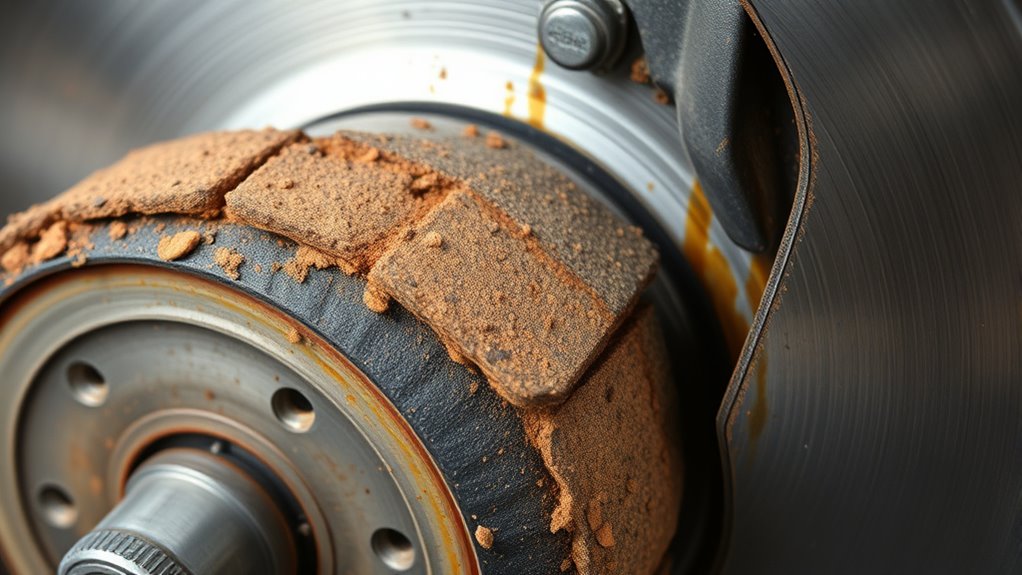
Rust-colored or reddish dust signals excessive wear or corrosion. That means your brake pads are likely worn out and need checking.
Excessive Dust Signals Issues
Excessive brake dust can be a clear sign that something’s wrong with your brake pads. When you see a heavy layer of dust on your wheels, it often points to brake pad wear or poor brake maintenance.
This dust comes from brake pad material grinding away faster than it should, which can reduce your braking efficiency and even cause damage to your braking system. Regularly inspecting and cleaning off brake dust helps you catch issues early and keeps your stopping power reliable.
If the dust buildup gets out of hand, it’s a good idea to have your brakes checked by a professional. Addressing the root cause early can save you from more costly repairs and keep your brake system working smoothly.
Texture Reveals Brake Quality
When examining brake dust, the texture can tell you a lot about how well your brake pads are performing. Texture analysis helps identify friction performance and potential wear issues.
Smooth, fine dust shows your brake pads are working properly and providing good friction. Coarse or gritty dust, on the other hand, suggests excessive wear or poor material quality.
If the dust looks flaky or uneven, it could mean uneven pad wear or glazing. Keep an eye out for these textures:
- Fine, powdery dust: Indicates healthy, well-functioning brake pads with consistent friction.
- Coarse, gritty residue: Signifies worn pads or compromised friction performance.
- Flaky or uneven deposits: Suggests uneven wear or glazing, which could affect stopping power.
Inspect Your Brake Pads for Wear and Damage
To see if your brake pads are worn out, start by visually checking them for any damage or thinning. Remove the wheel if you need a clear view of the pads.
Look at the brake pad material; it should have at least a quarter-inch of friction material left. If you spot exposed metal or the pad looks very worn down, it’s time to replace them.
Check for cracks, glazing, or uneven wear patterns, which can affect how well your brakes work. Also, look for scoring or grooves on the rotor surface, as these often come with worn pads.
While a visual check is simple, it’s important to do it regularly to catch issues early. Remember, thin or damaged brake pads can be unsafe and might lead to more costly repairs if you ignore them.
Regular inspections help keep your vehicle’s braking system in good shape and ensure safe driving.
When Should You Get a Professional Brake Inspection?
You should consider getting a professional brake inspection if you start noticing things like squealing sounds, your brakes feeling less responsive, or a pulsating sensation when you press the pedal. These are signs that something might be going on and it’s best to have it checked out before things get worse.
Even if everything seems okay on the surface, it’s a good idea to schedule regular inspections—about once a year. This way, any potential issues can be caught early, saving you money and keeping you safe. Don’t wait until your brakes actually fail; staying proactive with these checks is the best way to stay safe on the road.
Signs of Brake Wear
Recognizing the signs of brake wear early can prevent costly repairs and keep you safe on the road. Pay attention to warning signs that might mean your brake pads are getting worn down. Here are three common indicators:
First, you might hear squealing or screeching noises whenever you brake. That usually means your brake pads are worn out and need attention.
Next, if your brake pedal feels soft or spongy, it could mean your braking efficiency has decreased.
Finally, vibrations or pulsations in the brake pedal often point to uneven brake pad wear or rotor damage.
If you notice any of these signs, it’s a good idea to get your brakes checked by a professional. Addressing these issues early helps ensure your brakes work well and can save you from bigger repairs later on.
Regular Inspection Schedule
Regular brake inspections are essential for maintaining safety and performance, especially since brake components can wear out gradually without obvious signs. To stay ahead of potential issues, follow a proper inspection schedule—typically every 10,000 to 15,000 miles or at least once a year.
Incorporate brake maintenance tips like checking brake fluid levels and listening for unusual noises. A professional brake inspection can spot early signs of wear before they turn into serious problems.
Pay attention to your driving habits, as frequent stop-and-go traffic or heavy loads might require more frequent checks. Regular inspections help you catch worn brake pads early, keeping you safe and avoiding costly repairs.
Prioritizing scheduled brake maintenance ensures your vehicle runs smoothly and keeps you safe on the road.
How Your Driving Habits Affect Brake Pad Life
Driving habits really play a big role in how quickly your brake pads wear out. Aggressive driving, like sudden stops and rapid acceleration, speeds up brake wear because you’re constantly applying force.
On the other hand, smooth braking helps reduce stress on your brake system. Your usual driving environment also makes a difference:
- City driving with lots of stops and heavy loads wears out pads faster.
- Highway cruising at steady speeds helps brake pads last longer.
- Poor vehicle maintenance and rough roads, especially in bad weather, can cause uneven wear.
Your speed and road conditions also affect how hard your brakes work. Heavy traffic and hilly terrain mean more frequent braking, which speeds up pad deterioration.
To keep your brake pads in good shape longer, try braking gently, maintaining steady speeds, and taking care of your vehicle.
Tips to Extend the Life of Your Brake Pads
To make your brake pads last longer, simple maintenance habits can make a big difference. Regularly check your brake fluid and keep it at the recommended level, as contaminated fluid can speed up brake wear.
Brake maintenance also means inspecting your brake pads and rotors periodically for signs of wear or damage. Adjusting your driving style is key—avoid sudden stops and heavy braking whenever possible. Instead, try to anticipate traffic flow and brake gradually.
Keep your vehicle properly aligned and make sure your tires are inflated to the correct pressure. This reduces unnecessary strain on your brakes. Using engine braking on downhill slopes can also lessen the load on brake pads and help extend their lifespan.
Finally, schedule routine brake inspections with a professional, especially if you notice squealing or decreased performance. These simple steps help you maximize your brake pads’ lifespan and improve overall safety.
Frequently Asked Questions
Can Worn Brake Pads Affect Other Braking System Components?
Yes, worn brake pads can affect other braking system components. When brake pads are thin, they might trigger brake pad indicators, signaling that it’s time for a replacement.
If you ignore these signals, the excessive wear can damage rotors, calipers, and even the brake lines. This can lead to costly repairs down the road.
Regular brake system maintenance helps catch worn pads early. This way, you can prevent further damage and keep your braking system functioning safely and efficiently.
What Are the Risks of Driving With Worn Brake Pads?
Driving with worn brake pads is like sailing without a sturdy rudder—your control diminishes, risking brake performance. You face safety concerns, including longer stopping distances and potential brake failure.
Worn pads can also damage rotors, which means costly repairs down the line. Ignoring signs of brake wear puts you and everyone around you in danger.
Always address brake issues promptly. Keeping your brake pads in good shape helps your vehicle stay responsive and keeps your journey safe.
How Often Should Brake Pads Be Replaced for Optimal Safety?
You should replace your brake pads roughly every 25,000 to 70,000 miles, depending on your driving habits and the lifespan of your brake pads.
Keep an eye out for signs that it’s time for a change, like squealing noises, reduced braking power, or thinner pad surfaces.
Regular inspections help catch these signs early, making sure your brake system works well and keeps you safe on the road.
Don’t wait too long to replace worn brake pads to avoid safety issues.
Do Different Types of Brake Pads Wear Out at Different Rates?
Yes, different types of brake pads wear out at different rates. Ceramic pads tend to last longer because they’re softer and produce less brake dust, but they can wear faster under heavy braking.
Metallic pads are more durable and better for aggressive driving, but they tend to wear out quicker and cause more brake noise. Your driving habits and conditions also play a role in how quickly each type wears.
How Can I Tell if Brake Pads Are Causing Brake Fluid Leaks?
Think of your brake system as a delicate dance, where brake pads and fluid work in harmony. If you notice a fluid leak sign—puddles under your car or a spongy brake pedal—it might be caused by worn brake pads pressing against the caliper, causing a leak.
To confirm, do a brake pad inspection for uneven wear or damage around the caliper area, and look for any signs of fluid escaping.
Conclusion
So there you have it—your ultimate guide to spotting worn brake pads before they turn your car into a runaway train.
Keep up with inspections, mind your driving habits, and maybe, just maybe, avoid that embarrassing screech in front of your friends.
Remember, neglecting your brakes isn’t just a bad idea; it’s a surefire way to turn your daily drive into an unplanned stunt show.
Stay safe, stay savvy, and keep those brake pads happy!