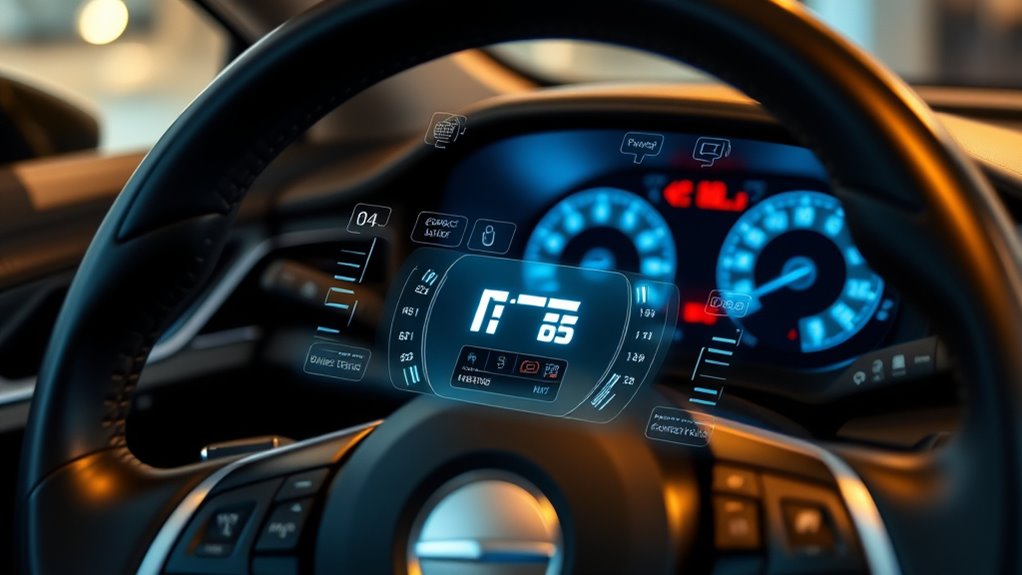
How Electric Power Steering Works: Evolution, Advantages, and Innovations
Feeling overwhelmed by how heavy and unresponsive traditional steering systems can be? You’re not alone—many drivers struggle with steering that feels clunky or tiresome, especially during long drives or tight turns.
Electric Power Steering (EPS) uses an electric motor and sensors to assist your steering, replacing traditional hydraulic systems. Over time, EPS has evolved from heavier and less efficient hydraulic setups to lighter, more responsive electronic systems that boost fuel economy and driving comfort.
Innovations like high-resolution sensors and adaptive controls elevate safety and performance.
As EPS continues to develop, you’ll discover how these advancements make steering smarter, easier, and more reliable—just keep exploring to learn more.
Key Takeaways
- EPS uses an electric motor and sensors to help with steering, replacing the old hydraulic systems.
- The system has shifted from hydraulic to electric, which means better fuel efficiency and more precise control.
- Its main parts include sensors, a control unit, and a motor that adjust the steering effort on the spot.
- New innovations like high-res sensors and autonomous tech make steering safer and more responsive.
- EPS offers benefits like less maintenance, better energy use, customizable steering feel, and improved vehicle stability.
What Is Electric Power Steering and How Does It Work?
Electric power steering (EPS) is a system that helps you steer your vehicle more easily by using an electric motor instead of traditional hydraulic fluid. It makes steering more responsive and makes your driving experience smoother and more precise.
When you turn the wheel, sensors detect your input and send signals to the motor, which provides the necessary assistance. This setup allows for quick adjustments, giving you a more connected feel to the road.
You’ll notice better torque feedback because EPS can simulate the resistance you’d feel with hydraulic systems. This helps you better gauge road conditions and improves overall control.
Since it uses an electric motor, EPS is more efficient, reducing energy consumption. It also enables features like variable assistance based on speed, making steering lighter at low speeds and more stable at high speeds.
How Has Steering Technology Evolved From Hydraulic to Electric?
Steering technology has undergone a big change over the years, moving from hydraulic systems to modern electric solutions. At first, steering mechanics relied on hydraulic power, which used fluid pressure to help turn the wheels. This setup dominated for decades, providing smooth assistance but consuming a lot of energy.
As vehicles needed to become more efficient and responsive, engineers developed electric power steering (EPS). EPS uses an electric motor connected to the steering mechanism, eliminating the need for hydraulic fluid and pumps. This makes the system more precise, improves fuel economy, and works well with advanced driver-assist systems.
Over time, improvements in electric motors and sensors have made EPS more responsive and adaptable. Today, the switch from hydraulic to electric steering reflects a move toward lighter, energy-efficient, and smarter vehicle systems. This evolution is a major milestone, boosting safety and the overall driving experience.
What Are the Main Components of an EPS System?
The shift to electric power steering has led to a design that relies on several key components working together seamlessly. At the core is the electric motor, which provides the necessary assistance to turn the wheels.
Torque sensors are important because they detect how much force you’re applying to the steering wheel. They send this information to the system’s control unit.
This control unit processes the data and decides how much extra torque the motor should deliver. It helps make steering feel natural and responsive.
The steering feedback mechanism ensures you feel connected to the road, giving you a more natural steering experience. A control module manages communication between sensors, the motor, and other electronic parts.
It optimizes assistance based on driving conditions, making your steering smoother and easier. Wiring and electronic connectors link everything together, allowing data and power to flow smoothly.
All these components work together to improve steering responsiveness, reduce effort, and increase safety. This makes your driving experience more comfortable and precise.
How Do Sensors and Motors Help EPS Assist Steering?
Sensors and motors work together to make steering easier and more responsive. Sensor technology detects your steering input, road conditions, and vehicle speed, providing real-time data to the system.
This information allows the electric power steering (EPS) to adjust assistance precisely when you need it, whether you’re making sharp turns or cruising straight. The sensors also monitor factors like torque and wheel position, ensuring smooth operation and safety.
Meanwhile, motor efficiency plays a vital role in delivering the right amount of assistance without wasting energy. High-efficiency motors convert electrical energy into mechanical movement more effectively, reducing power consumption and boosting overall system performance.
This teamwork between sensors and motors results in a steering experience that feels natural, responsive, and effortless. By adapting to driving conditions constantly, sensor tech and motor efficiency help EPS systems improve comfort, safety, and fuel economy.
Why Is EPS Beneficial for Drivers and Car Manufacturers?
Electric Power Steering, or EPS, makes driving a lot smoother and more comfortable. It feels more responsive and easier to handle, which really enhances your overall driving experience.
For car manufacturers, EPS is a win because it helps lower maintenance costs and improves fuel efficiency. Plus, it’s a smart choice for both drivers and the automotive industry because of these benefits.
Enhanced Driving Comfort
Because it adjusts steering effort based on your speed and driving conditions, electric power steering (EPS) greatly improves driving comfort. It makes steering smoother and more responsive, reducing physical effort and enhancing driving ergonomics.
As a driver, you benefit from a better experience, feeling more connected and confident behind the wheel. EPS offers several advantages:
- Consistent steering feel, no matter your speed or the road conditions.
- Customizable responses to match your personal preferences.
- Less driver fatigue during long drives or in city traffic.
These features ensure comfortable handling, making daily driving less tiring and more enjoyable. For manufacturers, EPS’s ability to optimize ergonomics and user experience helps create safer, more appealing vehicles. Ultimately, it boosts overall driving comfort for everyone.
Reduced Maintenance Costs
One of the key benefits of electric power steering (EPS) is its potential to lower maintenance costs over the vehicle’s lifespan. Unlike traditional systems, EPS has fewer moving parts, which means less wear and fewer repairs.
This makes it a cost-effective solution for both drivers and manufacturers. Maintenance trends show that electric systems need less fluid, fewer belts, and minimal routine servicing, cutting ongoing expenses.
Plus, EPS’s efficiency means fewer components are under stress, helping them last longer. For drivers, this means fewer visits to the mechanic and lower repair bills.
For car makers, it simplifies production and reduces warranty costs. Overall, EPS is a smart choice for reducing maintenance costs.
Improved Fuel Efficiency
With fewer moving parts and less fluid to manage, electric power steering systems operate more efficiently than traditional setups. This improved efficiency helps boost fuel economy by reducing energy use. EPS systems only activate when steering assistance is needed, avoiding unnecessary power drain.
Torque optimization ensures energy is used precisely, providing help without wasting fuel. This way, the system helps save energy during driving.
Here are three ways EPS benefits drivers and manufacturers:
- It minimizes engine load, leading to better mileage.
- It reduces strain on the engine, lowering overall fuel consumption.
- It enables smarter power management, conserving energy during drives.
All these features make EPS a key player in achieving better fuel efficiency and eco-friendly vehicle designs.
What Are the Latest Innovations in Electric Power Steering?
Recent innovations in electric power steering are really exciting, especially with the latest advances in sensor technology. These new sensors are incredibly responsive and accurate, making the steering feel more natural and precise. They work seamlessly with autonomous driving systems, helping to improve vehicle safety and handling.
All of this means your driving experience is becoming smoother and more intuitive than ever before. It’s like the car is almost reading your mind, adjusting effortlessly to your every turn and move.
Advanced Sensor Technologies
Advancements in sensor technology are transforming electric power steering systems, making them more responsive and accurate than ever before. Modern sensors enable precise calibration, ensuring the system reacts correctly to driver inputs.
They also facilitate adaptive feedback, allowing the steering to adjust based on driving conditions and vehicle speed. To improve performance, recent innovations include:
- High-resolution torque sensors for better detection of steering effort.
- Multi-axis sensors that monitor multiple directions for enhanced precision.
- Smart calibration algorithms that continually optimize sensor accuracy during operation.
These innovations lead to smoother handling, improved safety, and a more intuitive driving experience. They highlight how advanced sensor technologies continue to push the boundaries of electric power steering.
Integration With Autonomous Systems
As autonomous driving technology advances, electric power steering systems are increasingly integrated with vehicle automation features to improve safety and driving comfort. Modern electric power steering units work seamlessly with autonomous navigation systems, enabling precise control during self-driving modes.
Advanced steering algorithms process data from sensors and cameras, adjusting steering responses in real-time for optimal handling. This integration allows vehicles to execute complex maneuvers like lane changes or obstacle avoidance with minimal driver input.
Innovations include predictive steering adjustments that anticipate road conditions and adaptive feedback systems that enhance stability. By combining electric power steering with autonomous systems, manufacturers create safer, more reliable vehicles that adapt to different environments and driving scenarios effortlessly.
What Challenges Does EPS Technology Face?
Electric Power Steering (EPS) technology faces several challenges that can impact its reliability and performance. One main issue is EPS limitations, like sensor sensitivity and motor durability, which can affect how it feels and how long it lasts.
EPS limitations, such as sensor sensitivity and motor durability, directly impact vehicle feel and longevity.
The speed of technology adoption also varies across manufacturers, which slows down widespread use. Companies often face costs and integration hurdles that make quick adoption difficult.
Market competition pushes firms to innovate fast, but this sometimes leads to rushed designs that might compromise reliability. As engineers add more electronic parts, the system becomes more complex, increasing the risk of failures and making maintenance harder.
In short, the key challenges are:
- Overcoming EPS limitations related to sensors and motors.
- Managing slow adoption due to costs and integration issues.
- Handling market pressures that push for rapid innovation, sometimes at the expense of stability and simplicity.
Addressing these hurdles is essential to ensure EPS remains a reliable, affordable, and widely used steering solution.
How Does Electric Power Steering Compare to Hydraulic and Mechanical Systems?
How does electric power steering (EPS) stack up against traditional hydraulic and mechanical steering systems? EPS generally offers better steering performance because it provides precise, responsive control with minimal effort from the driver.
Unlike hydraulic systems that rely on fluid pressure and can feel heavy or inconsistent, EPS adjusts assistance instantly based on speed and driving conditions. This gives you a smoother, more comfortable experience.
Mechanical systems, while simple and reliable, lack the adaptability of EPS. EPS can fine-tune assistance electronically, making steering feel more natural and responsive.
In terms of reliability, EPS has advantages because it has fewer mechanical parts and requires less maintenance. Hydraulic systems involve pumps, hoses, and fluid, which increases the risk of leaks or failures over time.
Mechanical systems are durable but can wear out or become stiff. Overall, EPS combines improved steering performance with better system reliability, making it a more efficient and dependable choice for modern vehicles.
How Does EPS Improve Vehicle Safety and Fuel Efficiency?
Since EPS provides precise and responsive control, it makes steering more reliable and easier to handle in different driving conditions. This improved stability helps you stay in control on curves, slippery roads, or during sudden maneuvers.
As a result, the risk of accidents is reduced, and you’ll feel more confident behind the wheel. EPS also supports safety features like lane-keeping assist and collision avoidance by delivering accurate steering inputs.
Here’s how EPS boosts safety and fuel efficiency:
- It reduces driver fatigue, helping you stay focused on long drives.
- It enhances steering responsiveness, so you can react quickly to road hazards.
- It uses less energy than traditional systems, leading to better fuel economy.
What Are the Emerging Trends Shaping the Future of EPS?
Advances in technology are bringing big changes to the future of EPS, with new innovations making steering systems smarter, safer, and more efficient. One major trend is the development of smart steering systems that adapt in real time to driving conditions.
These systems use adaptive algorithms to optimize steering response, which improves both comfort and safety. Autonomous vehicles depend heavily on these innovations, integrating EPS with sensors and AI for precise control.
| Smart Steering Features | Benefits |
|---|---|
| Adaptive algorithms | Customize steering feel and response |
| Integration with sensors | Enhance safety and vehicle control |
| Automated adjustments | Improve driving comfort and efficiency |
Frequently Asked Questions
How Does Electric Power Steering Impact Vehicle Maintenance Costs?
Electric power steering reduces your vehicle’s maintenance costs by making steering more efficient and cutting down on the need for frequent repairs. Since it has fewer moving parts than traditional systems, you save money over time.
You won’t have to worry as much about fluid leaks or belt replacements, which makes your vehicle more reliable and cheaper to keep in good shape. This innovation ultimately helps you save on ongoing maintenance costs.
Can EPS Systems Be Customized for Different Driving Styles?
Think of your EPS system as a tailored suit, fitting your driving style perfectly. Yes, you can customize it to match your preferences.
You can adjust steering sensitivity for tighter turns or a lighter feel, making driving more responsive. Whether you want a sporty feel or easier maneuvering, customization helps your EPS adapt seamlessly.
This personalized approach keeps your driving experience comfortable, responsive, and engaging, just like a suit made exactly for you.
What Role Does Software Play in Modern EPS Systems?
Software plays an essential role in modern EPS systems by managing sensor integration and providing precise torque feedback. It processes data from sensors that monitor steering angle, vehicle speed, and driver input, then adjusts motor assistance accordingly.
This real-time control improves steering responsiveness and safety. Thanks to advanced software algorithms, you get smoother handling and better customization options, making your driving more comfortable and adaptable to various conditions.
How Do Environmental Factors Affect EPS Performance?
You might find that subtle environmental factors influence your EPS performance. Temperature effects can make steering feel more responsive or stiff. Humidity influence might cause slight delays in system signals.
Challenging road conditions, like uneven surfaces or wet roads, put extra pressure on the system. Vehicle weight can also alter steering effort. Overall, these factors gently shape how smoothly and accurately your EPS responds to your commands.
Are There Any Safety Concerns With Electric Power Steering Failures?
Yes, there are safety concerns if your electric power steering (EPS) fails. Failure modes like electrical faults can cause a sudden loss of steering assistance, making it harder to control your vehicle.
To help reduce these risks, manufacturers include safety features like alert warnings and manual steering fallback modes. Regular maintenance and quick diagnostics are key to keeping your EPS system reliable.
Staying on top of these checks helps prevent unexpected failures and keeps you safer on the road.
Conclusion
Electric power steering is changing the way you drive, making handling smoother and improving fuel efficiency.
As technology advances, it’s like upgrading from a bicycle to a rocket—more efficient, smarter, and safer.
Embracing these innovations means you’re steering into a future where every turn feels effortless and secure.
So, buckle up and get ready to navigate the roads ahead because EPS is guiding you toward a brighter, more connected driving experience.