Uncover the Best Cleaner for Cloth Car Seats Now
Are you tired of staring at stained or dirty cloth car seats and feeling unsure how to clean them effectively? Many people struggle with finding the right cleaner that truly gets rid of stains without damaging the fabric.
You’re not alone—keeping your car seats looking fresh can be tricky.
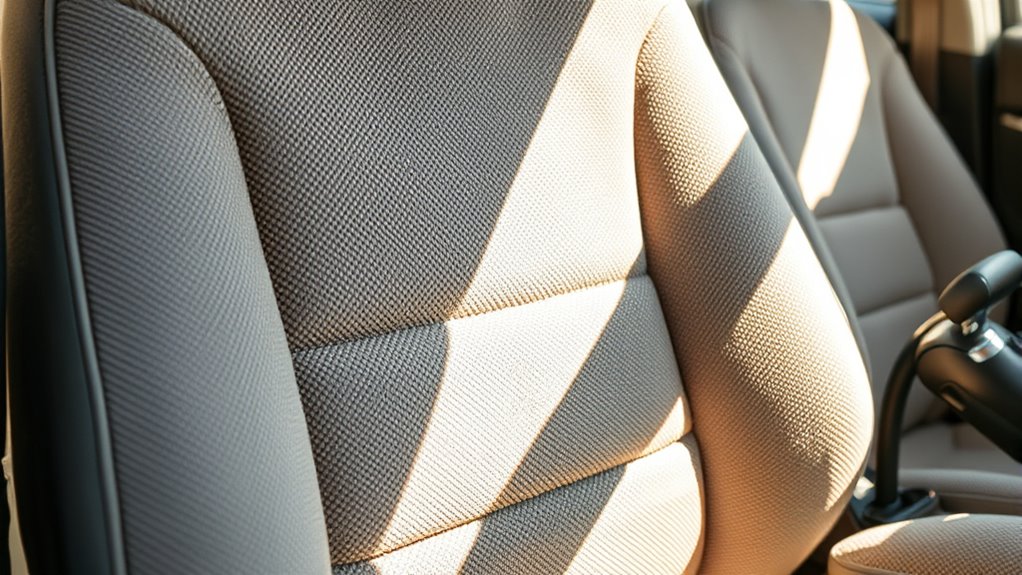
To uncover the best cleaner for your cloth car seats now, focus on choosing a product that matches your fabric type, such as microfiber or polyester, and check its label for compatibility.
Opt for effective formulas like enzymatic solutions for organic stains or heavy-duty options for mud and dirt.
Always test in a hidden corner first and follow proper cleaning techniques.
Keep your seats looking fresh by exploring more tips and product suggestions ahead.
Key Takeaways
- Choose a cleaner compatible with your fabric type (polyester, nylon, microfiber) and test it on a hidden area first.
- For stubborn stains like mud, grease, or organic spills, go for enzymatic or heavy-duty formulas.
- Look for quick-acting, easy-to-apply solutions that require minimal effort but deliver good cleaning power.
- Use natural, eco-friendly cleaners for regular maintenance, and save chemical cleaners for tough stains.
- Make sure to vacuum thoroughly, lightly spray the cleaner, and blot stains promptly for the best results.
How to Choose the Best Cleaner for Cloth Car Seats
Are you unsure how to pick the right cleaner for your cloth car seats? First, consider your fabric types. Different materials like polyester, nylon, or microfiber respond better to specific cleaning methods. Check the cleaner’s label to make sure it’s suitable for your seat fabric.
Next, think about how often you clean your seats. If they get heavy use or stains often, choose a product that’s effective for regular maintenance without damaging the fabric. For occasional cleaning, a gentle stain remover might do the trick.
If you’re cleaning more often, go for a versatile product that prevents dirt from building up and keeps your seats looking fresh. Always test a small, hidden area first to avoid discoloration or damage.
Top Cloth Car Seat Cleaners of 2023
Looking for the best cloth car seat cleaners of 2023? Well, you want something that really gets rid of stains without making things complicated. Nobody wants to spend hours scrubbing, right? So, it’s all about finding products that are easy to use and don’t take forever to do their job.
When shopping around, keep an eye out for cleaners that strike the perfect balance—powerful enough to tackle tough spots but simple enough to apply with just a few sprays or wipes. After all, the goal is to make your car look fresh and clean without any hassle.
Effectiveness on Stains
In 2023, the top cloth car seat cleaners really stand out for their ability to tackle stubborn stains effectively. They’re great at removing stains and breaking down grime and discoloration with ease.
When comparing cleaners, look for products that go deep into fabric fibers and lift stains without damaging the material. These cleaners often feature enzymatic formulas that target organic stains like food and drinks.
They also have heavy-duty solutions for mud and dirt, along with gentle agents for everyday spills. Quick-acting formulas are available for fast results, making cleanup faster and easier.
Ease of Use
Despite the variety of formulas out there, the easiest cloth car seat cleaners of 2023 focus on being simple to use. They make cleaning straightforward with clear instructions and minimal effort.
Look for cleaners that don’t need complicated tools or long procedures. This way, it’s easier to keep your car seats looking good on a regular basis.
Think about how often you clean your seats. Products that work quickly and effectively help you stick to your routine without hassle.
It’s also important to pick a cleaner that’s compatible with your seat fabric. This helps avoid damage or ineffective cleaning results.
Many top-rated options come in spray bottles or foam formulas that are easy to apply and wipe away. This saves you time and effort.
Natural vs. Chemical Cleaners for Cloth Seats
Choosing between natural and chemical cleaners for cloth car seats depends on what matters most to you—safety, effectiveness, or environmental impact. Natural cleaners are eco-friendly and gentle on fabrics, helping to reduce chemical exposure.
They usually contain ingredients like vinegar, baking soda, or plant extracts, which work well for light stains and odors. On the flip side, chemical cleaners are designed for tougher stains and can give quick results, but they often have harsh substances that may damage fabric over time.
Picture this:
- Natural cleaners that are safe for kids and pets
- Chemical options that tackle stubborn grime fast
- Eco-friendly choices that lower your environmental footprint
- Products that help preserve fabric color and integrity
Your decision comes down to balancing safety and performance. Natural cleaners are more eco-conscious, while chemical ones pack a punch for deep cleaning.
How to Test a Cloth Seat Cleaner Safely
Before applying a cleaner to your cloth car seats, it’s important to test it on a small, hidden area first. This step helps prevent damage or discoloration.
Pick a discreet spot, like the underside of a seat or a seam, to check the cleaner’s effect. Apply a small amount and wait 10-15 minutes to see if anything changes.
While testing, wear gloves and make sure the area is well-ventilated for safety. If the fabric shows no fading, staining, or damage, you can go ahead and clean the seats.
If you notice any discoloration or harm, stop using that product immediately and try a different cleaner. Proper testing can save you from costly mistakes and keep your cloth seats looking great.
Always take your time and follow safety precautions for the best results.
Deep Cleaning Cloth Seats: A Step-by-Step Guide
Sure! Here’s a more conversational version of the text:
To really get your cloth seats looking their best, start by setting up your workspace so you can keep things tidy and avoid making a mess. Once everything’s ready, gently apply your preferred cleaning solution, making sure to cover all the spots without soaking the fabric too much. After cleaning, it’s important to dry the seats properly—this helps prevent mold and mildew from forming. When you follow these steps, your seats will come out fresh, clean, and spotless!
Preparing Your Workspace
Setting up your workspace properly is key for an effective deep clean of your cloth car seats. A well-organized area helps you work efficiently and avoids missing spots.
Start by clearing the space around your vehicle, removing any clutter. Make sure your cleaning supplies are within easy reach, like brushes, microfiber cloths, a vacuum, and cleaning solutions.
Keep these items organized on a nearby table or tray so you can grab what you need quickly. Good workspace organization keeps interruptions to a minimum and keeps your process smooth.
Here’s a quick visual:
- Clear the area around your car
- Gather all cleaning supplies beforehand
- Arrange tools within easy reach
- Make sure you have proper lighting for detailed work
This setup creates a focused, efficient environment for deep cleaning your cloth seats effectively.
Applying Cleaning Solutions
Begin by choosing the right cleaning solution for your cloth seats, like a fabric-specific upholstery cleaner or a mild mixture of water and gentle detergent.
Before applying, vacuum the seats thoroughly to remove loose dirt.
When it’s time to clean, follow the recommended cleaning frequency to avoid over-saturating the fabric.
Lightly spray or apply your chosen solution evenly across the seats, focusing on stained or heavily soiled areas.
Use a soft brush or microfiber cloth to gently work the solution into the fabric, making sure it penetrates deep into the fibers.
Remember, applying the solution properly is key to cleaning effectively without damaging the material.
Avoid oversaturating the fabric, as excess moisture can lead to mold or mildew.
Keep your cleaning controlled and consistent for the best results.
Proper Drying Techniques
After cleaning your cloth seats, proper drying is essential to prevent mold, mildew, and lingering odors. To ensure thorough moisture control, choose the right drying methods.
Air drying works well if you park your car in a well-ventilated area or crack the windows open. Using fans or a portable dehumidifier speeds up moisture removal, especially in humid environments.
Blot excess water with microfiber towels to reduce drying time and avoid saturation. You can also use a hairdryer on a cool setting for targeted drying, just be careful not to use heat to prevent damage.
Remember, complete drying is key to preventing mold growth and keeping your seats fresh.
Visualize your process:
- Air drying in a breezy spot
- Using fans or dehumidifiers
- Blotting with microfiber towels
- Cool hairdryer blasts
Proven Tips to Remove Tough Stains From Cloth Seats
Tough stains on cloth car seats can be stubborn, but with the right approach, you can remove them effectively. Start by acting quickly—blot the stain with a clean cloth to absorb excess liquid.
Use proven stain removal techniques, like applying a mixture of mild detergent and water, then gently scrubbing. For persistent stains, consider fabric protection options like Scotchgard, which can help prevent future stains.
Incorporate stain prevention techniques into your routine, such as avoiding eating in your car or using seat covers. Regular cleaning and prompt action are key to keeping your seats spotless.
Here’s a helpful table to guide you:
| Stain Type | Removal Tip | Fabric Protection Option |
|---|---|---|
| Coffee/Tea | Blot, then use a vinegar solution | Seat covers or sprays |
| Grease/Oil | Apply baking soda, then vacuum | Fabric protectors |
| Mud/Dirt | Let dry, then vacuum & clean | Waterproof seat covers |
| Juice/Colored Stains | Use a stain remover designed for fabrics | Stain-resistant fabric sprays |
Common Mistakes That Damage Cloth Car Seats
Using harsh cleaners on your cloth seats can actually damage the fabric, so it’s best to go for gentle products. You might think scrubbing harder will get rid of stains faster, but in reality, it can wear down the material over time.
And don’t forget—before using any cleaner on the whole seat, it’s a good idea to test it on a small, hidden spot first. That way, you can make sure it won’t cause discoloration or other surprises.
Using Harsh Cleaners
Many people underestimate the damage harsh cleaners can cause to cloth car seats. Using strong chemicals might seem effective, but it often does more harm than good.
These cleaners can weaken fibers, fade colors, and cause uneven wear. When you opt for aggressive formulas, you risk stripping away essential oils from the fabric. This makes the seat more prone to stains and deterioration.
Imagine faded, discolored patches on your seat fabric. Fibers can break down and thin out over time. Sticky residue might attract more dirt, and unpleasant chemical odors can linger after cleaning.
Instead of risking damage, choose gentle, fabric-safe cleaners. They help preserve the seat’s integrity and look. Harsh cleaners may seem like a quick fix, but they often cause long-term harm.
Excessive Scrubbing Damage
Scrubbing your cloth car seats too aggressively can quickly cause damage that’s hard to repair. Excessive scrubbing speeds up fabric wear, thinning the material and making it more prone to tears or holes.
Instead of scrubbing vigorously, use gentle circular motions with a soft brush or cloth. Harsh scrubbing can remove the protective fibers, leading to dullness and uneven wear.
You might think more effort cleans better, but it actually weakens the fabric’s structure. Patience and gentle cleaning are key to keeping your seats looking good and lasting longer.
If you notice stubborn dirt, let a cleaning solution sit for a few minutes before lightly agitating the area. Avoid overdoing it—your cloth seats will thank you for the careful approach.
Ignoring Spot Testing
Even if you’re eager to clean your cloth car seats quickly, skipping spot testing can cause unexpected damage. Spot testing is essential to check fabric compatibility before applying any cleaner broadly.
Without it, you risk discoloration, fabric weakening, or permanent stains. Imagine spraying a strong cleaner and noticing a color change or fabric texture change—damage that’s hard to reverse.
To avoid this, test a small, hidden area first. This simple step helps confirm the cleaner’s safety and effectiveness.
- Discoloration or fading
- Fabric stiffening or weakening
- Unanticipated staining
- Texture changes or fabric damage
How to Maintain Clean and Fresh Cloth Seats
Maintaining clean and fresh cloth seats requires regular attention and proper techniques. Start by implementing seat protection measures, like using seat covers or applying fabric protectors, to prevent stains and dirt buildup. Regular vacuuming is key; it removes loose debris that can embed into the fabric over time.
When cleaning, opt for gentle fabric care products designed specifically for cloth seats. Avoid harsh chemicals that can damage the material. Spot clean stains immediately with a mild cleaner, using a soft cloth or brush to lift dirt without spreading it.
To keep your seats smelling fresh, consider applying a fabric refresher spray periodically. Avoid eating or drinking in the car to minimize messes. Consistent maintenance not only preserves the appearance but also extends the lifespan of your cloth seats.
Ensuring your seats stay comfortable and inviting is simple but essential. Proper care keeps your car’s interior looking and feeling its best.
DIY Cleaning vs. Professional Services: Which Is Better?
Deciding between DIY cleaning and professional services for your cloth car seats depends on your budget, time, and how clean you want them. DIY methods can save you money and give quick results, but they might not handle deep stains or odors that pros can tackle.
If you go the DIY route, you’ll mostly use household cleaners, scrub brushes, and steam cleaners. These work well for light to moderate dirt but might not be enough for tougher stains.
Professional services use advanced equipment, specialized cleaning agents, and expert knowledge to thoroughly sanitize and restore your seats. They’re great for stubborn stains and deep cleaning.
Think about using DIY for quick, routine cleanings, and calling in professionals for tough stains. DIY can save money but may not get the best results, while pros offer maximum cleanliness and longer-lasting results.
Your choice depends on how deep you want to clean and how much time and money you’re willing to invest.
Final Tips for Keeping Your Car’s Cloth Seats Spotless
To keep your cloth seats looking their best, regular maintenance is key. Start with seat protection—use seat covers or fabric treatments to guard against spills and stains. Maintain a consistent cleaning schedule: vacuum weekly and spot clean as needed.
Incorporate stain prevention habits, like quick responses to spills, to avoid deep-set marks. For interior care, consider odor removal methods such as baking soda or specialized sprays to keep the space fresh.
Here’s a quick visual:
| Seat Protection | Fabric Treatments | Regular Maintenance |
|---|---|---|
| Seat covers | Waterproof sprays | Weekly vacuuming |
| Mats | Fabric protectors | Spot cleaning |
| Vacuum tools | Stain repellents | Deep cleaning periodically |
Frequently Asked Questions
Are There Any Eco-Friendly Cloth Seat Cleaners Available?
Yes, eco-friendly cloth seat cleaners are available. You can find products made with sustainable and natural ingredients that clean effectively without harsh chemicals.
These cleaners are designed to be safe for your car’s interior and better for the environment. Look for brands that are committed to sustainability, and you’ll find options that protect your seats while reducing your ecological footprint.
Switching to natural ingredients means a cleaner, safer space for you and the planet.
How Often Should I Clean My Cloth Car Seats?
You should clean your cloth car seats every 3 to 6 months to keep them looking good and smelling fresh. Regular vacuuming is helpful for maintenance, but deep cleaning is key for removing stains and odors.
Think about using fabric protection options like stain guards to help keep your seats cleaner for longer. This routine makes future cleaning easier and keeps your interior comfortable and inviting for every drive.
Can I Use Household Items to Clean Cloth Car Seats?
Yes, you can use household items for stain removal and cleaning on cloth car seats, but be careful. Mix a small amount of dish soap or baking soda with water to make a gentle cleaning solution.
Test it first in a hidden spot to see how it reacts. Use a soft brush or cloth to scrub lightly, and avoid using too much moisture.
This way, you can clean effectively without risking damage to the fabric.
What Safety Precautions Should I Take During Cleaning?
To guarantee safety during stain removal and fabric protection, you should wear gloves and work in a well-ventilated area.
Test cleaning solutions on a small, hidden part of your seat first to prevent damage.
Avoid mixing household items, as this can produce harmful fumes. Keep children and pets away from the area during cleaning.
Always follow the cleaner’s instructions carefully for effective and safe stain removal.
Do Cleaners Leave Any Residue or Smell on Cloth Seats?
Good cleaning techniques help prevent residue or lingering smells on your cloth seats. Most cleaners are designed to rinse away easily, leaving no sticky residue or strong odors if used correctly.
For stain removal, always follow the product instructions carefully. You might want to use a cloth dampened with water to wipe away any remaining cleaner.
Ventilate your car afterward to help eliminate any residual smell. This will keep your seats feeling fresh and clean.
Conclusion
Keeping your cloth car seats spotless is like tending a garden—you need the right tools and consistent care. Remember when I thought a quick wipe would do the trick, only to find stains stubbornly lingering? Regular cleaning and choosing the right cleaner can make all the difference.
With the tips and products shared, you’ll turn your car’s interior into a fresh, inviting space. Think of it like a well-kept garden blooming season after season. Using the best cleaner for cloth car seats ensures your seats stay clean and fresh for the long haul.