Unveil the Top Choices: Best Tires for Jeep Compass
Are you tired of feeling unsure about which tires will give your Jeep Compass the best performance? You’re not alone—many drivers struggle to find the perfect balance between off-road capability and on-road comfort.
If you want the best tires for your Jeep Compass, consider all-terrain options for versatility and off-road adventures, or highway tires for a smoother, fuel-efficient ride on highways.
Look for tires that match your vehicle’s size and driving style, and prioritize features like good wet traction, durability, and tread life.
Keep an eye on tire maintenance to guarantee safety and peak performance.
Stay tuned, as your perfect tire match is just a few steps away.
Key Takeaways
- Consider all-terrain tires for versatile on and off-road performance suited to your Jeep Compass driving needs. These tires are great for handling different terrains without switching tires often.
- Make sure to check the owner’s manual or the tire sidewall for the right size compatibility. Proper fit is key for safety and optimal performance.
- Focus on tread patterns and rubber durability to get the best grip and longevity across various terrains. Good tires can make a big difference in your driving experience.
- Keep up with regular tire maintenance by checking tire pressure, rotating tires, and monitoring tread depth. This helps ensure safety and keeps your tires performing well.
- Replace your tires when the tread depth drops below 2/32 inches or if you notice sidewall damage, cracks, or signs of aging. This keeps you safe on the road.
Why Tires Matter for Your Jeep Compass’s Performance and Safety
Tires are a crucial part of your Jeep Compass because they directly affect how it performs and how safe it is. Proper tire pressure ensures your vehicle handles well, improves fuel efficiency, and helps prevent uneven wear.
Underinflated tires can lead to poor traction, longer stopping distances, and a higher risk of blowouts. Overinflated tires reduce grip and make the ride less comfortable.
Tread patterns are just as important—they decide how well your tires grip different surfaces. All-season tires usually have designs that balance wet and dry traction, while off-road tires have more aggressive patterns for tough terrain.
Choosing the right tread pattern helps prevent hydroplaning and keeps you safe in various weather conditions. Regularly checking tire pressure and inspecting tread depth keeps your tires in top shape.
Different Types of Tires for Jeep Compass: All-Terrain, Highway, and More
If you’re someone who loves hitting the dirt or exploring rough trails, all-terrain tires are definitely worth considering. They’re built to handle off-road adventures and tough surfaces, giving you better traction and durability when you need it most.
On the other hand, if most of your driving is on smooth roads or you’re planning long highway trips, highway tires are a great choice. They’re designed to provide a comfortable ride and good performance at higher speeds, making your drives more enjoyable.
Getting to know these different types of tires can really help you pick the perfect set that matches your driving style and needs.
All-Terrain Tire Features
All-terrain tires are built to handle a variety of surfaces, making them a versatile choice for Jeep Compass owners who want a good balance of on-road comfort and off-road capability.
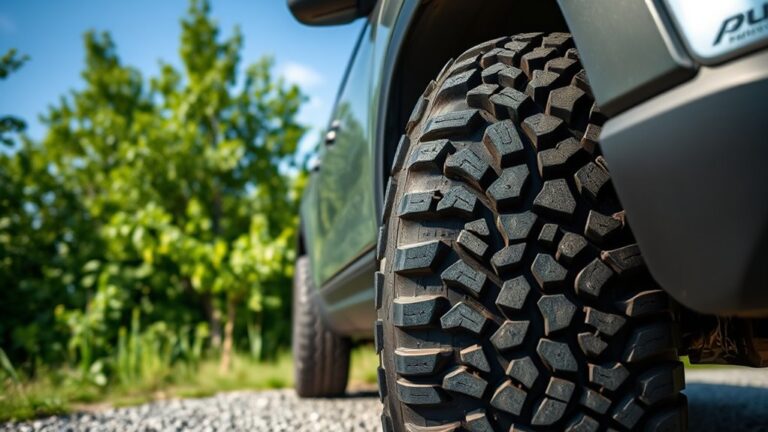
Their tread patterns combine large, aggressive blocks with deeper voids, giving you excellent traction on loose terrain while keeping the ride smooth on pavement.
Grip technology is key here, boosting your tires’ ability to grip different surfaces without sacrificing stability.
These features let you confidently take on dirt, mud, gravel, and rocky trails—all while enjoying a comfortable ride on highways.
All-terrain tires are designed for durability and versatility, so you can easily switch from city streets to outdoor adventures without changing your tires.
Their balanced design ensures you’re prepared for whatever terrain your journey takes you through.
Highway Tire Performance
While all-terrain tires excel off-road, highway tires are designed to maximize comfort, fuel efficiency, and quietness on paved roads. They provide excellent highway traction for a smooth, stable ride.
Wet performance is also a strong suit, giving you confident handling in rain or wet conditions. Plus, these tires reduce road noise for a quieter drive and help improve fuel economy with lower rolling resistance.
Here’s a quick comparison:
| Feature | All-Terrain Tires | Highway Tires | Performance Focus |
|---|---|---|---|
| Highway traction | Moderate | Excellent | Comfort and stability |
| Wet performance | Good | Very good | Safety in rain |
| Noise | Moderate | Low | Quiet ride |
| Fuel efficiency | Moderate | High | Cost savings |
| Off-road use | Yes | No | On-pavement focus |
What to Consider When Choosing Tires for Your Jeep
Choosing the right tires for your Jeep Compass isn’t just about picking a popular brand; you need to think about several important factors that match how you drive. First, consider your typical driving conditions—whether you mostly cruise on highways, city streets, or off-road adventures.
Select tires that match your driving conditions for optimal performance and safety.
Tire maintenance is crucial for safety and long-lasting performance, so look for tires that are easy to care for and suitable for changing seasons. Climate also matters—winter tires are best for cold weather, while summer tires work well in warm conditions.
Pay attention to tread patterns for good traction and durability, and make sure your tires can handle your cargo with the right load capacity. Your budget also plays a role—try to find a good balance between cost and quality for the best value.
Finally, think about your driving style. If you’re aggressive behind the wheel, you might need tires that respond quickly and give you more control. Keep these factors in mind, and you’ll find tires that keep your Jeep Compass performing well and safe all year long.
How to Find the Right Tire Size and Fit for Your Jeep Compass
Looking to find the perfect tire size for your Jeep Compass? It’s actually pretty simple—start by taking a close look at your current tires. Just check out the sidewall, and you’ll find the size details stamped right there.
But don’t just pick any tire that looks similar. Make sure the new tires match your vehicle’s specs. You can double-check this info in your owner’s manual or by reaching out to the manufacturer.
Getting familiar with tire codes is really helpful too. They tell you important details about the tire’s size and performance, making it easier to choose the right fit. That way, you’ll stay safe and enjoy the best possible ride on the road.
Identifying Your Tire Dimensions
Finding the right tire size for your Jeep Compass is key to ensuring good performance and safety. To get an accurate measurement, start by checking your vehicle’s tire sidewall for the tire specifications.
Look for details like the tire size, load index, and speed rating. You can also find this info in your owner’s manual or on the vehicle’s door jamb, where a size chart usually lists the recommended dimensions.
Using this info helps you choose tires that fit properly and meet safety standards. Keep in mind, mismatched tires can impact handling and fuel efficiency.
Always double-check the tire specifications before buying new tires to make sure they match your vehicle’s needs.
Checking Vehicle Compatibility
Wondering how to guarantee the tires you pick will fit your Jeep Compass perfectly? Start by checking your vehicle’s manual or the tire placard inside the driver’s door frame. This info reveals the recommended tire size and specifications, confirming proper fit and performance.
Don’t forget to consider your tire warranty. Choosing tires compatible with your vehicle helps protect your investment. Seasonal considerations also matter—some tires are designed specifically for winter, summer, or all-season use.
Matching the right tire size with seasonal needs ensures safety and ideal handling all year round. Always verify that the tire dimensions align with your Jeep’s requirements to avoid issues like rubbing or improper load support.
Taking these steps helps you select tires that fit well, last longer, and perform reliably.
Understanding Tire Code Significance
Understanding tire code significance is key to choosing the right size and fit for your Jeep Compass. Tire codes give you important details about size, load capacity, and speed rating. Knowing how to decode these codes helps ensure compatibility and safety.
The breakdown of tire codes shows what each part means. This helps you read tire sizes accurately and match them to your vehicle’s specifications. It’s essential for avoiding mismatched tires that can affect handling or cause damage.
Tire size is usually displayed as a series of numbers and letters. These indicate the width, aspect ratio, and diameter of the tire. The load index and speed rating tell you the tire’s capacity and maximum safe speed.
Understanding these details ensures you get the right fit and optimal performance. Being familiar with tire codes helps you make informed choices for safety and driving comfort.
Top All-Terrain Tires for Off-Road Adventures
When you head off the beaten path, choosing the right all-terrain tires can make a big difference in how well you handle rugged terrain and keep your traction.
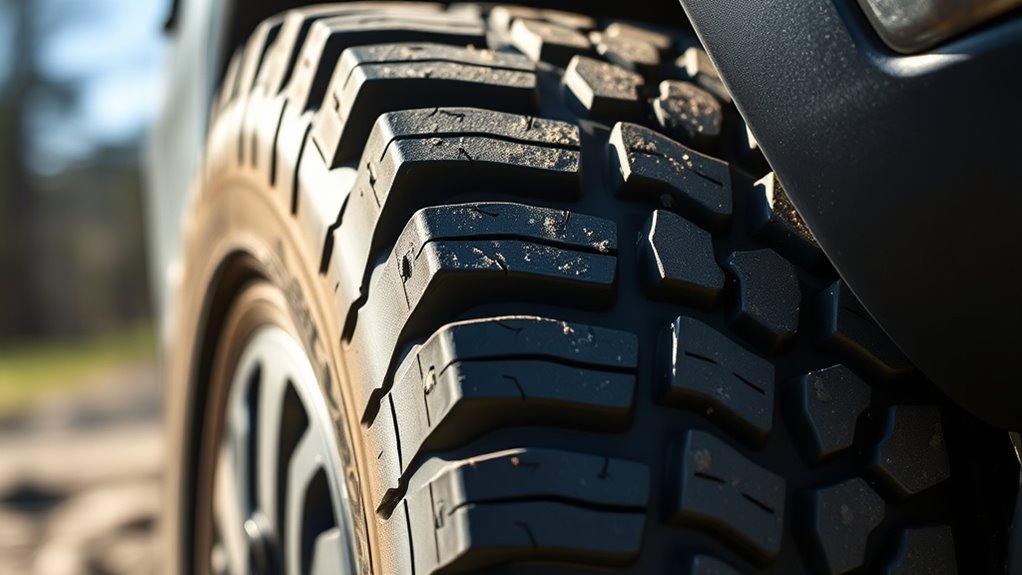
Top all-terrain tires are designed to give you great off-road grip without sacrificing too much comfort on the road. Look for tires with deeper treads and reinforced sidewalls to grip dirt, mud, and loose gravel effectively.
These tires usually have an aggressive tread pattern that helps you navigate tough terrains with confidence. Just keep in mind, off-road tires can be noisier—your ride might be louder compared to highway tires.
Some models include noise-reduction tech to make your off-road adventures less intrusive. Picking the right all-terrain tire is about balancing off-road ability with on-road comfort.
When making your choice, focus on durability, traction, and noise levels to ensure your Jeep Compass handles all kinds of terrains smoothly—whether you’re tackling rocky trails or muddy paths.
Best Highway Tires for Comfortable City and Long-Distance Drives
After exploring all-terrain options for off-road adventures, it’s clear that comfort and smooth handling on paved roads are just as important for daily driving and long trips. For highway tires that focus on driving comfort, look for options from well-known brands like Michelin and Continental.
These tires are designed to reduce road noise, improve fuel efficiency, and give you a cushioned ride on city streets and highways. Consider tires with advanced tread patterns and sidewall technologies that enhance stability and smoothness.
Long-distance drivers will benefit from tires that perform well over many miles without sacrificing comfort or safety. Look for models that maintain their performance and feel consistent on long drives.
Top quiet tire options come from brands like Michelin and Continental, known for quality. Low rolling resistance helps save fuel, and improved tread designs keep noise levels down.
Durable sidewalls also contribute to stability on long drives, making your ride smoother. Plus, all-season tires offer versatility so you can enjoy comfort year-round.
Comparing Popular Tire Brands for Jeep Compass
When you’re looking at popular tire brands for your Jeep Compass, it’s a good idea to think about how durable and long-lasting each one is. After all, you want tires that can stand up to your driving habits and last through different road conditions.
If you’re someone who loves hitting off-road trails or exploring unpaved paths, you’ll want to pay special attention to their off-road performance. Some brands are better suited for rugged terrain, giving you better traction and stability when you’re off the beaten track.
Ultimately, choosing the right tires depends on what kind of driving you do and your lifestyle. Taking a little time to compare these aspects can really help you pick the perfect set for your Jeep Compass.
Tire Durability and Longevity
Choosing the right tires for your Jeep Compass means thinking about how long they’ll last under different driving conditions. Durability depends on factors like tire materials and tread patterns, which affect wear resistance.
High-quality tire materials, such as reinforced rubber compounds, can help your tires last longer. Well-designed tread patterns promote even wear and improve durability.
Brands differ in how long their tires last, so it’s smart to compare warranties and read reviews. Look for tires with strong sidewalls and solid construction for added durability.
Off-Road Performance Capabilities
If you’re planning to take your Jeep Compass off the beaten path, it’s key to consider how different tire brands perform in rugged conditions. Off-road traction is essential for staying in control on loose dirt, mud, or rocky terrain.
Some brands really excel at terrain adaptability, gripping uneven surfaces with ease, while others might struggle. Look for tires with aggressive tread patterns and reinforced sidewalls built for off-road durability.
Brands like BF Goodrich and Falken make tires that deliver reliable off-road performance, so you can tackle tough terrains with confidence. The best tires balance off-road traction with terrain adaptability, letting you switch smoothly between paved roads and rugged trails.
Choosing the right tires not only boosts your Jeep’s capabilities but also keeps you safe in all kinds of off-road conditions.
Tips to Maintain and Extend the Life of Your Tires
Proper tire maintenance is essential to get the most out of your Jeep Compass’s tires and ensure safe driving. Regular care helps prevent uneven wear and extends their lifespan.
Start with consistent pressure checks. Under- or over-inflation can cause damage and reduce how well your tires perform. Check your tread depth often to make sure you have proper grip and safety.
Adjust for seasonal changes—switching tires or adjusting pressure for summer and winter conditions helps keep your vehicle performing at its best. Schedule alignment checks to prevent uneven wear caused by misalignment.
Keep your tires clean by removing debris and inspecting for any damage. When storing tires, keep them in a cool, dry place away from direct sunlight. Your driving habits also matter—smooth acceleration and braking help minimize tire wear.
Remember to rotate your tires every 5,000 to 8,000 miles for even wear. Regular pressure checks and monitoring tread depth are key to maintaining safe, long-lasting tires.
Signs It’s Time to Replace Your Jeep Tires
Knowing when to replace your Jeep tires is key to staying safe and keeping your vehicle performing well. If you notice your tire tread is worn down or uneven, it’s a clear sign it’s time for new tires.
Reduced tread depth means less grip, especially in wet conditions, which can increase your chances of accidents. Keep an eye out for uneven wear patterns like bald spots or scalloping, as these can point to alignment or suspension problems that affect handling.
Check your tires regularly for cracks, cuts, or bulges on the sidewalls. These damages weaken the tire’s structure and can be dangerous. Also, if your tires are over six years old, the rubber may have degraded even if they look fine.
Here’s a quick guide to help you know when it’s time to replace your tires:
| Sign | What to Look For | Impact on Safety |
|---|---|---|
| Worn tire tread | Tread depth below 2/32 inches | Reduced grip, longer stopping distance |
| Uneven wear patterns | Bald spots, scalloping | Poor handling, alignment issues |
| Cracks or bulges | Visible damage on sidewalls | Risk of blowout |
| Age over 6 years | Rubber degradation | Loss of durability |
Expert Recommendations for Different Driving Needs
Are you selecting tires that match your driving style and conditions? Knowing your needs helps you choose the right tires.
For off-road adventures, look for tires with deep tread depth to handle rough terrain. If you mainly drive city streets or highways, choose tires optimized for smooth, quiet rides.
For fuel efficiency, consider tires with lower rolling resistance, but don’t forget to maintain proper tire pressure to maximize longevity and safety. Regularly check tire pressure to prevent uneven wear and improve handling.
If you often carry heavy loads, select tires designed for load capacity and monitor tread depth to guarantee safety.
For winter driving, look for tires with specialized rubber compounds and tread patterns suited to snow and ice.
Frequently Asked Questions
How Often Should I Rotate My Jeep Compass Tires?
You should rotate your Jeep Compass tires every 5,000 to 7,500 miles to keep everything running smoothly. Regular rotation helps even out tread depth, which prevents uneven wear and extends your tires’ lifespan.
Keep an eye on the tread depth to spot early signs of uneven wear. If you notice differences, it’s a good idea to rotate your tires sooner.
Proper tire maintenance isn’t just about safety. It also improves fuel efficiency and helps your Jeep stay in great shape for longer.
What Is the Ideal Tire Pressure for My Jeep Compass?
Think of your Jeep Compass like a trusty steed. Proper tire pressure keeps it running smoothly.
The ideal pressure is usually 32-35 PSI. Always check your owner’s manual or tire sidewall for specifics.
Make it a habit to monitor your tire pressure regularly, especially before long trips or rough terrain.
Keeping your tires inflated correctly boosts safety, fuel efficiency, and tire lifespan.
This way, your adventures stay on the right track and your Jeep performs at its best.
Can I Use Winter Tires on My Jeep Compass Year-Round?
You can use winter tires on your Jeep Compass year-round, but it’s not recommended. Winter tires give you better traction and safety in snow and ice, but they wear out faster in warm weather.
For year-round driving, it’s better to consider all-season tires. They strike a good balance of performance and durability in different weather conditions.
Switching tires seasonally ensures you get the best safety and tire life for your Jeep.
How Do Tire Warranties Work for Jeep Compass Tires?
Tire warranties for your Jeep Compass usually cover defects in materials or workmanship. However, they don’t typically cover damage from improper tire maintenance or road hazards.
To get the most out of your warranty, make sure you follow proper tire care, like regular rotations and keeping the correct pressure.
Keep records of your tire maintenance and inspections, and report any issues promptly. This helps keep your warranty valid and ensures it can cover repairs or replacements when needed.
Are Run-Flat Tires Suitable for Jeep Compass Models?
Yes, run-flat tires are suitable for Jeep Compass models. They provide benefits like allowing you to drive a limited distance after a puncture, which boosts safety and convenience.
In terms of performance, run-flats handle well and stay stable, especially on rough terrains or during emergencies. Just keep in mind, they usually have a stiffer sidewall.
That means your ride might feel a bit firmer compared to regular tires. But overall, they can be a good choice if you want extra peace of mind.
Conclusion
Choosing the right tires for your Jeep Compass isn’t just about performance. It’s also about safety, durability, and confidence on the road.
Did you know that properly maintained tires can improve fuel efficiency by up to 3%? That’s a great reason to keep them in top shape!
By understanding your driving needs and selecting the best tires, you’ll boost your vehicle’s capabilities and enjoy a smoother, safer ride every time.
Invest in quality tires today and enjoy the journeys ahead with peace of mind. The best tires for Jeep Compass can make all the difference.