Mastering Engine Diagnostic Tools for Car Maintenance: A Guide on How to Use Them Effectively
Are you tired of feeling unsure when your car starts acting up? Many car owners struggle with diagnosing engine problems, unsure which tools to trust or how to use them effectively. You’re not alone, but mastering engine diagnostic tools can make all the difference in keeping your vehicle running smoothly.
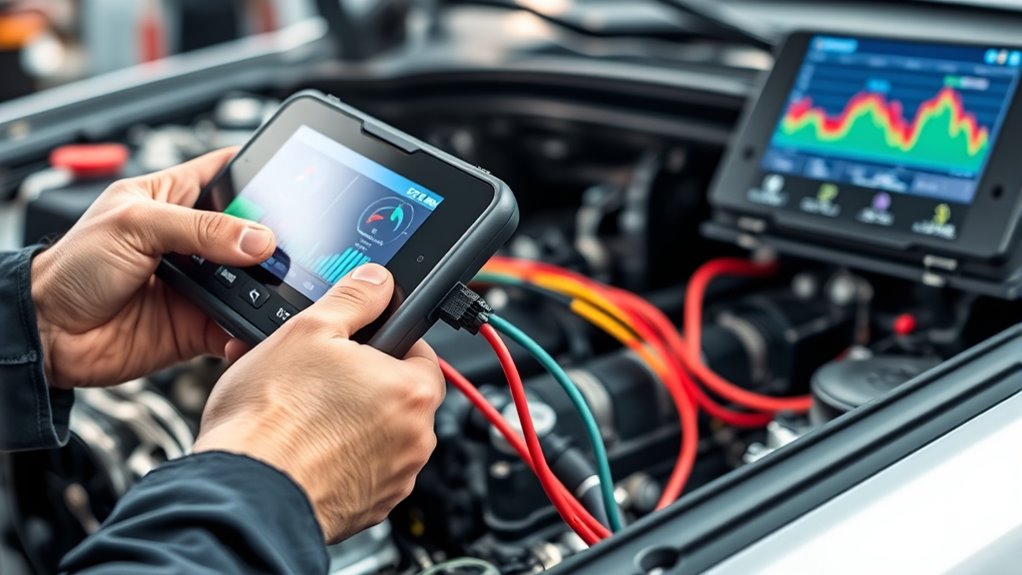
To master engine diagnostic tools, start by understanding their importance and different types like OBD-II scanners and multimeters. Connect your tool properly to the vehicle’s OBD-II port, then power it on and run diagnostic tests.
Pay close attention to error codes and live data during this process. Use this information to troubleshoot issues effectively and document your findings.
Keep practicing and exploring the features of your diagnostic tools. With time, you’ll become confident in diagnosing engine problems efficiently—so keep going to learn more.
Key Takeaways
- Understand different diagnostic tools like OBD-II scanners, multimeters, and pressure gauges, and know what they’re used for to get a complete view of your vehicle’s health.
- Connect the diagnostic tool properly to the car’s OBD-II port and follow the manufacturer’s instructions to operate it correctly.
- Learn how to read and interpret Diagnostic Trouble Codes (DTCs) so you can accurately identify engine problems and troubleshoot effectively.
- Use real-time data logging and a systematic approach to analyze performance issues and verify that repairs have fixed the problem.
- Keep your tools up to date, practice on different vehicles, and take advantage of tutorials and manuals to sharpen your diagnostic skills.
Connecting Your Engine Diagnostic Tool: The Basics
To begin connecting your engine diagnostic tool, find the vehicle’s OBD-II port, usually located beneath the dashboard on the driver’s side. Once you spot it, plug in the cable connections of your diagnostic tool securely. Make sure the connection is snug to avoid any communication problems.
Next, turn on your vehicle’s ignition without starting the engine, then power on the diagnostic tool. Adjust the tool settings based on your vehicle’s make and model, which might include selecting the right protocol or vehicle type.
Turn on ignition without starting the engine, then power on the diagnostic tool and select the correct vehicle settings.
These settings help ensure the device communicates properly with your car’s onboard systems. Double-check that all cables are tight and that the tool’s settings match your vehicle’s specs before moving forward.
Properly connecting the tool and setting it up correctly lays the foundation for accurate diagnostics. Take your time to do it right—this step is key for getting reliable readings and troubleshooting effectively.
What Are Engine Diagnostic Tools and Why Do They Matter?
Engine diagnostic tools are devices that connect to your vehicle’s onboard computer system to assess its health and performance. They help you identify issues quickly, saving you time and money.
These tools are essential because different engine types—gasoline, diesel, hybrid—require specific diagnostics. Understanding your vehicle’s diagnostic history can reveal patterns and prevent future problems.
By using these tools, you gain insights into engine performance, emission levels, and sensor data. This helps ensure your car runs smoothly and reliably.
| Engine Type | Diagnostic Focus | Why It Matters |
|---|---|---|
| Gasoline | Fuel system, sensors | Quick troubleshooting |
| Diesel | Combustion, injectors | Long-term engine health |
| Hybrid | Battery, electric motor | Complex system diagnostics |
| Electric | Battery, motor control | No exhaust emissions |
| Classic/Old | Basic engine health | Restoring older models |
Knowing your engine type and diagnostic history makes your maintenance more effective.
Choosing the Best Engine Diagnostic Tools for Your Vehicle
When you’re picking out engine diagnostic tools, it’s really important to check if they work with your specific vehicle model. That way, you’ll get accurate readings without any hassle. Think about what features and functions you actually need for your repairs—no point in paying for fancy extras you won’t use.
And of course, keep your budget in mind. You want something that offers good value without breaking the bank. Finding the right balance between compatibility, useful features, and cost is the key to making a smart choice.
Compatibility With Vehicle Model
Choosing the right engine diagnostic tool starts with making sure it’s compatible with your vehicle model. Vehicle compatibility depends on matching the tool’s capabilities with your car’s specific model details.
If the tool isn’t compatible, it won’t read error codes correctly or give accurate data, which can be frustrating and waste your money. To feel confident in your choice, carefully check the manufacturer’s vehicle compatibility list.
Here’s a quick overview:
| Vehicle Compatibility | Model Specifications | Confidence Level |
|---|---|---|
| Fully Compatible | Exact model & year | High |
| Partially Compatible | Similar model | Moderate |
| Not Compatible | Different make/model | Low |
| Outdated Software | Needs update | Moderate |
| Custom Modifications | May need specialized tools | Variable |
Matching your tool to your vehicle’s specs ensures reliable diagnostics, saving you time and stress.
Features and Functionality
The features and functionality of an engine diagnostic tool determine how effectively you can identify and troubleshoot issues in your vehicle. Key aspects include compatibility with various sensor types, intuitive software interfaces, and robust data logging capabilities. These features help you interpret code definitions accurately and develop troubleshooting strategies efficiently.
Look for tools offering clear user manuals, calibration techniques, and integration with maintenance schedules. Advanced tools may also support real-time live data analysis, making diagnostics faster and more precise. Consider tools that allow easy updates and thorough support for various vehicle makes.
Budget and Value
Investing in an engine diagnostic tool doesn’t have to break the bank. Understanding your vehicle’s needs and your budget helps you find the best value.
There are many affordable options that deliver solid performance without overspending. When comparing tools, focus on value—think about features, compatibility, and ease of use relative to cost.
Cheaper models may cover basic diagnostics, but spending a little more can get you extra functions like live data reading or Bluetooth connectivity. Think about how often you’ll use the tool and what types of diagnostics you need.
How to Read and Interpret Diagnostic Trouble Codes
Sure! Here’s a more conversational version of the text:
—
When you’re trying to understand diagnostic trouble codes (or DTCs), it’s helpful to know how they’re formatted and what each code actually means. Once you get the hang of reading these codes, you’ll be able to pinpoint what’s causing those warning lights on your dashboard. It’s like having a secret map to your car’s health! Knowing how to interpret these codes means you can troubleshoot more quickly and get your engine running smoothly again.
Understanding DTC Formats
Understanding DTC formats is essential for accurately diagnosing vehicle issues because these codes follow specific structures that reveal critical information about malfunctions. DTC formats typically include a combination of letters and numbers, indicating the category and specific problem.
Recognizing these formats helps you interpret DTC definitions, types, and examples effectively. DTC categories classify issues, such as powertrain or chassis problems.
The DTC structure consists of a letter indicating the system, followed by numbers that specify the fault. Keeping up to date with DTC updates is important as formats evolve for accurate troubleshooting and application.
Understanding DTC formats improves your ability to perform precise troubleshooting. It emphasizes the importance of DTCs and helps in efficient vehicle maintenance.
Interpreting Error Codes
Once you’re familiar with DTC formats, the next step is learning how to read and interpret these codes accurately. Understanding what each code means can help you identify specific issues quickly, making troubleshooting more effective. When you get a code, jot down its alphanumeric identifier and check your vehicle’s manual or a trusted database for its meaning.
| Error Code | Description |
|---|---|
| P0135 | Oxygen sensor heater circuit fault |
| P0171 | System too lean (bank 1) |
| P0300 | Random or multiple cylinder misfire |
This table makes it easy to connect codes with their meanings, helping you diagnose problems faster. Correct interpretation saves time, prevents unnecessary replacements, and streamlines repairs.
Using Live Data to Find Engine Problems
Diving into live data with your engine diagnostic tool lets you see real-time info about how your engine is performing. This process, called live data analysis, helps you quickly spot issues by monitoring sensor readings directly from your vehicle’s systems.
To get the most out of this, focus on a few key steps. First, observe sensor readings like oxygen sensors, temperature sensors, and mass airflow sensors to catch any abnormalities or fluctuations.
Next, track parameter changes over time to identify inconsistent or erratic data that might indicate underlying problems. Comparing this live data against manufacturer specs can help you spot deviations that signal potential engine issues.
Common Mistakes to Avoid When Using Diagnostic Tools
When you’re using diagnostic tools, it’s really important not to skip the calibration steps. If you do, you might end up with inaccurate results, which can lead you in the wrong direction. Also, don’t forget about software updates. Ignoring them can cause compatibility issues or mean you miss out on important fixes that improve the tool’s performance.
And one more thing—rushing through the diagnostics? That’s a common mistake. Taking your time ensures you don’t overlook any problems and that you get thorough, reliable readings. So, slow down a bit and follow all the steps carefully!
Ignoring Calibration Procedures
Ignoring calibration procedures can lead to inaccurate diagnostic results, which might cause you to overlook underlying issues or perform unnecessary repairs.
Understanding the calibration importance guarantees your diagnostic tools provide precise data. Common calibration mistakes often involve neglecting to recalibrate after repairs or ignoring manufacturer guidelines.
To avoid these pitfalls, keep in mind:
- Skipping calibration after replacing sensors or parts.
- Using outdated calibration files or ignoring software prompts.
- Failing to verify calibration accuracy before running diagnostics.
These errors can compromise the reliability of your findings. Proper calibration maintains the accuracy of your diagnostic tools, preventing costly mistakes and ensuring your repairs are based on trustworthy data.
Always follow calibration procedures carefully to get the best results.
Overlooking Software Updates
Overlooking software updates can undermine the accuracy and reliability of your diagnostic tools. Without regular updates, your device may face software compatibility issues with newer vehicle models or systems, leading to incorrect readings or missed faults.
Manufacturers often release updates to fix bugs, improve performance, and expand compatibility with the latest vehicles. Ignoring how often you update can leave your tool outdated, reducing its effectiveness.
Always check for updates before use, especially if you notice inconsistent results. Keeping your software current guarantees accurate diagnostics and helps prevent misdiagnoses.
Regular updates also ensure your tool stays aligned with the manufacturer’s guidelines. This way, it functions as intended and provides reliable data every time.
Don’t underestimate the importance of staying up-to-date with your diagnostic software.
Rushing Diagnostics Process
Rushing through the diagnostic process can cause you to miss important details and get inaccurate results. When you hurry, you risk jumping to quick conclusions that might lead to the wrong diagnosis.
To avoid these pitfalls, take your time to carefully review all error codes and data instead of just skimming through the readings. Double-check your initial findings using different diagnostic modes or tools to prevent rushing into conclusions.
Follow a systematic approach by diagnosing step-by-step rather than jumping straight into repairs based on partial information. This way, you ensure a thorough and accurate diagnosis every time.
Practical Steps to Troubleshoot Engine Issues With a Scanner
To effectively troubleshoot engine issues with a scanner, start by connecting the device properly to your vehicle’s OBD-II port, usually found under the dashboard. Turn on your ignition, making sure the scanner powers up and communicates with the vehicle’s diagnostic software.
Use the scanner to retrieve fault codes, which help identify issues affecting engine performance. Pay close attention to sensor readings, like oxygen sensors or mass airflow sensors, to pinpoint specific problems.
Conduct fault analysis by cross-referencing error codes with your vehicle’s maintenance schedules and manufacturer guidelines. Use data logging features to monitor real-time data, revealing patterns or irregularities during engine operation.
Employ troubleshooting techniques such as clearing error codes after repairs and verifying if issues reoccur. This process helps you act quickly and efficiently to resolve problems.
Mastering these steps allows you to make informed decisions, ensuring your engine runs smoothly and issues are addressed promptly.
What to Do After Diagnosing: Integrate Results Into Your Maintenance Routine
Once you’ve analyzed the diagnostic results, the next step is to add these findings into your regular maintenance routine. Making sure your maintenance includes these issues helps prevent them from coming back and keeps your engine running smoothly. Start by creating a clear follow-up plan that tackles each fault code one by one.
Think about these steps to make your maintenance more effective:
First, prioritize repairs based on how urgent they are and how much they could affect your vehicle. Then, schedule those repairs so nothing gets delayed.
Next, keep a record of all your findings and actions. A maintenance log is super helpful for future reference and tracking what’s been done.
Finally, go over your routine checks like oil changes, filter replacements, and fluid levels. Doing these regularly helps prevent problems linked to the issues you just diagnosed.
Exploring Advanced Features of Diagnostic Tools for Better Results
Modern diagnostic tools come with advanced features that can significantly improve your ability to identify and fix engine issues. These capabilities help you troubleshoot more effectively and save time.
With advanced troubleshooting, you can quickly pinpoint complex problems, making your work more efficient. Improved data analysis provides detailed insights to help you interpret results accurately.
User-friendly interfaces make navigation easy, even if you’re new to diagnostic tools. Real-time monitoring lets you observe engine performance live, helping you diagnose issues immediately.
Many tools have manufacturer-specific features, offering tailored diagnostics for different vehicle brands. Wireless connectivity allows seamless data transfer and remote access, increasing your flexibility.
Software customization enables you to adapt the tool to your specific needs. Multi-vehicle support broadens your service capacity, letting you work on more cars with one device.
Integration with apps boosts functionality, providing extra resources and diagnostics on the go. Training resources keep you updated on new features and techniques, so you’re always prepared to handle complex engine problems efficiently.
How to Keep Your Diagnostic Skills Sharp for Consistent Car Care
Staying sharp with your diagnostic skills is key to providing consistent, reliable car care. To keep improving, you need to practice regularly and stay updated through continuous learning.
Join diagnostic workshops and online tutorials to stay current with tool updates and industry trends. Hands-on experience is invaluable; it helps you interpret data accurately and troubleshoot more efficiently.
Working with peers allows you to exchange insights, learn new techniques, and stay motivated. This collaboration can really boost your skillset.
Collaborating with peers enhances insights, introduces new techniques, and keeps motivation high.
Here are three ways to keep your skills sharp:
- Attend diagnostic workshops and industry seminars regularly.
- Follow online tutorials and participate in forums for peer collaboration.
- Practice troubleshooting on different vehicle models to diversify your hands-on experience.
Frequently Asked Questions
Can Engine Diagnostic Tools Detect Non-Engine Related Vehicle Issues?
Yes, engine diagnostic tools can detect non-engine related vehicle issues like sensor malfunctions and electrical problems.
They analyze data from various sensors, helping you identify issues beyond the engine, such as faulty wiring or malfunctioning sensors.
By interpreting OBD-II codes, these tools provide insights into electrical system problems, making it easier to troubleshoot and fix non-engine issues.
This way, you can keep your vehicle running smoothly and reliably.
Are There Compatibility Concerns Between Diagnostic Tools and Older Vehicle Models?
Compatibility challenges can pop up when using diagnostic tools with vintage vehicles. Older models might not have the modern OBD-II ports or could use different communication protocols.
This can make it tricky for some tools to connect properly. To avoid issues, check the tool’s specifications and make sure it supports your vehicle’s make and model.
Sometimes, you’ll need adapters or specialized equipment. Doing some research beforehand can help you get accurate diagnostics without any hassle.
How Often Should I Perform Engine Diagnostics on My Vehicle?
You should perform engine diagnostics at least once a year or whenever you notice issues like reduced engine health, unusual noises, or decreased performance.
Regular testing helps keep your diagnostic accuracy high, so you catch problems early before they get worse. If your vehicle is older or driven often in tough conditions, consider doing diagnostics more frequently.
Staying proactive with engine checks keeps your engine running smoothly, saves you money on repairs, and helps extend its lifespan.
Do Diagnostic Tools Require Calibration or Regular Updates?
Think of diagnostic tools as the heartbeat of your car’s health. They need calibration, importance, and regular software updates to stay accurate.
Without calibration, readings can mislead you, like a faulty compass. Software updates ensure your tool recognizes new vehicle codes and emissions standards.
Can Using a Diagnostic Tool Void My Vehicle’s Warranty?
Using a diagnostic tool usually won’t void your vehicle’s warranty if you use it properly and follow the manufacturer’s guidelines.
That said, some automakers might see certain diagnostic procedures or modifications as violations of the warranty.
To stay safe, it’s best to check your vehicle’s warranty details first and make sure you’re using the tool correctly.
Keeping records of your diagnostic activities can also help protect your warranty if any disputes come up.
Conclusion
Mastering your engine diagnostic tools empowers you to catch issues early and keep your car running smoothly. As you get comfortable reading codes and live data, you’ll trust your skills more and depend less on costly repairs.
Are you ready to take control of your vehicle’s health and ensure it performs at its best? With regular practice and ongoing learning, you’ll turn diagnostic tools into your most valuable car maintenance allies.