Whirring Noise When Driving: What Are The Causes & Fixes?
If you’ve ever heard a whirring noise when driving, you’re not alone. Many drivers struggle with this annoying sound, which can be a sign of various underlying issues. Understanding what causes it can help you get back to a smoother ride faster.
If you notice a whirring noise when driving, it could be caused by worn wheel bearings, a slipping drive belt, or transmission issues. You might also hear it from your differential, CV joints, or power steering system.
To fix this, check the components for damage or wear, listen for noise changes with speed, and guarantee proper tire inflation. Keep investigating to find out more about pinpointing and fixing the cause of your car’s sound.
Key Takeaways
- The whirring noise might come from worn wheel bearings, CV joints, or failing belts, and it often gets louder as you speed up.
- Check for uneven tire wear, make sure your tire pressure is right, and look for loose belts—these are common causes of whirring sounds while driving.
- A steady, high-pitched whirring at higher speeds usually points to issues with the differential or transmission.
- Pay attention to how the noise changes during turns or acceleration—this can help identify if CV joints or the power steering are the culprits.
- Regular inspections and maintenance, like checking tires, belts, and bearings, can help prevent or fix whirring noises before they get worse.
How to Quickly Diagnose a Whirring Noise While Driving
When you notice a whirring noise while driving, the first step is to listen closely and figure out when it happens—whether it’s constant or only during certain actions like speeding up or turning. This helps with effective diagnosis.
Pay attention to whether the noise gets louder as you accelerate, slow down, or make turns. Notice if it’s tied to specific speeds or engine RPMs. Also, check if the sound seems to come from the front, back, or sides of your vehicle.
Observe if the noise intensifies during acceleration, braking, or turns to help identify its source.
By observing these details, you can better identify where the noise is coming from, making it easier to pinpoint the problem. Try to recreate the conditions under which the noise occurs to see if it’s linked to specific driving actions.
Taking note of these clues makes diagnosing the issue faster and more accurate. Quick and precise diagnostics help you catch problems early, preventing further damage down the line.
Common Causes of a Car Making a Whirring Sound
A whirring sound in your car often means a part is working harder than it should or facing resistance. Common causes include engine noise, which might come from worn belts or pulleys.
A transmission whir could point to issues with fluid levels or internal gears. Low or dirty fluid can cause more friction and lead to unusual noises.
Problems with the air intake, like a clogged filter, can also create a whirring sound as air has trouble flowing properly. Exhaust leaks might produce a high-pitched whine, signaling a breach in the exhaust system.
Differential issues, especially in rear-wheel-drive vehicles, can generate a steady whir if gears are worn or misaligned. Electrical components like alternators or sensors may also cause noise if they’re malfunctioning.
Finally, a faulty fuel system, including a failing fuel pump, can produce a whirring sound as it struggles to supply fuel efficiently.
How to Recognize a Faulty Wheel Bearing
How can you tell if your wheel bearing is faulty? Pay attention to wheel bearing symptoms like unusual noises or vibrations.
One of the clearest signs is a whirring or humming noise that gets louder as you accelerate. The noise often changes with speed, so you’ll notice it more at higher speeds or when turning.
Sometimes, a bad wheel bearing causes a grinding or growling sound, especially when turning in one direction. You might also feel an uneven tire wear or a loose feeling in the steering wheel.
If the noise keeps going and gets louder with speed, it’s a good sign your wheel bearing could be failing. Checking for these signs regularly can help catch problems early before they get worse.
If you think you have a faulty wheel bearing, it’s best to have a mechanic look at it quickly to avoid more serious damage later on.
Could Your Transmission Be Causing the Noise?
Could your transmission be the source of that whirring noise while you’re driving? Low or dirty transmission fluid can cause your transmission to work harder, leading to that constant whirring sound.
If your transmission fluid isn’t at the right level or has become contaminated, it may result in shifting issues like slipping gears or delayed engagement. These problems can make the noise more noticeable, especially during acceleration or when changing gears.
Worn or damaged transmission parts, such as gears or bearings, can also create a whirring sound. If you notice irregular shifting or the noise persists even when your vehicle is in neutral, it’s a good idea to have your transmission checked.
Regularly inspecting and replacing transmission fluid can prevent many of these issues. This helps keep your transmission running smoothly and quietly.
Ignoring these signs might lead to more costly repairs down the line. So, staying on top of maintenance is key to avoiding bigger problems later.
Check Your Drive Belt and Pulleys for Problems
Worn or loose drive belts and damaged pulleys often cause that whirring noise while you’re driving. Over time, drive belt wear can lead to slipping or squealing sounds, especially if the belt becomes cracked or glazed.
Check the belt’s tension; if it feels loose or shows signs of fraying, it needs replacing. Damaged pulleys can also contribute to the noise, especially if they’re misaligned or have worn bearings.
Misaligned pulleys cause uneven belt wear and may create a constant whirring or squealing sound. To diagnose, inspect the belts for cracks, glazing, or looseness, and look at the pulleys for wobbling or uneven surfaces.
Proper pulley alignment is essential; misaligned pulleys put extra strain on the belt and can speed up wear. Addressing these issues promptly helps prevent more serious engine problems and keeps your drive running smoothly.
Is Your Power Steering System Making That Whirring?
If your power steering system is making a whirring noise, it’s often a sign that something isn’t working right. This sound could mean issues with fluid levels or the power steering pump. Ignoring it might lead to harder steering and possible damage.
Here’s what you should check:
- Fluid Levels – Low fluid can cause the pump to strain and create that unsettling whirring sound. Make sure the fluid is at the proper level.
- Power Steering Fluid Quality – Old or contaminated fluid can hurt performance and produce noise. Consider replacing it if it’s been a while.
- Leaks – Fluid leaks lower the fluid level and can increase noise. Look for puddles or spots under your vehicle.
- Pump Condition – A failing pump often makes noise. If the fluid looks fine, the pump might be the issue.
Fixing these problems quickly can help restore smooth steering and keep things quiet. Regularly check your power steering fluid levels and quality to avoid unnecessary damage.
Are Your Brakes Creating the Noise?
When you hear squealing, grinding, or squeaking noises while applying your brakes, it’s a clear sign that something might be wrong. Usually, this noise points to brake wear or issues with your brake pads.
Over time, brake pads wear down and can create metal-on-metal contact if not replaced in time, leading to that harsh sound. Worn brake pads lose their ability to absorb shock, causing the noise as the metal backing touches the rotor.
Ignoring these signs can lead to decreased braking performance or damage to the rotors, which can be costly to repair. If your brakes are making noise, it’s important to get them checked out quickly.
Replacing worn brake pads restores braking efficiency and gets rid of the noise. Regular brake maintenance keeps you safe on the road and helps avoid bigger repairs later.
Don’t dismiss these sounds—address them promptly to keep your brakes in top shape.
Inspect Your Axles and CV Joints for Issues
If you hear a clicking noise or notice a lot of play when you move your wheels, it could be a sign that your axles are damaged. It’s a good idea to check your CV boots — look for tears or cracks. If those boots are torn, dirt and moisture can sneak inside, which can cause more wear and tear on your joints.
Catching these issues early on can save you quite a bit of money down the road. Plus, it helps keep your vehicle running smoothly without unexpected problems. So, keep an eye on those axles and CV joints — a quick inspection can make a big difference!
Signs of Axle Damage
One of the clearest signs of axle damage is a noticeable clicking or popping noise when turning, especially at low speeds. If you hear this, it’s a warning you should take seriously. Here are some key signs to watch for:
- Vibrations or shuddering while driving can indicate imbalance or misalignment.
- Uneven tire wear might suggest axle alignment issues.
- Grinding noises when accelerating or turning point to worn CV joints or damaged axles.
- Persistent whirring sounds that get worse with speed could mean failing axle components.
Ignoring these signs can lead to more damage that’s costly to fix. Regularly inspecting your axles and CV joints helps catch problems early, saving you money and keeping you safe on the road.
CV Joint Wear Indicators
Worn CV joints often show themselves through certain signs you can notice during routine checks. One common noise is a clicking or popping sound when turning, which usually means the CV joint is starting to fail.
You might also see grease splattered around the wheel area, signaling a torn CV boot that exposes the joint to dirt and moisture. As the CV joint wears out, you may feel vibrations or a clunking sensation while driving straight or during acceleration.
Check the joint for visible damage like cracks or tears in the rubber boot. These sound and physical signs point to worn CV joints. Catching these issues early can prevent more damage and keep your axle in good shape.
Tips to Find the Exact Source of Your Car’s Whirring Sound
Sure! Here’s a more conversational version of the text:
—
If you’re trying to figure out where that whirring sound is coming from, a good place to start is by checking your tires. Look for uneven wear or any damage—that can sometimes cause those noises. After that, take a quick look at your wheel bearings; see if they feel loose or if they sound rough when you spin the wheel.
And don’t forget to check the drive belt too. Look for any cracks or if it’s slipping—both of which could be the culprit. Doing these simple checks can really help you narrow down where that noise is coming from.
Check Tire Condition
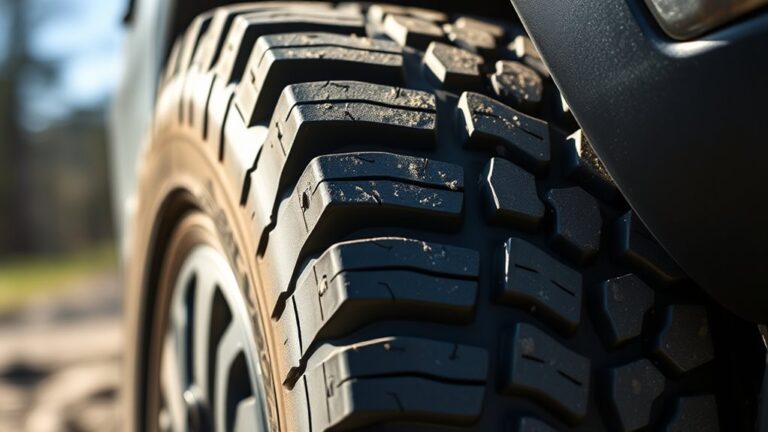
Your tires are key to your car’s performance and safety, and they can often be the source of that annoying whirring noise. To figure out what’s causing it, start by checking your tire pressure—both under- and overinflated tires can make noise.
Next, look at the tread wear; uneven or bald spots tend to produce a steady whirring sound. Feel for irregularities in the tread to spot any uneven wear, and use a tire gauge to make sure your tires are properly inflated.
Also, check for visible damage or debris stuck in the tires. If the tread looks uneven, consider rotating your tires to even things out. Fixing these issues can often get rid of the noise and make your drive more comfortable.
Inspect Wheel Bearings
One of the key components to inspect when diagnosing a whirring noise is the wheel bearings, as they play an essential role in your vehicle’s smooth rotation. Worn or damaged bearings can cause increased friction, leading to noise and potential bearing failure.
To check for issues, lift the vehicle safely and spin the wheels by hand. Listen for roughness or grinding sounds. Excessive play or movement in the wheel indicates bearing problems.
Proper bearing maintenance, such as regular lubrication or replacement, helps reduce noise and prevents further damage. If you notice any irregularities, consider replacing the bearings promptly.
Addressing bearing issues early guarantees noise reduction and maintains your vehicle’s handling performance. Proper inspection and maintenance are vital for safe, quiet driving.
Examine Drive Belt
The drive belt, often overlooked, can be a common source of whirring noises when it starts to wear or slip. To see if your belt is the problem, check for signs of damage or looseness. Focus on these key areas:
- Look for cracks, fraying, or glazing. These signs mean it’s time to replace the belt.
- Test the belt’s tension. A loose belt can slip and cause noise.
- Listen for squealing or squeaking when the engine idles or accelerates.
- Feel for uneven wear or shiny spots, which point to improper belt maintenance.
Fixing the belt tension usually solves the noise issue. If the belt is worn or damaged, replacing it quickly will restore quiet and smooth operation. Regular maintenance helps prevent future problems and extends your belt’s life.
When to Take Your Car to a Mechanic for Noise Troubleshooting
Ever wondered when that unsettling whirring noise signals a problem serious enough to need a mechanic? If the noise sticks around despite simple fixes, it’s time to get professional advice.
Pay attention to mechanic recommendations, especially if the noise gets worse or changes pitch. If it happens during acceleration, deceleration, or turning, it could point to issues with wheel bearings, transmission, or suspension parts.
Don’t ignore persistent or loud noises, since they often indicate underlying problems that could lead to more costly repairs later. If you notice vibrations, warning lights, or decreased handling along with the noise, it’s a clear sign you should get it checked out.
Trust your instincts—early diagnosis can prevent further damage. When you’re unsure, consulting a mechanic ensures you get accurate assessments and repairs, keeping your car safe and reliable on the road.
Frequently Asked Questions
Can Tire Tread Pattern Affect the Whirring Noise?
Yes, your tire tread pattern can affect the whirring noise while driving. Different tread designs, especially those with varied patterns or uneven tire wear, can create vibrations and sounds that lead to a whirring noise.
If your tires have irregular tread wear or specific designs, it can amplify this noise. Regularly check your tread pattern and make sure the wear is even to help minimize noise and keep your ride smooth and quiet.
Does Engine Oil Level Influence Unusual Whirring Sounds?
Yes, engine oil level can influence unusual whirring sounds. When your oil is low, it makes it harder for the engine to run smoothly, which can cause parts to work harder and produce noise.
Using the wrong oil viscosity can also lead to increased friction. This extra friction might create a whirring sound that you notice while driving.
Regularly checking your oil level and making sure you’re using the right viscosity helps keep your engine running smoothly. It also helps prevent noise issues and keeps everything working properly.
Could a Damaged Exhaust System Cause a Whirring Noise?
Did you know that exhaust leaks are among the top causes of unusual noises?
Yes, a damaged exhaust system can definitely cause a whirring noise.
When your exhaust has leaks or muffler issues, it can lead to abnormal sounds as gases escape improperly.
You should inspect for leaks or damaged mufflers, as these problems often produce consistent whirring.
Fixing them restores your vehicle’s quiet, smooth operation.
Is a Faulty Differential Responsible for the Noise?
A faulty differential can definitely cause a whirring noise while you’re driving. When there’s differential wear or not enough gear lubrication, the gears don’t mesh smoothly. That leads to that distinctive sound you hear.
You might notice the noise more during turns or at certain speeds. Regular maintenance, like checking gear lubrication levels and inspecting for wear, can help prevent this issue.
If you suspect a differential problem, get it checked promptly to avoid further damage.
How Does Ambient Temperature Impact the Whirring Sound?
Ambient temperature impacts the whirring sound by affecting your vehicle’s components through temperature changes. When it gets colder or hotter, lubricants can become thicker or thinner, which influences how smoothly parts like the differential or bearings move.
These changes can lead to more friction or noise. Metal parts may also expand or contract with temperature shifts, altering clearances and sometimes causing or amplifying the whirring sound while you drive.
Conclusion
When your car’s whirring noise turns your ride into a medieval quest, don’t knight yourself with guesswork. Use these tips to pinpoint the culprit quickly—whether it’s a worn bearing or slipping belt—and keep your journey smooth.
Remember, even the bravest knights should consult a mechanic when the dragon of doubt appears. Staying vigilant and acting promptly can save you from bigger problems down the road.
Your car will be back to humming like a well-tuned lute in no time. Addressing issues like worn bearings or loose belts can make a huge difference in quieting that whirring noise when driving.