Adding Transmission Fluid: Should You Leave the Car Running?
Many car owners find adding transmission fluid a bit intimidating, especially when unsure about the right steps to take. You’re not alone—this is a common concern, and doing it correctly can feel tricky. Ensuring your transmission operates smoothly is essential, but many struggle with the proper procedure.
You should turn off your engine before adding transmission fluid to guarantee accurate level readings and avoid safety risks. Running the engine can cause the fluid to move or change temperature, leading to overfilling or inaccurate measurements.
Checking and topping up your transmission fluid with the engine off is typically recommended by manufacturers.
If you want to learn more about proper procedures and avoiding common mistakes, keep exploring the best maintenance practices for your transmission.
Key Takeaways
- It’s generally safer to turn off the engine before adding transmission fluid to prevent burns and accidents.
- Checking fluid levels is more accurate with the engine off and the vehicle on a level surface.
- Some manuals may recommend checking with the engine running, but for safety and better accuracy, it’s best to turn the engine off.
- Always follow your vehicle manufacturer’s instructions about whether to keep the engine running or off when adding fluid.
- For a precise fluid level reading, make sure the transmission is at normal operating temperature before checking.
Why Does Temperature Matter When Adding Transmission Fluid?
Temperature plays an essential role when adding transmission fluid because it directly affects the fluid’s volume and viscosity. When the transmission is cold, the fluid becomes thicker, increasing its viscosity. This means the fluid doesn’t flow as easily, and your measurements might be inaccurate if you add fluid at this stage.
Conversely, if the transmission is hot, the fluid thins out, reducing its viscosity and volume. Adding fluid when hot can lead to overfilling, since the fluid expands with heat. Temperature effects impact how much fluid you should add and how it behaves inside the system.
To get an accurate reading, it’s best to check the transmission fluid level when the vehicle has reached normal operating temperature. This guarantees the fluid’s viscosity is at the right level for proper flow and measurement, preventing potential damage caused by over- or under-filling.
Should You Leave Your Car Running When Adding Transmission Fluid?
Should you leave your car running when adding transmission fluid? Generally, it’s best to turn off the engine before opening the transmission fluid reservoir. This prevents unnecessary risks, as working with a hot engine can be dangerous.
It’s safest to turn off the engine before adding transmission fluid to avoid burns and ensure accurate readings.
The engine temperature affects the transmission fluid’s level, so having the car off lets the fluid settle properly and gives an accurate reading. Some mechanics suggest running the engine to circulate fluid and ensure the transmission is at the right temperature before adding fluid.
If your vehicle’s manual says to check or top off transmission fluid with the engine running, follow those instructions. But most experts recommend turning off the engine first for safety and accuracy.
This approach helps prevent burns and stops air from entering the system, which could affect transmission performance. Always check your vehicle’s manual for the manufacturer’s recommended procedure.
How to Tell If Your Transmission Fluid Needs a Top-Up
Knowing when your transmission fluid needs a top-up is key to keeping your vehicle running smoothly. A major sign is the fluid’s color—fresh fluid is usually bright red or pink. If it looks dark brown or black, it’s time for a change.
Also, check for leaks. If you see spots or puddles under your car, it could mean fluid is leaking.
Here’s a quick visual guide to help you out:
| Fluid Color | Leak Detection |
|---|---|
| Bright red or pink | No visible leaks |
| Dark brown or black | Small puddles or drips present |
| Slightly cloudy | Sudden shifting issues |
| Murky or contaminated | Unusual odors or burning smell |
| Faded or discolored | Slipping gears or delayed response |
If your fluid shows these signs, it’s time to top-up or get your transmission serviced. Doing so keeps everything running smoothly.
How to Check Your Transmission Fluid Level Properly
Checking your transmission fluid level properly is key to keeping your transmission running smoothly. First, make sure your car is on a flat surface and has been running for a few minutes to warm up the transmission.
Locate the transmission dipstick, usually near the back of the engine bay, and pull it out. Wipe it clean with a cloth, then fully reinsert it and remove it again to check the fluid level.
The fluid should be between the “Full” and “Low” marks. Take a look at its color—healthy transmission fluid is usually pink or red. If it looks dark, cloudy, or has a burnt smell, it might be time for a change.
Also, check around the transmission for leaks, which can cause low fluid levels. Regularly checking the fluid level and color can help catch issues early, saving you money and keeping your transmission in top shape.
Step-by-Step Guide to Adding Transmission Fluid Safely
Sure! Here’s a more conversational version of the text:
—
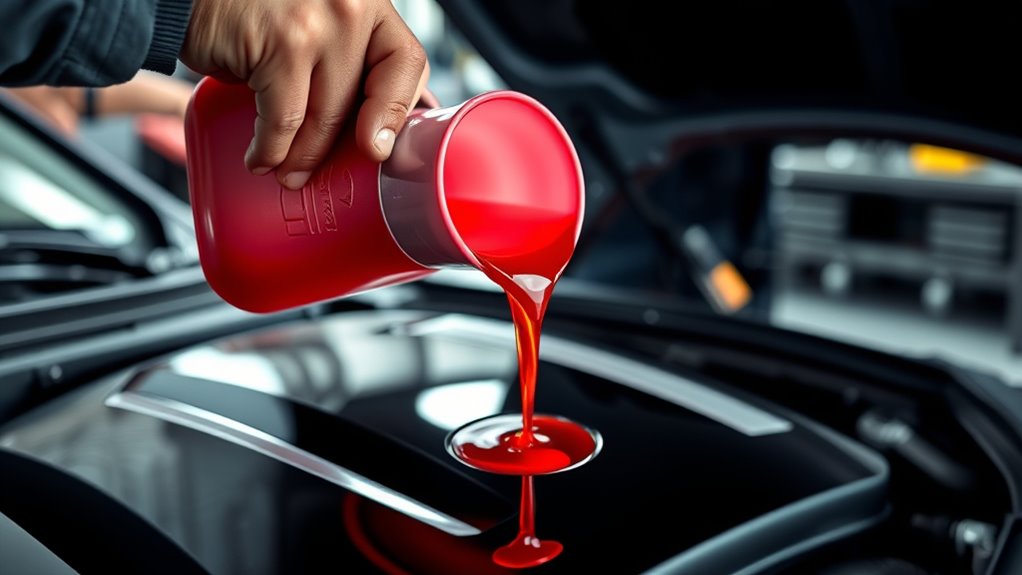
Adding transmission fluid safely is pretty straightforward, but you’ll want to have the right stuff on hand first—like a funnel and a clean container. Before you start, make sure your car’s parked on a level surface and that the engine has cooled down. It’s really important to check that, so you don’t get burned or mess up the fluid level.
Once you’ve got everything ready, just follow the steps carefully. This way, you’ll avoid overfilling or causing any damage to your transmission. Easy does it!
Proper Equipment Needed
Before you start adding transmission fluid, gather the right equipment to do the job safely and efficiently. Check your owner’s manual to make sure you have the correct types of fluid recommended for your vehicle.
Prepare a clean funnel to prevent spills and a clean rag for wiping up any excess fluid. Using a narrow-neck container or a fluid transfer pump can make adding fluid easier and more precise.
Wear gloves to keep your hands clean and protect against contact with hot or dirty fluid. Make sure the vehicle is on a level surface so you can get accurate readings.
Using the proper equipment is key to avoiding overfilling or contamination. Having everything ready beforehand helps keep the process smooth and ensures you add the right amount of transmission fluid.
Correct Fluid Level Check
Verifying the transmission fluid is at the correct level is essential for smooth operation and to prevent damage. To do this, use proper fluid inspection techniques, starting with parking your car on a level surface and warming up the engine.
Locate the transmission dipstick, remove it, and wipe it clean. Reinsert it fully, then pull it out again to check the fluid level. The fluid should be between the minimum and maximum marks.
Regularly checking this during maintenance intervals helps catch low fluid levels early. If the fluid is below the recommended mark, add the correct type of transmission fluid gradually, rechecking frequently to avoid overfilling.
Consistent fluid inspection techniques guarantee your transmission stays in prime condition, reducing the risk of costly repairs.
Common Mistakes to Avoid When Adding Transmission Fluid
Adding transmission fluid might seem straightforward, but common mistakes can cause serious issues with your vehicle’s performance. One mistake is overfilling the transmission, which leads to fluid overflow. This can cause foaming, increased pressure, and damage to seals and other parts. Always check the fluid level carefully and add small amounts gradually. Rushing can easily cause overfilling.
Another common error is using the wrong type of transmission fluid. Always double-check the manufacturer’s recommendation to avoid compatibility problems. Also, don’t add fluid with the engine off if the instructions say otherwise—some cars need the engine running or to be at a specific temperature.
Finally, neglecting to check for leaks or other issues before topping off can hide bigger problems. Staying mindful of these mistakes helps keep your transmission healthy and working properly.
Best Practices for Transmission Maintenance and Fluid Top-Ups
Regularly maintaining your transmission and performing proper fluid top-ups are essential for ensuring smooth operation and extending the lifespan of your vehicle.
To support transmission longevity, always check your fluid levels regularly, ideally when the engine is warm and the vehicle is on a level surface. Use the correct type of transmission fluid specified by your manufacturer to prevent fluid contamination, which can impair performance.
When topping up, do so slowly to avoid overfilling, which can cause foaming and damage. Keep an eye out for signs of fluid contamination, such as dark, burnt-smelling fluid or debris on the dipstick, and address issues promptly.
Consistent maintenance, including fluid changes at recommended intervals, helps prevent costly repairs and maintains peak shifting.
What Do Car Manufacturers Recommend for Adding Transmission Fluid?
Car manufacturers usually have their own set of instructions for adding transmission fluid, so it’s a good idea to follow their guidelines. They often specify the exact type of fluid that works best for your vehicle, which is super important for keeping everything running smoothly.
When it comes to checking and topping off the fluid, they usually recommend doing it in a certain way—like at a specific temperature or using certain tools. Sticking to these steps can help prevent any damage and make sure your transmission stays in good shape. So, it’s always best to refer to your owner’s manual or consult with a professional if you’re unsure.
Manufacturer Guidelines Emphasis
| Manufacturer | Recommended Procedure | Fluid Compatibility |
|---|---|---|
| Toyota | Check with engine off | OEM fluids only |
| Ford | Check with engine running | Approved fluids |
| Honda | Add fluid cold | Genuine fluids |
| BMW | Check at specific temp | Certified fluids |
| Subaru | Use dipstick method | Manufacturer fluids |
Always follow the manufacturer guidelines for the best transmission health.
Recommended Fluid Types
When adding transmission fluid, it’s important to use the specific type recommended by your vehicle’s manufacturer. This helps ensure your car performs well and lasts longer.
Car makers specify certain fluid types so that your transmission system stays compatible. Using the right fluid helps prevent damage or shifting problems.
Always check your owner’s manual or the fluid reservoir cap for the recommended specs. These usually include details about viscosity and additives.
Avoid using other fluid types because incompatible fluids can cause poor performance or even transmission failure. Sticking to the recommended fluids keeps everything running smoothly.
If you’re unsure, it’s best to consult your vehicle’s documentation or ask a professional mechanic to make sure you’re using the right fluid for your car.
Proper Maintenance Procedures
Following your vehicle manufacturer’s recommended procedures is essential for maintaining proper transmission fluid levels and guaranteeing peak performance. Always refer to your owner’s manual for guidance on fluid types and maintenance intervals.
Manufacturers specify the correct fluid type, whether synthetic or conventional, to ensure compatibility with your transmission system. They also outline maintenance intervals, indicating when to check or replace the fluid to prevent wear and damage.
Avoid guesswork; instead, follow precise procedures for checking and adding fluid, such as doing so with the engine running or off, based on manufacturer instructions. Regular maintenance, aligned with these recommendations, helps extend your transmission’s life, prevents costly repairs, and keeps your vehicle running smoothly.
Troubleshooting Transmission Issues After Adding Fluid
After adding transmission fluid, you might notice new or worsening issues with your vehicle’s shifting performance. Look for warning signs like fluid leaks under your car, which could mean overfilling or a seal problem.
Shifting issues, such as slipping or delayed responses, may also develop if the fluid isn’t at the proper level or if contaminants are present. Overheating problems can happen if the fluid is too old or discolored, turning dark or cloudy, which reduces its effectiveness.
Noise concerns like whining or grinding sounds could signal insufficient or degraded fluid. Regular maintenance helps prevent these issues, but if problems occur, checking fluid levels and inspecting for leaks can be helpful.
If these troubleshooting steps don’t fix the problem, it’s best to see a mechanic. This way, you can avoid further damage and keep your transmission running smoothly.
Frequently Asked Questions About Transmission Fluid Top-Ups
Got questions about checking your transmission fluid and making sure everything’s good to go? Don’t worry, it’s pretty straightforward once you get the hang of it. Knowing how to check your fluid level and top it up safely is key to keeping your car running smoothly and avoiding any unexpected issues down the road.
Proper Fluid Level Checks
Checking your transmission fluid level regularly is key to ensuring smooth shifting and avoiding potential damage. Make sure the vehicle is on a level surface and the engine is warm before checking.
Pull out the dipstick, wipe it clean, then reinsert and remove it to see the fluid level. Check the fluid’s color and consistency—healthy fluid should be pink or red and smooth, without grit or a burnt smell.
Here’s a quick guide to what you might see:
| Fluid Color | Fluid Consistency | Recommended Action |
|---|---|---|
| Pink/Red | Smooth | Level is good |
| Dark/Brown | Gritty or burnt | Replace fluid |
| Milky | Cloudy or frothy | Look for leaks |
| Clear | Thin or watery | Add fluid if needed |
| Opaque | Thick or clumpy | Seek professional help |
Regular checks help keep your transmission running smoothly and efficiently.
Safe Car Operation Tips
Maintaining proper transmission fluid levels is essential for safe and reliable vehicle operation. To keep your car running smoothly, follow these fluid handling tips:
Always check transmission fluid with the engine off and on a level surface for accurate readings. This helps ensure you get the right measurement.
Use the correct type of fluid specified by your vehicle’s manufacturer. Using the right fluid is key to preventing issues down the road.
Avoid overfilling, as excess fluid can cause shifting problems or damage. It’s better to check and add small amounts if needed.
Handle transmission fluid carefully, keeping it away from hot engine parts to prevent burns or spills. Safety first when dealing with fluids.
Frequently Asked Questions
Can I Add Transmission Fluid Without a Dipstick?
Yes, you can add transmission fluid without a dipstick, but it’s a bit more tricky. For vehicles with sealed or no dipstick, check your owner’s manual for the exact procedures.
You’ll need to access the transmission fluid fill plug and verify that the fluid levels are correct for your transmission type. Always add fluid gradually, and it’s best to do this with the engine running or as recommended.
This helps you avoid overfilling and ensures your transmission operates properly.
How Often Should I Check My Transmission Fluid Level?
You should check your transmission fluid level at least every 30,000 to 60,000 miles or during routine transmission maintenance. Regular checks help ensure the fluid level is correct and catch issues early.
When inspecting, look at the fluid color. Healthy fluid should be pink or red and transparent. If it’s dark or murky, it’s time for a fluid change.
Keeping your transmission fluid at the right level helps your vehicle shift smoothly and can extend the life of your transmission.
Is It Safe to Drive Immediately After Adding Fluid?
Yes, it’s safe to drive immediately after adding transmission fluid if you’ve done proper transmission maintenance. Make sure the engine’s off when topping up, then start the car and check the fluid level.
Keep in mind, if you drive right away, there’s a risk of fluid overheating if the level isn’t correct. Always double-check the level and, if uncertain, wait a few minutes for the fluid to settle before driving.
What Type of Transmission Fluid Is Compatible With My Car?
You need to identify the correct transmission fluid types for your vehicle by checking your owner’s manual.
Look for compatible brands recommended by your manufacturer, as these guarantee peak performance.
Avoid using generic or incompatible fluids, which can cause shifting issues or damage your transmission.
When in doubt, visit a trusted auto parts store or consult your mechanic to find the right transmission fluid types and compatible brands for your specific car model.
How Do I Know if I Overfill My Transmission?
You’ll know if you overfill your transmission by watching for symptoms like shifting problems, slipping, or overheating. These signs can indicate there’s too much fluid in there.
To check, park on level ground, start the car, and pull out the dipstick. See if the fluid level is above the “full” mark. Overfilling can cause foaming and increased pressure.
This can lead to damage inside your transmission. So, always check the level carefully to keep everything running smoothly and avoid costly repairs.
Conclusion
Remember, adding transmission fluid is like giving your car a gentle gust of fresh wind—reviving its smoothness and keeping it running seamlessly. Whether you leave the engine running or turn it off, your careful attention helps your vehicle stay healthy.
Think of your car as a trusted companion. With a little maintenance, you’ll keep it running like a well-oiled orchestra, ready to face every mile with confidence and ease.
When adding transmission fluid, some people wonder if they should leave the car running. Generally, it’s better to turn off the engine before adding fluid. This helps ensure safety and accuracy during the process.
Always check your vehicle’s manual for specific instructions. Properly maintaining your transmission fluid level keeps your car running smoothly and prevents potential issues down the road.