Car Makes Intermittent Grinding Noise When Driving 7 Reasons
If you’ve ever heard an intermittent grinding noise when driving, you’re not alone. Many drivers struggle with this unsettling sound, worrying about potential damage or costly repairs.
If your car makes intermittent grinding noises while driving, it could be due to several issues. Worn brake pads, transmission problems, or suspension wear often cause these sounds.
Misaligned wheels or debris caught in brake components can also be culprits. Sometimes, uneven tire wear or foreign objects create the noise.
To stay safe and avoid costly repairs, it’s important to identify the cause early. Keep exploring to find out more about solutions and preventive tips.
Key Takeaways
- Worn brake pads or debris between brake components can cause intermittent grinding when braking or turning. This noise might come and go depending on how the pads are wearing down.
- Low or contaminated transmission fluid may lead to gear slippage and grinding noises during shifts. It’s a good idea to check the fluid level and quality regularly.
- Misaligned wheels or worn suspension parts can produce grinding sounds, especially when turning or driving over bumps. These issues can affect your vehicle’s handling and safety.
- Damaged or unevenly worn tires can generate intermittent grinding, often noticeable at specific speeds or maneuvers. Keeping your tires in good shape is key to smooth driving.
- Loose or damaged wheel bearings can cause grinding noises that vary with vehicle speed and turning. If you hear these sounds, it’s important to have them inspected promptly.
What Causes Intermittent Grinding Noises in Your Car?
Intermittent grinding noises in your car can be unsettling, but they often point to specific issues that can be identified and addressed. One common cause is worn brake pads, which can produce a grinding sound when the metal backing touches the rotor.
Intermittent grinding noises often indicate worn brake pads or transmission fluid issues needing attention.
If this happens intermittently, it might be due to uneven brake pad wear or debris caught between the pad and rotor. Another potential cause is low or contaminated transmission fluid, which can cause gears to grind during shifts.
When transmission fluid isn’t circulating properly, it affects the smoothness of gear engagement, leading to occasional grinding noises. Sometimes, these sounds happen only under certain conditions, like when braking or shifting, making diagnosis tricky.
Regular maintenance, such as checking brake pads for wear and ensuring transmission fluid levels are adequate and clean, can prevent these issues. Addressing them promptly helps keep your car running smoothly and prevents more costly repairs.
How to Tell If Your Brake System Is Causing the Noise?
If your car is making grinding noises when you brake, it’s a strong sign that your brake system might be the culprit. First, listen carefully—if the noise happens only when braking, your brake pads could be worn down or damaged.
Worn brake pads often produce a grinding sound as metal contacts metal. Check your brake fluid level because low brake fluid can cause brake components to malfunction and make strange noises. If the fluid is low or dirty, it might mean there’s a leak or contamination affecting your brakes.
Also, inspect the brake pads for visible wear or damage. Thin or cracked pads are common causes of grinding sounds. If you notice a spongy brake pedal or poor stopping power, these could also point to brake fluid problems.
Addressing these signs early can prevent further damage and keep your braking system reliable.
Are Worn Transmission Parts the Culprit?
Worn transmission parts can sometimes cause grinding noises that mimic brake issues, especially during gear shifts or acceleration. When components like gears, clutches, or synchronizers wear out, they struggle to engage smoothly, leading to grinding sounds.
Low or contaminated transmission fluid makes this problem worse by reducing lubrication and hydraulic pressure. This makes gear engagement more difficult and can cause harsh shifts or slipping.
If your transmission fluid hasn’t been changed regularly, it can become gritty and less effective. This can lead to gear slippage or rough engagement. Worn parts may also cause the transmission to shift abruptly or slip out of gear, creating a grinding sensation.
These noises are often more noticeable during acceleration or when shifting between gears. If you notice these symptoms, it’s important to check the transmission fluid level and condition.
Addressing worn transmission parts early can prevent more serious damage, costly repairs, and ensure smoother gear engagement.
Could Suspension or Wheel Alignment Be the Cause?
If your car is making grinding noises, it might be due to issues with your suspension or wheel alignment. Sometimes, when the wheels aren’t properly aligned, it can put extra strain on the suspension parts, which can cause noise and uneven tire wear.
And honestly, misaligned wheels can also lead to vibrations and grinding sounds because your vehicle isn’t handling as smoothly as it should. So, it’s definitely worth getting it checked out to see if either of these things might be the culprit.
Impact of Misaligned Wheels
Misaligned wheels can significantly cause grinding noises while you’re driving, especially when they lead to uneven tire contact with the road.
When your wheel alignment is off, it puts uneven stress on the tires and suspension parts, which can cause steering problems and noise. You might notice the grinding sound more when turning or going over bumps because misalignment makes the tires scrub against the pavement improperly.
Poor wheel alignment also impacts handling, making your steering feel loose or causing it to tug to one side. Over time, this uneven wear can get worse, increasing the grinding noise.
Fixing wheel alignment issues quickly helps restore proper tire contact, improves steering response, and cuts down on noise. Regular alignment checks are key to preventing further damage and ensuring a smooth, quiet ride.
Suspension Components Wear
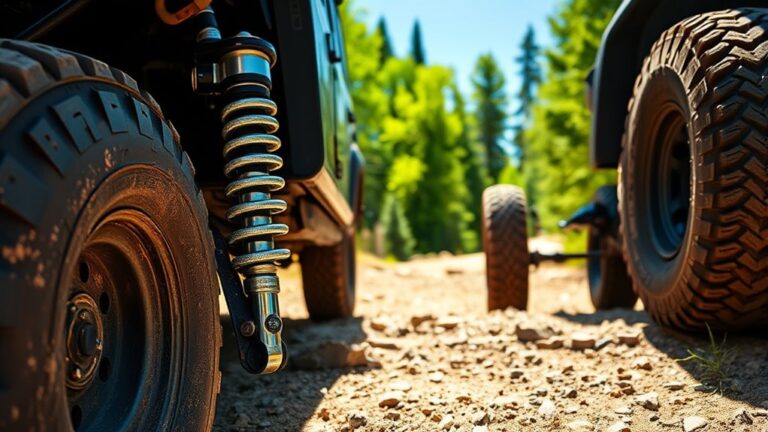
Suspension components that have become worn or damaged can cause grinding noises, especially when driving over bumps or uneven surfaces.
Worn suspension bushings lose their ability to cushion and stabilize parts, leading to metal-on-metal contact that produces grinding sounds.
Similarly, shock absorber wear reduces damping effectiveness, causing the suspension to bounce excessively and generate noise.
When these parts degrade, you might notice a rougher ride and unwanted sounds while driving.
If you hear grinding when hitting bumps or turning, worn bushings or shocks could be the culprit.
Regular inspections can help catch these issues early before they get worse.
Replacing worn bushings or shocks restores smooth operation and stops the grinding noise.
This keeps your ride safer and quieter on the road.
Effects of Incorrect Alignment
Incorrect alignment can cause uneven tire wear and uneven contact with the road, which often leads to grinding noises when driving. When your wheels aren’t properly aligned, it affects how your tires roll, potentially causing vibrations and abnormal sounds. Poor alignment can also impact wheel balance and tire pressure, making the noise and ride worse.
You might notice uneven tire tread wear, increased vibration at certain speeds, steering wheel pulling to one side, reduced fuel efficiency, and faster suspension component wear. These signs are all connected to alignment issues.
Fixing alignment problems involves checking wheel balance and making sure your tire pressure is correct, since these affect overall alignment. Proper alignment helps reduce grinding noises, improves handling, and extends tire life. It’s a key maintenance task if you hear intermittent grinding sounds while driving.
How to Spot Dirt, Debris, or Foreign Objects Causing the Noise?
Ever wonder if dirt, debris, or foreign objects are causing that grinding noise in your car? Start with a debris inspection by carefully checking around your wheels, brake components, and under the vehicle. Look for any visible buildup of dirt, mud, or small objects caught in the wheel wells or brake pads.
During noise identification, listen closely to see if the grinding happens during specific actions like turning or braking. Sometimes, small debris like stones or twigs get lodged in the brake calipers or rotors, creating that persistent grinding sound.
Inspect the brake pads for uneven wear or debris trapped between the pad and rotor. Also, check the wheel area for foreign objects, especially after driving through rough terrain or unpaved roads.
Gently clear out any debris to see if the noise diminishes. This can help you figure out if foreign objects are causing the issue.
Simple Checks You Can Do Before Visiting a Mechanic?
Before you head to the mechanic, it’s a good idea to give your car a quick once-over. Start by checking your brake components—see if there’s any wear or damage that might need attention. It’s also helpful to look at your tires and see if there’s uneven or excessive wear; that can be a sign something’s off.
Pay attention to any strange sounds your car makes, like grinding when you brake or while you’re driving. Noticing these noises can give you clues about what might be wrong. Doing these simple checks can often help you figure out the issue ahead of time, saving you both time and money.
Inspect Brake Components
Checking your brake components is a simple step you can take to spot potential issues causing a grinding noise. Start by inspecting the brake pads for wear; if they’re thin or uneven, that could be the problem.
Look for signs of rotor damage like scoring, grooves, or warping, which can lead to grinding sounds. Also, listen for squeaking or squealing before the noise starts, as worn pads often cause that.
Make sure to check for loose or missing caliper bolts that might cause uneven contact. Finally, verify there’s no debris or rust buildup between the pad and rotor. Here are some quick checks:
- Examine brake pad thickness and wear
- Inspect rotors for scoring or grooves
- Check for uneven rotor surface
- Confirm caliper bolts are tight
- Remove debris or rust buildup
Check Tire Condition
Inspecting your tires is a simple way to spot issues that might cause a grinding noise. Start by checking the tire pressure; underinflated or overinflated tires can lead to uneven wear and noise while driving.
Next, look at the tread wear. If the tread is worn down or uneven, it could cause grinding, especially during turns or braking. Run your hand over the tire surface to feel for rough spots, cuts, or debris embedded in the rubber.
Also, check for bulges or damage to the sidewall, which could indicate internal problems. Properly inflated tires with good tread are key for smooth driving.
If you notice significant wear or low tire pressure, consider inflating or replacing your tires before visiting a mechanic. These simple checks can help identify potential causes of grinding sounds.
Listen for Specific Sounds
Ever wonder what a grinding noise really sounds like? Listening carefully can tell you a lot about your car’s health. Pay attention to when and how often the sound happens.
If the noise occurs when braking, it might be a worn brake pad. If it happens while turning or driving straight, it could be a failing wheel bearing. Here are some simple checks to try:
- Listen for grinding when applying brakes
- Notice if the sound changes with speed
- Check for wobbling or play in the wheels
- See if the noise continues while accelerating or decelerating
- Feel for vibrations through the steering wheel or pedals
Identifying these sounds before heading to the mechanic can save you time and help pinpoint the issue, whether it’s the brake pad or wheel bearing.
When to See a Mechanic for Intermittent Grinding Noises?
Intermittent grinding noises from your car can be a sign that something’s seriously wrong. It’s important to know when to seek professional help.
If the noise happens randomly or only under certain conditions, it’s time to follow mechanic recommendations and schedule a visit. Persistent or worsening sounds shouldn’t be ignored, especially if they affect your driving safety.
Address intermittent noises promptly to prevent safety risks and costly repairs. Trust your instincts and seek professional help.
When in doubt, professional noise diagnostics can help pinpoint the problem accurately. If the grinding occurs when turning, braking, or accelerating, it could mean issues with the brakes, transmission, or wheel bearings.
Quick action can prevent more serious damage and costly repairs. Trust your instincts—if the noise feels abnormal or your car behaves differently, it’s best to see a mechanic promptly.
Delaying repairs could lead to bigger problems, so don’t hesitate to get a professional evaluation when intermittent grinding noises show up.
Frequently Asked Questions
Can Driving Habits Influence Intermittent Grinding Noises?
Yes, your driving habits can influence intermittent grinding noises.
Aggressive braking or sudden stops tend to increase brake wear, which can cause those grinding sounds.
Driving on rough roads also puts extra strain on your brakes and other parts, leading to intermittent noises.
Being gentle with your braking and avoiding rough terrains when you can can help reduce these noises and make your brakes last longer.
Do Aftermarket Parts Increase the Risk of Grinding Sounds?
Sometimes, aftermarket parts can increase your chances of grinding sounds, especially if you pick lower-quality options or have installation issues. Poor-quality aftermarket components might not fit properly, leading to misalignment or more wear.
Always go for high-quality aftermarket parts and make sure they’re installed correctly to reduce the risk. When done right, these upgrades can boost your vehicle’s performance without causing unwanted noises or problems.
How Does Weather Affect Grinding Noises in Vehicles?
Weather conditions and temperature fluctuations can cause your vehicle’s grinding noises to change or get worse. Cold weather makes metal parts contract, which can lead to increased friction and grinding sounds, especially in the brakes or transmission.
On the other hand, hot weather causes parts to expand, potentially loosening components or affecting lubricants. Sudden temperature shifts can also stress parts, leading to intermittent grinding.
Regular maintenance helps minimize these weather-related issues and keeps your car running smoothly.
Can Low Tire Pressure Cause Grinding Sounds?
Low tire pressure can cause a grinding noise by creating uneven contact with the road. This can lead to poor tire wear and even wheel misalignment over time.
You might notice the noise during turns or acceleration, which could be a sign you need to check your tires. It’s a good idea to inspect and inflate them to the recommended pressure.
Proper tire pressure helps ensure smooth driving, reduces noise, and keeps your tires in good shape. Staying on top of this can prevent more serious problems down the road.
Are There Specific Warning Signs That Precede Grinding Noises?
Yes, there are warning signs before grinding noises start. You might notice uneven tire wear or a pulling sensation, which can indicate brake wear or wheel alignment issues.
Squealing sounds or vibrations when braking can also be signs something’s not right. Pay attention to these early indicators because they usually come before the grinding noise happens.
Addressing brake wear early and making sure your wheel alignment is correct can prevent more serious damage. It also helps keep your driving smooth and safe.
Conclusion
When that mysterious grinding noise whispers during your drive, it’s like a subtle nudge from your car’s busy internal world. Paying attention and doing simple checks can often help you find the cause before it turns into a bigger problem.
Think of it as giving your vehicle a gentle nudge in the right direction. Trust your instincts, stay alert, and don’t hesitate to get professional help if needed.
Keeping an eye on that intermittent grinding noise when driving is key to catching issues early. Addressing it promptly can save you time, money, and stress down the road.