Why Your Car’s Transmission Jerks When Changing Gears: Causes & Repair Costs Explained
Are you tired of that jerking sensation every time you change gears? You’re not alone—many drivers struggle with this frustrating issue, wondering what’s wrong with their car’s transmission.
Luckily, understanding the causes can help you get back on the road smoothly.
If your car jerks when shifting gears, it’s likely due to mechanical issues or low transmission fluid, which can cause rough shifts and hesitation.
Worn clutch parts, misaligned internal components, or faulty sensors might also be culprits.
Repair costs vary from fluid changes to significant rebuilds, but catching problems early can save you a lot of money.
Keep going for more details on causes, costs, and how to prevent your transmission from acting up.
Key Takeaways
- Transmission jerking often happens because of low or dirty transmission fluid, which can make gear shifts less smooth.
- Mechanical wear, like worn clutch plates or damaged gears, can cause sudden, rough gear engagement.
- Sensor malfunctions might send incorrect signals, messing up how the transmission operates.
- Repair costs can range from about $50 for diagnostics up to $4,500 if you need a full transmission replacement.
- Regular maintenance, including fluid changes and inspections, helps prevent jerking and keeps your transmission working longer.
Why Does My Car Jerk When I Shift Gears? Recognizing the Symptoms
When your car jerks as you shift gears, it’s a clear sign something isn’t running smoothly. You might notice these jerks catching you off guard, especially during acceleration or deceleration.
These jerks often happen when the shift timing isn’t quite right, causing the transmission to engage suddenly instead of smoothly. You may also feel a hesitation or delay before the car responds, which points to misaligned shift timing.
Sometimes, the jerking is so abrupt it surprises you, making driving uncomfortable. These symptoms are common signs that your transmission is having trouble functioning properly.
Recognizing these early jerking signs can help you catch the problem before it gets worse. Pay attention to how your car responds when shifting—any irregular movements or sudden jolts are clues something needs checking.
Understanding these signs is the first step to diagnosing and fixing the issue before costly repairs become necessary.
What Causes Transmission Jerking? Key Mechanical and Fluid Issues
Transmission jerking often comes from mechanical problems or fluid issues that mess with smooth gear shifts. Different types of transmissions, like automatic or manual, need precise interactions between parts to change gears seamlessly.
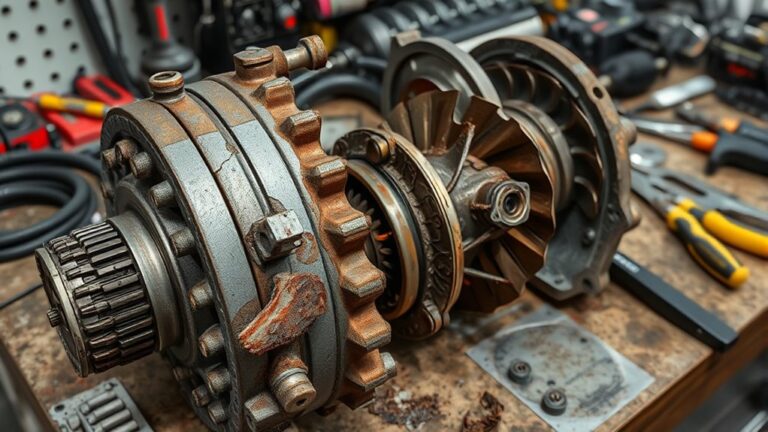
Worn clutch plates, faulty solenoids, or damaged gears can cause delays or sudden jumps during shifts. If internal parts don’t line up properly or are damaged, you might feel jerks when changing gears.
Fluid problems are a big factor too. Low or dirty transmission fluid can mess with hydraulic pressure, making it hard for parts to move smoothly. This can lead to rough shifts or jerking sensations.
Whether it’s mechanical wear or fluid issues, these problems interfere with the transmission’s ability to switch gears smoothly. Automatic transmissions especially rely on fluid pressure for gear engagement.
Fixing these issues quickly helps restore proper function and prevents further damage down the line.
How Do Low Transmission Fluid Levels Lead to Gear Jerkiness?
When your transmission fluid is running low, it can’t do its job of lubricating all those moving parts properly. Without enough fluid, there’s more friction inside the transmission, which isn’t good news. That extra friction can cause your gears to shift a bit rough or even jerk unexpectedly. Basically, your transmission has a hard time switching gears smoothly because it’s not getting the lubrication it needs. So, if you notice your car jerking or shifting roughly, it might be worth checking the transmission fluid level.
Reduced Lubrication Effectiveness
Low transmission fluid levels can cause gear jerkiness because the fluid mainly reduces friction and helps the moving parts operate smoothly.
When the fluid level drops, lubrication isn’t enough, leading to more metal contact. This reduced lubrication makes parts stick or slide unevenly during gear shifts, causing jerks.
Over time, the fluid’s ability to protect parts weakens, making gear changes less smooth. Regular fluid replacement is key to preventing this.
Keeping the fluid at the right level ensures the transmission stays well-lubricated, which reduces gear jerkiness and helps your transmission last longer.
Neglecting to check or replace the fluid can seriously impair lubrication and lead to noticeable problems with your vehicle’s shifting performance.
Increased Transmission Friction
A drop in transmission fluid levels causes the remaining fluid to become less effective at reducing friction between moving parts. When you neglect transmission maintenance, this increased friction can cause gear jerkiness and uneven shifting.
Low fluid levels mean there’s less lubrication to help gears engage smoothly, which can lead to components grinding or sticking. As friction rises, your transmission has to work harder to shift gears, leading to jerks or delays.
Without enough fluid to reduce friction, parts wear out faster, risking costly repairs. Keeping the fluid at the right level is crucial for smooth operation. Regular maintenance ensures the fluid stays at the proper level and quality.
Checking and changing transmission fluid as needed helps your transmission run smoothly and lasts longer. It’s a simple way to prevent excessive friction and gear jerkiness, keeping your vehicle performing its best.
Could Worn Clutch Components Be Causing Your Transmission Problems?
Worn clutch components can directly cause transmission problems, especially in vehicles with manual transmissions. When the clutch wears out, it becomes harder to shift smoothly, which can cause jerks or hesitation during gear changes.
If the clutch disc or pressure plate fails, you might notice slipping or trouble engaging gears. These issues often happen because of prolonged use without replacement or poor maintenance.
Watch out for these warning signs:
- Difficulty shifting gears smoothly
- Clutch pedal feels spongy or sticks
- Unusual noises when engaging or disengaging the clutch
- Gear slipping or loss of acceleration
Ignoring worn clutch parts or component failure can lead to expensive repairs and make transmission jerks worse. Fixing these issues early helps restore smooth shifting and prevents further damage.
Don’t wait—your driving comfort and your vehicle’s health depend on timely repairs.
How Transmission Control Modules Impact Gear Smoothness
Transmission Control Modules (TCMs) play an essential role in coordinating gear shifts, and any malfunction can cause noticeable jerks or roughness during gear changes. The TCM manages transmission operation by interpreting signals from sensors and adjusting the transmission calibration accordingly.
When the TCM isn’t functioning properly, it can send incorrect electronic feedback, leading to abrupt or unsteady gear shifts. This miscommunication affects how smoothly your transmission operates, causing jerks that can feel unsettling.
Proper transmission calibration relies on accurate data and responsive electronic feedback, ensuring seamless gear changes. If the TCM’s software or hardware is faulty, it may mismanage shift timing or pressure, resulting in rough shifts or hesitation.
Regularly updating or reprogramming the TCM can restore proper transmission calibration, improving gear smoothness. In cases of persistent issues, replacing or repairing the TCM might be necessary to restore your vehicle’s smooth and reliable shifting performance.
Can Dirty Transmission Fluid Make Your Car Jerk?
When transmission fluid becomes dirty or contaminated, it can really affect how your car shifts. Old, degraded fluid loses its ability to lubricate and transfer power smoothly, which can cause jerks during gear changes.
Neglecting to maintain your fluid speeds up wear on transmission parts, making rough shifts more likely. Dirty fluid can make your transmission hesitate, slip, or jerk unexpectedly.
To avoid this, regular transmission flushing is key. It helps remove debris and restores the fluid’s effectiveness, keeping everything running smoothly.
Imagine the frustration of sudden jerks or slow responses while driving. Here’s what dirty transmission fluid can do:
- Increased gear slipping and harsh shifts
- Higher risk of transmission overheating
- Faster component wear and damage
- Costly repairs if you ignore it
Keeping your transmission fluid clean isn’t just about smooth driving. It’s about preventing serious and expensive problems later on. Proper maintenance helps your transmission stay reliable and last longer.
How Transmission Mounts and Sensors Contribute to Shifting Problems
If your vehicle starts to jerk or shift roughly, faulty transmission mounts or sensors might be the culprit. Worn or damaged transmission mounts can compromise stability, causing excessive movement that disrupts smooth gear changes.
When mounts lose their firmness, the transmission shifts more abruptly, leading to jerks. Likewise, sensors are crucial for proper shifting; if a sensor is out of calibration or malfunctioning, it sends incorrect signals to the transmission control module.
This miscommunication can result in rough or inconsistent shifting behavior. Proper sensor calibration guarantees accurate data on vehicle speed, engine load, and gear position, helping the transmission operate smoothly.
When either transmission mounts or sensors are compromised, your vehicle’s ability to shift seamlessly diminishes. Addressing these issues involves inspecting mount stability and sensor calibration, which can greatly improve shifting performance and reduce jerks during gear changes.
How Much Does It Cost to Fix Transmission Jerking? Typical Repair Expenses
Wondering how much it costs to fix transmission jerking? The expenses depend on what’s causing the problem. Usually, you’ll start with transmission diagnostics to find the root issue, which can cost between $50 and $150.
If your transmission fluid is overdue for maintenance, replacing or flushing it might run you around $100 to $250. This can fix jerking caused by poor lubrication and keep things running smoothly.
For more extensive repairs, expect higher costs:
- Sensor replacements: $200 to $400
- Transmission rebuilds: $1,000 to $3,000
- Solenoid repairs: $300 to $600
- Complete transmission replacements: $2,500 to $4,500
Addressing these problems promptly can save you money down the line. Regular diagnostics and fluid maintenance are key to preventing costly repairs and ensuring smooth gear shifts.
When Should You Seek Professional Help for Transmission Issues?
Recognizing the signs of transmission trouble early can save you from costly repairs and unsafe driving conditions. If your car jerks when shifting gears, or if you notice slipping, delayed engagement, or fluid leaks, it’s time to seek professional help.
These symptoms indicate that a thorough transmission diagnostic and professional assessment are needed to find out what’s really going on. Ignoring these signs can lead to more serious damage and higher repair costs.
Here’s a quick guide:
| When to Seek Help | Why It Matters |
|---|---|
| Sudden jerking | Shows there’s a problem that needs diagnostics |
| Delay in gear engagement | Needs a professional check to prevent further damage |
| Fluid leaks | Can cause transmission failure if left untreated |
| Unusual noises | Signal internal damage that needs expert evaluation |
If you notice any of these symptoms, don’t wait. Contact a professional to make sure your transmission gets properly diagnosed and repaired.
Tips to Prevent Your Transmission From Jerking and Keep It Running Smoothly
Keeping your transmission running smoothly requires proactive habits and regular maintenance. One of the best ways to prevent jerking is to stay on top of transmission maintenance, especially fluid changes. Fresh transmission fluid ensures proper lubrication and prevents overheating, which can cause gear shifts to jerk.
Regular transmission fluid changes keep your shifts smooth and prevent jerking.
Furthermore, avoid aggressive driving habits that strain your transmission, like rapid acceleration or abrupt stops. Regularly check your transmission fluid level and quality—low or dirty fluid can lead to rough shifts.
Here are some key tips to keep your transmission smooth:
- Schedule routine transmission fluid changes as recommended by your vehicle’s manual
- Pay attention to warning signs like delayed or harsh shifting
- Avoid heavy loads or towing beyond your vehicle’s capacity
- Address minor transmission issues promptly with a mechanic before they worsen
Frequently Asked Questions
Can Driving Habits Influence Transmission Jerking?
Yes, your driving habits can influence transmission jerking. Poor shifting techniques, like shifting too quickly or not fully engaging the clutch, can cause jerks.
Neglecting regular maintenance habits, such as checking fluid levels and replacing transmission fluid when needed, makes the problem worse.
Being gentle with shifting and taking care of your vehicle helps reduce transmission issues. This leads to smoother gear changes and can extend your transmission’s lifespan.
Are There Warning Lights Indicating Transmission Problems?
Yes, your car often gives signals like warning lights when transmission problems arise. Think of these lights as a canary in a coal mine, alerting you early.
If your transmission fluid is low or dirty, it can trigger these warning signals. To be sure, diagnostic tests can help pinpoint issues accurately.
Catching problems early with these warning lights can save you from costly repairs later. Always pay attention to these signals—they’re your car’s way of warning you.
How Long Can I Drive With a Slipping Transmission Safely?
You shouldn’t drive long with a slipping transmission, as it can cause further damage. Pay attention to signs of transmission failure like slipping gears, delayed engagement, or strange noises.
Regular transmission maintenance tips, such as checking fluid levels and replacing it when dirty, can prevent issues. If you notice any signs of transmission failure, get it inspected immediately.
Continuing to drive could worsen the problem and lead to costly repairs. It’s best to address transmission problems as soon as they show up to keep your car running smoothly.
Do Transmission Jerks Affect Fuel Efficiency?
Transmission jerks are like speed bumps on your drive. They disrupt smooth sailing and can impact fuel efficiency. When your transmission wears out, it struggles to shift gears smoothly, making your engine work harder.
That extra effort causes more fuel to be used. So yes, jerks do affect fuel efficiency because your car needs more energy to make up for the transmission’s rough operation. Keeping your transmission in good shape helps you save fuel and keeps your drive smooth.
Can Aftermarket Modifications Cause Shifting Issues?
Yes, aftermarket modifications can cause shifting issues. When you upgrade or change parts, it might mess with the transmission’s shifting performance, leading to jerks or hesitation.
Poorly installed parts or incompatible modifications can interfere with the transmission’s calibration. This can cause uneven shifting and make driving less smooth.
To avoid these problems, make sure your modifications are compatible with your vehicle. It’s also best to have them installed professionally to help keep your transmission shifting smoothly and healthy.
Conclusion
Regular maintenance can save you from costly repairs. Did you know that neglecting transmission fluid changes can cause over $3,000 in damages?
If your car jerks when shifting gears, don’t ignore these warning signs. Addressing issues early with professional help ensures smoother drives and longer transmission life.
Staying proactive and attentive to your transmission’s health keeps your vehicle running reliably and saves you money in the long run. Remember, a jerking transmission can be a sign of bigger problems—so don’t wait to get it checked.