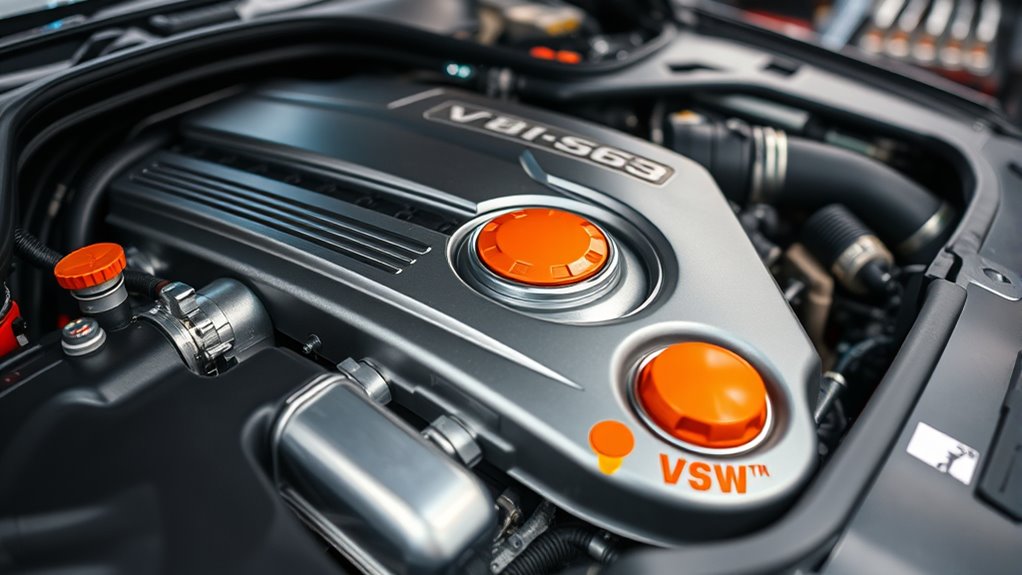
Unveiling BMW S63 Engine Problems: Troubleshooting Tips and Solutions
If you own a BMW S63 engine, you’re probably familiar with the frustration of unexpected issues that can arise. Many people struggle with performance drops, strange noises, or rough running, and it can be stressful trying to figure out what’s wrong.
If you’re experiencing issues with your BMW S63 engine, start by checking for misfires, rough running, or strange noises, as these often signal ignition or fuel delivery problems.
Keep an eye on the cooling system and turbocharger for signs of leaks, overheating, or loss of power, and monitor oil consumption.
Electrical glitches and sensor failures can also cause performance drops.
For more detailed troubleshooting steps, continue exploring effective solutions to keep your engine running smoothly.
Key Takeaways
- Watch out for common signs like misfires, rough running, or warning lights to catch potential S63 engine issues early on.
- Regularly check and maintain the cooling system, turbocharger, and oil system to help prevent common failures.
- Use diagnostic tools to interpret error codes related to boost pressure, airflow, or sensor problems.
- Inspect ignition components, fuel injectors, and electrical connections for faults that could cause misfires or performance drops.
- Follow proactive maintenance routines, including checking fluids and cleaning components, to keep your engine reliable and performing well.
Overview of the BMW S63 Engine and Its Common Challenges
The BMW S63 engine is a high-performance twin-turbo V8 known for delivering impressive power and smooth acceleration. It’s a popular choice for driving enthusiasts, but it’s not without its challenges.
To get the most out of your S63, regular maintenance and careful driving habits are essential. Over time, you might encounter issues like carbon buildup, turbocharger wear, or increased oil consumption, which can impact engine reliability.
To keep your engine running smoothly, follow tips like using quality oils, monitoring fluid levels, and avoiding aggressive driving when the engine is cold. Common challenges also include stress on the cooling system and potential valve stem seal problems, which can lead to leaks or reduced performance.
Spotting these issues early helps prevent costly repairs and keeps your engine in top shape. Staying proactive with maintenance and understanding typical problems will help you enjoy the thrill of the S63 engine while minimizing future trouble.
Signs Your S63 Engine Is Misfiring or Running Rough
If your engine starts making weird noises or feels like it’s running unevenly, that’s often a sign something’s not quite right. You might also see the check engine light come on, which isn’t something to ignore. Catching these signs early can really save you a lot of trouble later on and help prevent bigger engine issues.
Unusual Engine Noises
Unusual engine noises often signal that your S63 engine isn’t running smoothly, and catching these sounds early can prevent more serious damage. If you notice strange vibrations or rattling, it’s a sign that something’s off.
These noises could mean misfiring cylinders, loose parts, or issues with the exhaust system. Engine rattling, in particular, might be caused by worn-out timing chains or damaged valves.
Ignoring these sounds can lead to more engine damage or even complete failure. Pay close attention to any new or persistent noises, especially during acceleration or idling.
Addressing these signs early helps identify underlying problems before they get worse. This way, you can keep your BMW running smoothly and avoid costly repairs down the line.
Check Engine Light
When your BMW S63 engine’s check engine light comes on, it’s a clear signal that something isn’t right beneath the hood. You should take it seriously, especially if your engine feels misfiring or running rough.
Use diagnostic tools to retrieve the trouble codes, which pinpoint the underlying issue. These codes help you identify whether it’s a spark plug problem, fuel delivery issue, or sensor malfunction.
Ignoring the check engine light can lead to more severe damage and costly repairs. If your engine is misfiring or rough, address it promptly by checking the codes and inspecting relevant components.
Proper troubleshooting with diagnostic tools guarantees you understand the problem and take effective steps to restore your BMW S63’s performance.
Diagnosing BMW S63 Engine Misfires: Causes and Fixes
If your BMW S63 engine is misfiring, the first step is to figure out what’s causing it. Common culprits include ignition problems, issues with fuel delivery, or sensor failures. Sometimes, it’s something simple, but other times it needs a bit more investigation.
A good way to start troubleshooting is by scanning for error codes — this can give you clues about what’s going on under the hood. Also, taking a look at the spark plugs can reveal if they’re worn out or dirty, which might be contributing to the misfire.
Once you identify the cause, addressing it quickly is key. Fixing these issues early on helps your engine run smoothly again and prevents further damage down the line.
Common Causes of Misfires
Misfires in the BMW S63 engine often happen because of issues with fuel delivery, ignition systems, or air intake parts. You might notice misfires if spark plugs, ignition coils, or sensors aren’t working right. These problems mess with the combustion process and cause uneven engine performance.
Common causes include worn or fouled spark plugs, failed ignition coils, or dirty fuel injectors. Vacuum leaks in intake hoses and malfunctioning sensors like the MAF or crankshaft position sensors can also be to blame.
To fix these issues, start by inspecting and replacing spark plugs or ignition coils. Faulty ignition parts are usually the main cause of misfires, so catching the problem early can save you from bigger repairs down the road. Proper maintenance of these parts helps keep your engine running smoothly.
Effective Troubleshooting Methods
Diagnosing misfires in the BMW S63 engine requires a systematic approach to quickly find the cause. Start by paying attention to when the misfires happen—during acceleration, idling, or steady cruising.
Use diagnostic tools like an OBD-II scanner to get error codes. These can point you directly to faulty sensors, coils, or injectors. Check for vacuum leaks, worn spark plugs, or damaged ignition parts as part of your visual inspection.
Listen for unusual engine sounds and watch for warning lights. Combining what you observe with diagnostic data helps you narrow down the potential causes efficiently. This approach ensures you target the root issue, saving time and avoiding unnecessary repairs.
In the end, you’ll be able to restore the engine’s peak performance more quickly.
How to Spot and Repair Cooling System Problems in the S63
Cooling system issues in the BMW S63 can quickly lead to engine overheating and costly damage if not addressed early. To spot problems, regularly check for coolant leaks around hoses, the radiator, and the water pump. Look for puddles or low coolant levels—that’s a sign of a leak.
Radiator issues may cause overheating or inconsistent temperature readings, so inspect for corrosion or damage. A failing water pump might make unusual noises or circulate coolant irregularly. Thermostat failure can lead to overheating or fluctuating engine temperatures.
Conduct routine hose inspections for cracks or soft spots because damaged hoses block coolant flow. Regular coolant flushes help remove debris and prevent corrosion, which extends the life of your cooling system.
Keep an eye on coolant leaks, radiator health, water pump function, thermostat performance, and hose integrity. Addressing these signs promptly and sticking to scheduled maintenance keeps your cooling system reliable and helps you avoid costly repairs.
Troubleshooting Turbocharger Issues in Your BMW S63
If your BMW S63 is feeling less powerful or you’re hearing strange noises, it could be a sign that your turbocharger isn’t working properly. It’s pretty common for turbo issues to sneak up on you, so catching the early signs can save you a lot of trouble down the line.
Knowing what to look out for can make all the difference. In this section, we’ll chat about how to spot those warning signs and troubleshoot your turbocharger effectively, so you can keep everything running smoothly and avoid bigger problems later on.
Recognizing Turbocharger Failure Signs
Turbocharger failure in your BMW S63 can often be spotted early if you pay attention to certain warning signs. Noticeable indicators include sudden loss of power, increased exhaust smoke, or strange noises like whining or whistling sounds.
A decline in boost pressure often hints at turbo issues, especially if turbocharger maintenance has been neglected. You might also experience delayed acceleration or engine hesitation, which suggest the turbo isn’t functioning properly.
Furthermore, check for oil leaks around the turbo or a burning smell, as these often signal internal damage. Staying alert to these signs helps prevent more severe damage and keeps your turbocharger reliable.
Regularly inspecting these symptoms can save you time and money down the line.
Common Causes of Malfunctions
Many turbocharger malfunctions in your BMW S63 come from preventable issues or poor maintenance.
For example, low-quality fuel can cause incomplete combustion, leading to carbon buildup and putting stress on the turbo.
Inadequate temperature control might lead to overheating, which damages turbine parts.
Incorrect engine tuning, especially with bad ignition timing, can put unnecessary strain on the turbo as well.
Using oil with the wrong viscosity can hinder proper lubrication, increasing wear and the chance of failure.
Neglecting routine maintenance like replacing air filters and checking for leaks also plays a role in malfunctions.
Most issues happen because of neglect or oversight.
That’s why maintaining good fuel quality, controlling engine temperature, tuning properly, and staying on top of maintenance are key to preventing problems and keeping your BMW S63 running smoothly.
Effective Troubleshooting Techniques
When troubleshooting turbocharger issues in your BMW S63, a systematic approach helps you identify and resolve problems efficiently. Start by inspecting for common signs like loss of power, unusual noises, or excessive smoke. Check for leaks, damaged hoses, or worn seals.
Consider if recent tuning modifications or performance upgrades might have affected the turbo’s operation. Use a diagnostic scanner to pinpoint error codes related to boost pressure or airflow.
To deepen your understanding, focus on these key areas:
- Verify proper installation of tuning modifications
- Confirm intercooler and intake systems are clean
- Check for boost leaks or broken wastegates
- Monitor turbo response during acceleration
- Review compatibility of performance upgrades
Following these steps helps you troubleshoot effectively and maintain peak turbocharger performance.
Managing Fuel System and Injector Problems in the S63
Managing fuel system and injector issues in the S63 engine requires careful attention since these parts are key to top performance. Start by checking the fuel pump to ensure proper fuel flow and steady fuel pressure.
Managing fuel and injector issues is essential for optimal performance in the S63 engine.
If you experience rough idling or misfires, cleaning the injectors can help remove deposits that affect spray patterns. Regular system calibration keeps everything running smoothly, especially after repairs or modifications.
Be aware of ethanol’s effects, which can wear out fuel system parts over time. Using fuel additives designed to fight ethanol damage can help extend injector life. If issues continue, replacing the injectors might be necessary to restore peak performance.
Proper tuning and routine maintenance are essential for preventing clogs and ensuring the injectors deliver the right amount of fuel. Staying proactive with these steps will keep your fuel system running smoothly and save you money on repairs down the line.
Why Is My S63 Using Excess Oil? Leaks and Consumption Tips
If your S63 engine is using more oil than usual, there could be a few issues behind it. Excessive oil consumption often points to leaks or internal engine problems. Start by checking for leaks—look for oil spots under your car, smoke coming from the exhaust, or a burning oil smell.
Common causes include worn piston rings, valve seals, or leaks in the valve cover gasket. To reduce oil loss and avoid damage, regularly check your oil level and top it off when needed. Inspect for visible leaks around seals and gaskets.
Use high-quality oil that matches your manufacturer’s specifications. Keep an eye on your exhaust emissions for signs of burning oil. And don’t forget to schedule routine maintenance to catch any issues early.
Electrical and Sensor Failures in the BMW S63: Symptoms and Solutions
Electrical and sensor failures are common issues that can affect your BMW S63 engine’s performance. They often lead to warning lights and drivability problems that can be frustrating.
When sensors malfunction, you might notice rough idling, reduced power, or inconsistent fuel efficiency. These issues usually come from faulty sensor calibration or wiring problems.
To diagnose these problems, it’s important to do thorough electrical diagnostics. Check for damaged wires or corroded connections that could be causing the trouble.
Once you find the issue, sensor calibration can often fix inaccurate readings and restore proper engine function. Ignoring these problems can lead to more serious engine damage or trigger the check engine light.
Address electrical and sensor failures promptly by consulting a professional for accurate diagnostics and repairs. Proper calibration and timely fixes not only improve engine performance but also help prevent costly future repairs.
Keeping up with these repairs will help your BMW S63 run smoothly and efficiently over the long run.
Maintenance Tips to Prevent Major Engine Problems
Regular maintenance is key to preventing major engine problems in your BMW S63. Keeping up with routine checks and preventive measures helps ensure your engine runs smoothly and reliably.
By staying proactive, you can catch potential issues early and avoid costly repairs later on. Simple steps like these can make a big difference.
Make sure to change your oil and filters regularly to keep the engine properly lubricated. Using high-quality fuel also helps prevent buildup and deposits.
Keep an eye on coolant and fluid levels to help regulate temperature and prevent overheating. Scheduling periodic inspections for sensors and electrical systems is also a smart move.
Finally, follow your manufacturer’s maintenance schedule closely to keep everything in check.
When Should You Get Professional Help for Your S63 Engine?
Wondering when it’s time to seek professional help for your BMW S63 engine? If you notice persistent issues like rough idling, a significant drop in power, or unusual noises, it’s a clear sign you need an expert’s opinion. Ignoring warning signs can lead to more severe damage, making engine repair more costly.
If your check engine light stays on or flashes, don’t delay—schedule a mechanic consultation promptly. Sudden loss of acceleration, excessive smoke, or strange smells also indicate underlying problems that require professional diagnosis.
Attempting DIY fixes for complex issues can worsen the damage. Trust a qualified mechanic to accurately assess your engine’s condition, perform necessary repairs, and prevent further complications.
DIY repairs on complex engine issues can cause more harm; trust professionals to diagnose and fix correctly.
When in doubt, timely professional intervention is your best bet to keep your BMW S63 running smoothly and avoid costly breakdowns down the line.
Frequently Asked Questions
What Are the Most Common Signs of S63 Engine Failure?
You’ll notice the BMW S63 engine is failing if it starts overheating frequently or if you see oil leaks under your car.
Other signs include decreased performance, rough idling, or strange noises.
If the engine struggles to start or if there’s a burning smell, these are red flags.
Address these issues promptly to prevent further damage and guarantee your engine runs smoothly.
How Often Should I Perform Maintenance on the S63 Engine?
Think of your S63 engine as a fine-tuned race car. It needs regular care to stay in top shape.
You should do oil changes every 7,500 to 10,000 miles and check filters often.
For the best performance, schedule professional inspections once a year, especially if you’re thinking about upgrades.
Sticking to a regular maintenance routine helps prevent problems, keeps your engine running smoothly, and makes sure your driving experience stays powerful and reliable.
Can Aftermarket Parts Cause S63 Engine Problems?
Yes, aftermarket parts can cause S63 engine problems, especially if they aren’t designed for your engine or installed correctly.
Performance upgrades and aftermarket modifications might boost power, but they can also put extra stress on engine components. This can lead to issues like overheating or reduced reliability.
Always choose high-quality parts and get professional advice to ensure compatibility. Doing so helps prevent damage and keeps your engine running at its best.
What Is the Estimated Cost to Repair a Blown Turbo in the S63?
Replacing a blown turbo in your BMW S63 usually costs between $3,000 and $6,000, depending on parts and labor.
Turbo replacement can be pricey, especially if the damage affects other engine parts. It’s a good idea to get a detailed estimate from a qualified mechanic.
Repair costs can vary based on how bad the turbo damage is and whether aftermarket parts are used. Proper maintenance can help prevent these costly repairs.
How Long Does an S63 Engine Typically Last With Proper Care?
With proper care, your BMW S63 engine can last over 150,000 miles, which is roughly the distance from New York to California and back.
Regular maintenance tips like timely oil changes, coolant checks, and spark plug replacements help extend its engine life.
Staying proactive with these practices ensures your powerful engine stays reliable and performs at its best for many years.
This way, your investment remains worthwhile, and your driving experience stays unforgettable.
Conclusion
Keeping your BMW S63 engine in top shape can save you costly repairs down the line. Did you know that improper maintenance can lead to engine failures costing thousands? Regular inspections, addressing issues promptly, and following recommended service intervals are your best defenses.
Stay vigilant, and if you notice any unusual sounds or performance drops, don’t hesitate to seek professional help. Proper care is key to avoiding common BMW S63 engine problems and keeping your vehicle running smoothly.
Protect your investment and keep your engine running well for years to come by staying on top of maintenance and troubleshooting any issues early.