How to Address and Prevent Steering Wheel Wobble at Low Speeds
Many drivers have experienced that unsettling steering wheel wobble at low speeds—it’s not just uncomfortable, but also a sign something might be wrong with your car.
You’re not alone in facing this issue; it can be caused by a few common problems that are usually fixable with some simple checks.
To address and prevent steering wheel wobble at low speeds, start by inspecting your tires for uneven wear, bulges, or cracks, and guarantee they’re properly inflated.
Have your wheel alignment and balancing checked to prevent vibrations, and inspect suspension components and wheel bearings for wear or damage.
Fix brake issues like warped rotors promptly.
Regular maintenance, like tire rotations and suspension checks, helps keep your steering smooth.
Keep going to learn more tips to stay safe and stable on the road.
Key Takeaways
- Regularly check and maintain the correct tire pressure. This helps ensure even tire wear and can reduce vibrations in the steering wheel.
- Have a professional inspect your wheel alignment and balancing. Correcting these can often fix wobbling issues.
- Rotate your tires every 5,000 to 7,000 miles. This promotes even tread wear and helps prevent steering wobble.
- Check your suspension components regularly. If you notice any worn or damaged parts, replace them promptly to keep everything running smoothly.
- If you experience vibrations at low speeds, inspect your brakes. Warped rotors can cause steering issues, so addressing brake problems can eliminate wobbling.
Why Does Your Steering Wheel Wobble at Low Speeds?
When your steering wheel wobbles at low speeds, it usually means something’s off with your vehicle’s suspension or tires. This wobble can make your ride feel unstable and less controlled.
Vibrations often come from imbalances or misalignments that throw off smooth handling. For example, uneven tire wear or improperly balanced wheels can cause vibrations that travel through your steering system.
Worn suspension parts like ball joints or tie rods can also lead to instability, especially at lower speeds. When these parts aren’t working properly, they change how your vehicle responds to steering inputs, causing wobbling.
Spotting these issues early is key to preventing further damage and keeping your driving safe. Fixing the root cause, whether it’s suspension components or tire balance, helps restore stability and keeps your steering smooth and responsive.
How to Inspect Your Tires for Wobble Causes
To figure out if your tires are causing the wobble, start by giving them a good visual inspection. Look for uneven wear, bulges, or cracks on the tires. Check the tread for irregular patterns or bald spots, which can point to uneven wear and steering problems.
Next, examine the sidewalls closely. Bulges or cracks here can weaken the tire and lead to wobbling at low speeds. Also, make sure your tires are properly inflated since being under- or over-inflated can cause uneven wear and wobbling.
Inspect sidewalls for bulges and cracks; proper inflation prevents uneven wear and wobbling.
It’s a good idea to check your wheel alignment too. Misalignment can cause uneven tire wear, which might lead to steering wheel wobble. If you spot any irregularities, consider replacing worn tires and having a professional do a proper alignment check.
Keeping your tires in good shape is key to smooth driving and preventing wobbling. Regular inspections can catch problems early before they get worse.
How Proper Wheel Alignment and Balancing Prevent Wobble
Proper wheel alignment and balancing are key to preventing steering wheel wobble because they ensure your tires roll smoothly and evenly. When your wheels are misaligned, it leads to uneven tire wear and poor contact with the road, causing vibrations and wobbling at low speeds.
Getting the alignment right makes sure your tires point in the right direction, which reduces uneven wear and keeps your ride stable. Tire balancing is just as important; it spreads weight evenly around the wheel to stop vibrations.
If your tires aren’t balanced properly, you’ll notice wobbling that gets worse at certain speeds. Regular checks and maintenance of both alignment and balancing help your tires work better, cut down on vibrations, and keep you safe.
Ignoring these things can cause ongoing steering wheel wobble, faster tire wear, and even damage to suspension parts over time. So, don’t skip out—prioritize proper wheel alignment and balancing to keep your drive smooth and your tires lasting longer.
Checking and Replacing Worn Suspension Parts
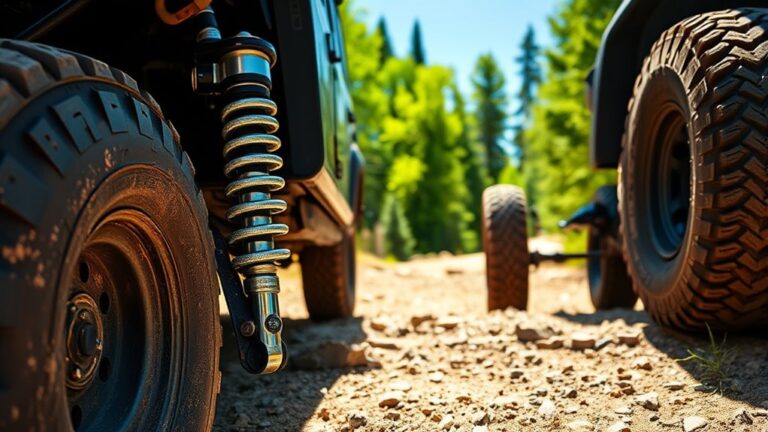
Worn suspension parts often cause the steering wheel to wobble by reducing stability and handling. Regular suspension inspections help spot worn or damaged components like shocks, struts, or bushings.
When these parts wear out, replacing them is crucial to restore smooth steering and prevent wobble at low speeds. During the inspection, look for leaks, cracks, or looseness in suspension components.
If you notice any issues, replacing the parts becomes necessary. Here’s a quick guide to common suspension parts and signs of wear:
| Suspension Part | Signs of Wear |
|---|---|
| Shocks/Struts | Leaks, excessive bouncing, uneven tire wear |
| Bushings | Cracks, squeaking, excessive play |
| Ball Joints | Looseness, uneven steering response |
| Tie Rod Ends | Play in steering, uneven tire wear |
| Control Arms | Visible damage, misalignment |
Focusing on suspension inspection and replacing worn parts on time helps keep your steering stable, reduces wobble, and boosts safety.
How to Detect and Fix Unbalanced or Damaged Wheel Bearings
If your car is acting up, you might notice some telltale signs like uneven tire wear, grinding noises, or vibrations while you’re driving. These could be clues that your wheel bearings are having some issues. To really figure out if that’s the case, you’ll want to take a closer look at the bearings themselves—check for any play or roughness when you move them, and listen carefully for any strange sounds as you rotate the wheel.
If you do find that the bearings are damaged or worn out, replacing them isn’t too complicated, but it’s definitely a crucial step. Doing so will help keep your ride smooth and free from wobbling or other handling problems. It’s one of those repairs that’s worth tackling sooner rather than later to avoid further damage or unsafe driving conditions.
Signs of Wheel Bearing Wear
Unusual noises and vibrations are clear signs that your wheel bearings might be worn or damaged. You might notice grinding, humming, or growling sounds when driving, especially during turns or at low speeds.
Feel for vibrations or looseness in the steering wheel, which can indicate wear indicators on the bearings. If you see wobbling or uneven tire wear, it’s a strong sign your wheel bearings aren’t working properly.
These issues often develop gradually, so paying attention to early signs can help prevent further damage. Ignoring these signs can lead to more serious problems like wheel failure or steering issues.
Regularly monitoring for these indicators helps you catch problems early and keep your vehicle safe on the road.
Inspection and Diagnosis Methods
To accurately identify if your wheel bearings are unbalanced or damaged, start with a thorough visual inspection of the steering components. Look for signs of wear, like uneven tire wear, rust, or scoring around the bearing area.
Next, perform vibration analysis by driving at low speeds and feeling for any unusual shaking or wobbling in the steering wheel. Pay close attention to vibrations that increase with speed or change when turning.
You can also jack up the vehicle and manually spin the wheels to listen for grinding noises or roughness, which indicate bearing issues. Combining visual checks with vibration analysis helps you diagnose whether your wheel bearings are causing the wobble and guides you toward the right repair or replacement steps.
Repair and Replacement Procedures
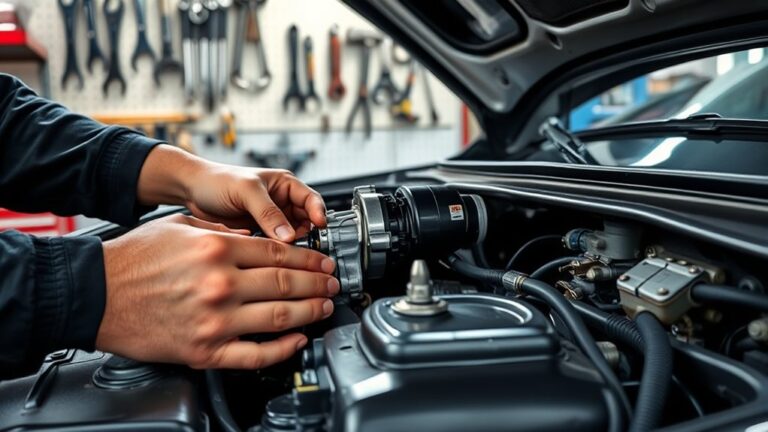
When you’ve spotted potential issues with your wheel bearings through inspection and diagnosis, the next step is to repair or replace the damaged parts. To do this properly, lift the vehicle and remove the wheel so you can access the steering components and hub assembly.
Carefully check the bearings for looseness, noise, or any visible damage. If you find worn or damaged bearings, replace them with high-quality parts to restore smooth vibration absorption and prevent wobbling.
Make sure to torque the new bearings correctly and reassemble the suspension, ensuring all fasteners are tight. When replacing wheel bearings, it’s a good idea to inspect the entire hub assembly for wear.
Also, take a moment to verify that other steering components are in good shape. Regular maintenance and proper installation are essential to prevent future problems and keep your steering smooth and stable.
Why Tire Pressure Matters for Steering Stability
Proper tire pressure is essential for maintaining steering stability because under- or over-inflated tires can cause uneven contact with the road, leading to wobbling and poor handling. When your tires aren’t at the correct pressure, the load isn’t evenly distributed, which can make steering more difficult.
Maintaining proper pressure guarantees better load distribution across the tire’s contact patch, resulting in improved grip and smoother steering. Regular tire rotation helps keep tire wear even, supporting consistent pressure levels and handling.
If tires are under-inflated, they flex more and generate heat, increasing the risk of wobble. Over-inflation reduces the tire’s footprint, decreasing traction and stability. Checking and maintaining the recommended tire pressure helps prevent uneven wear and ensures your tires perform at their best.
Properly inflated tires provide a stable driving experience, reducing wobbling and boosting overall safety at low speeds.
When and How to Perform a Wheel Alignment
Wheel alignment should be performed whenever you notice your steering pulls to one side, you see uneven tire wear, or after hitting a pothole or curb. Proper alignment ensures your tires contact the road evenly and keeps your steering stable.
To see if you need an alignment, look for signs like uneven tread or your steering wheel being off-center when driving straight. When getting an alignment, technicians use special equipment to adjust camber, caster, and toe angles.
These adjustments help fix misalignments that can cause wobbling or pulling. You should also think about an alignment if you feel steering vibrations or if your vehicle drifts while driving.
Keep in mind, some signs are subtle, so regular inspections are a good idea. Key things to watch for include uneven tire wear, steering wheel position, vehicle drift, and tire feathering.
It’s also wise to schedule an alignment after hitting something hard or doing suspension repairs. Regular checks help keep your vehicle running smoothly and your tires lasting longer.
Brake System Problems That Cause Steering Vibration
Brake system problems can often cause steering vibrations, especially during braking or when pressing the pedal. One common issue is warped brake rotors, which can create a pulsating sensation in the steering wheel. Warped rotors happen from excessive heat or uneven wear, leading to inconsistent contact with the brake pads.
Hydraulic issues, like low brake fluid or air in the brake lines, can also contribute to vibrations. These problems reduce braking efficiency and cause uneven pressure, which can transfer to the steering system. If you feel vibrations when braking at low speeds, check the brake rotors for warping or uneven surfaces.
Also, inspect the brake fluid level and look for leaks or trapped air in the hydraulic system. Addressing these brake system issues quickly can eliminate steering wobble and make your vehicle safer and easier to handle.
Preventive Tips to Keep Your Steering Smooth and Wobble-Free
To keep your steering smooth and wobble-free, regular maintenance is key. Make sure to check and maintain your tires and suspension to catch issues early.
Rotate your tires every 5,000–7,000 miles for even wear, which helps keep your steering stable and reduces wobbling at low speeds. Suspension maintenance is just as important—get your shocks and struts inspected and replaced if they’re worn out, as they directly affect steering stability.
Keep your wheel alignment in check after suspension work or tire rotation to prevent uneven tire wear and steering problems. Also, regularly inspect your tires for damage or irregular wear patterns that could cause wobbling.
Remember to keep tire pressures at the manufacturer-recommended levels for the best performance. Regular suspension inspections should be scheduled annually to catch any issues early.
When to Consult a Professional Mechanic for Steering Wobble
Wondering when to see a professional mechanic for steering wobble? If your steering wheel keeps wobbling even after trying to fix it, it’s time to get it checked out by a pro.
Wobbling at low speeds can be caused by unbalanced tires, misaligned wheels, or worn suspension parts. These issues need an expert’s diagnosis to fix properly.
Don’t wait if the wobble gets worse or happens suddenly. Ignoring it can cause more damage and make driving unsafe.
Address steering wobble immediately to prevent further damage and ensure safe driving.
A qualified mechanic can find the root cause, do the necessary repairs, and make sure your steering works smoothly.
Trusting a pro ensures all potential problems are addressed thoroughly. This gives you peace of mind and safer driving.
Getting mechanic help early can save you money by stopping bigger, more expensive problems from developing later on.
Frequently Asked Questions
Can Driving Habits Cause Steering Wheel Wobble at Low Speeds?
Yes, your driving habits and tire pressure can cause steering wheel wobble at low speeds. Aggressive driving, sudden turns, or hitting potholes can loosen suspension parts and lead to wobbling.
Also, incorrect tire pressure—either too high or too low—can cause uneven tire wear and make the car feel unstable. Keeping your tires properly inflated and driving smoothly can help prevent this issue.
Regular maintenance and gentle driving habits are key to avoiding steering wheel wobble. This makes your ride safer and more comfortable overall.
How Does Road Debris Impact Steering Stability?
Road debris can really affect your steering stability by causing uneven contact with your tires and throwing off your vehicle’s balance. When debris gets stuck in your tires or wheels, it can cause vibrations or wobbling.
Keeping your tire pressure up helps your tires stay resilient against debris, which can reduce wobbling. Be careful on rough roads, check your tires regularly, and remove any debris you find.
This way, you can keep your steering smooth and stable, especially at low speeds.
Are Aftermarket Wheels More Prone to Wobbling?
Yes, aftermarket wheels can be more prone to wobbling if their quality isn’t up to par. Low-quality aftermarket wheels often lack precise manufacturing standards, leading to imbalance or poor fitment.
Even with proper wheel alignment, inferior materials or design flaws can cause instability at low speeds. To prevent this, choose high-quality aftermarket wheels and get professional wheel alignment.
This way, you can safeguard your ride against unexpected wobbles.
Can Worn Brake Pads Contribute to Steering Vibration?
Worn brake pads can definitely contribute to steering vibration. As the brake pads wear down, uneven surfaces can cause vibrations when you brake, which you might feel in the steering wheel.
But keep in mind, vibrations aren’t always just from brake pads. They can also come from unbalanced wheels or suspension issues. If your steering feels wobbly, it’s a good idea to check the brake pads for wear and get to the root of the problem quickly.
How Often Should Steering Components Be Inspected for Wobble?
You should inspect your steering components every 10,000 to 15,000 miles or during regular tire rotations.
Imagine driving smoothly but noticing a slight wobble—that could mean misalignment or uneven tire pressure.
Regular checks help keep your steering alignment precise, preventing wobble and uneven tire wear.
Stay proactive; inspecting your steering system often keeps your vehicle safe and comfortable, especially when road conditions or driving habits change.
Conclusion
In the end, keeping your steering wheel smooth at low speeds is all about regular checks and timely fixes. Think of it as your modern chariot’s upkeep, much like a knight tending to his trusty steed.
Don’t ignore signs of wobble. Address them promptly to prevent more serious issues down the line.
With proper maintenance and a dash of diligence, you’ll steer clear of trouble. Enjoy a ride as steady as a ship on calm seas, thanks to proactive steering wheel wobble prevention.