How to Unlock Car Seat Belt: Easy Steps to Fix Jammed Belts
Dealing with a jammed car seat belt can be frustrating, and you’re not alone. Many drivers struggle with seat belts that won’t retract or latch properly, which can feel like a real hassle.
If your car seat belt is jammed, start by inspecting the belt for twists or debris that could be causing the issue, and gently try to straighten it out.
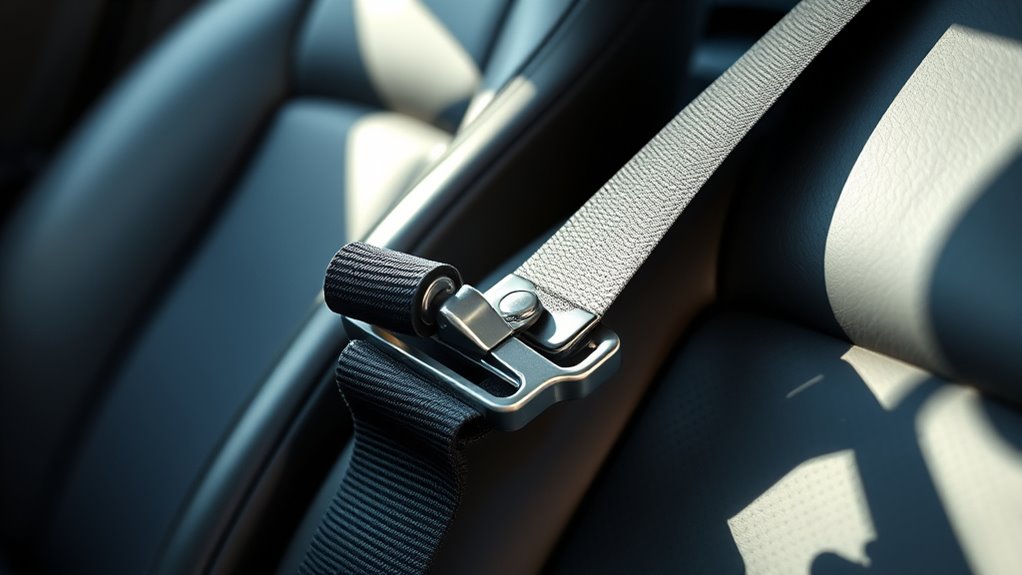
Check the retractor and buckle for obstructions or misalignment, and clean any dirt or grime from its parts.
Avoid forcing the belt, as this can cause more damage.
If you notice persistent problems or damage, professional repair might be needed.
Keep going, and you’ll uncover more effective tips to fix your seat belt easily.
Key Takeaways
- Gently pull the belt slowly to check for twists or obstructions that might be causing the jam.
- Take a look at the retractor and buckle area for dirt, debris, or misalignment.
- Remove any visible debris and carefully straighten out any twists to free the belt.
- If needed, apply a small amount of automotive-grade lubricant to the moving parts.
- If the belt is still stuck or shows signs of damage, it’s best to seek professional repair.
What Causes a Car Seat Belt to Jam?
A car seat belt can jam for several reasons, often related to dirt, debris, or damage inside the retractor. When dirt or small particles get into the mechanism, they can block the belt’s smooth movement, making it harder to retract and causing it to stick.
Over time, dust or grime buildup can also weaken the internal parts. This might lead to issues with the buckle or cause the belt to be tight and won’t move freely. If the belt is pulled out too quickly or unevenly, it can twist or catch, making retraction even more difficult.
Dust and grime buildup can weaken internal parts, causing the belt to stick or be difficult to retract.
Damaged or worn-out parts inside the retractor can also stop the belt from retracting properly, leading to jams. Sometimes, the problem isn’t the belt but the buckle, which might be misaligned or clogged with debris, trapping the belt.
Regular maintenance and inspection can help prevent these issues and keep your seat belt working smoothly.
How to Check If Your Seat Belt Is Twisted or Caught
To make sure your seat belt works smoothly, check if it’s twisted or caught before pulling it all the way out. A twisted belt can be uncomfortable and might not lock properly, while a caught mechanism could stop the belt from retracting.
Look along the length of the belt for twists or kinks. Then, check the belt’s path through the retractor and guide loops. Gently pull on the belt to see if it catches or resists movement.
Examine the latch plate and buckle for any obstructions or damage. If you find a twisted belt, carefully straighten it out to see if it runs smoothly through the retractor. For a caught mechanism, avoid forcing the belt—it could make things worse.
Try to identify where the catch is happening and remove any obstructions. Properly checking these issues helps prevent more damage and makes sure your seat belt functions correctly.
Simple Steps to Fix a Jammed Seat Belt
If your seat belt is jammed, the first thing you want to do is find out exactly where it’s stuck. Once you’ve pinpointed the problem spot, you can start trying to fix it.
Gently pulling or releasing the belt can often do the trick. Just take it slow and be careful—rushing might make things worse. Usually, these simple steps are enough to get your seat belt working smoothly again, quickly and safely.
Identify the Jammed Section
Sometimes, a seat belt gets jammed and won’t slide smoothly. To fix this, you need to identify the jammed section. Start with jam detection by gently pulling the belt to see where resistance occurs.
Do a thorough belt inspection, checking for twists, tears, or debris blocking the track. Look closely at the retractor, latch, and any visible guide mechanisms. Common problem areas include the retractor spool or the buckle slot.
Check for visible obstructions or debris in the belt path. Feel for uneven tension or resistance along the belt. Observe if the belt is twisted or tangled. Confirm if the latch mechanism moves freely or is stuck.
Use Proper Fixing Techniques
Once you’ve found the jammed part, it’s time to use proper fixing techniques to free the seat belt. Start by gently pulling on the belt to see if it’s aligned correctly; misalignment can cause jams.
Check that the belt is straight and seated properly in the retractor, avoiding any twists or knots. If there’s slack, slowly retract the belt to restore proper tension, which helps realign it and prevents future jams.
Avoid forcing the belt, as this could damage the mechanism. Instead, use smooth, controlled motions to adjust the belt’s position. Keeping the belt aligned and properly tensioned is key to preventing jams.
Once everything looks good, test the belt’s movement. Make sure it retracts smoothly and locks correctly before using it again.
How to Safely Repair Retractable Seat Belts
If you want to repair your retractable seat belts safely, the first thing you should do is take a good look at the belt mechanism. Check for any signs of damage, fraying, or wear that might compromise its safety. It’s really important to be thorough here so you know exactly what needs fixing.
Then, move on to inspecting the area around the belt for any obstructions. Sometimes dirt, debris, or other objects can get stuck and block the belt from moving smoothly. Carefully remove any blockages you find to make sure the belt can retract and extend without issues.
Lastly, you can apply a bit of lubricant to the moving parts. Just use a light, automotive-grade lubricant and make sure to coat the relevant areas. This will help everything operate smoothly and reduce the chances of jams or sticking in the future. Remember, safety first—if you’re unsure about anything, it’s always best to consult a professional.
Inspect Belt Mechanism
Begin by carefully examining the belt mechanism for visible signs of damage or obstructions. During the inspection, focus on the retractor, latch plate, and webbing for any tears, rust, or debris that could hinder movement.
Conduct a thorough mechanism evaluation to identify issues like misalignment or stuck components. Check for corrosion or rust around the retractor housing.
Inspect the webbing for frays or tears and confirm that the latch plate moves smoothly. Look for debris or dirt blocking the mechanism.
Clear Obstructions Properly
If you notice the seat belt retracts slowly or gets stuck, debris or obstructions might be blocking the mechanism. Start by inspecting the retractor area for dirt, leaves, or small objects that could be causing the issue.
Use a soft cloth or compressed air to gently remove any debris. Be careful not to use force, as that could damage the components. During regular maintenance, check for signs of wear or damage that might lead to jams.
It’s a good idea to perform safety inspections periodically to catch problems early. If you’ve cleared debris but the belt still sticks, consider consulting a professional to ensure your seat belt system stays safe and working properly.
Properly clearing obstructions not only helps keep the seat belt operating smoothly but also extends its lifespan.
Lubricate Moving Parts
Applying a suitable lubricant to the moving parts of your retractable seat belt can greatly improve its function. Proper belt maintenance involves regular lubrication techniques to prevent sticking or jamming.
Use a silicone spray or a light machine oil, avoiding harsh chemicals that could damage the components. Before applying, make sure the belt is clean and free of dirt or debris.
Spray or apply the lubricant sparingly to the retractor mechanism, track, and latch components. Gently work the belt in and out to distribute the lubricant evenly.
This simple step helps reduce friction and keeps the belt operating smoothly. Regular lubrication is key to preventing future jams and extending the lifespan of your seat belt system.
When and How to Use Lubricants Like WD-40 on Your Seat Belt
Using lubricants like WD-40 on your seat belt should only be considered when the belt becomes noticeably sticky, squeaky, or difficult to pull smoothly.
Before applying, identify the problem area—usually the retractor or latch. When choosing lubricant types, opt for a lightweight, silicone-based spray or a dry lubricant, avoiding thick greases that can attract dirt.
Application methods matter: spray a small amount onto a clean cloth first, then gently wipe along the belt track and moving parts. Avoid oversaturating to prevent debris buildup.
Make certain to keep the lubricant away from the belt fabric itself, as it can weaken the material over time. Use a light touch to guarantee smooth operation without creating a mess or compromising safety.
Tips to Prevent Seat Belt Jamming in the Future
To avoid seat belt jamming, it’s a good idea to clean the belt and retractor area regularly. Dust, dirt, and debris can cause the belt to stick or get stuck, so a quick clean can make a big difference.
Also, if you notice the belt feels stuck, try not to pull or force it. Instead, check for any obstructions or twists that might be causing the problem. Sometimes, a simple adjustment can get everything working smoothly again.
Regularly Clean Seat Belt
Keeping your seat belt clean is a simple but effective way to prevent it from jamming over time. Regular maintenance involves using proper cleaning techniques to remove dirt, dust, and grime that can cause sticking or wear.
To keep your seat belt functioning smoothly, consider these tips:
- Use a mild soap and warm water to gently clean the belt fabric.
- Avoid harsh chemicals that can weaken the material.
- Wipe down the buckle and retractor with a damp cloth.
- Let the belt air dry completely before use.
Consistent cleaning prevents debris buildup that can interfere with the belt’s movement. Incorporate these techniques into your routine, and you’ll reduce the risk of jamming, keeping your seat belt reliable and safe.
Avoid Excessive Force
Excessive force applied to the seat belt can cause it to jam or become damaged over time. To prevent this, focus on proper handling during seat belt use and maintenance.
Avoid yanking or pulling the belt abruptly, as this puts unnecessary strain on the mechanism. Instead, gently pull the belt and let it retract smoothly.
Regular seat belt maintenance includes inspecting for signs of wear or damage, which can lead to jamming if ignored. When you handle the seat belt carefully, you reduce the risk of internal components getting misaligned or broken.
Being mindful of how you operate your seat belt promotes longevity and smooth operation, saving you from future jams or costly repairs. Proper handling is key to keeping your seat belt functioning reliably.
Check for Obstructions
Obstructions in the seat belt path can cause it to jam or prevent it from retracting smoothly. To avoid future issues, regularly check for obstructions like debris, twisted fabric, or foreign objects that might get lodged in the belt mechanism.
Use inspection tools such as a flashlight or a mirror to thoroughly examine the belt track and retractor area. Look for signs of wear or damage that could contribute to jamming.
Keep the belt clean and free of dirt or small particles that could hinder smooth operation. If you spot an obstruction, carefully remove it and test the belt’s movement.
Regular inspections help catch potential problems early, ensuring your seat belt stays functional and reliable.
Signs Your Seat Belt Mechanism Needs Professional Repair
If your seat belt mechanism isn’t working properly, you’ll probably notice some clear signs that it needs professional repair. One common sign is trouble locking or releasing smoothly, which could mean internal damage or wear.
If the seat belt jams or gets stuck during use, it’s a sign that the mechanism needs attention beyond basic maintenance. Also, if it retracts slowly or doesn’t stay locked, your safety could be at risk, and you should get it checked by an expert.
Unusual noises when buckling or unbuckling are another indicator of mechanical issues. Ignoring these signs can compromise your safety, so it’s important to have a professional evaluate the problem.
Proper seat belt maintenance is key, but some problems are best handled by experts who can diagnose and fix things correctly. Spotting these signs early helps prevent further damage and ensures your seat belt works reliably.
Common Mistakes to Avoid When Fixing a Jammed Seat Belt
When fixing a jammed seat belt, it’s easy to make mistakes that can make things worse or even compromise safety. Recognizing these common errors helps you troubleshoot safely and effectively.
Avoid mistakes when fixing a jammed seat belt to ensure safety and proper function.
For example, don’t yank or force the belt, as this can damage the mechanism further. Also, avoid using excessive force with tools—this might break parts or make the jam worse. Be cautious about disassembling the seat belt components unless you’re confident in your skills, since improper handling can be dangerous. And finally, don’t rush through the process; patience is key to avoiding mistakes.
To prevent more issues, keep these tips in mind:
- Don’t ignore visible damage; it may need professional repair
- Avoid using makeshift tools that aren’t meant for seat belts
- Don’t try to fix complex problems unless you have proper knowledge
- Refrain from applying too much force when trying to free the belt
FAQs: Troubleshooting Your Jammed Seat Belt
Dealing with a jammed seat belt can be frustrating, but troubleshooting common issues often provides quick solutions. Start by checking for obstructions or dirt that might be preventing the belt from moving smoothly. Sometimes, debris or a twisted belt can cause jamming, so clean and realign the belt if needed.
If the seat belt is stuck in the retracted position, gently pull it out and release it slowly to see if it frees up. Remember, seat belt safety is vital, so never force the belt too hard, as this could damage the mechanism.
In emergency situations, a jammed seat belt can delay your response, so knowing how to troubleshoot quickly is essential. If simple fixes don’t work, contact a professional to avoid risking further damage or compromising safety.
Always prioritize safety and avoid bypassing or forcing the seat belt, ensuring it functions correctly when you need it most.
Is It Time to Replace Your Seat Belt? Key Indicators
A jammed seat belt might seem like a small issue, but it could mean your safety gear needs attention. Over time, seat belts can wear out, so knowing when to replace them is important for your safety.
Look out for frayed or torn webbing, trouble retracting or locking the belt, or visible damage from accidents or rust. These are signs it might be time to get a new one.
Most manufacturers suggest replacing seat belts every 5 to 10 years, even if they seem fine. Safety rules also often require replacing them after a collision, even if they look okay.
Regularly inspecting your seat belt helps ensure it works properly and meets safety standards. If you notice any of these signs, it’s best to replace your seat belt to stay safe and compliant.
Frequently Asked Questions
Can a Jammed Seat Belt Be a Safety Hazard?
Yes, a jammed seat belt can be a safety hazard because it might stop you from securing yourself properly.
Regular seat belt maintenance helps ensure it works correctly, which reduces risks during accidents.
Always follow safety precautions and avoid forcing a jammed belt, as this could damage the mechanism further.
If your seat belt remains stuck, it’s best to get it checked by a professional to make sure it will protect you in an emergency.
How Often Should I Inspect My Seat Belt for Jams?
You should inspect your seat belt for jams at least once every three to six months as part of regular maintenance.
During inspection, look for signs of fraying, twisting, or damage. Also, check that the retractor moves smoothly.
Following these tips helps keep your seat belt working properly and prevents safety issues.
Regular checks catch problems early, so your safety is always protected when you drive.
Is It Safe to Force a Stuck Seat Belt?
You should avoid forcing a stuck seat belt because it can damage the seat belt mechanisms, making them unsafe. Forcing it might also compromise emergency procedures if you need to quickly release the belt.
Instead, try gentle maneuvers or consult your vehicle’s manual for troubleshooting tips. If it still won’t budge, it’s best to have a professional inspect and repair the seat belt.
This way, you can ensure it functions properly and keeps you safe.
Do Seat Belts Have a Recommended Lifespan?
Did you know that seat belts are designed to last about 5 to 10 years? The lifespan depends on the materials used and how well you maintain them.
Over time, these materials can break down, which means they might not protect you as well. It’s a good idea to check your seat belt regularly for fraying or signs of wear.
If you notice any damage, it’s best to replace it. Proper maintenance keeps your seat belt reliable and ready to protect you when you need it most.
Can Children Fix a Jammed Seat Belt Themselves?
Children shouldn’t try fixing a jammed seat belt themselves, as seat belt safety is essential and requires adult supervision. You need to guarantee the belt functions properly to keep everyone safe.
Instead, teach your child about seat belt safety and responsibility by telling them to alert an adult if they notice a jam. Always handle seat belt issues with care and involve a responsible adult to fix the problem properly.
Conclusion
When your seat belt’s stubbornness stalls, staying safe starts with quick, confident steps.
Identify the problem, check for twists, and try simple fixes to avoid bigger issues and keep everyone safe.
If your belt is jammed, don’t ignore it.
Professional help is worth it if you’re unsure—peace of mind matters.
Taking your time and following proper steps ensures your belt stays secure and reliable.
Remember, staying patient and careful with your seat belt can make all the difference.
Keep your car comfortable and safe by knowing how to unlock a jammed seat belt when needed.