Buzzing Noise After Turning Car Off 6 Potential Causes & Solutions
If you’ve ever been startled by a buzzing noise after turning off your car, you’re not alone. Many drivers find this sound frustrating and confusing, wondering what’s causing it. Understanding the potential reasons can help you address the issue more confidently.
A buzzing noise after turning off your car can stem from electrical issues like faulty relays, wiring problems, or components still drawing power, such as fuel pumps or cooling fans.
Mechanical causes include loose belts or engine vibrations. To diagnose, note when the noise occurs and listen carefully for its source.
Simple fixes like checking wiring or belts might help, but if it persists, knowing more can help you decide if a mechanic’s needed.
Key Takeaways
- Electrical components like relays or alarms may keep drawing power after you turn off the car, causing that buzzing sound.
- Loose or damaged wiring can create electrical interference, leading to a persistent buzzing noise.
- Mechanical parts such as cooling fans or belts might still be running or vibrating, which produces noise even after shutdown.
- Fuel system parts, including injectors or pressure regulators, can generate buzzing during or after you turn off the engine.
- If the buzzing continues, it’s a good idea to get a professional diagnosis to avoid further electrical or mechanical issues.
Why Does My Car Buzz After Turning Off?
Have you ever noticed a buzzing noise coming from your car after you turn it off? That buzzing might seem strange, but it’s often caused by parts still cooling down or releasing pressure. Many people think the noise points to a serious problem, but that’s usually a misconception.
In reality, certain components like relays or cooling fans keep running briefly after you shut off the engine. This humming or buzzing sound is generally harmless and part of the normal process as your vehicle stabilizes. Some systems need to release built-up pressure or residual energy, which can create that noise.
Understanding this can help you avoid unnecessary worries. However, if the buzzing persists for a long time or gets louder, it could mean something else is wrong. In that case, it’s a good idea to have a mechanic check it out to rule out any underlying issues.
Electrical Causes of Car Buzzing Noise
Electrical issues are a common cause of buzzing noises in cars after they’re turned off. Wiring problems, like loose or damaged connections, can cause electrical interference that results in a buzzing sound.
When wires are frayed or not properly insulated, they might cause short circuits or unwanted current flow. This can lead to persistent buzzing even after the engine is off.
Frayed or poorly insulated wires can cause shorts and continuous buzzing after the engine stops.
Relay malfunctions are another common culprit. A faulty relay might keep sending power to certain parts, making them vibrate or produce noise.
These relays are meant to switch circuits on and off, but if they stick or fail, they can generate that buzzing sound.
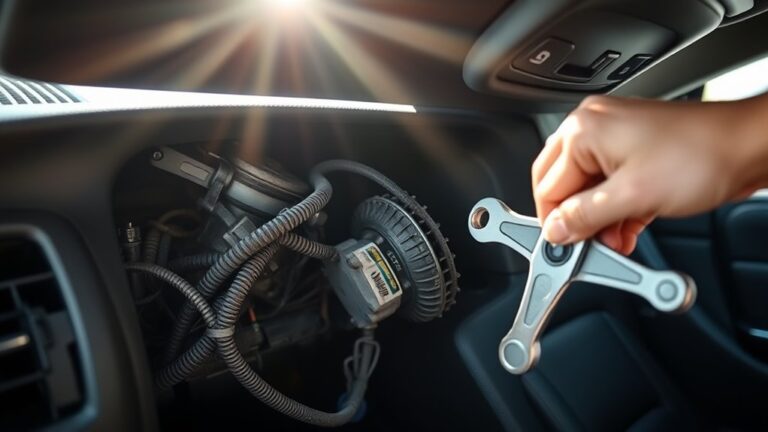
To fix these issues, check the wiring harness for any damage and test the relays with a multimeter. Fixing wiring problems and replacing malfunctioning relays can stop the buzzing and prevent electrical issues down the line.
Mechanical Reasons Your Car Might Be Buzzing
Your car might start buzzing because those cooling fans keep running even after you’ve turned off the engine. It’s pretty common, especially on hot days or if the system is working hard to cool down the engine.
Another thing to check is the belts. If they’re loose or worn out, they can vibrate and make a buzzing noise. Sometimes, they might even be improperly tensioned, which only makes the sound worse.
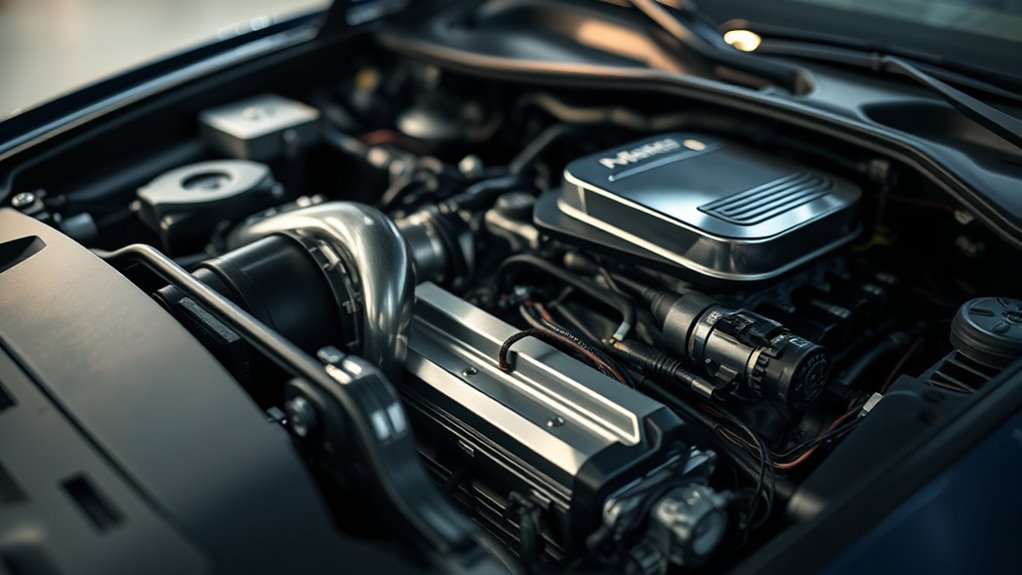
And don’t forget about the engine components—they can sometimes resonate and produce that buzzing sound that sticks around even after you’ve turned off the car. It’s usually nothing to worry about, but it’s good to keep an ear out for any unusual noises.
Cooling Fans Running
Cooling fans often continue to run after you turn off the engine to help regulate temperature and prevent overheating. This fan operation is part of the cooling system’s safety mechanism.
If the fans keep buzzing or running longer than usual, it might be a mechanical issue. Common causes include a faulty temperature sensor, a stuck relay, or wiring problems that interfere with proper fan operation.
These issues can lead to unnecessary noises and put extra strain on your cooling system. If your fans won’t stop or seem too loud, it’s a good idea to check the fan components.
Fixing these mechanical problems helps prevent further damage and keeps your cooling system working smoothly.
Loose Belt Vibrations
When cooling fans keep buzzing after you turn off the engine, loose belts might be the cause. Over time, a belt that isn’t tight enough can cause vibrations that resonate and produce that annoying buzzing sound.
If the belt isn’t properly tensioned, it can’t absorb vibrations effectively, leading to noise even after shutdown. Checking the belt tension and making sure it’s tight enough can help fix this problem.
| Loose Belt | Poor Tension | Excess Vibration |
|---|---|---|
| Creates noise | Causes rattling | Amplifies buzzing |
| Needs adjustment | Needs tightening | Needs replacement |
Fixing these mechanical issues restores quiet and helps prevent further damage. Proper belt tension and vibration dampening are essential for a smooth, quiet ride.
Engine Components Resonance
Engine components can resonate when vibrations from the engine or cooling system match their natural frequencies. This causes a buzzing noise that can persist even after turning off the car.
This resonance amplifies vibrations, making certain parts buzz more than usual. Proper vibration dampening is key to reducing this.
Common causes include loose mounting brackets that let parts vibrate freely, worn engine mounts that fail to absorb resonance, and not enough vibration dampening materials around critical areas.
To fix these issues, tighten loose parts, replace worn mounts, or add damping materials to minimize resonance.
Spotting and fixing engine resonance can get rid of that annoying buzzing noise and bring quiet back to your vehicle.
How to Diagnose the Buzzing Sound in Your Car
To diagnose the buzzing sound after turning off your car, start by paying close attention to when the noise happens and where it seems to come from.
Note if the sound occurs immediately after shutdown or if it persists for a while. Listen carefully to identify the buzzing frequency—whether it’s high-pitched, low, or irregular—and try to pinpoint the source, like near the engine, dashboard, or underneath the vehicle.
Use this table to help categorize your observations:
| When it occurs | Buzzing frequency | Possible sound source |
|---|---|---|
| Immediately after off | High-pitched | Electrical components |
| A few minutes later | Low or irregular | Cooling or heating systems |
| Persistent for hours | Varies | Exhaust or radiator |
Make sure to document what you notice. This will help you narrow down the potential causes and decide if you need to do further inspection or seek professional help.
DIY Fixes for Common Causes of Car Buzzing
Many common causes of car buzzing can often be fixed with simple DIY solutions, saving you time and money. First, don’t fall for buzzing myths that only professionals can fix; some issues are straightforward.
Here are troubleshooting tips to help you address common buzzing causes:
- Check the radiator fan: Sometimes, debris or loose blades cause a buzzing sound. Clean or tighten the fan blades as needed.
- Inspect the HVAC system: Loose or vibrating vents can create noise. Secure any loose panels or replace worn filters.
- Examine the electrical relay: A faulty relay might buzz when switching off. Replacing it is often a quick fix you can do yourself.
Always verify the cause before attempting repairs, and keep in mind that simple troubleshooting tips can often resolve buzzing myths and common issues efficiently.
When to See a Mechanic for Persistent Buzzing
Persistent buzzing that doesn’t go away after trying basic fixes is a clear sign you should see a mechanic. Ignoring it could lead to bigger problems or more expensive repairs down the line.
If your car keeps buzzing even after turning off, it’s time to get a professional to look at it. Regular maintenance helps catch issues early, but persistent sounds need an expert’s diagnosis to find the root cause.
Don’t rely only on DIY fixes if the noise sticks around. It could be electrical issues, faulty relays, or other mechanical problems that need a professional’s touch.
When the buzzing becomes noticeable or disruptive, make an appointment with a trusted mechanic. They can run thorough diagnostics and ensure everything’s working properly.
Addressing the problem quickly not only improves comfort but also prevents further damage. This saves you time and money in the long run.
Frequently Asked Questions
Can a Buzzing Noise Indicate a Serious Engine Problem?
A buzzing noise can sometimes signal serious engine problems, especially if it continues after you’ve turned off your car.
It might be caused by mechanical issues like failing parts or electrical glitches that need engine diagnostics.
Ignoring these sounds can lead to more damage or even breakdowns.
It’s best to have a mechanic check your vehicle quickly to find and fix the underlying problem before it gets worse.
Is It Safe to Drive With a Buzzing Noise After Turning Off?
It’s generally not safe to drive if you hear a buzzing noise after turning off your car, especially if it’s caused by electrical issues or mysterious buzzing sources.
This sound could mean there’s a problem that might affect your vehicle’s safety or electrical system.
You should have a mechanic check the car promptly to find out what’s causing it.
This way, you can keep your vehicle reliable and avoid potential damage or hazards.
How Long Does a Typical Car Buzzing Sound Last?
On average, a buzzing noise after turning off your car lasts just a few seconds to a minute.
This usually depends on common sources like relays or cooling fans.
The buzzing typically stops quickly once these parts finish their cycle.
If it lasts longer than a minute, it could be a sign of something more serious.
In that case, it’s a good idea to have your vehicle checked out.
Most buzzing sounds are normal, but if it persists, don’t ignore it.
Does Climate Affect the Likelihood of a Buzzing Noise?
Climate impact definitely influences the noise frequency of a buzzing sound after you turn off your car. In hot or humid weather, metal parts may expand or contract, increasing the chances of vibrations that cause buzzing.
Conversely, cold weather can make components more brittle, leading to more frequent noise issues. So, environmental conditions can make the buzzing noise more or less noticeable, depending on how the climate affects your vehicle’s materials.
Can Aftermarket Accessories Cause a Buzzing Noise?
Ever wondered if aftermarket accessories cause that annoying buzzing? They definitely can, especially after installation, due to electrical interference.
When you add new devices or upgrades, they might disrupt the vehicle’s electrical system and create a buzzing noise after you turn off your car. To fix this, check your aftermarket installation, guarantee proper wiring, and consider professional help if the noise persists.
You shouldn’t have to deal with constant interruptions.
Conclusion
If your car’s buzzing noise after turning off feels like a relentless swarm of bees, don’t ignore it.
Whether it’s an electrical glitch or a mechanical hiccup, addressing the issue promptly can save you from future breakdowns and costly repairs.
With a little troubleshooting and expert help if needed, you can silence that ominous hum and restore peace to your ride.
Remember, every second you delay could turn into a buzzing symphony you’d rather avoid!
If you’re hearing a buzzing noise after turning off your car, it’s important to identify the cause early.
Ignoring it might lead to bigger problems down the line.
Common causes include faulty relays, electrical issues, or even a stuck relay.
Luckily, most of these problems are fixable with some basic checks or professional help.
Taking action now can prevent a small annoyance from turning into a costly repair.
So, don’t let that buzzing noise continue—address it with confidence and get back to a quiet, peaceful ride.