Why Your Steering Wheel Shakes After New Brakes & Rotors – Solutions & Fixes
If your steering wheel shakes after getting new brakes and rotors, you’re not alone. Many drivers struggle with this frustrating issue, wondering what went wrong.
It’s often caused by improper installation, warped rotors, or unbalanced wheels. First, check that the rotors are correctly aligned and that lug nuts are tightened to the manufacturer’s specs.
Uneven brake pads or loose parts can also lead to vibrations when you brake. To fix this, ensure everything is installed properly and consider resurfacing or replacing warped rotors.
Keep going to discover more tips to resolve this issue effectively and get a smooth, vibration-free ride.
Key Takeaways
- Improper rotor installation or uneven torque can cause vibrations after brake work.
- Warped rotors from overheating or poor installation often lead to steering wheel shaking.
- Uneven brake pad contact or misaligned calipers can also contribute to vibrations during braking.
- Wheel imbalance or misaligned tires might mimic shaking, especially at higher speeds.
- Loose or damaged lug nuts affect stability and can cause steering wheel vibrations after a brake replacement.
Why Is My Steering Wheel Shaking After Brake Replacement?
Have you recently replaced your brakes and noticed your steering wheel shaking? This common issue often points to problems that happened during brake installation.
When you do a brake replacement, if the components aren’t installed properly, it can lead to uneven contact between the brake pads and rotors, causing vibrations.
During vibration diagnosis, technicians check for loose or unevenly torqued parts, warped rotors, or misaligned calipers.
If the rotors weren’t resurfaced or replaced correctly, they might be causing the shaking. Even a small imbalance in the brake assembly can transfer vibrations to the steering wheel.
It’s important to address these issues quickly because they can affect your vehicle’s handling and safety.
A professional inspection can help figure out if the shaking is due to a misaligned rotor, uneven brake pad wear, or other installation mistakes.
Fixing these problems usually means redoing the brake installation, making sure everything is aligned and torqued properly.
Common Causes of Steering Vibration After New Brakes
When your steering wheel starts to shake after installing new brakes, it’s important to find out what’s causing it to get back to smooth driving. Common reasons often come down to issues during brake installation or how the vibration was diagnosed.
Steering wheel shake after brake installation often signals installation issues or misdiagnosed vibration causes.
If the brake pads weren’t installed correctly or the calipers are misaligned, uneven pressure can cause that shaking feeling. Warped rotors are also a common culprit, even a slight warp can make the steering wheel vibrate noticeably.
During diagnostics, you might notice the shaking gets worse when braking or at certain speeds. Loose or improperly torqued lug nuts can also lead to steering wheel vibration.
Making sure all components are installed correctly and fasteners are tightened to the manufacturer’s specs usually fixes these issues. Knowing these common causes can help you tell if your steering vibration is due to brake installation errors or other underlying problems.
Did You Install the Rotors Correctly?
Did you make sure the rotors are installed correctly? It’s important to align them properly and ensure they’re sitting flat against the hub—that way, you can prevent any vibrations while driving.
Also, double-check that you’ve applied the right amount of torque to all the mounting bolts. This helps avoid uneven pressure, which can cause problems down the line.
Lastly, just give everything a quick once-over to confirm that the rotors are securely mounted and all the hardware is tightened properly. A little extra effort here can save you a lot of hassle later!
Proper Rotor Alignment
Proper rotor alignment is essential to ensure your brakes work smoothly and vibrations are eliminated. During rotor installation, make sure the rotors are aligned correctly with the hub and caliper.
Misalignment can cause uneven contact between the brake pads and rotor surface, leading to steering wheel shakes. Double-check that the rotors sit flush against the hub without gaps or wobbling.
Use a dial indicator if needed to confirm the rotor’s position. Incorrect installation can also cause uneven wear and vibrations.
Take your time to align the rotors precisely before tightening the mounting bolts. Proper rotor alignment not only improves braking performance but also prevents future vibrations and steering issues.
Getting this right is a vital step for safe, smooth stopping.
Correct Torque Application
Applying the correct torque to your rotor mounting bolts is essential to keep them secure without causing damage. Using a torque wrench ensures you meet the specified torque, preventing overtightening or under-tightening that can lead to vibrations or rotor warping.
Proper torque application guarantees your brakes perform smoothly and safely. It helps avoid future issues like steering wheel shakes and uneven brake wear. When tightening, follow the manufacturer’s recommended torque sequence and specifications.
Remember, neglecting this step could lead to loose bolts, warped rotors, and vibrations. It also increases safety risks during braking.
Feel confident knowing your installation is precise and secure. Always double-check torque specs and use a quality torque wrench to confirm your work is spot-on. Your safety depends on it!
Ensuring Secure Mounting
Ensuring your rotors are securely mounted is key to preventing vibrations and steering wheel shakes after brake installation.
During brake installation, follow the proper procedures and torque specifications to avoid loose rotors. Always inspect the rotor thoroughly before installing, looking for warping, cracks, or debris that could cause uneven contact.
When installing, make sure the rotors sit flush against the hub surface and that all mounting hardware is tightened correctly. Use a torque wrench to apply even pressure to all bolts, preventing any movement or misalignment.
Double-check that the rotor is centered and secure before moving on with the rest of the brake assembly. Proper mounting and inspection are essential for smooth braking and eliminating steering wheel vibrations.
Can Uneven Brake Pads Cause Steering Shake?
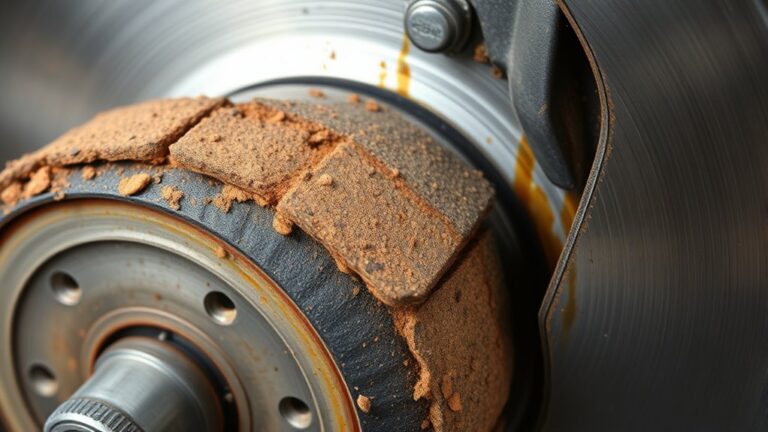
Have you noticed your steering wheel shaking more than usual after recent brake work? Uneven brake pads can definitely be the cause. When brake pad wear isn’t even, it causes inconsistent contact with the rotor, leading to vibrations that travel through your steering wheel.
Uneven brake pads cause steering wheel vibrations and rough braking; get them checked and replaced promptly.
Poor pad installation or uneven wear can create rough spots on the pad surface. These rough spots then translate into steering shake. This issue can make your drive uncomfortable and even unsafe.
Be alert to these warning signs:
- Sudden, persistent vibrations in the steering wheel
- Uneven brake pad wear patterns
- Feeling of roughness or pulsing when braking
If you suspect uneven brake pads, it’s important to have them checked and properly replaced. Ensuring correct pad installation and addressing uneven wear can restore smooth braking and eliminate steering wheel shake.
How Do I Know If My Rotors Are Warped?
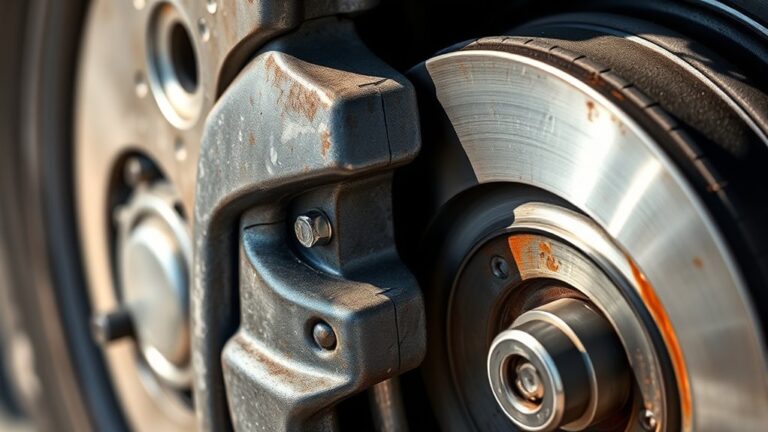
How can you tell if your rotors are warped? During a rotor inspection, you’ll notice uneven surface ridges or a visible wobble when you spin the rotor by hand.
Warped rotors often cause vibration issues, making your steering wheel shake or pulse when you brake. If you feel a pulsating sensation or inconsistent brake pedal feel, it could be a sign that your rotors are warped.
To be sure, you can remove the wheel and visually check the rotor surface for uneven wear or warping. Sometimes, a professional brake service will use a dial indicator to measure rotor warping precisely.
Keep in mind that warping is usually caused by overheating or uneven brake pad wear. Catching warped rotors early can prevent further damage and ensure smooth, safe stopping.
Check If Your Wheels Are Properly Balanced
If your steering wheel starts to shake, one thing you should definitely check is whether your wheels are properly balanced. Sometimes, those vibrations can be a sign that something’s just a little out of whack.
Keep an eye on how the shakes happen—if they only happen at certain speeds, it could be a clue that your wheels are off balance. Getting them balanced correctly not only gives you a smoother ride but also helps prevent any bigger steering problems down the road.
Verify Wheel Balance Accuracy
Even if your brakes and rotors were recently replaced, uneven wheel balance can still cause your steering wheel to shake. To ensure smooth driving, check that your wheels are properly balanced. Start by inspecting your tire pressure—under- or over-inflated tires can mimic imbalance issues.
Next, consider your wheel alignment, as misalignment affects both balance and handling. If you notice a persistent, unsettling vibration in your steering wheel, your car pulling to one side unexpectedly, or uneven tire wear, those could be signs of imbalance or alignment problems.
Proper balancing restores stability, reduces vibrations, and helps your tires last longer. Don’t overlook these steps—they’re essential for a safe and comfortable ride.
Detect Vibration Patterns
When your steering wheel vibrates, paying attention to the vibration pattern can help you figure out if your wheels are properly balanced. Observing if the shaking happens at certain speeds or driving conditions is key.
For example, if the vibration gets worse around 60-70 mph and then eases up, it usually means your wheels are unbalanced. Listen to how the steering feels—steady, rhythmic vibrations often point to a wheel imbalance.
On the other hand, irregular or random shakes might be caused by other issues. Make note of when and how the vibrations occur, as this info can help you or a mechanic identify the problem faster.
Understanding these vibration patterns is important for making an accurate diagnosis and keeping your wheels balanced for a smooth ride.
Are Loose or Damaged Lug Nuts Affecting Your Drive?
Loose or damaged lug nuts can seriously affect your vehicle’s stability and safety. If your lug nut torque isn’t right, your wheels might not stay securely in place, which can cause dangerous vibrations or even wheel separation.
Damaged lug nuts can strip or crack, leading to uneven driving and putting your safety at risk. Poor wheel alignment combined with loose or faulty lug nuts can make your steering wheel shake more, especially after brake work.
Damaged lug nuts and poor alignment can cause steering shake and unsafe driving conditions.
Make sure to check your lug nuts regularly and tighten them to the manufacturer’s recommended torque specs. If you see any damage, replace them right away. Always verify proper wheel alignment after installing new brakes or rotors to avoid uneven wear and vibrations.
Ignoring loose or damaged lug nuts can lead to serious accidents or costly repairs later on. Watch out for signs like feeling your steering wobble more than usual, uneven brake wear, vibrations, or a sudden loss of control while driving.
Should You Resurface or Replace Your Warped Rotors?
If your steering wheel starts shaking after you’ve swapped out your brakes and rotors, chances are your rotors might be warped. It’s one of those frustrating things that can happen, and now you’re probably wondering whether to resurface them or just replace them altogether.
Deciding between resurfacing and replacing depends on a few things, like how much the rotors are warped, what your budget looks like, and how long you want the fix to last. Resurfacing can be a quicker and cheaper fix, but it only works if the warping isn’t too severe. On the other hand, replacing the rotors might cost a bit more upfront, but it can give you peace of mind knowing you’re starting fresh with new parts that should last longer.
Knowing the signs of warping and weighing the pros and cons of each option can help you make the best call for your car and your wallet.
Signs of Rotor Warping
Rotor warping often shows up as a noticeable vibration or pulsation in your steering wheel when you brake. If you feel this, it’s a clear sign that your rotors might be warped. You might also notice uneven brake pad wear or see that the rotor thickness has decreased, which indicates warping. These symptoms can make driving unsafe and cause more damage to your brake system.
Keep an eye out for a persistent pulsating feeling when braking, increased effort on the brake pedal, or unusual noises. You might also see uneven surfaces or grooves on the rotor itself.
If you notice any of these signs, don’t ignore them. Warped rotors can hurt your braking performance and cause uneven brake pad wear. It’s important to check whether resurfacing or replacing the rotors is needed.
Resurfacing vs. Replacing
When deciding whether to resurface or replace warped rotors, consider how severe the damage is and the overall condition of your brake system. Resurfacing restores a smooth braking surface at a lower cost and keeps your existing rotors.
It’s a quick fix that can eliminate minor warping and prevent steering wheel shaking. But keep in mind, resurfacing reduces rotor thickness, which might compromise safety if the rotor gets too thin.
Replacing rotors involves higher costs and takes longer to install. However, new rotors guarantee peak performance and longer-lasting results.
If the warp is severe or the rotor is already thin, replacing is usually the better choice. Always carefully assess the rotor’s condition before deciding to resurface or replace.
Cost and Longevity
Deciding whether to resurface or replace your warped rotors depends a lot on cost and how long you want the repairs to last. Resurfacing is cheaper upfront, but it can shorten your brake lifespan if the rotors are thin or cracked. Replacing with new rotors costs more initially but gives you peace of mind and means less frequent repairs.
Think about these emotional factors:
- Feel confident knowing your brakes are reliable and safe.
- Save money on future repairs by investing in quality new rotors.
- Avoid the frustration of repeat repairs from resurfaced rotors that wear out quickly.
In the end, if your rotors are heavily warped or worn thin, replacing them might be the smarter choice to ensure durability and safety, even if it costs more now.
Simple Fixes to Reduce Steering Vibration Before Visiting a Mechanic
If your steering wheel is shaking after installing new brakes and rotors, there are a few simple adjustments you can try before heading to the mechanic. First, check your brake maintenance. Sometimes, uneven brake pad seating or improper rotor installation causes vibration.
You can try a quick brake test by gently applying pressure and seeing if the shaking lessens. Also, perform a basic vibration diagnosis by driving at different speeds and noting when the shake occurs. If the vibration lessens when applying light pressure to the brake pedal, it could mean uneven rotor wear or residual debris.
Sometimes, cleaning the rotors with brake cleaner or re-tightening the lug nuts can reduce steering wheel shake. Remember, these quick fixes aren’t permanent solutions but can help you identify if the problem is minor or if you should see a mechanic.
Proper brake maintenance and diagnosis can save you time and money in the long run.
Tips to Prevent Steering Wheel Shake After Future Brake Repairs
To prevent steering wheel shake after future brake repairs, it’s important to focus on proper installation and quality parts. Having experienced technicians handle your brake work reduces the chances of uneven rotors or misaligned calipers, which can cause vibrations.
Regular vibration checks during inspections help catch issues early, saving you money and keeping you safe on the road.
To stay ahead of problems, consider these tips:
- Choose reputable repair shops that prioritize quality parts and precise installation.
- Ask about rotor resurfacing or replacement to ensure smooth braking surfaces.
- Schedule routine brake maintenance and vibration checks to spot early signs of uneven wear or imbalances.
Frequently Asked Questions
Can Brake Dust Cause Steering Wheel Vibrations?
Yes, brake dust can cause steering wheel vibrations. Accumulated brake dust on your brake components can create uneven surfaces, leading to vibrations when you drive.
If you notice persistent shaking, it’s important to clean off the brake dust and inspect your brakes. Regular maintenance helps prevent dust buildup, which can cause these issues.
Keeping your brakes clean and well-maintained can help keep your steering smooth and safe. So, don’t forget to check and clean your brakes regularly to avoid vibration problems.
How Long Should New Brakes and Rotors Last Before Shaking Occurs?
Typically, after a proper brake installation with quality rotors, you can expect your steering wheel to shake within 10,000 to 15,000 miles. The lifespan really depends on rotor quality, driving habits, and maintenance.
Poor-quality rotors may cause vibrations sooner, while high-quality ones tend to last longer. Regularly inspecting and maintaining your brakes helps prevent early shaking.
This way, you can enjoy smooth stops and a comfortable ride over time.
Does Driving Style Affect Post-Brake Shake Issues?
Yes, your driving style can influence post-brake shake issues.
Aggressive braking or sudden stops can cause uneven wear, especially if the brake quality isn’t great.
Also, if your tires aren’t properly balanced, the shake might get worse after braking.
To avoid this, try to drive smoothly and avoid harsh stops.
Make sure your brake components and tire balance are regularly checked and maintained.
Can a Misaligned Suspension Cause Steering Wheel Shaking?
Yes, a misaligned suspension can cause your steering wheel to shake. When your wheel alignment isn’t right, it throws off how your suspension components work together, leading to uneven tire wear and vibrations.
These issues become noticeable as shaking in your steering wheel, especially at higher speeds. Regularly check your wheel alignment and suspension parts to make sure everything’s properly aligned.
Doing this helps prevent steering wheel shakes and makes your driving experience smoother.
Is It Normal for Steering Wheel Shake to Persist After Brake Installation?
It’s not normal for steering wheel shake to last after you’ve installed new brakes. Vibrations can be caused by uneven rotor surfaces, issues with how the brake pads were installed, or warped rotors.
If the components weren’t aligned or tightened properly during installation, that can also cause ongoing vibrations. It’s a good idea to have a mechanic double-check everything.
Make sure they inspect the rotors and ensure they’re properly serviced. Also, confirm the calipers are mounted correctly to help eliminate the shake and get your ride smooth again.
Conclusion
To keep your drive smooth and safe, prioritize proper installation, regular maintenance, and timely inspections. Double-check your work, address issues immediately, and stay proactive about your vehicle’s needs.
Verify your brakes, rotors, and lug nuts are correctly installed, evenly worn, and properly maintained. Doing so helps prevent shaking and ensures everything functions as it should.
By staying vigilant and maintaining your brakes and rotors, you’ll avoid costly repairs and enjoy a confident, comfortable ride every time. Remember, proper care of your steering wheel and braking system keeps your drive steady and secure.