How to Fix Coolant Reservoir Overflow: Complete Guide
Dealing with a coolant reservoir overflow can be frustrating and confusing. Many car owners struggle with this issue, worrying about potential engine damage or costly repairs.
If you’re tired of constantly checking your coolant levels or dealing with spills, you’re not alone.
To fix a coolant reservoir overflow, start by inspecting the radiator cap and hoses for cracks or leaks, ensuring they’re in good condition.
Check coolant levels when the engine is cool and top off with the right type of coolant if needed.
If you notice persistent overheating or overflow, you might need to drain, flush, and refill the system or replace a faulty cap.
Want to know the detailed steps? Keep going to uncover all you need to troubleshoot and fix the issue effectively.
Key Takeaways
Check and correct the coolant levels when the engine is cool, making sure the reservoir isn’t overfilled.
Inspect the radiator cap for any damage or improper sealing to keep the pressure regulation working properly.
Identify and repair leaks in hoses or the water pump, as these can cause pressure buildup and overflow.
Drain the old coolant safely, then refill with the recommended type, and make sure the system is properly bitted.
Regularly keep an eye on the cooling system for signs of overheating, leaks, or pressure issues to help prevent future overflow.
What Causes Coolant Reservoir Overflow and How to Recognize It
Coolant reservoir overflow often happens when there are pressure problems or the engine is overheating. If you see coolant leaks under your car or around the reservoir, it’s usually a sign that the system isn’t sealing properly. This can lead to overflow.
When your engine gets too hot, the coolant expands and pushes extra fluid into the reservoir, causing it to overflow. An overfilled reservoir or a faulty radiator cap can also cause this because they don’t regulate pressure correctly.
Engine overheating causes coolant expansion, leading to reservoir overflow and potential pressure regulation issues.
Damaged hoses or a failing water pump can mess up the coolant flow, increasing pressure and risking overflow. Spotting these signs early helps you avoid more serious engine damage.
Keep an eye out for coolant leaks, rising engine temperature lights, or puddles under your car. Fixing these issues quickly can save you money and keep your cooling system working smoothly.
How to Check Coolant Levels and Inspect the Radiator Cap
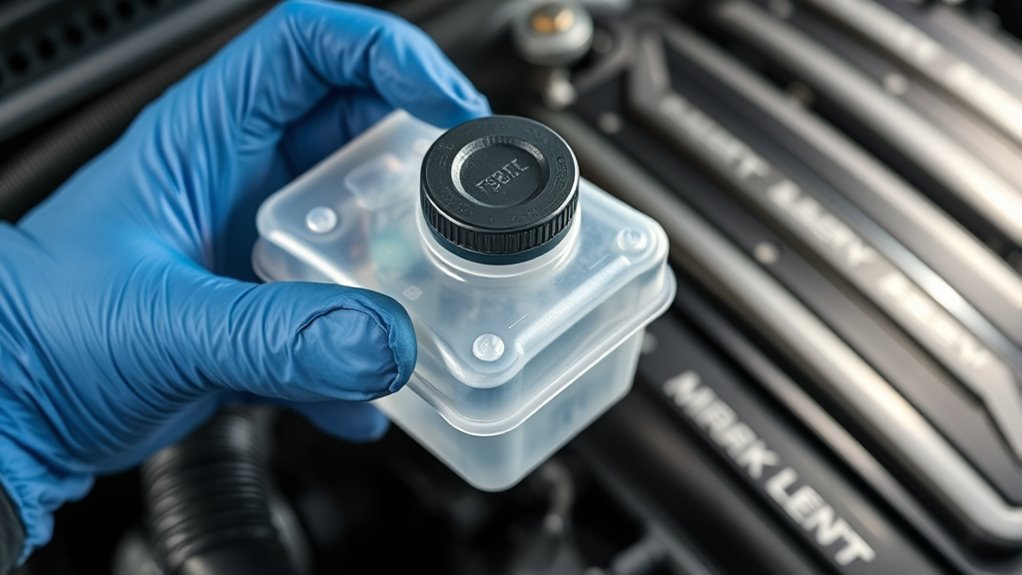
To ensure your cooling system is working correctly, start by checking the coolant level in the reservoir. Make sure the engine is cool before opening the cap to avoid burns. Look for the “full” and “low” marks on the reservoir, which show the proper coolant levels.
Use the right coolant for your vehicle, whether glycol-based, extended-life, or other types. Top off if needed, and regularly maintain the reservoir to prevent overflow issues.
Inspect the radiator cap for cracks or corrosion, since a faulty cap can cause pressure loss and overflow problems. Make sure it seals tightly to keep proper pressure in the cooling system.
How to Diagnose Overheating and Other Signs of Coolant System Problems
When your vehicle starts to overheat or shows other unusual signs, it’s a clear sign that something might be wrong with the cooling system. Keep an eye on the temperature gauge; if it climbs past the normal range, you probably have an issue.
Overheating can happen due to coolant leaks, which reduce the system’s ability to keep the engine at the right temperature. Check for visible coolant leaks under the vehicle or around hoses and the radiator.
Unusual smells or steam coming from the engine bay also indicate overheating or low coolant levels. Pay attention to any warning lights on your dashboard related to engine temperature.
If you notice the engine running hotter than usual or if the coolant level drops often, these are signs of potential problems. Diagnosing early can prevent serious damage, so act quickly if you see these signs.
Proper inspection and prompt action are essential to keep your cooling system healthy and avoid costly repairs.
Step-by-Step Guide to Draining and Replenishing Your Coolant Reservoir
Sure! Here’s a more conversational version of your text:
—
If your coolant reservoir is overflowing, the first thing you’ll want to do is safely drain out the old coolant. Just make sure to follow the proper disposal methods—coolant is toxic, so it’s important to handle it carefully and use the right tools for the job. Once you’ve emptied the reservoir, you can refill it with the correct type of coolant. Doing this helps keep your engine running smoothly and prevents any potential overheating issues.
Draining Old Coolant Safely
Before draining the old coolant, make sure your engine is completely cool. This helps prevent burns or injuries.
Locate the radiator drain valve or petcock, usually at the bottom of the radiator. Place a container underneath it.
Open the valve slowly to allow the coolant to flow out. Remember, different coolant types like glycol-based or organic acid technology may need specific disposal methods.
Never pour used coolant down the drain or onto the ground. Instead, transfer it to a sealed container for safe disposal at a recycling center or authorized disposal site.
Wear gloves and eye protection throughout the process. Proper draining and safe disposal help prevent environmental harm and ensure you’re handling your vehicle’s fluids responsibly.
Replenishing With Fresh Fluid
Once you’ve safely drained the old coolant, it’s time to refill the reservoir with fresh fluid. Choose the right coolant type based on your vehicle’s specifications, making sure the fluid is compatible.
Mixing incompatible coolants can cause system damage or reduce cooling efficiency. Check your owner’s manual or labels for approved coolant types, like glycol-based or extended-life formulas.
Use a funnel to pour the new coolant slowly, avoiding spills. To highlight fluid compatibility, see this table:
| Coolant Types | Fluid Compatibility |
|---|---|
| Ethylene Glycol-based | Compatible with most coolants |
| Organic Acid Technology | Requires specific formulations |
Always verify that your coolant matches the manufacturer’s recommendations for peak performance.
How to Test and Replace a Faulty Radiator Cap
If you see coolant leaking or your engine getting hotter than it should, your radiator cap might be the culprit. It’s a good idea to check the seal first—make sure it’s snug and not cracked or damaged.
You can also do a pressure test to see if the cap holds the right amount of pressure. If it doesn’t, then it’s time to replace it. Luckily, swapping out a faulty radiator cap is pretty straightforward and can save you from bigger cooling system problems down the line.
Signs of a Faulty Cap
A faulty radiator cap can often be the culprit behind coolant reservoir overflow, so it’s essential to recognize the signs early. Cap malfunction can cause pressure issues, leading to coolant escaping or overflowing.
If you notice coolant leaks around the cap or see the reservoir consistently full, it’s a red flag. You might also hear gurgling sounds from the radiator or notice overheating, both linked to improper pressure regulation.
A worn or damaged seal reduces the cap’s ability to maintain correct pressure, which can cause coolant to boil over. If your vehicle’s coolant levels fluctuate unexpectedly or you see signs of coolant loss without obvious leaks, it’s time to check the cap.
Early detection of a faulty cap helps prevent more serious engine problems.
Testing the Radiator Cap
Testing your radiator cap is a simple way to check if it’s causing coolant overflow. The cap keeps the right pressure in the radiator, which is key to proper cooling.
First, remove the cap when the engine is cool. Look for cracks or damage on the sealing surface. Then, place the cap on a radiator pressure tester or a compatible container with a pressure gauge.
Pump the device to the pressure specified in your vehicle’s manual. A good cap should hold that pressure without dropping. If the pressure quickly drops or it leaks, the cap is likely faulty.
A damaged cap seal can lead to coolant loss and overflow issues. Replacing a defective cap restores the right pressure and helps prevent further overflow problems.
Replacing the Radiator Cap
When you notice coolant overflow or inconsistent temperature readings, replacing a faulty radiator cap can often fix the problem. The cap helps keep pressure in the cooling system, which prevents leaks and overheating.
There are different types of caps, so make sure you pick the right one for your vehicle. Here’s a quick overview:
| Cap Type | Features |
|---|---|
| Standard Pressure | Common, simple seal |
| Heavy-Duty Pressure | Higher pressure ratings |
| Specialty Caps | Designed for specific vehicles |
To replace the cap, carefully remove the old one and check for cracks or damage. Match the new cap to your radiator’s specifications.
Make sure the new cap fits tightly and works properly for good radiator maintenance.
Preventative Maintenance Tips to Avoid Coolant Overflow
Regularly inspecting your coolant reservoir can help catch problems early and prevent overflow issues. Start by checking that you’re using the recommended coolant types for your vehicle to ensure proper mixing and performance.
Stick to a consistent maintenance schedule that includes inspecting hoses for cracks or leaks, and keep an eye on fluid colors. Dull or rusty hues can be signs of contamination.
Periodically conduct pressure tests to catch system leaks before they become bigger problems. Also, monitor temperature readings because overheating can cause expansion and overflow.
Seasonal checks are especially important before extreme weather changes. Make sure coolant levels and mixture ratios are correct to avoid issues in harsh conditions.
If needed, use coolant additives to improve corrosion resistance and prevent buildup. Regularly inspect the entire cooling system, including the radiator and hoses, to keep your engine running smoothly.
Proper pressure testing and timely maintenance are key to preventing unexpected overflow. They can save you money and help avoid costly engine damage.
Common Mistakes to Avoid When Fixing Coolant Overflow
One mistake people often make is not making sure the coolant cap is tight enough. If it’s even a little loose, it can lead to leaks or the coolant overflowing. So, always double-check that the cap is securely fastened before you finish up.
Another thing to watch out for is missing any underlying issues with the system. Sometimes, the overflow is just a symptom of a bigger problem that needs fixing first. Ignoring these causes can lead to the same issues popping up again later on.
Ignoring Cap Tightness
A common mistake that can lead to coolant reservoir overflow is neglecting to verify the cap is tightened properly. If the cap isn’t secure, pressure can escape or build up unevenly, causing overflow issues. Proper cap maintenance is essential for effective overflow prevention. Before driving, always check that the cap is seated tightly and clicks into place.
To avoid this mistake:
- Make sure the cap is clean and free of debris.
- Confirm the rubber gasket isn’t cracked or worn.
- Tighten the cap firmly but don’t over-tighten.
- Regularly inspect the cap for damage or corrosion.
Overlooking System Damage
Failing to spot underlying system damage can lead to ongoing coolant overflow problems. If you ignore signs like cracks, leaks, or corrosion, you risk weakening the system’s overall integrity.
Damage to hoses, the radiator, or the reservoir itself can cause abnormal pressure buildup. This forces coolant out of the overflow, making the problem worse. Just fixing the reservoir won’t cut it and might lead to repeated overflows.
Always inspect the entire cooling system for damage before trying any repairs. Overlooking system damage might hide symptoms temporarily, but it won’t fix the root cause.
Ensuring the system’s integrity is key to preventing future overflow issues and keeping pressure levels proper. Catching damage early saves you time, money, and helps avoid more serious engine problems.
When to Seek Professional Help for Coolant System Issues
While minor coolant leaks or small overheating issues can often be handled at home, there are clear signs that you should see a professional. If you notice persistent overheating, frequent coolant leaks, or if your coolant reservoir overflows despite your efforts, it’s time to seek expert help. Professionals perform pressure tests to accurately diagnose the problem, which can reveal hidden issues like damaged hoses or a failing radiator cap.
You should also consult a mechanic if the coolant level drops quickly without visible leaks, or if the engine temperature gauge fluctuates unpredictably.
Seek help immediately if you experience:
- Ongoing coolant leaks that don’t stop
- Sudden or recurring overheating episodes
- Unusual coolant smell or visible coolant pooling
- Difficulty maintaining proper coolant pressure
Addressing these signs promptly prevents more costly repairs and keeps your cooling system functioning properly.
Tools and Supplies You Need to Fix Coolant Reservoir Overflow
To effectively fix a coolant reservoir overflow, gather the essential tools and supplies beforehand to ensure a smooth repair process. You’ll need basic equipment like a funnel and a drain pan to drain and refill the cooling system.
Having replacement parts, such as a new radiator cap or hose, is important if there’s damage. Be aware of different coolant types, since mixing incompatible fluids can make overflow issues worse.
Common tools you’ll want include screwdrivers, pliers, and a socket set. These help in removing the reservoir or related components with ease.
Here’s a quick visual to help you gather what you need:
| Tool/Supply | Purpose | Notes |
|---|---|---|
| Funnel & Drain Pan | Easy coolant draining | Prevent spills |
| Replacement Parts | Fix leaks or damage | Make sure to choose the correct coolant type |
| Screwdrivers & Pliers | Remove reservoir or hoses | Confirm compatibility |
| Coolant (antifreeze) | Refill system | Use recommended coolant types |
Having these supplies ready will help you address overflow symptoms efficiently and get your cooling system back in shape.
How Regular Cooling System Checks Keep Your Vehicle Running Smoothly
Regularly inspecting your vehicle’s cooling system helps catch potential issues early before they turn into costly repairs or breakdowns. Consistent coolant maintenance keeps your engine at the right temperature, preventing overheating and damage.
By checking coolant levels and inspecting hoses, you can spot leaks or wear before they get worse. Keeping the cooling system in good shape directly affects your vehicle’s longevity and performance.
To stay on top of coolant maintenance:
- Check coolant levels regularly, especially before long trips
- Inspect hoses and clamps for cracks or leaks
- Flush and replace coolant as recommended by your vehicle’s manufacturer
- Watch for signs of overheating or coolant discoloration
Making these checks part of your routine helps avoid unexpected breakdowns, extends your vehicle’s lifespan, and keeps your engine running smoothly. Staying proactive with cooling system maintenance saves time and money while ensuring peak performance.
Frequently Asked Questions
Can a Cracked Radiator Cause Coolant Reservoir Overflow?
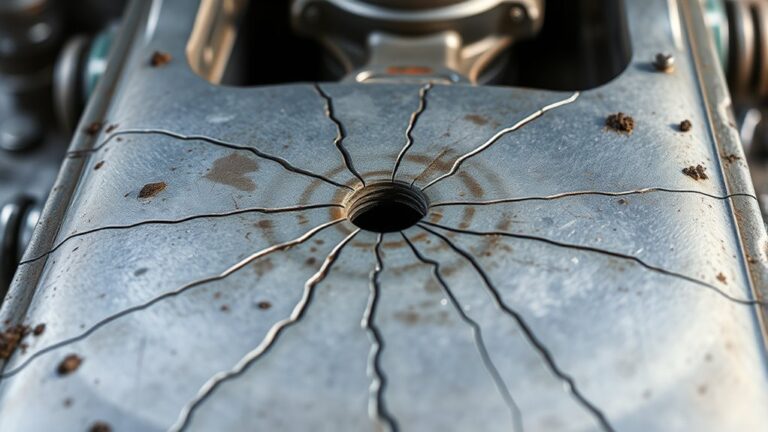
Yes, a cracked radiator can cause coolant reservoir overflow. When the radiator leaks, it makes the cooling system less effective, which can lead to increased pressure and coolant leaks.
This extra pressure can push coolant into the reservoir, making it overflow. Regular radiator checks can help catch cracks early and prevent this kind of overflow.
If you see coolant leaking or overflowing, check your radiator for cracks and get them fixed quickly. Keeping up with maintenance helps keep your cooling system working properly.
How Often Should I Check My Coolant Levels?
You should check your coolant levels at least once a month to ensure proper maintenance. Regularly inspecting the reservoir helps catch issues early, like leaks or low levels.
It’s also a good idea to check your coolant before long trips or during seasonal changes. Keeping an eye on the coolant reservoir helps prevent overheating and engine damage.
What Are Signs of a Failing Radiator Cap?
A failing radiator cap can cause your engine to overheat faster than a rocket launch. Look for signs like persistent coolant leaks, which seem to flood your engine bay, or fluctuating radiator pressure that wildly swings.
If the cap doesn’t hold pressure properly, it’s a clear sign it’s losing its grip. Don’t ignore these signs. They could lead to serious engine damage or complete cooling system failure.
Is It Safe to Drive With an Overflowing Coolant Reservoir?
Driving with an overflowing coolant reservoir isn’t safe because it can cause coolant leaks and lead to engine overheating.
You should stop and check your radiator maintenance, making sure the cap is secure and the coolant level is correct. Continuing to drive could damage your engine or cause a breakdown.
Address the issue promptly by fixing any leaks and keeping your cooling system in good shape. This will help prevent future overflows and keep your car running smoothly.
How Does Ambient Temperature Affect Coolant System Performance?
Ambient temperature directly impacts your coolant system’s performance by affecting coolant properties and temperature effects. In hot weather, coolant can heat up quickly, risking overheating if the system isn’t working properly.
Conversely, cold temperatures can cause coolant to thicken, reducing its flow and efficiency. You need to guarantee your cooling system is well-maintained, with proper antifreeze levels, to manage temperature effects.
This helps keep your engine running smoothly in various conditions.
Conclusion
Keeping an eye on your coolant reservoir is like caring for a delicate plant—you need to stay attentive and proactive. Regular checks help catch issues early before they become big problems.
By understanding what causes overflow, you can prevent it from happening in the first place. Knowing when to seek professional help is just as important as performing simple maintenance yourself.
Don’t let small issues snowball into costly repairs. With the right tools and knowledge, you can confidently handle coolant problems. Staying on top of coolant reservoir overflow keeps your engine cool and running smoothly.