Does a 6 Year Old Need a Car Seat? Safety & Law Explained
Finding the right car seat for your 6-year-old can feel overwhelming. You’re not alone—many parents worry about keeping their kids safe and following the law.
Yes, a 6-year-old generally still needs a car seat or booster to stay safe and comply with laws. Many children at this age aren’t tall enough for seatbelts to fit correctly, which can increase injury risk.
Laws vary by state, often requiring booster seats until a child reaches a certain size or age.
Proper installation and knowing when your child outgrows their seat are key.
Keep going to find out how to keep your child safest every step of the way.
Key Takeaways
- Many 6-year-olds still need booster seats to make sure the seatbelt fits properly and keeps them safe.
- Laws differ by state, but they often require booster seats until a certain age, height, or weight is reached.
- Using a booster seat correctly helps reduce injury risk by positioning the seatbelt across the strongest parts of the child’s body.
- Moving to seatbelt-only riding should happen when the child fits snugly and correctly in the seatbelt.
- Proper installation and keeping an eye on the child’s growth are key; kids shouldn’t outgrow booster seats too early.
Do Six-Year-Olds Still Need a Car Seat?
Many parents wonder if a six-year-old still needs a car seat. According to safety guidelines, it really depends on your child’s size and development.
Generally, kids should use a booster seat until they’re at least 4 feet 9 inches tall and between 8 and 12 years old.
Kids should use a booster seat until they reach 4 feet 9 inches tall and are between 8 and 12 years old.
At age six, many children are still too small for just seat belts, which can be risky in an accident. A booster seat helps position the seat belt properly across their strongest body parts, reducing injury risk.
Keep in mind, safety recommendations say children should stay in a car seat or booster until they meet height and weight requirements.
Check your vehicle’s owner manual and local laws for specific rules.
Using the right car seat keeps your child safe and gives you peace of mind during every trip.
Why Do Car Seat Laws Vary for Kids Aged 6?
You might have noticed that the laws about car seats for 6-year-olds aren’t the same everywhere. That’s because each state makes its own rules, tailored to what they think is best. These laws usually depend on things like age, size, or weight, and those can be pretty different from place to place.
Plus, the way these laws are enforced and the penalties for not following them can also change. So, it’s really important to check the specific rules in your area to make sure you’re doing everything right.
State-Specific Regulations Vary
Because state regulations on car seat safety can differ greatly, it’s important to understand that laws for 6-year-olds don’t follow a one-size-fits-all approach. Each state sets its own rules about car seat types and booster seat guidelines, which can impact what’s required when your child reaches this age.
Some states may mandate booster seats until a certain age or weight, while others focus more on height and size. These variations mean you need to check local laws to guarantee compliance and safety.
Even if your state has less strict rules, it’s wise to stick to recommended safety practices for your child’s age and size. Staying informed helps you make the best choices to keep your child safe on every trip.
Age vs. Size Requirements
Car seat laws for 6-year-olds vary because different states focus on age, size, or both when setting safety rules. Age guidelines consider a child’s developmental stage, while size rules look at height and weight to determine the right restraint.
Some states require kids to stay in booster seats until they reach a certain age, no matter their size. This helps ensure proper seat positioning as children grow. Other states base laws mainly on size, letting older children who meet height and weight criteria move out of booster seats early.
This variation exists because every child’s growth rate is different. Laws try to balance safety with practicality. Knowing both age and size guidelines helps you make informed choices based on your local laws.
Enforcement and Penalties
Enforcement and penalties for car seat laws vary across states because each jurisdiction sets its own priorities and standards for child safety. You might face enforcement challenges, making it harder for authorities to consistently monitor compliance.
Penalty consequences can range from fines to points on your driving record, depending on where you are. To understand these differences, consider that some states impose hefty fines for violations, emphasizing strict enforcement.
Others may require mandatory court appearances or license suspension for repeat offenders. Penalties often escalate with repeated violations, highlighting the importance of following the law from the start.
Knowing these variations helps you stay compliant and avoid unnecessary penalties, ensuring your child’s safety and peace of mind on the road.
How to Tell If Your Child Still Needs a Car Seat
Wondering if your 6-year-old still needs a car seat? Check the car seat guidelines, as most seats have expiration dates to ensure safety. If your seat is expired, it’s time to get a new one.
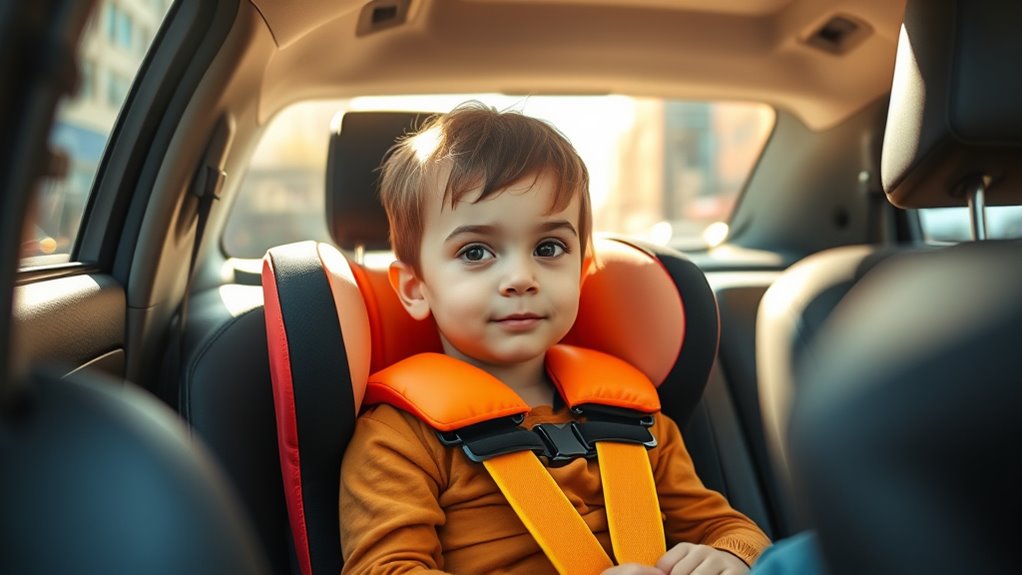
Next, do a safety check by making sure the seat fits your child properly. The harness should be snug, with the chest clip at armpit level. Your child should sit comfortably with their back flat against the seat.
Think about your child’s height and weight limits, which might mean they’ve outgrown the seat even if they’re still within the age range. Also, watch how your child sits in the seat—if they’re slouching or can’t keep a proper position, it might be time to switch.
What Are the Safety Risks of Using Just a Seatbelt?
Relying solely on a seatbelt for a 6-year-old can be risky because seatbelts are made for adults, not small children. They might not give your child the protection they need in a crash.
Relying only on a seatbelt for a 6-year-old can be unsafe; proper restraints are essential for their protection.
Without the right restraints, your child is more vulnerable to injuries. How well the seatbelt fits and spreads crash forces is crucial for safety.
Here are some risks to consider:
- The lap belt might sit on the stomach instead of the hips, which can cause more injuries.
- A seatbelt alone might not stop your child from being ejected or moving too much during a crash.
- Young children’s bodies are more at risk if the seatbelt doesn’t fit right or absorb crash forces properly.
Using an appropriate car seat or booster helps ensure the seatbelt works correctly with your child’s size. This improves safety and reduces the chance of injury.
What Are the Legal Requirements for Six-Year-Olds?
Laws about car seat use for six-year-olds can be different depending on where you live, so it’s a good idea to check your local rules. Each state might have its own set of requirements, like minimum age, weight, and height for child restraints.
Staying up-to-date on these regulations is important because it helps make sure your child is riding both safely and legally. It’s always better to be informed so you can keep your little one protected on every trip.
State-Specific Car Seat Laws
State-specific car seat laws can vary a lot, so it’s important to know the rules in your area to keep your six-year-old safe and compliant. These laws usually set minimum safety standards based on age, weight, and seat types.
Some states require kids to use booster seats until they reach a certain age or weight, while others might have different rules. Enforcement can be tricky, as police awareness of these laws isn’t always consistent.
To stay on top of it, check your state’s DMV website or local regulations regularly. Make sure you know your state’s age thresholds and booster seat requirements.
Also, understand the specific safety standards for weight limits and seat types. Be aware of any enforcement challenges and potential legal penalties.
Age and Weight Requirements
For six-year-olds, the legal requirements for car seats usually focus on both age and weight to ensure safety. At this age, kids often move from harnessed car seats to booster seats, but weight limits are still important.
Most booster seats are made for children weighing between 40 and 100 pounds, depending on the model. Be sure to check your specific car seat’s label to confirm the weight limits and ensure your child fits comfortably.
Some states might require children to stay in a car seat until they reach a certain age or weight. Always verify local laws to stay compliant.
Which Car Seat Types Are Best for 6-Year-Old Kids?
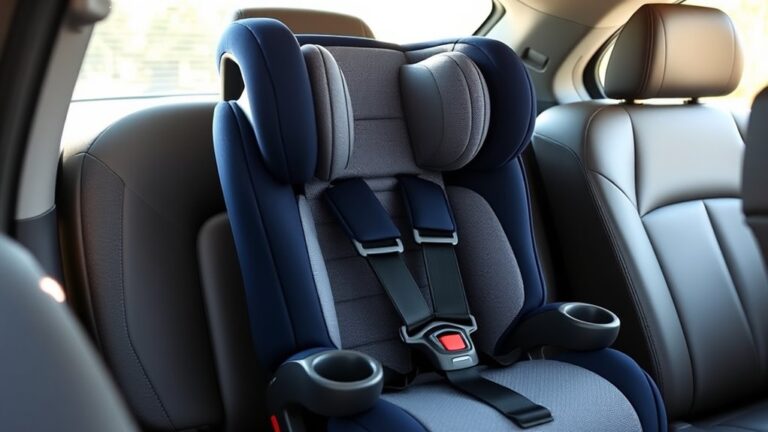
When choosing the best car seat for a 6-year-old, it’s important to consider their size, weight, and developmental needs. At this age, your child is likely ready for a booster seat, which helps position the seatbelt correctly.
Here are the top options to think about:
- Booster seat with a harness system. Some booster seats come with a built-in harness, offering extra security for smaller or less mature kids.
- High-back booster. This provides head and neck support, especially useful if your vehicle lacks headrests.
- Backless booster. Ideal for older, taller kids who no longer need head support but still require proper seatbelt positioning.
Choosing a seat that fits your child’s size and offers the right safety features will keep them protected and comfortable on every trip.
When Should Your Child Switch From a Booster to a Seatbelt?
Knowing the right time to change your child from a booster to a seatbelt depends on their size, maturity, and how well the seatbelt fits them. Booster safety is essential, so don’t rush the change before your child meets the recommended criteria.
According to shifting guidelines, your child should be able to sit upright with their back against the seat, knees bent at the edge of the seat, and feet flat on the floor. The lap belt must sit low across the hips, not the stomach, and the shoulder belt should lie snug across the chest without slipping off.
A child is ready to switch to a seatbelt when it fits snugly, low on the hips, and stays secure without shifting.
When your child consistently maintains this proper fit without shifting or fidgeting, it’s a good sign they’re ready to use the seatbelt alone. Remember, every child develops at their own pace, so prioritize safety and comfort over age alone.
When in doubt, consult your vehicle’s safety guidelines or a child passenger safety technician.
How to Properly Install and Secure Your Child’s Car Seat
To keep your little one safe, it’s really important to make sure the car seat is installed correctly in the back seat. Whether you’re facing it forward or backward, just follow the manufacturer’s recommendations—that’s the best way to keep everything secure.
Also, don’t forget to check the straps. They should be snug and fit just right at your child’s shoulders—tight enough that there’s no slack but still comfortable. Proper installation and secure straps are key to keeping your child safe, especially in the unfortunate event of an accident.
Correct Seat Placement
Making sure your child’s car seat is properly installed is crucial for their safety during every trip. Proper seat placement means paying attention to the seat’s orientation and whether your child needs a booster seat.
First, check that the seat faces the right way—usually rear-facing for younger kids and forward-facing for older ones unless they’re in a booster seat.
If your child is in a booster, make sure it’s positioned correctly on the seat. The lap belt should sit low across the hips, and the shoulder belt across the chest.
Double-check that the seat fits snugly and doesn’t shift more than an inch side to side or front to back.
Getting the seat placement right helps keep your child safe and secure whenever you’re on the road.
Secure Strapping Techniques
Securing your child’s car seat properly is essential for their safety on every trip. Start by checking that the harness is snug, with the straps lying flat without twists, and the chest clip at armpit level.
Proper harness adjustment keeps your child secure and comfortable. If your child uses a booster, focus on correct positioning; it should sit flush against the seat with the lap belt low across the hips and the shoulder belt across the chest, not the neck or face.
Always double-check that the seat belt or harness is tight enough to prevent movement. Proper strapping techniques reduce the risk of injury and help ensure your child stays secure during sudden stops or accidents.
Regularly review and adjust the straps for a perfect fit as your child grows.
Signs That Your Child Has Outgrown Their Car Seat
Knowing when your six-year-old has outgrown their car seat is really important for their safety. Keeping an eye on growth milestones helps ensure they’re protected according to safety guidelines. Here are some key signs to watch for:
- Height and Weight Limits: If your child goes beyond the manufacturer’s height or weight limits, it’s time to switch seats. These limits are based on safety testing and should always be followed.
- Poor Fit in the Seat: When your child’s shoulders sit above the top harness slots or the harness isn’t snug anymore, they’ve outgrown the seat. A proper fit is essential for safety.
- Inadequate Seatbelt Positioning: If the lap belt sits above the upper thighs or the shoulder belt crosses the neck or face, it’s a sign to move to a booster seat or higher weight seat.
Staying aware of these signs helps ensure your child’s safety stays in line with current safety guidelines.
Common Mistakes to Avoid When Using Car Seats for Kids
One of the most common mistakes parents make is installing or using car seats incorrectly, which can seriously compromise your child’s safety.
Installation errors often happen when you don’t follow the manufacturer’s instructions carefully or forget to secure the seat tightly.
Installation mistakes occur when manufacturer instructions aren’t followed or the seat isn’t secured tightly.
Using a seat belt instead of the designated latch system can also weaken protection.
Many parents believe that older children don’t need booster seats or assume they can reuse a seat without checking for wear.
Safety neglect, like leaving the harness too loose or putting a child in the wrong seat for their age and size, puts your child at risk.
To avoid these mistakes, read the manual carefully, double-check the installation, and follow current safety laws.
Proper use of car seats isn’t just a guideline—it’s essential to keep your child safe every time you’re on the road.
Frequently Asked Questions
Can a Child Use a Regular Seatbelt if They’Re Six Years Old?
A child can use a regular seatbelt if they’re six years old, but only if they meet specific seatbelt safety and child restraint requirements.
Usually, kids should stay in a booster seat until they’re tall enough for the seatbelt to fit properly across their chest and hips.
Make sure the child restraint is suitable for their size, and always check local laws, as they often specify when a child can switch to a regular seatbelt.
How Long Should a Child Remain in a Booster Seat?
You should keep your kid in a booster seat until they outgrow it—usually when they hit about 4 feet 9 inches tall and are between 8 and 12 years old, according to booster seat guidelines.
Safety recommendations emphasize that a proper fit with the seatbelt is essential for protection.
Don’t rush to skip it just because they’re six. Their safety is worth the wait, long after they start kindergarten.
Are There Any Penalties for Not Using a Car Seat for a 6-Year-Old?
Yes, there are penalties if you don’t follow car seat laws and safety regulations for your 6-year-old.
If you’re caught neglecting these laws, you could face fines, points on your license, or even court citations.
These laws are meant to protect children and ensure safety on the road.
It’s really important to stay updated on local car seat laws to avoid penalties and keep your child safe during every ride.
What Are the Best Practices for Transitioning From a Booster to Seatbelt?
You should follow booster seat guidelines carefully as your child transitions to seatbelt safety tips.
Start by making sure the seatbelt fits properly—across the chest and lap—and that your child can sit still without slouching.
Gradually phase out the booster when they meet height and weight requirements. Always supervise their seatbelt use to keep safety a top priority.
Patience and proper guidance will make the switch smooth and secure.
How Do Weight and Height Influence Car Seat Requirements?
Your child’s weight and height directly influence their car seat requirements. Always check the weight limits and height guidelines on the car seat manufacturer’s instructions, as these determine when it’s safe to upgrade.
If your child exceeds these limits, it’s time to move to a booster seat or seatbelt. Staying attentive to these metrics helps ensure your child remains protected and compliant with safety laws during car rides.
Conclusion
By understanding your child’s needs and the laws, you’re the captain steering their safety ship through the busy seas of traffic. Remember, a car seat isn’t just a legal requirement; it’s their shield against harm, growing with them like a trusty sidekick.
Keep an eye on signs they’ve outgrown their seat and always ensure proper installation. When in doubt, prioritize safety first. Think of it as planting a sturdy tree that will shelter your little one for years to come.
For a 6-year-old, using a booster seat is typically recommended, but always follow your local laws and your child’s size. Proper car seat use is essential for their safety and helps you stay compliant with regulations.