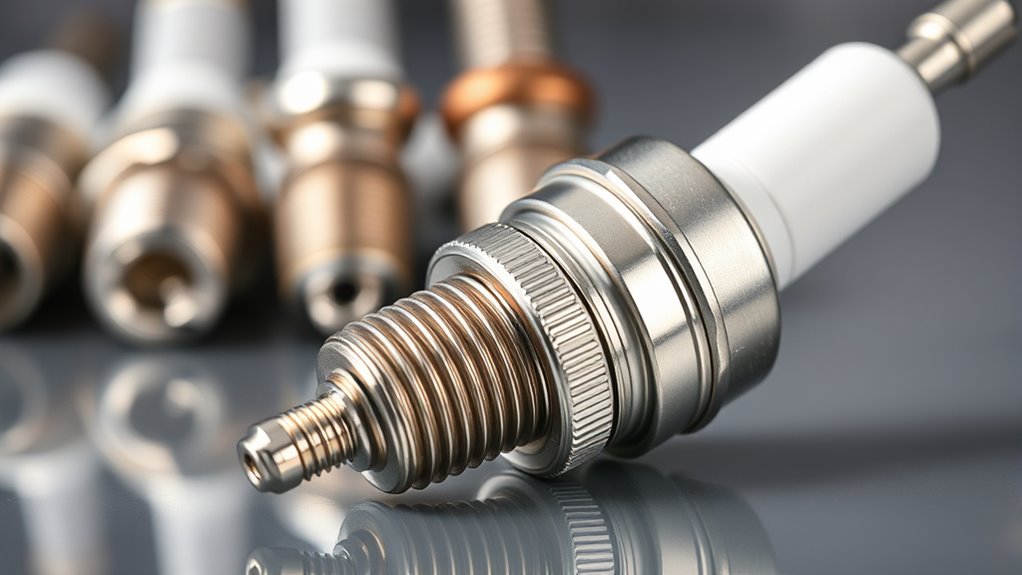
Are Spark Plugs Expensive? Costs, Types, and Savings Tips Explained
Are you tired of wondering whether spark plugs are worth the cost or just another expense? Many people struggle with understanding the true value of replacing them and how it impacts their car’s performance.
If you’re looking to save money while keeping your engine running smoothly, you’re not alone.
Spark plug costs vary based on type and vehicle, ranging from $2 to $30 each. Basic copper plugs are affordable, but premium options like platinum or iridium can cost more and last longer.
Replacing them yourself can save money, while professional service costs $50 to $150.
Vehicle make and model influence prices, and choosing the right spark plug depends on your driving needs.
Keep in mind common mistakes to avoid, and if you want to know more, you’ll find helpful tips ahead.
Key Takeaways
- Basic copper spark plugs cost between $2 and $10, while premium options like iridium or platinum range from $10 to $30 each.
- Doing the replacement yourself can save on labor costs, but having a professional do it might push the total to $100–$300.
- The overall cost really depends on your vehicle type, the spark plug material, and local labor rates.
- Upgrading to high-performance plugs can last longer and boost engine efficiency, but they do come with a higher upfront price.
- Regular maintenance and choosing the right spark plug type can help save money by extending their lifespan and improving your engine’s performance.
How Much Do Spark Plugs Cost?
Ever wondered how much you’ll spend on replacing spark plugs? The cost varies depending on the spark plug brands you choose.
Basic copper spark plugs are usually the cheapest, costing around $2 to $10 each. If you go for platinum or iridium plugs, prices can range from $10 to $30 per plug, and they tend to last longer.
Copper spark plugs cost $2–$10 each, while platinum and iridium plugs range from $10–$30 and last longer.
Keep in mind, the total cost also depends on whether you’re installing them yourself or hiring a professional. Doing it yourself means you’ll need tools like a spark plug socket, ratchet, and maybe a torque wrench.
These tools can add $20 to $50 if you don’t already have them. Professional installation might include labor costs, which can range from $50 to $150 depending on your vehicle.
What Types of Spark Plugs Are Available?
Spark plugs come in several types, each designed to suit different engine needs and driving conditions. Standard plugs, usually copper, are affordable and provide good conductivity but wear out faster.
Platinum plugs feature a platinum disc on the tip, offering a longer lifespan and reliable performance. Iridium plugs take this a step further with a more durable iridium center electrode, improving longevity and efficiency.
Ceramic plugs utilize advanced insulation materials, helping to boost heat resistance and performance in high-stress environments. Performance plugs are engineered for increased ignition and power output, often with specialized designs and materials.
Copper plugs are the most common and cost-effective, making them suitable for older or less demanding engines. Platinum and iridium plugs tend to be more expensive but last longer, which is great for drivers looking for durability.
Choosing the right type depends on your engine’s needs, driving habits, and budget.
Are Premium Spark Plugs Worth the Extra Cost?
Are premium spark plugs worth the extra cost? If you’re wondering, it depends on the benefits and performance you’re after.
Premium spark plugs usually last longer, ignite better, and give more consistent performance. They often use advanced materials like platinum or iridium, which resist wear better than standard plugs.
If your vehicle needs high performance or runs under tough conditions, investing in premium plugs can boost acceleration, fuel efficiency, and smoothness.
But for everyday driving in a basic vehicle, standard spark plugs usually do the job well and cost less.
The key is figuring out whether your driving habits and vehicle needs justify spending more.
While premium spark plugs can give noticeable performance perks, the choice depends on whether you want top performance and longevity or are happy with standard options.
How Can You Tell When to Replace Your Spark Plugs?
Wondering when to replace your spark plugs? Well, if your engine starts misfiring, runs roughly, or even stalls unexpectedly, those are good clues it might be time for new ones. It’s also a good idea to keep an eye on your vehicle’s mileage—most cars need spark plug replacements somewhere between 30,000 and 100,000 miles.
And don’t forget to check for signs of wear, like worn electrodes or any corrosion. Catching these early can help keep your engine running smoothly and prevent bigger issues down the road.
Signs of Wear
Over time, signs of wear on your spark plugs become noticeable, indicating it’s time for a replacement. A worn spark plug can shorten its lifespan and lead to poor engine performance.
Common signs include difficulty starting your vehicle, rough idling, and reduced acceleration. You might also notice increased fuel consumption or engine misfires.
If your engine runs unevenly or stalls frequently, your spark plugs could be failing. These symptoms directly impact your vehicle’s performance, making it less efficient and more prone to damage.
Regularly inspecting your spark plugs for signs like fouling, corrosion, or worn electrodes helps you catch issues early. Addressing wear promptly ensures your spark plugs keep performing at their best and last longer.
Mileage Recommendations
Knowing the typical mileage interval for spark plug replacement helps prevent performance issues before they happen. Most manufacturers suggest replacing them between 30,000 to 100,000 miles, depending on the type of spark plug.
Checking your vehicle’s maintenance schedule will give you specific guidance on when to change your plugs. Regular inspections can also help you catch wear early, especially if you notice rough idling, poor acceleration, or lower fuel efficiency.
Keep track of your mileage so you stay on top of these maintenance points. Replacing your spark plugs at the right time ensures your engine runs smoothly, saves fuel, and helps you avoid costly repairs later on.
Staying proactive with maintenance is key to saving money and keeping your vehicle in good shape.
How Much Does Replacing Spark Plugs Typically Cost?
Replacing spark plugs typically costs anywhere from $100 to $300. The exact price really depends on your vehicle and how much the labor rates are in your area.
A few things can influence the cost, like the type of spark plugs your car needs and whether you’re planning to do it yourself or hire a professional. Keep these factors in mind to figure out what works best for your budget and your car.
Average Replacement Expenses
On average, replacing spark plugs costs between $100 and $300 for a standard vehicle. The price depends on factors like the type of spark plugs and labor rates.
The expense varies based on how long the spark plugs last, which is usually between 30,000 and 100,000 miles, and how often you need replacements.
If you choose high-performance or iridium plugs, the costs can be higher. But since they last longer, they might save you money over time.
Labor costs also play a role, especially if your vehicle requires more work. The process typically takes about an hour.
Knowing these average expenses helps you plan for routine maintenance and avoid surprises. This keeps your vehicle running smoothly and efficiently.
Factors Influencing Costs
Several factors can influence the overall cost of replacing spark plugs, so the price can vary from one vehicle to another. One big factor is the spark plug brands you choose; premium brands tend to be more expensive but may last longer and perform better.
The installation process can also impact costs. Some engines need special tools or more time to work on, which can increase labor charges. Your car’s make and model matter too, because some cars have easier access to the spark plugs, saving time and money.
Finally, whether you go with standard or iridium spark plugs makes a difference. Higher-quality plugs usually cost more upfront but might last longer, potentially saving you money in the long run. All these things together determine what you’ll end up paying.
DIY vs Professional Installation
Deciding whether to replace your spark plugs yourself or hire a pro can make a big difference in your costs. Doing it yourself can save money upfront, but you need to think about your skill level, the tools required, and safety.
If you’re experienced, DIY usually costs less because you avoid labor fees. But keep in mind, it might take more time and there are safety risks. Sometimes, paying a professional makes sense if you want the job done quickly and safely.
Your experience affects how smoothly the job goes and whether you need to buy special tools. No matter what, safety precautions are a must. Here are some key points to consider:
- Your skill level and experience
- The tools you’ll need and safety measures
- How much time you’ll spend versus professional efficiency
- The cost difference between DIY and hiring a pro
Can You Change Spark Plugs Yourself or Should You Hire a Mechanic?
Can you change spark plugs yourself, or is it better to hire a mechanic? If you’re comfortable with basic car maintenance, changing spark plugs can be doable with some proper tips.
You’ll need the right tools, like a socket wrench and spark plug socket, plus patience to reach tight engine areas. Follow a step-by-step process: carefully remove the old plugs, check the gap on new ones, and apply anti-seize or dielectric grease as recommended.
Getting the installation right ensures your engine runs smoothly and the spark plugs last longer. But if your car has a complex engine or tricky access points, or if you’re unsure about doing it yourself, it’s best to hire a mechanic.
Mechanics have the experience to do the job quickly and accurately, reducing the risk of damage or misfiring. Whether you go DIY or hire a pro, making sure your spark plugs are properly installed is key to keeping your engine healthy.
Do Spark Plug Costs Vary by Vehicle Make and Model?
Your vehicle’s make and model really play a big role in how much you’ll spend on spark plugs. Some cars require specialized types of plugs, which can drive up the cost. So, if you drive a luxury or high-performance vehicle, expect to pay a bit more compared to a standard compact car.
The kind of vehicle you have—like whether it’s a small sedan or a larger SUV—also affects the price. Generally, larger vehicles might need more or different kinds of spark plugs, which can influence the overall cost.
And don’t forget, your choice between OEM (original equipment manufacturer) parts and aftermarket options can make a difference, too. OEM parts tend to be more expensive, but they’re designed specifically for your vehicle, while aftermarket parts might save you some money but could vary in quality.
Vehicle Type Influence
The type and cost of spark plugs you need often depend heavily on your vehicle’s make and model. Different cars require specific spark plug types to get the best performance, which can affect the price.
For example, high-performance cars might need premium spark plug brands that boost power and efficiency, and these usually cost more. On the other hand, economy models typically use standard plugs that are more budget-friendly.
Think about these factors: engine size and design influence the spark plug type needed. Performance vehicles may need specialized, higher-cost plugs. Some models call for platinum or iridium plugs for extra durability.
Making sure the spark plug is compatible with your vehicle guarantees you get the best performance without overspending. Your car’s make and model directly impact the spark plug costs, so choosing the right type is key for maximum value and performance.
OEM vs. Aftermarket
Choosing between OEM (Original Equipment Manufacturer) and aftermarket spark plugs often depends on your vehicle’s make and model, as well as your budget and performance goals.
OEM benefits include guaranteed compatibility, better quality assessments, and warranty implications, ensuring you get a product designed specifically for your car. However, aftermarket drawbacks can include compatibility issues and inconsistent quality, leading to potential performance differences.
Brand comparisons reveal that some aftermarket options offer comparable performance at lower prices, but quality varies. Price variations are significant, with OEM parts often costing more.
Ultimately, your choice impacts performance, longevity, and warranty coverage. Carefully weigh these factors to determine whether the added cost of OEM plugs aligns with your needs or if aftermarket options provide sufficient value.
Common Mistakes When Replacing Spark Plugs
Replacing spark plugs might seem straightforward, but rushing or neglecting common pitfalls can lead to costly mistakes. One frequent error is not properly preparing the engine or workspace, which can cause dirt or debris to enter the cylinder during spark plug installation.
Another common mistake is over-tightening or under-tightening the spark plug, risking damage to the threads or poor contact. Failing to check the gap on new spark plugs before installation can lead to misfires and reduced engine efficiency.
Furthermore, neglecting to use the correct tools or applying excessive force can strip threads or damage components. To avoid these mistakes, always double-check the spark plug gap, follow torque specifications, and handle parts carefully.
Proper spark plug installation not only makes your engine run smoothly but also helps extend the lifespan of your spark plugs and prevents unnecessary repairs.
How Long Do Different Spark Plugs Last?
Spark plugs usually last between 20,000 and 100,000 miles, but their lifespan depends on factors like the type of plug, driving conditions, and maintenance habits.
If you don’t maintain your vehicle properly or drive in tough conditions, spark plugs can wear out faster. This may lead to misfires or engine performance issues.
For example, standard copper plugs tend to last around 20,000 to 30,000 miles. In contrast, platinum and iridium plugs can last up to 100,000 miles.
To get the most out of your spark plugs, follow simple maintenance tips. Check and replace them as recommended by your vehicle’s manual, keep the ignition system clean, and use good quality fuel.
Regular inspections are helpful for catching early signs of wear. This can help you avoid costly repairs later on.
Knowing how long your spark plugs are supposed to last helps you plan replacements in advance. This keeps your engine running smoothly and efficiently, saving you money over time.
Questions to Ask Your Mechanic About Spark Plug Replacement
When discussing spark plug replacement with your mechanic, it’s important to ask the right questions so you can make informed decisions.
Understanding your vehicle’s specific needs helps you plan costs and maintenance better. Ask about the spark plug lifespan for your car’s make and model, as this affects how often you’ll need to replace them.
Also, find out the recommended replacement frequency based on your driving habits. To be fully informed, consider asking these questions:
- How often should I replace my spark plugs, given my driving style?
- Are there specific spark plug types that last longer or improve performance?
- What signs indicate my spark plugs need replacing sooner?
- Can you explain the potential cost differences between various spark plug options?
Getting clear answers helps you make smarter choices about maintenance and savings. Knowing the expected lifespan and replacement schedule can prevent unexpected breakdowns and keep your vehicle running smoothly.
Frequently Asked Questions
How Do Spark Plugs Affect Overall Vehicle Performance?
Spark plugs directly impact your vehicle’s overall performance by influencing ignition efficiency. High-quality spark plug brands guarantee reliable sparks, which lead to smoother acceleration and better fuel economy.
If your spark plugs are worn or mismatched, you might notice misfires, reduced power, or increased emissions. Regularly replacing them with reputable brands keeps your engine running efficiently.
This also improves responsiveness and extends your vehicle’s lifespan. Proper spark plugs are essential for peak engine performance and efficiency.
Are There Any Signs of Faulty Spark Plugs Besides Engine Trouble?
Yes, there are spark plug indicators beyond engine trouble. You might notice poor fuel economy, difficulty starting your car, or rough idling—these can all be signs of ignition issues related to faulty spark plugs.
You may also experience misfires or a decrease in acceleration. Keep an eye out for these signs, as they can help you catch ignition problems early.
Addressing these issues early can prevent more serious engine damage and help your car run smoother.
Can Using the Wrong Type of Spark Plug Damage My Engine?
Using the wrong spark plug can be like fitting a square peg in a round hole—disrupting your engine’s harmony. Spark plug compatibility is essential; mismatched plugs can cause misfires, knocking, and even engine damage.
When you ignore manufacturer recommendations, you risk harming your engine’s delicate balance. Stick to the right type, and you’ll keep your engine running smoothly, avoiding costly repairs and ensuring your vehicle’s heartbeat stays strong.
What Are the Environmental Benefits of Choosing Certain Spark Plug Types?
Choosing eco-friendly spark plug materials benefits the environment by reducing harmful emissions and conserving resources. Opting for spark plugs made from platinum or iridium, which last longer and operate more efficiently, lowers waste and the need for replacements.
These environmentally conscious options help decrease the release of pollutants, improve fuel economy, and promote sustainability. By selecting the right spark plug types, you contribute to a cleaner, greener planet while maintaining your vehicle’s performance.
How Often Should High-Mileage Vehicles Have Their Spark Plugs Replaced?
You should replace your high-mileage vehicle’s spark plugs roughly every 60,000 to 100,000 miles, depending on the spark plug lifespan and your maintenance schedule. Regular replacements help keep your engine running smoothly, prevent problems, and extend its lifespan.
Pay attention to signs like misfiring or poor acceleration. If you notice these issues, it might be time to check your spark plugs sooner.
Staying proactive with maintenance and swapping out spark plugs at the recommended intervals keeps your vehicle performing its best mile after mile.
Conclusion
Replacing your spark plugs can save you up to $1,000 annually in fuel costs, according to industry estimates. Regular maintenance keeps your engine running smoothly and efficiently.
Don’t overlook this small but essential part. Neglecting it can lead to costly repairs down the line. Staying on top of spark plug replacement is a smart move for your vehicle’s health.
By understanding your options and timing, you’re better equipped to keep your engine in top shape. Spark plug costs vary depending on the type, but the savings in fuel and repairs make it worth the investment.
Stay proactive—your engine will thank you for it. Properly maintained spark plugs are key to optimal performance and long-term savings.