Why Your Engine Cranks But Won’t Start: Common Causes and DIY Solutions
If your engine cranks but won’t start, you’re not alone. Many car owners face this frustrating issue and wonder what’s wrong.
It’s a common problem that can be caused by several factors like fuel delivery, spark issues, or sensor malfunctions.
First, check the battery and electrical connections to make sure they’re solid.
Then, verify that the fuel pump is working and your spark plugs are in good shape.
Faulty sensors or low compression can also lead to starting problems.
If these quick checks don’t solve it, you might need to dig deeper with more detailed troubleshooting steps.
Keep reading to learn how to diagnose and fix the issue with your engine cranking but not starting.
Key Takeaways
- Check the fuel system, including the pump and fuel filter, for any blockages or failure that could stop fuel from reaching the engine.
- Inspect the spark plugs and ignition components to make sure they’re sparking correctly and timing is right for combustion.
- Verify the battery’s condition, terminals, and the alternator’s output to ensure your car has enough electrical power.
- Test sensors like the crankshaft position sensor and the mass air flow sensor to see if they’re sending proper signals that affect starting.
- Conduct compression tests to find internal engine issues, such as worn piston rings or valve problems.
What Does It Mean When Your Engine Cranks But Won’t Start?
Have you ever turned the key or pressed the start button, only to hear the engine crank but not catch? When this happens, you’re dealing with engine cranking issues, but your car still won’t start. It can be confusing, but understanding what this means can help you troubleshoot.
Often, it means the engine is getting power but isn’t igniting properly. Common causes include fuel delivery problems, spark issues, or sensor malfunctions. Your starting troubleshooting should focus on these areas.
Engine gets power but fails to ignite, often due to fuel, spark, or sensor issues.
Check if your fuel pump is working and whether fuel is reaching the engine. Think about if the spark plugs are firing correctly, and verify if sensors like the crankshaft position sensor are functioning properly.
If the engine cranks but doesn’t start, it’s not always a battery problem. Sometimes, mechanical or electronic issues are preventing ignition. Recognizing these signs helps you narrow down the cause so you can fix the problem or decide when to seek professional help.
How to Check Your Car’s Battery and Electrical System
When your engine cranks but refuses to start, one of the first things to check is your car’s battery and electrical system. Start with battery maintenance: inspect for corrosion on terminals, looseness, or dirt that could hinder connections.
Use a battery tester or multimeter to check the voltage—ideally, it should read around 12.6 volts when the car is off. If it’s lower, your battery might be weak and in need of replacement.
Conduct electrical diagnostics by checking fuses and relays related to the ignition system; a blown fuse can interrupt power. Confirm cables are tight and free of corrosion.
Consider testing the alternator’s output if the battery voltage drops considerably while running. Regular battery maintenance and thorough electrical diagnostics can help identify issues early, preventing unexpected failures.
Properly maintained electrical components ensure your car starts reliably and runs smoothly.
Is Fuel Delivery Causing Your Engine to Fail to Start?
If your engine cranks but just won’t fire up, the problem could be related to fuel delivery. It’s a good idea to see if your fuel pump is working like it should. Sometimes, it’s as simple as checking if fuel is actually getting to the engine.
Also, don’t forget to look at the fuel filter. If it’s clogged or dirty, it can block fuel from flowing properly. Both of these issues can prevent the engine from starting, so it’s worth taking a quick peek to see if they’re the culprit.
Fuel Pump Functionality
A failing fuel pump is a common culprit when your engine cranks but refuses to start. If your vehicle’s fuel pump isn’t delivering fuel properly, your engine won’t get the spark it needs. Different fuel pump types, like in-tank or inline, can wear out over time. When symptoms persist, pump replacement might be necessary. Recognizing the signs early can save you from being stranded.
| Emotions Felt | What It Means |
|---|---|
| Frustration | Fuel isn’t reaching the engine |
| Anxiety | Pump might be failing or clogged |
| Hope | Quick DIY fix or pump replacement possible |
| Confidence | Diagnosing the pump correctly leads to solutions |
| Relief | Restoring fuel flow gets your engine running again |
Fuel Filter Blockages
Clogged fuel filters can silently prevent your engine from starting by blocking the flow of fuel to the engine. Over time, debris, dirt, and rust can build up, restricting fuel delivery. Regular fuel filter maintenance is essential to prevent blockages and ensure reliable engine start-up.
If your engine cranks but won’t start, common signs of a clogged filter include sputtering or stalling soon after starting, difficulty accelerating, or a noticeable loss of power. You might also smell fuel or feel hesitation when pressing the accelerator.
Addressing these issues quickly can save you from more serious engine problems. Replacing a clogged fuel filter is simple to do yourself and can restore proper fuel flow, helping your engine start smoothly again.
Understanding How the Ignition System Affects Starting
The ignition system is crucial for starting your vehicle because it creates the spark that ignites the fuel-air mixture in the engine cylinders. Proper timing ensures this spark happens at the right moment for a smooth start.
If the spark timing is off, your engine might crank but have trouble starting or run poorly once it does. Faulty parts like the ignition switch, distributor, or control module can throw off this timing.
When the timing isn’t right, the spark can fire too early or too late, making combustion inefficient. Knowing how the ignition system affects starting helps you spot issues like misfires or delayed ignition.
Checking that the ignition and spark timing are correctly set is key for reliable starts. Misaligned timing or faulty components can cause starting problems that won’t go away until they’re fixed or adjusted.
Testing Spark Plugs and Wires for a Smooth Start
When you’re checking your car, start by taking a good look at the spark plugs. See if there are any signs of wear or damage—they can cause all sorts of starting problems. Also, make sure the wires are connected tightly and securely.
Once that’s done, you can test the spark strength. You want to see a nice, strong, and steady spark. If it’s weak or inconsistent, that might be your clue that something’s not quite right. Fixing these little things can really help your engine start smoothly and run better.
Inspect Spark Plug Condition
Checking the condition of your spark plugs is a key step when diagnosing why your engine cranks but won’t start. Start by removing a spark plug and inspecting it for signs of wear, fouling, or damage.
Different spark plug types, like copper, platinum, or iridium, have unique characteristics. Knowing what to look for helps in evaluating their condition.
During spark plug maintenance, check for carbon buildup, oil fouling, or chipped electrodes, which can prevent proper spark production. Clean or replace damaged spark plugs as needed.
Well-maintained spark plugs ensure reliable ignition and smooth engine starts. Remember, worn or dirty plugs are a common cause of starting issues, so inspecting them is a simple but important diagnostic step.
Check Wire Connections
After inspecting your spark plugs for signs of wear or fouling, it’s important to verify that the wiring connections are secure and working properly.
Check each wire connected to the spark plugs for signs of corrosion or damage, which can disrupt the flow of electricity. Make sure all connections are tight and that no wires are loose or frayed.
Corrosion at the connection points can weaken the connection, causing inconsistent sparks. If you see corrosion, clean the terminals with a wire brush or replace the damaged wires.
Having a solid connection is key for a reliable spark. Double-check each one to ensure they’re snug and free of corrosion, helping your engine start smoothly.
Test Spark Intensity
How can you tell if your spark plugs and wires are giving enough spark to ignite the fuel? Start by inspecting the spark plugs for wear or damage. To check spark intensity, remove a spark plug wire and connect it to a spark tester, then crank the engine.
Watch the spark—if it looks weak or there’s no spark at all, your ignition coil might be the problem. You can also check for consistent, blue, and strong sparks during testing. Make sure your spark plugs are clean and properly gapped.
Replace any worn spark plugs or damaged wires to improve ignition. If the spark still seems weak or missing after these checks, your ignition coil could be faulty. Remember, strong, steady sparks are key for a smooth start, so it’s important to address these issues.
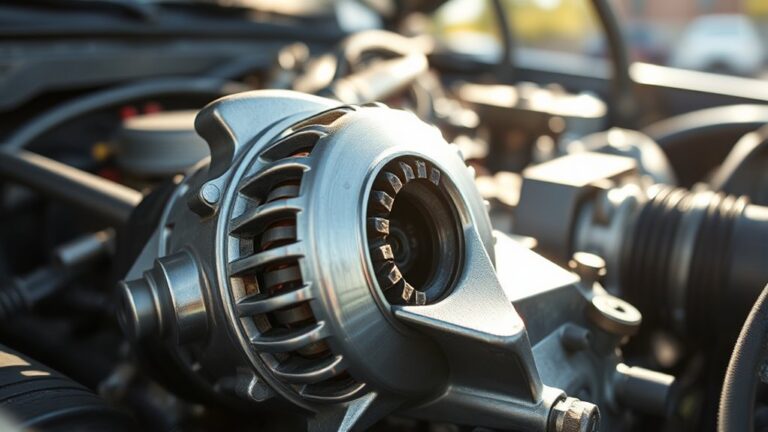
Could the Starter or Alternator Be the Culprit?
Here’s a quick breakdown:
| Symptom | Possible Cause |
|---|---|
| Engine cranks slowly or not at all | Starter issues |
| Battery drains quickly | Alternator troubles |
| No dash lights | Alternator failure |
| Engine cranks but stalls | Alternator not charging |
If you notice these symptoms, inspecting the starter and alternator could save you a trip to the mechanic. Testing these components is a good DIY step before calling in professional help.
Key Sensors That Might Prevent Your Engine From Starting
If your engine is cranking but just won’t start, it might be because of some faulty sensors. These sensors are pretty important because they tell your car’s engine control unit (ECU) what’s happening so it can make the right adjustments.
For example, the crankshaft position sensor is crucial because it lets the ECU know the position of the crankshaft, which is necessary for timing the ignition and fuel injection. If this sensor isn’t working right, your engine might turn over but won’t actually start.
Then there’s the throttle position sensor, which monitors how much you’re pressing the gas pedal. If it’s malfunctioning, the engine might not get the right signals to run smoothly. And don’t forget the mass air flow sensor — it measures the air coming into the engine, helping the ECU adjust the fuel mixture. When it’s faulty, the engine might struggle to start or run poorly.
Crankshaft Position Sensor
The crankshaft position sensor is crucial for starting your engine because it tells the engine control unit (ECU) exactly where the crankshaft is and how fast it’s spinning. If this sensor malfunctions or gets out of alignment, your engine might crank over but still won’t start.
A faulty sensor can send incorrect signals, which messes with ignition timing and fuel injection. Common problems include crankshaft misalignment affecting the sensor, wiring issues or dirt causing malfunction, and damage from heat or debris impairing the sensor’s function.
To troubleshoot, check for error codes related to the crankshaft position sensor, inspect the sensor and wiring for damage, and ensure the crankshaft is properly aligned. Fixing these issues often solves starting problems caused by this vital sensor.
Throttle Position Sensor
A malfunctioning throttle position sensor (TPS) can prevent your engine from starting, even if the crankshaft position sensor is fine. The TPS tells the engine control unit how far the throttle is open, which affects fuel delivery and ignition timing.
If the sensor isn’t working right or the throttle isn’t calibrated properly, the engine might not get the signals it needs to start. Common signs include rough idling, hesitation, or the engine not starting at all.
To troubleshoot, start by inspecting the TPS for damage or dirt. If needed, perform a throttle calibration to ensure it’s working correctly. Replacing a faulty TPS can restore proper communication with the ECU and help your engine start smoothly.
Ignoring TPS issues can lead to more drivability problems later on, so it’s best to address them early.
Mass Air Flow Sensor
When your engine won’t start, a faulty Mass Air Flow (MAF) sensor could be the culprit, even if other sensors seem fine. The flow sensor measures the amount of air entering the engine, helping the ECU adjust fuel delivery.
If it’s dirty, damaged, or malfunctioning, your engine may not get the correct air-fuel mixture, preventing startup. You might also notice rough idling or poor acceleration.
To troubleshoot, check for common issues like a dirty or contaminated mass air flow sensor, wiring problems, or loose connections. A faulty or failing flow sensor component can also be the cause.
Cleaning or replacing the MAF sensor can often restore proper airflow readings, helping your engine start smoothly again. Regular maintenance is key to preventing these issues.
How to Perform a Basic Compression Test at Home
Performing a basic compression test at home is an easy way to check for potential internal engine problems. You’ll need a compression gauge, which measures the pressure inside each cylinder. This test helps you get a sense of your engine’s health and find issues like worn piston rings or valves.
Here’s a simple step-by-step:
- Remove the spark plug(s).
- Connect the compression gauge to a spark plug hole.
- Crank the engine several times.
- Record the highest pressure reading.
Understanding these readings can tell you if your engine is in good shape or if it needs further inspection.
| Low Compression | Possible Cause | Action Needed |
|---|---|---|
| Less than 100 psi | Worn piston rings | Replace piston rings |
| Uneven readings | Valves or head gasket issues | Get a professional diagnosis |
| No compression | Valve failure | Repair or replace valves |
| High compression | Carbon build-up | Clean intake valves |
When to Seek Professional Help for Engine Starting Problems
Ever wonder if your engine’s starting problem is serious enough to need professional help? If simple troubleshooting doesn’t fix the issue, it’s a good idea to call in a mechanic. They can do thorough engine diagnostics to find hidden problems that aren’t obvious.
You should seek help when your engine cranks but doesn’t catch, even after checking the basics. Also, if you notice unusual noises, smells, or smoke during startup, that could mean internal issues.
If the problem keeps happening and you’re unsure what’s causing it or how to fix it safely, it’s time to get professional help. Mechanics have the right tools and expertise to diagnose complex issues, saving you time and preventing further damage.
Avoid attempting advanced repairs if you’re not confident—you might end up making things worse. When your engine still won’t start after your basic checks, it’s best to rely on experts to find the root cause and get your vehicle back on the road quickly and safely.
Tips to Prevent Future Starting Issues and Keep Your Engine Running Smoothly
Regular maintenance and mindful driving habits can significantly reduce the chances of your engine refusing to start. Staying on top of scheduled oil changes, replacing filters, and checking fluid levels are essential for keeping your engine healthy.
Regular maintenance ensures that important components like the ignition system, battery, and spark plugs work efficiently, helping prevent common starting issues. Plus, avoid aggressive driving—sudden acceleration or harsh braking can put extra strain on your engine and parts.
Keep an eye on warning lights and address minor problems quickly before they turn into bigger issues. Parking in shaded or sheltered areas helps protect your battery and engine from extreme temperatures that can affect start-up performance.
Frequently Asked Questions
Can a Faulty Fuel Pump Cause My Engine Not to Start?
Yes, a faulty fuel pump can prevent your engine from starting. If the pump isn’t delivering fuel properly, your engine won’t get the necessary fuel to ignite.
You can do some simple tests, like listening for a humming sound when turning the key or checking the fuel pressure. If these tests show problems, replacing or repairing the fuel pump is usually needed.
Fixing the pump will restore proper fuel flow and help get your engine running again.
How Do I Identify a Bad Crankshaft Position Sensor?
Ever wonder if your crankshaft position sensor is acting up? To find out, start with engine diagnostics and sensor testing.
Look for strange engine behavior like stalling or a no-start condition. Use a multimeter to check for voltage inconsistencies.
If the sensor’s output is irregular or missing altogether, it’s probably the problem. Testing these sensors helps identify the real culprit behind your engine’s stubborn refusal to start.
What Role Does the Camshaft Sensor Play in Engine Starting?
The camshaft sensor plays a crucial role in engine timing by telling the engine control unit when to fire the spark plugs and inject fuel.
If it malfunctions, your engine may crank but won’t start because the timing information is inaccurate. A sensor malfunction disrupts this process, stopping the proper engine operation.
Ensuring the sensor works correctly helps maintain proper engine timing and prevents starting issues caused by sensor failure.
Can a Clogged Air Filter Prevent My Engine From Starting?
A clogged air filter can definitely prevent your engine from starting because it restricts airflow, which is essential for proper combustion. You might not notice it at first, but a dirty filter reduces airflow, causing the engine to struggle or not start at all.
Regularly checking and replacing your air filter guarantees unrestricted airflow, helping your engine run smoothly and start reliably every time.
How Does the Idle Air Control Valve Affect Engine Startup?
The idle air control valve manages how much air gets into your engine during startup. If it’s not working right, your engine might crank but struggle to start or stall shortly after.
A faulty idle air valve can mess up the air-fuel mixture, making it tough for your engine to run smoothly. Regularly checking, cleaning, or replacing it helps ensure proper airflow and easier starts.
Conclusion
Think of your engine as a finely tuned orchestra—every part must play in harmony for a smooth start. When you notice it cranking but not firing up, it’s like missing a conductor’s baton; the symphony falls apart.
Regular checks and simple DIY fixes can keep your engine in tune, just like a conductor keeps the music flowing. Addressing common causes early can make all the difference.
Don’t wait for a full-blown performance failure. Tune up early, and your car will always be ready to perform. If your engine cranks but won’t start, understanding these issues can help you get back on the road quickly.