Car Engine Parts And Functions Disassembled and Explained
Are you often frustrated by a car that struggles to start or stalls unexpectedly? You’re not alone—many drivers find themselves confused about what’s happening under the hood. Understanding your engine parts can help you troubleshoot issues and keep your vehicle running smoothly.
Your car engine consists of key parts like the cylinder block, pistons, and crankshaft, all working together to convert fuel into motion. The ignition system sparks the air-fuel mixture, powering combustion inside the cylinders.
Valves control air intake and exhaust gases, while the cooling and lubrication systems protect essential components from overheating and wear.
Knowing these parts and their functions makes it easier to see how your engine keeps your vehicle moving. Keep exploring to learn how each part contributes to your car’s performance.
Key Takeaways
- The cylinder block contains pistons that turn fuel into motion, making it the heart of the engine.
- Pistons move inside cylinders to create power, connected to the crankshaft through connecting rods.
- The camshaft and valves work together to control air intake and exhaust, helping the engine run smoothly.
- The ignition system sparks the fuel-air mixture, starting controlled explosions that push the pistons down.
- Cooling and lubrication systems prevent overheating and reduce friction, keeping the engine running well and lasting longer.
What Are the Main Parts of a Car Engine?
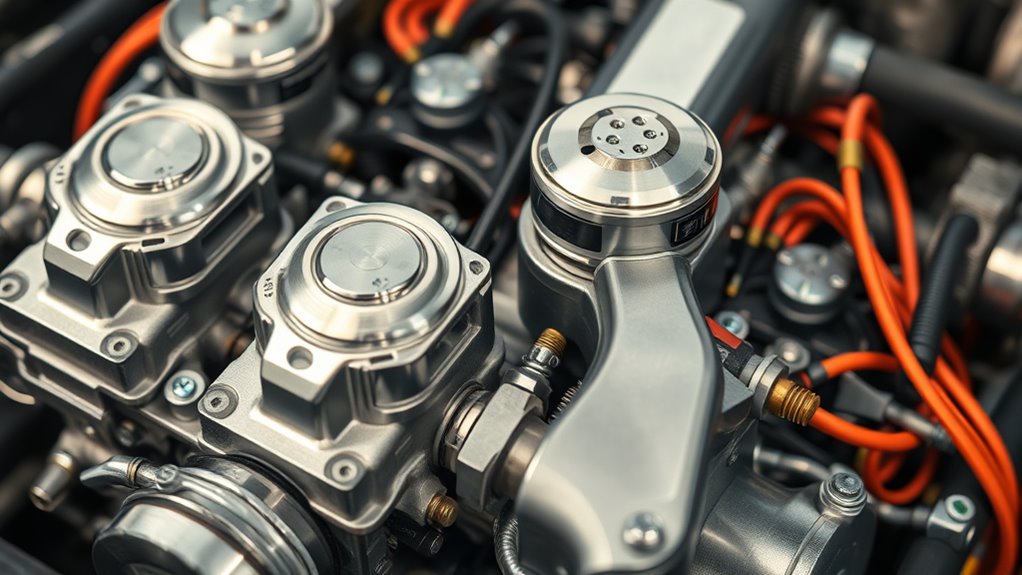
A car engine is made up of several key parts that work together to generate power and keep your vehicle moving. These engine components include the cylinder block, pistons, crankshaft, valves, and camshaft.
The cylinder block houses the pistons, which move up and down to convert fuel into motion. The crankshaft then transforms this linear movement into rotational force, powering the wheels.
Valves control the intake of air and fuel, as well as the exhaust gases exiting the engine. The camshaft manages the timing of these valves, making sure they open and close at the right moments.
The function of these parts shows how they work seamlessly to produce engine power. Other important components include the timing belt, oil pump, and spark plugs.
Together, these parts form the foundation of your engine, working in harmony to keep your car running smoothly and efficiently.
How Does the Ignition System Start Your Car?
When you turn the key in your ignition, you’re actually sending a signal that kicks everything into gear. It’s like giving your car a little nudge to get started.
That signal then tells the spark plug to do its thing — create a spark. And that spark is what ignites the fuel-air mixture inside the engine. Once that combustion happens, it powers the engine to start running and get your car moving.
Key Turns On Ignition
Turning the key in the ignition activates the vehicle’s ignition system, starting your engine. When you turn the switch, it sends a signal to the starter motor, engaging the engine’s vital parts.
Modern vehicles often use a key fob, so you can start the car with a push button. But the basic idea remains the same.
This step is essential—it’s when your car wakes up and gets ready to move. The ignition switch acts as a gateway, controlling power flow and security.
Feeling that satisfying turn is your cue that everything is set in motion.
| Moment of Action | Emotional Impact | Resulting Feeling |
|---|---|---|
| Turning the key | Confidence & control | Engine starts smoothly |
| Using a key fob | Convenience & ease | Quick start |
| Ignition engagement | Security & trust | Vehicle awakens |
| Turning the switch | Power & readiness | Ready to drive |
| Key turns in ignition | Anticipation | Vehicle responds |
Spark Creates Combustion
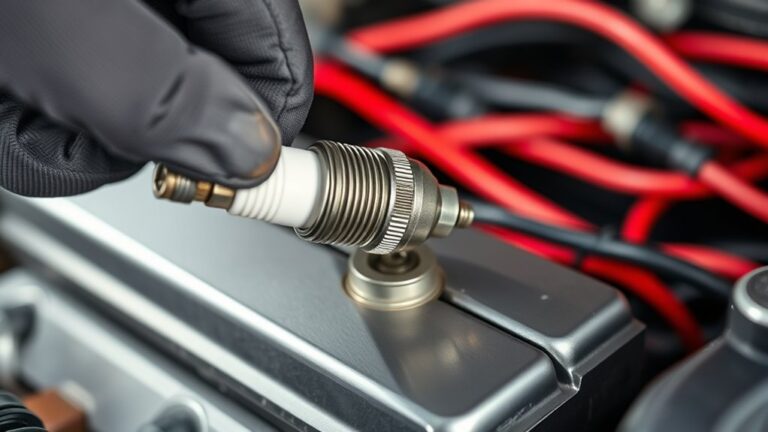
As you turn the ignition key or press the start button, the ignition system kicks in by creating a high-voltage electrical spark. This spark is produced by the spark plug, which sits in the engine’s combustion chamber.
When the spark plug fires, it creates a tiny but powerful electrical discharge across its gap, igniting the air-fuel mixture inside the chamber. This ignition starts a rapid combustion process.
The combustion releases energy that pushes the pistons downward. That movement is what ultimately powers your engine. Without this spark creating combustion, the engine wouldn’t start or run.
All of this happens in just a fraction of a second, but it’s the crucial first step that gets your engine moving.
Engine Starts Running
Once you turn the ignition key or press the start button, the ignition system kicks in, sending a burst of electrical energy to the spark plugs. This sparks combustion in the engine cylinders, making the engine start running smoothly.
As the engine idles, you might notice the noise stabilizing, which means it’s in sync. Proper ignition timing boosts fuel efficiency, cuts down on emissions, and reduces engine noise.
Here’s a quick overview:
| Step | What Happens |
|---|---|
| Ignition activated | Sends electrical current to spark plugs |
| Spark plugs ignite | Starts combustion in engine cylinders |
| Engine starts running | The car moves smoothly and efficiently |
This process helps your car start quickly and quietly, ensuring better performance.
How Pistons and Connecting Rods Generate Power
Pistons and connecting rods are the main parts that turn the energy from controlled explosions inside the engine into mechanical power. When fuel ignites in the combustion chamber, it creates a force that pushes the piston down.
This movement is transferred through the connecting rod, which links the piston to the crankshaft. The design of the piston, including its shape and material, helps it handle high pressure and heat for efficient power transfer.
Connecting rods transfer piston movement to the crankshaft, while piston design ensures durability under high pressure and heat.
Rod materials like steel or aluminum provide strength and durability while keeping weight down. This boosts engine performance and helps the engine run smoothly.
To understand how they generate power, consider how the piston’s shape improves combustion efficiency, how rod materials handle stress and reduce wear, and how the linear piston motion is converted into rotary crankshaft movement.
Together, piston design and rod materials are key to turning explosive force into usable engine torque, which powers your vehicle forward.
How Valves Control Air Intake and Exhaust
Valves open and close at just the right moments, kind of like they’re on a carefully timed schedule. This way, they control when fresh air gets into the engine and when exhaust gases leave. It’s all about making sure everything runs smoothly.
Their operation depends on camshafts and timing mechanisms that coordinate their movements perfectly. When everything works together, it helps the engine breathe properly, running efficiently and staying cleaner in the process.
Valve Operation Mechanism
The valve operation mechanism is essential for controlling the flow of air and exhaust gases in an engine. It depends on precise valve timing and different valve types to ensure the best performance.
Valves open and close at specific times, allowing air in and exhaust out efficiently. The most common types are intake and exhaust valves, each designed for their particular role.
Valve timing is critical; it determines when valves open and close, synchronized with piston movement for maximum power. Proper operation prevents loss of compression and helps maintain fuel efficiency.
Understanding how this mechanism works helps you see how engines breathe and perform smoothly. It highlights the importance of correctly timed valve operations for engine longevity and efficiency.
Air Intake Regulation
Understanding how air intake and exhaust are regulated is key to grasping engine operation. Your engine uses valves to control air flow into the cylinders and exhaust out.
The throttle control manages how much air enters the engine, effectively regulating power and speed. When you press the accelerator, the throttle opens, increasing air flow, which signals the engine to produce more power.
Conversely, releasing the pedal closes the throttle, reducing air intake. The intake valves open and close in sync with the piston movement, allowing fresh air in when needed.
Proper regulation guarantees efficient combustion and performance. This precise control of air intake is essential for peak engine function and fuel efficiency.
Exhaust Gas Control
Exhaust gas control relies on a set of valves that open and close at precise times to manage the flow of gases out of the engine. These valves work with the exhaust manifold functions, directing exhaust gases toward the catalytic converter, which reduces harmful emissions.
Proper valve timing guarantees efficient air intake and exhaust expulsion, helping to optimize engine performance. As gases exit, the catalytic converter plays an essential role by converting pollutants into less harmful substances.
To deepen your understanding, consider these key points:
- Valves coordinate with the engine cycle to regulate exhaust flow.
- The exhaust manifold collects gases from multiple cylinders, directing them efficiently.
- The catalytic converter’s role is significant in meeting environmental standards and reducing emissions.
This system helps your engine run smoothly while protecting the environment.
How Combustion Powers Your Engine
When you start your car, a series of controlled explosions happen inside the engine’s cylinders, powering your vehicle. This is the combustion process, where fuel mixes with air and ignites, creating a small explosion.
The force from this explosion pushes the piston down, turning the crankshaft and generating motion. This cycle repeats rapidly, providing the power needed to move your car.
The efficiency of this process directly affects your vehicle’s fuel economy. A well-timed combustion guarantees maximum energy from each drop of fuel.
Efficient combustion maximizes fuel energy, boosting your vehicle’s performance and saving you money at the pump.
Precise control of fuel injection and ignition timing optimizes this process, reducing waste and emissions. When combustion is efficient, your engine runs smoothly, and you get better mileage.
Understanding how combustion powers your engine shows why proper maintenance and tuning are so important. They help keep your vehicle running at peak performance while conserving fuel.
How the Crankshaft and Timing Belt Keep Everything Moving
The crankshaft plays a crucial role in converting the up-and-down motion of the pistons into rotational force that powers your vehicle. Its main function is to transmit power from combustion to the drivetrain, making sure everything runs smoothly.
The timing belt, on the other hand, keeps the crankshaft synchronized with the camshaft. This coordination ensures that the valves open and close at the right moments during each cycle.
Without proper timing, your engine’s valves could collide with the pistons, causing serious damage. Here’s how they work together:
- The crankshaft rotates, driven by piston movement, creating torque.
- The timing belt connects the crankshaft to the camshaft, maintaining precise timing.
- This synchronization guarantees smooth engine operation, with valves opening and closing in harmony with piston movement.
Together, the crankshaft and timing belt keep everything moving efficiently, powering your engine seamlessly.
How Cooling and Lubrication Protect Your Engine
Cooling and lubrication are essential for keeping your engine running smoothly and preventing damage. Cooling helps prevent overheating by dissipating heat generated during combustion, while lubrication reduces friction between moving parts to prevent wear and tear.
Different coolant types, like ethylene glycol and propylene glycol, are used to absorb heat efficiently and prevent corrosion. Proper lubrication methods, such as oil circulation through pumps and filters, ensure oil reaches all critical parts.
This reduces friction and heat buildup, which extends the engine’s life. Coolant types include ethylene glycol-based, propylene glycol-based, water (less common), and extended-life coolants. Lubrication methods range from oil pumps and filters to splash and force lubrication, synthetic lubricants, and automatic systems.
Signs Your Engine Parts Are Worn Out or Failing
How can you tell if your engine parts are worn out or failing? You might notice several warning signs indicating trouble.
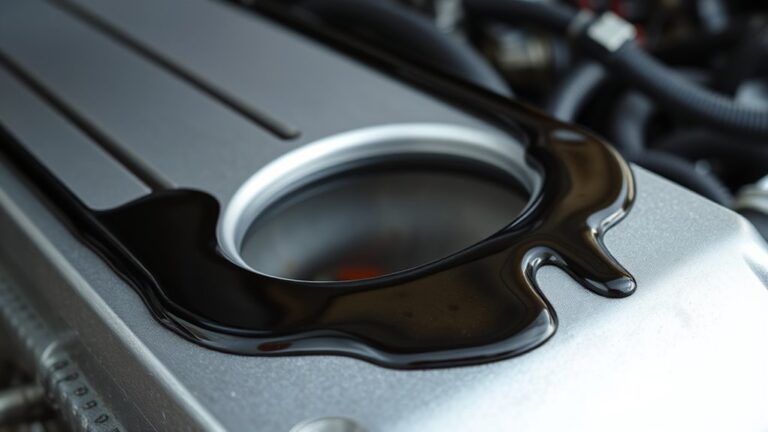
Unusual engine noise like knocking or squealing often signals worn bearings or belts. Visible oil leaks or smoke emissions suggest seals or gaskets are failing.
Overheating issues or vibration problems can point to cooling system or engine mounting failures. A drop in fuel efficiency and warning lights on your dashboard are clear signals that something’s wrong.
You may also observe engine stalling or rough idling, which indicates worn-out components. Ignoring these signs can lead to costly repairs or engine failure.
Regularly check your maintenance schedule, stay attentive to unusual sounds, leaks, or smoke, and respond promptly to warning lights. Addressing these signs early helps keep your engine running smoothly and extends its lifespan.
Tips to Maintain Your Engine for Longevity and Performance
Maintaining your engine properly is essential for guaranteeing it lasts longer and performs at its best. Regularly check and change your engine oil, as clean oil reduces wear and keeps parts lubricated. Remember to replace filters, including the air filter and oil filter, to improve airflow and engine efficiency. Keep coolant levels topped up to prevent overheating and engine damage.
Performing timing checks guarantees your engine runs smoothly and efficiently. Prioritize fuel quality by using reputable fuel sources; poor fuel can harm internal components. Conduct regular inspections for leaks, corrosion, or unusual noises, and listen for signs of noise detection that signal potential issues.
Battery maintenance, like cleaning terminals and testing voltage, helps avoid starting problems. Your driving habits also matter—gentle acceleration and avoiding aggressive driving extend engine life. Consistent maintenance, combined with attention to these tips, optimizes performance and reduces costly repairs over time.
What Causes Engine Failures and How to Prevent Them
Engine failures often happen when you neglect regular maintenance or ignore warning signs, which can lead to expensive repairs or even complete engine breakdowns. Common causes include overheating, poor-quality fuel, and worn-out parts.
To prevent these issues, regularly check your cooling system to avoid overheating, which can warp parts and cause failure. Use high-quality fuel to ensure proper combustion and prevent buildup that damages injectors or pistons.
Schedule routine inspections to catch worn belts, filters, or spark plugs before they cause major problems. Ignoring signs like strange noises, loss of power, or warning lights can make things worse.
Proper maintenance, attentive driving, and using good fuel can really lower the chances of engine failure. Remember, catching issues early saves money and helps keep your engine running smoothly longer.
Frequently Asked Questions
How Do Turbochargers Improve Engine Performance?
Turbochargers improve your engine’s performance by increasing boost pressure, which forces more air into the cylinders. This extra air allows your engine to burn fuel more efficiently, boosting power output.
As a result, you get better acceleration and higher horsepower. The key is turbocharger efficiency, which ensures maximum performance without much lag or heat.
What Role Does the Camshaft Play in Engine Timing?
Think of the camshaft as the conductor of your engine’s symphony, orchestrating timing with precision. Its design determines when valves open and close, directly influencing engine efficiency.
As it spins, it guarantees air and fuel enter at just the right moment, and exhaust gases exit smoothly. Without a properly timed camshaft, your engine’s performance falters, like a band out of sync, losing power and efficiency.
How Does the Fuel Injection System Differ From a Carburetor?
You’ll find that the fuel injection system differs from a carburetor by precisely controlling fuel delivery directly into the intake manifold, optimizing the air mixture for better efficiency.
Unlike a carburetor, which relies on mechanical parts, fuel injection uses electronic sensors to adjust fuel flow. This improves throttle response and ignition timing.
This system offers more accurate fuel delivery, resulting in smoother engine performance and better fuel economy.
What Are Common Causes of Engine Knocking or Pinging?
You might experience engine knocking or pinging due to poor engine maintenance or low-quality fuel. Contaminated fuel can cause uneven combustion, which leads to those knocking sounds.
Using fuel with too low an octane rating for your engine can also trigger pinging. Regularly checking your spark plugs and maintaining proper timing can help prevent this issue.
Using high-quality fuel and keeping up with engine maintenance helps keep combustion smooth and avoids potential damage. Ensuring your engine is well-maintained is key to preventing knocking.
How Do Sensors Like the Oxygen Sensor Affect Engine Operation?
They say “trust but verify,” and sensors like the oxygen sensor play a vital role in that. They monitor exhaust gases, helping ensure proper sensor calibration for peak engine operation.
Your oxygen sensor influences the fuel mixture, which affects exhaust efficiency and emissions. When it works correctly, it helps improve fuel economy and engine performance.
If it malfunctions, your engine may run rough, and emissions could increase. That’s why keeping sensors in prime condition is so important.
Conclusion
Now that you know how each engine part works together like a well-orchestrated symphony, you’ll better understand its delicate balance. Keep it running smoothly, and your engine will thank you with reliability and performance.
Neglect maintenance, and it’s like silencing the orchestra, disrupting the harmony. So, treat your engine with care, and it’ll sing you down the road for miles to come.
After all, isn’t a well-loved engine worth the effort? Proper care of your engine parts ensures it stays in tune and performs at its best.