Why Do My Brakes Squeak in the Morning? Top Reasons & Solutions
Are you tired of waking up to squeaky brakes every morning? If so, you’re not alone—many drivers struggle with this annoying issue. It can be frustrating to start your day with that persistent squeal whenever you hit the brakes.
Your brakes squeaking in the morning usually happens because moisture, rust, and dust build up overnight. Cold temperatures can cause metal contraction and increase squeaks, while rust from humidity or road salt can make noise until the brakes warm up.
Using different brake pad materials may also influence the sound.
Regular maintenance, cleaning, and proper bedding can reduce squeals, but if they persist, more tips can help you keep your brakes quiet longer.
Key Takeaways
- Moisture buildup and rust on brake components overnight can cause temporary squeaking in the morning.
- Cold temperatures cause metal to contract, which can increase brake squeal until things warm up.
- Dust, debris, or wear indicators on your brake pads might make noise when you first start driving in the morning.
- The type of brake pad material affects noise levels, with ceramic pads usually being quieter in cold weather.
- Regular brake maintenance, like cleaning and lubrication, can help prevent and reduce those morning squeaks.
Why Do Brakes Squeak in the Morning?
Have you ever noticed your brakes squeaking just after you start your car in the morning? That noise often comes from a few different things that happen overnight.
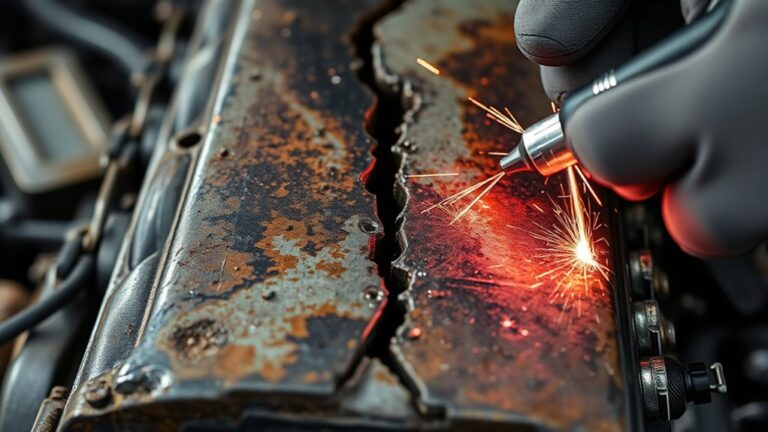
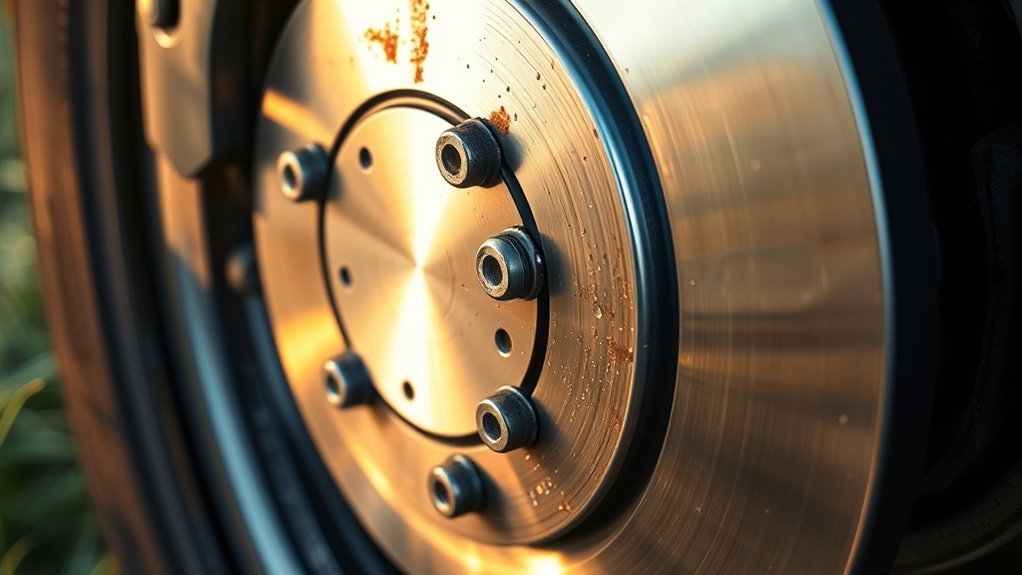
When your vehicle sits, moisture can build up on the brake parts, causing rust to form on the rotors. This rust creates a thin layer that makes the brakes squeak when you first press down.
The main cause is usually the brake pads. They might have dust or debris on them from sitting, or the wear indicators could be touching the rotor. A quick brake check can reveal if rust or dirt is the problem or if the pads need replacing.
Sometimes, the squeaking is just temporary and goes away once you start driving and the brakes warm up. The rust gets scraped off, and the noise stops. Regular maintenance helps keep your brakes quiet and reliable, especially on cold mornings.
How Temperature Affects Brake Noise
Temperature plays a big role in how your brakes sound, especially in extreme weather. When it’s cold, metal parts contract, and brake pads might not sit perfectly, causing squeaks.
On the other hand, hot weather makes brake parts expand, which can lead to noise from increased contact or less lubrication. These temperature effects show why regular brake maintenance is important to cut down on squealing.
| Temperature | Effect on Brakes | Recommended Action |
|---|---|---|
| Cold | Contraction, squeaks | Use good-quality brake lubricant |
| Hot | Expansion, noise | Check that brake pads fit well |
| Mild | Minimal noise | Keep up with regular brake inspections |
Knowing how temperature influences brake noise helps you figure out when squeaks are normal or a sign you need to get your brakes checked. Addressing these issues early can save you from costly repairs later.
The Impact of Brake Pad Material on Morning Squeal
Different brake pad materials can greatly influence whether your vehicle squeals in the morning. Brake pad types vary, with options like organic, ceramic, and semi-metallic, each affecting noise reduction differently.
Organic pads are softer and tend to be quieter initially but may wear out faster and produce more noise over time. Ceramic pads are known for their smooth, quiet operation and excellent noise reduction, especially in cooler temperatures.
Organic pads are quieter initially but wear out faster and may produce more noise over time.
Semi-metallic pads, while durable and effective at dissipating heat, often generate more noise, particularly during cold starts. The material’s hardness and composition directly impact how much sound your brakes produce when they first engage in the morning.
Choosing the right brake pad type tailored to your driving conditions can greatly reduce squealing. If you experience loud squeaks on cold mornings, switching to ceramic pads might help, as they tend to perform better in noise reduction during those times.
Rust and Corrosion: Causes and Prevention
Rust tends to form on your brake parts when moisture and road salt stick around and cause corrosion over time. It’s pretty common, especially in wet or salty conditions. To keep it at bay, it’s a good idea to give your brakes a regular wash and maybe even apply some protective coatings or rust inhibitors.
If you ignore the rust, it can really mess with how your brakes work. You might notice squeaking or feeling sticking when you brake, and over time, the rust can cause more serious damage. So, a little maintenance now can save you a lot of trouble later!
Rust Formation Causes
Rust formation on your brake components happens when moisture and oxygen come into contact with metal surfaces, causing a chemical reaction that results in corrosion. This process can be sped up by environmental factors and lack of proper maintenance.
To prevent rust, consider these common causes: exposure to rain, snow, or humidity without proper drying; parking in areas with high moisture levels or salt-treated roads; ignoring regular brake maintenance that allows rust to develop unnoticed; and failing to apply rust prevention measures like protective coatings or treatments.
Regular brake maintenance helps remove early rust and protects metal surfaces. To keep your brakes squeak-free and in good shape, address rust formation early by cleaning, drying, and applying protective measures.
Corrosion Prevention Tips
To effectively prevent corrosion on your brake components, it’s important to take proactive steps that protect against moisture and environmental elements. Applying corrosion inhibitors can form a protective barrier and help reduce rust buildup over time.
Regular brake cleaning is key too. It removes dirt, grime, and salt that can speed up corrosion. When you clean, make sure to rinse and dry all parts thoroughly to prevent moisture from settling.
Storing your vehicle in a dry, sheltered spot is especially helpful during bad weather. Also, check your brakes often for signs of rust or corrosion and address any issues early on.
These simple steps keep your brake system in good shape, reduce squeaking caused by rust, and help your brake components last longer.
Effects on Brake Performance
Corrosion on your brake components can really hurt their performance, making them less responsive and more likely to fail. Rust buildup causes friction, which makes it harder for the brakes to engage smoothly.
This can lead to squeaking and noise, affecting noise reduction too. To keep things working smoothly, try these steps:
- Regularly check your brake rotors and pads for rust.
- Use a wire brush to clean off surface corrosion.
- Apply a protective coating or anti-corrosion spray.
- Drive regularly to prevent moisture buildup and rust.
Doing these simple things helps keep your brakes performing well and reduces noise, so they work when you need them most.
Why Moisture and Humidity Make Your Brakes Squeak
When moisture gets on your brakes, it creates a thin film that can make them squeak when you press down. It’s pretty common, especially after rain or washing your car.
Humidity, on the other hand, can cause rust to form on the metal parts of your brakes. Over time, this rust can make the squealing noise even worse. So, both moisture and humidity can not only make your brakes noisier but also affect how well they work.
Moisture Creates Thin Film
Moisture on your brake components can create a thin film that causes squeaking sounds. This often happens during early mornings or after seasonal changes when humidity levels rise.
When moisture settles on the brake surface, it mixes with brake fluid residue, forming a slick layer. This film reduces friction and leads to squeaks as the brake pads slide against the rotors.
To prevent this, consider:
- Regularly inspecting and cleaning your brake components
- Wiping down rotors and pads with a clean cloth
- Using high-quality brake fluid resistant to moisture
- Parking in covered areas to limit moisture exposure
Understanding how seasonal changes and moisture affect your brakes helps you avoid morning squeaks and maintain smooth braking performance.
Humidity Causes Rust Formation
Humidity can cause rust to form on your brake components, especially if they’re exposed to moisture over time. The humidity effects lead to rust formation on metal parts like rotors and calipers, which can make your brakes squeak in the morning.
When moisture settles on these surfaces, it speeds up rust development, creating uneven spots and roughness. This rust buildup affects how smoothly your brakes operate, causing squeaking sounds when you first start driving.
Over time, persistent rust can lead to bigger issues, like reduced braking efficiency. To prevent this, regular cleaning and applying protective coatings can help reduce humidity effects.
Keeping your brake parts dry and free of moisture minimizes rust formation. This way, your brakes stay quiet and work properly.
Maintenance Tips to Prevent Morning Brake Squeal
To minimize morning brake squeal, regular maintenance is really important. One key step is making sure the brakes are properly lubricated, which helps reduce metal-to-metal contact and prevents squeaking.
Seasonal maintenance is also crucial, especially during temperature changes that can cause moisture buildup and rust. Here are four simple tips to help you prevent squealing:
- Apply brake lubricant to caliper slides and contact points to keep parts moving smoothly.
- Inspect brake pads and rotors regularly for uneven wear or rust, and tackle any issues early.
- Clean brake components with a brake cleaner to remove dust, debris, and moisture.
- Perform seasonal maintenance by checking for rust and adding protective coatings if needed before cold weather hits.
Following these steps will keep your brakes quiet and effective. Regular upkeep ensures your braking system stays in top shape, helping you avoid unnecessary noise and costly repairs.
When to Replace Brake Pads or Rotors
Knowing when to replace your brake pads or rotors is super important for staying safe on the road. If your brake pads have worn down to the minimum thickness or you notice deep grooves on your rotors, it’s definitely time to get new ones.
And don’t ignore those squeaking sounds or if your braking feels less effective than usual. Those little signs are telling you it’s time to act fast and have your brakes checked. Better to be safe and catch it early than deal with bigger problems later!
Signs of Wear
Recognizing the signs of wear on your brakes is key to keeping safety and performance up. If you notice certain warning signs, it’s time to check your brake system.
Squeaking or squealing sounds when braking usually mean your brake pads are worn down. Reduced braking responsiveness can indicate that your rotors or pads are thinning.
A pulsating brake pedal might mean your rotors are warped and need attention. Visible damage, like thin brake pads or scoring on the rotors, confirms that your brakes are wearing out.
Paying attention to these signs helps you avoid more costly repairs later. Brake pad wear and rotor condition are crucial for safe stopping. Regular inspections catch problems early, keeping your brakes reliable.
When to Replace
Most brake pads should be replaced once they’ve worn down to about 1/4 inch thickness or if you notice persistent squealing even after brake adjustments. Significant brake wear reduces stopping power and increases safety risks, so don’t ignore these signs.
Check your rotors for grooves or warping. If they’re damaged, replacing them is essential. Safety considerations mean you should replace brake components before they become too thin or compromised, preventing further damage to your braking system.
If your brakes feel less responsive or you hear squeaking during morning drives, it’s time to act. Regular inspections help determine the right moment to replace parts and keep your vehicle safe and reliable.
Don’t wait for complete failure. Address brake wear promptly to stay safe on the road.
How to Bed-In Your Brakes for Quiet Operation
To guarantee your brakes operate quietly, it’s important to properly bed-in the brake pads and rotors. Brake bedding helps ensure even contact, which reduces squeaks and promotes quiet operation. Here’s how you can do it:
Start by accelerating to about 30-40 mph, then firmly press the brakes to slow down without stopping. Repeat this 4-5 times to transfer a thin layer of pad material onto the rotor.
Accelerate to 30-40 mph, then brake firmly 4-5 times to transfer pad material and ensure quiet braking.
Next, drive at moderate speeds and apply steady, moderate braking for about 15-20 seconds. This heats up the brakes and helps confirm even contact between the pads and rotors.
Allow the brakes to cool for a few minutes without applying them aggressively. This helps prevent uneven pad and rotor contact.
Finally, test your brakes with gentle stops to see if the noise has reduced. Proper brake bedding is key to quiet operation and can prevent squeaks over time.
DIY Fixes for Persistent Brake Squeal
If your brakes keep squealing even after proper bedding, there are some DIY fixes you can try before calling in a pro. First, give your brakes a good cleaning to get rid of dust, dirt, and rust that might be causing the noise. Use a brake cleaner spray and a brush to gently scrub the rotors and pads.
After cleaning, you might want to apply lubricant on the back of the brake pads or at the caliper contact points—these spots are often where noise originates. Putting a high-temperature brake lubricant here can help reduce vibrations that lead to squealing. Just be careful not to get any on the brake pad surface or rotor, as that can affect braking performance.
Also, check your brake pads for uneven wear or damage, and replace them if needed. These simple steps often clear up squealing caused by debris, rust, or lack of lubrication. But if the squeak still won’t go away after trying these fixes, it’s a good idea to see a professional to avoid making things worse.
When to See a Mechanic for Brake Issues
While cleaning and lubricating your brakes can often fix squealing, persistent noises or other signs might mean there’s a bigger issue that needs a professional look.
If you notice any of these signs, it’s time to see a mechanic for a thorough brake inspection and squeal diagnosis:
- The squeak keeps going even after you’ve cleaned or lubricated the brakes.
- You feel a vibration or pulsation when pressing the brake pedal.
- The brake pedal feels soft or sinks closer to the floor.
- You notice a drop in braking power or strange odors coming from the brakes.
Ignoring these signs can lead to more costly repairs or even unsafe driving conditions. A professional mechanic can do a complete brake check, find the cause of the squeal, and suggest the right fix.
Don’t wait for your brakes to fail. Getting a timely brake inspection keeps you safe and helps your vehicle run smoothly.
Frequently Asked Questions
Can Brake Squeal Indicate a More Serious Brake Problem?
Yes, brake squeal can sometimes mean there’s a more serious problem, especially if it’s caused by worn-out parts or excessive brake wear. It’s important to get a proper noise diagnosis to figure out what’s really going on.
If the squeaking keeps happening or gets worse, it might reduce your braking ability or cause damage to other parts. Addressing it quickly helps keep your brakes reliable and safe for driving.
Do Different Vehicle Makes Experience Morning Brake Squeal Differently?
Like a whisper that varies with the wind, different vehicle makes can experience morning brake squeal differently. Your vehicle’s make influences the brake materials used, which affects how they respond in cold temperatures.
Some cars may squeak more because of specific brake pad compositions or rotor designs. This highlights the importance of regular vehicle maintenance.
Understanding these differences can help you address squeal issues proactively. It also keeps your braking system in top shape, so you’re always ready to go.
How Long Does It Take for Brake Squeal to Resolve Naturally?
Brake squeal can go away naturally within a few days to weeks, especially if it’s caused by weather effects like moisture or cold temperatures.
To help speed up this process, make sure your brake pads are clean and properly aligned.
Just keep in mind that if the squealing keeps happening beyond a reasonable time, it might be a good idea to get your brakes checked by a professional.
Are There Specific Brake Pad Brands Less Prone to Squeaking?
Back in the day, brake squeal was pretty common, but nowadays, some brands really stand out. Certain brake pad materials like ceramic or semi-metallic pads tend to be less prone to squeaking.
Brands like Akebono, Bosch, and Wagner often use noise reduction techniques to help keep things quieter.
If you’re looking for quieter brakes, choose pads that are specifically designed to reduce noise.
Consider replacing your brake pads with these recommended brands for a smoother, quieter ride.
Does Driving Style Influence the Likelihood of Morning Brake Squeal?
Yes, your driving habits and weather conditions can affect morning brake squeal. Aggressive driving can cause brake pads to overheat and squeak, especially when moisture is present in the morning.
Cold weather leads to moisture buildup on brake parts, making squeaks more likely until the brakes warm up. Gentle driving and letting the brakes warm up gradually can help reduce squeaking.
Dry, warm conditions also help minimize moisture-related noise, so driving smoothly in these conditions can keep your brakes quieter.
Conclusion
So, next time your brakes squeak in the morning, remember it might just be moisture or rust, not a sign of a serious problem. Some suggest WD-40, but it’s better to have your mechanic check if the squealing continues.
Curiously, a little heat from driving can actually help brake pads settle and reduce noise over time. Staying proactive and understanding these causes helps keep your brakes quiet and your mornings hassle-free.
If your brakes keep squeaking, don’t ignore it. Regular maintenance and quick checks can prevent bigger issues. When in doubt, a professional opinion is always the safest way to go.
By knowing why your brakes squeak in the morning, you can address the problem early and enjoy quieter, smoother stops every day.