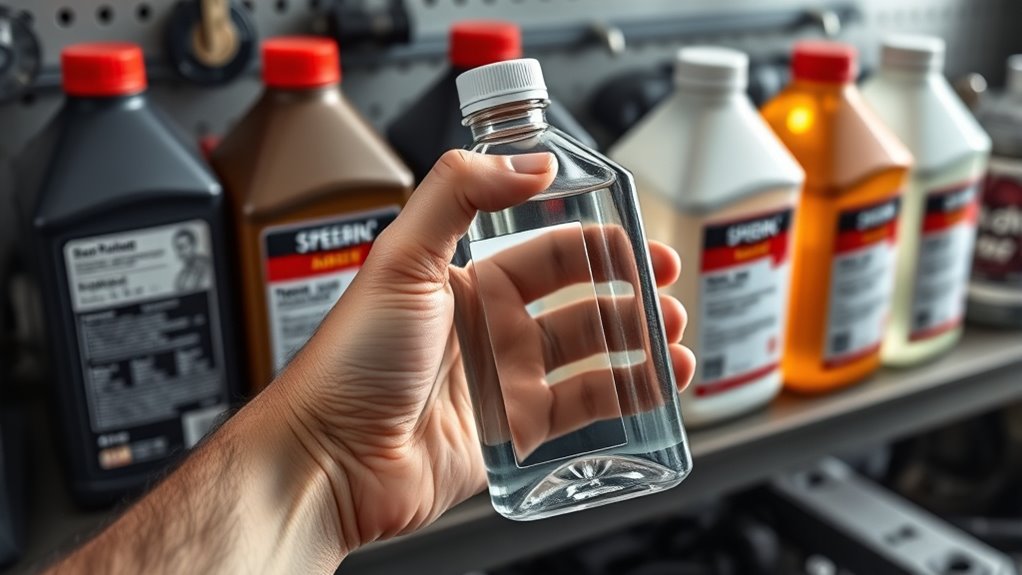
Steering Fluid Selection Made Easy: Tips & Steps to Choose Right Fluid
Many drivers find choosing the right steering fluid confusing. With so many options out there, it’s easy to feel overwhelmed. You’re not alone—many people struggle to pick the best fluid to keep their vehicle steering smooth and reliable.
Choosing the right steering fluid is key to keeping your vehicle steer smoothly and avoiding damage. Check your owner’s manual for the exact fluid type and specifications.
Look for high-quality glycol, synthetic, or mineral fluids compatible with your system. Keep an eye on fluid color and level—dark or low fluid signals it’s time for a top-up or change.
Stay on top of maintenance, and you’ll keep your steering system reliable. Continue with these tips to learn more.
Key Takeaways
- Check your vehicle’s owner manual for the recommended fluid types and specs from the manufacturer.
- Decide between glycol-based, synthetic, or mineral fluids based on what your vehicle needs and your driving conditions.
- Make sure the fluid’s viscosity and compatibility match your system to keep everything properly lubricated and running smoothly.
- Before choosing a new fluid, inspect your current one for cleanliness and any signs of contamination.
- Keep an eye on your steering fluid levels regularly and top up or replace it as needed to ensure optimal steering performance.
Why Proper Steering Fluid Matters for Your Car
The smooth operation of your steering system depends heavily on the quality of the fluid inside it. Proper steering fluid guarantees you maintain steering precision, allowing for smooth, responsive turns.
Quality steering fluid ensures smooth, precise turns and optimal steering performance.
When the fluid is clean and suitable for your vehicle, it reduces wear on components and helps prevent costly repairs down the line. Using the right fluid also helps extend fluid lifespan, so you won’t need to replace it as often, saving you time and money.
Poor quality or incompatible fluid can lead to increased friction, noise, and sluggish steering response. Over time, contaminated or degraded fluid can cause damage to steering parts, affecting control and safety.
Maintaining the correct steering fluid is a simple, effective way to keep your steering system functioning at its best. It ensures your vehicle responds accurately to your commands, giving you confidence and safety on every drive.
Investing in the right fluid supports both performance and the longevity of your steering system.
Understanding Your Vehicle’s Steering System and Fluid Needs
Your vehicle’s steering system relies on specific components and fluid types to work properly. Knowing the basics helps you understand how parts like the pump, rack, and hoses work together to give you smooth, responsive steering.
Each part needs compatible fluid to do its job. Using the wrong fluid can cause leaks, more wear, or steering problems. For example, incorrect fluid can damage seals or reduce lubrication, leading to costly repairs.
It’s really important to check your vehicle’s owner’s manual to find out the right fluid specifications. Knowing what your steering system needs helps you pick the correct fluid that keeps everything running at its best and prevents damage.
Regularly inspecting the system and following the manufacturer’s advice can help it last longer. By understanding these basics, you’ll be better at choosing the right steering fluid and avoiding common issues caused by incompatible or old fluids.
The Different Types of Steering Fluids: Glycol, Synthetic, and Mineral
Choosing the right steering fluid depends on understanding the main types available—glycol-based, synthetic, and mineral. Glycol fluids are common, offering good lubrication and corrosion protection. They typically have glycerin properties that help maintain fluid stability and prevent freezing.
Synthetic steering fluids are formulated for high performance, offering superior compatibility with modern materials and better temperature resistance. They often last longer and provide smoother steering.
Mineral fluids are derived from crude oil, making them more affordable but less stable over time. They can be suitable for older vehicles with compatible systems.
When selecting, consider the glycerin properties of glycol fluids, which influence fluid stability. Verify the fluid type matches your vehicle’s system requirements.
Understanding these differences helps you choose a fluid that maintains peak steering performance and system longevity. Always confirm compatibility with your vehicle to avoid issues down the line.
How to Find the Right Steering Fluid Specifications for Your Vehicle
Wondering how to find the right steering fluid specifications for your vehicle? The key is to check the specification charts in your owner’s manual or vehicle’s service documentation. These charts list the exact type and grade of steering fluid recommended by the manufacturer, guaranteeing peak performance and safety.
Always prioritize manufacturer recommendations because they’re tailored to your vehicle’s design and components. Look for specific details like fluid viscosity, whether it’s synthetic, glycol-based, or mineral. If you can’t locate your manual, visit the manufacturer’s website or contact a dealership for precise information.
Using the correct specifications prevents damage to your steering system and keeps it running smoothly. Choosing a fluid that matches the specifications ensures compatibility and longevity. Taking a moment to verify these details can save you from potential problems later and keep your vehicle running safely and efficiently.
Signs You Need to Change or Top Up Your Steering Fluid
Keeping an eye on your steering fluid levels and condition is key to smooth handling and safety. If you notice difficulty turning, squealing noises, or stiffness, it’s a sign you might need to top up or change the fluid. Here are some main indicators:
Monitoring steering fluid ensures smooth driving; look for difficulty, noises, leaks, or dirty fluid to prevent damage.
Difficulty Steering: If turning requires more effort than usual, it’s often a sign of low or degraded steering fluid.
Unusual Noises: Squealing or whining sounds typically point to issues with the fluid.
Fluid Leaks: Puddles or spots under your vehicle suggest fluid loss and the need for a top-up.
Dirty or Contaminated Fluid: Dark, gritty, or foul-smelling fluid means it’s time for a replacement and possibly checking how often you should change it.
Dealing with these signs quickly helps prevent damage. Regularly inspecting your steering fluid allows you to catch problems early and avoid costly repairs later.
How Climate and Driving Style Affect Your Steering Fluid Choice
Your climate and driving style really play a big role in choosing the right steering fluid for your vehicle. If you’re in a hotter place, you’ll want a fluid that doesn’t get too thin when it heats up, so it keeps your steering smooth and responsive. On the other hand, if you’re in a colder area, a thicker fluid can help maintain proper performance during those chilly mornings.
And don’t forget about how you drive. If you tend to drive aggressively or often push your car hard, you’ll need a steering fluid that can handle higher temperatures and more stress without breaking down. Picking a fluid with the right temperature tolerance ensures your steering stays reliable no matter what kind of driving you do.
Climate Impact on Viscosity
Climate plays a big role in determining the ideal steering fluid viscosity because temperature changes directly affect how the fluid flows and lubricates. When it’s cold, the fluid can become thicker, making it harder for it to flow and lubricate properly. In hot weather, it thins out, which can lead to leaks and increased wear.
Temperature swings can cause viscosity to shift, so the fluid might end up too thick or too thin for optimal performance. To handle these changes, consider choosing a fluid with a viscosity index suited for your climate. This helps keep the fluid working well no matter the weather.
It’s also important to find a balance between fluid flow and lubrication. Extreme temperatures call for specially formulated fluids to prevent issues. Regularly inspecting and replacing your steering fluid is key to avoiding viscosity-related problems and keeping your system smooth and responsive.
Driving Style Demands
Driving style greatly influences the type of steering fluid you should choose, especially if you tend to make aggressive or frequent turns. These driving habits put more stress on the steering system.
If you often navigate sharp corners or drive aggressively, you’ll need a fluid that can handle high performance under stress. This helps prevent breakdowns and keeps your steering smooth.
Heavy or rapid steering requires a fluid with excellent compatibility to ensure everything runs smoothly. On the other hand, if your driving is mostly relaxed, a standard fluid might do the job.
Your driving style impacts how well your steering system performs over time. Picking a high-performance fluid is key to maintaining stability and responsive handling.
Always think about your driving habits when choosing a fluid. This way, you can ensure your steering system stays reliable, responsive, and wears less over time.
Temperature Tolerance Levels
Temperature fluctuations can really affect how well your steering fluid works, especially when combined with your driving style. Knowing your climate’s temperature range helps you pick the right fluid for reliable steering performance.
Extreme cold means you need fluids with low pour points so they don’t thicken up. High temperatures require fluids with high thermal stability to prevent breaking down.
If you experience frequent temperature swings, multi-grade fluids are a good choice because they handle a wide range of conditions. For stable, moderate climates, standard steering fluids usually do the job fine.
Matching your steering fluid to your climate’s temperature range ensures good lubrication and protection. Ignoring this can lead to fluid breakdown, poor steering response, and more wear and tear. Always pick a fluid suited to your climate and driving habits.
Choosing the Best Steering Fluid Brands: What to Look For
When choosing the best steering fluid brands, it’s important to focus on quality and compatibility with your vehicle. Start by looking at the brand’s reputation—trustworthy brands usually make more consistent, high-quality fluids.
Prioritize reputable brands that ensure high-quality, compatible steering fluids for optimal vehicle performance.
Performance reviews and user feedback can give you real-world insights into how well a brand’s fluid performs over time. Make sure to verify that the fluid is compatible with your vehicle’s specifications; using the wrong type can cause steering problems.
Compare prices to find options that offer a good balance between affordability and quality. Don’t forget to check your vehicle manufacturer’s recommendations—they often specify the exact fluids tested for your model.
A well-reviewed brand with positive ratings usually indicates better performance and longer-lasting results. By keeping these factors in mind, you’ll keep your steering system responsive and well-protected, saving you money and hassle in the long run.
How to Check and Maintain Your Steering Fluid Level and Condition
Regularly checking your steering fluid level and condition is key to keeping your steering smooth and responsive. Doing this helps you catch issues early before they turn into costly repairs.
To keep your steering system in good shape, start by checking the fluid levels once a month. Make sure they’re within the range recommended by your vehicle’s manufacturer.
Next, inspect the fluid’s condition. It should be clear and not smell foul. If it looks dark, gritty, or has an unpleasant smell, it’s time for a change.
It’s also important to stick to a regular maintenance schedule, usually every 30,000 miles or as your manual suggests.
Finally, keep an eye out for leaks or strange noises. These can be signs of low fluid or other problems that need immediate attention.
Common Mistakes When Replacing Steering Fluid and How to Avoid Them
Replacing your steering fluid might seem straightforward, but there are some common mistakes that can mess up the process and your vehicle’s steering system. One frequent mistake is falling for steering fluid myths, like thinking any fluid will do or that regular oil works just fine. These misconceptions can cause damage or make steering less responsive.
Another big mistake is not properly flushing out the old fluid before adding new fluid. This can lead to compatibility issues and reduce how well the steering system is lubricated. Also, it’s easy to overlook the importance of using the correct type and viscosity recommended by your vehicle’s manufacturer.
Mixing incompatible fluids is another pitfall. It can create gunk and make steering feel sluggish or unresponsive. To avoid these problems, always check the recommended steering fluid and follow proper flushing procedures. Don’t assume all fluids are interchangeable. Paying attention to fluid compatibility and clearing up steering fluid myths will keep your steering system in top shape.
Quick Tips to Keep Your Steering System Running Smoothly for Years
Keeping your steering system in top condition requires a few simple habits that can save you time and money down the road. Regular steering maintenance tips help prevent costly repairs and guarantee smooth handling.
First, check your fluid levels regularly. Low fluid can cause steering issues and make driving harder. Second, always use the right type of fluid when topping off or replacing it to avoid damaging seals or components.
Regularly check and use the correct fluid to prevent steering problems and protect your vehicle’s components.
Third, inspect for leaks or signs of wear, like strange noises or difficulty turning. These can be signs your steering needs attention. Fourth, schedule periodic professional inspections to catch problems early.
These steps help keep your fluid clean and prevent contamination, ensuring your steering stays responsive for years. Remember, sticking to recommended fluid types and maintaining clean, compatible fluids is key to avoiding issues that can hurt performance.
Frequently Asked Questions
Can Using the Wrong Steering Fluid Damage My Vehicle?
Using the wrong steering fluid can damage your vehicle. Different types of steering fluid have specific compatibility requirements.
Mixing incompatible fluids can cause seals to break down, leading to leaks or steering failure. Always check your vehicle’s manual to make sure you’re choosing the correct fluid.
Using the wrong fluid can lead to costly repairs and poor steering performance. So, it’s best to pick the right fluid for safe and reliable driving.
How Often Should I Replace My Steering Fluid?
Did you know that neglecting steering fluid maintenance can lead to costly repairs? You should replace your steering fluid every 2 to 3 years or around 30,000 miles, depending on your vehicle’s manual.
Regular fluid replacement helps prevent pump failure and steering issues. Keep an eye on your fluid’s color and consistency, and follow your manufacturer’s guidelines for the best results.
Is It Safe to Mix Different Types of Steering Fluids?
It’s generally not safe to mix different types of steering fluids because they might not be compatible. Mixing fluids can cause chemical reactions that could damage your steering system or reduce its performance.
Always check your vehicle’s owner manual for the recommended fluid type. If you need to top off or change fluids, make sure you’re using the same type to avoid mixing risks.
Using the wrong fluids can compromise your steering system’s reliability and safety, so it’s best to be cautious.
What Factors Influence Steering Fluid Lifespan?
Think of your steering fluid as a marathon runner; its lifespan depends on how well you care for it.
Fluid degradation speeds up when it gets contaminated or gets old. Temperature can also cause it to break down faster or become too thick.
High engine heat or aggressive driving can shorten its life. Regularly checking and replacing your steering fluid keeps it working properly, just like a runner maintaining stamina for the long haul.
Are There Eco-Friendly Steering Fluid Options Available?
Yes, eco-friendly steering fluid options are available today. You can choose sustainable options that focus on fluid performance while reducing environmental impact.
These fluids often contain biodegradable ingredients and fewer harmful chemicals, helping you maintain your vehicle’s steering system responsibly. When selecting a sustainable option, make sure it meets your vehicle’s specifications for peak performance.
This way, you can support environmental health without sacrificing the effectiveness of your steering system.
Conclusion
Choosing the right steering fluid is like finding the perfect key for a lock—it’s essential for smooth operation. Understanding your vehicle’s needs and recognizing signs of fluid issues can help you make the best choice.
Sticking to quality brands and checking fluid levels regularly keeps your steering system in top shape. Avoid common mistakes to prevent costly repairs and ensure longevity.
Think of your steering fluid as the heartbeat of your steering system. Keep it healthy, and your drive will stay confident and comfortable. Proper steering fluid selection is key to a smooth, reliable ride.