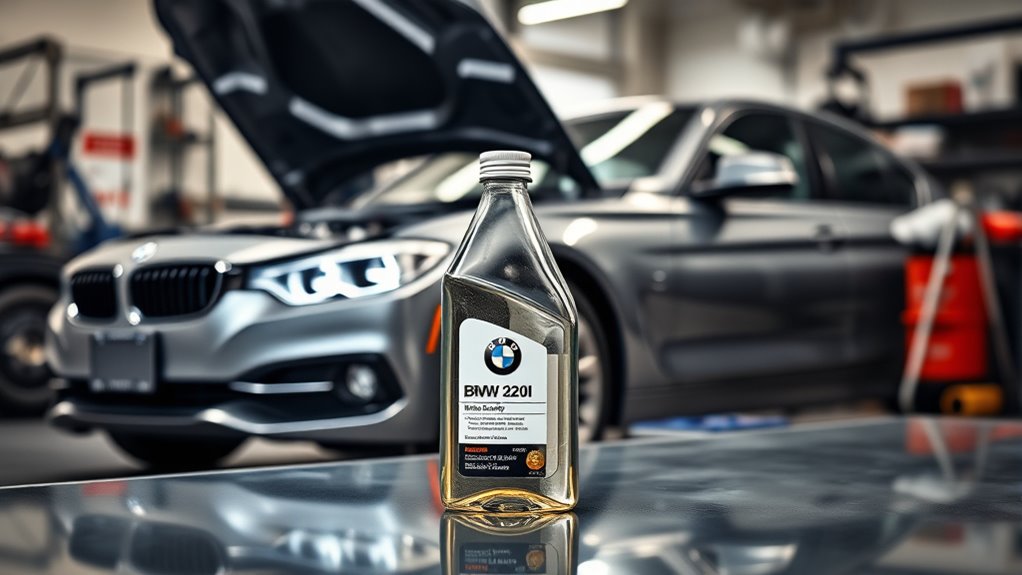
Top Choice: Discover the Best Oil for BMW 328i
Many BMW 328i owners know the struggle of keeping their engine running smoothly and avoiding costly repairs.
Finding the right oil can feel overwhelming with so many options out there. You’re not alone—many people struggle with choosing the best oil for their vehicle’s needs.
For your BMW 328i, choosing a high-quality synthetic oil like Mobil 1 or Castrol guarantees peak engine protection and performance.
Look for oils that meet BMW’s specifications, such as 0W-20 or 5W-30, and pay attention to viscosity and certifications.
Regular oil changes and monitoring oil condition help prevent engine issues.
To uncover the best options and avoid common mistakes, keep exploring—you’ll find the essential tips you need for your BMW’s health.
Key Takeaways
- Choose high-quality synthetic oil that meets BMW specifications for optimal engine protection and performance.
- Select the correct viscosity, like 0W-20 or 5W-30, based on your climate and driving conditions.
- Prioritize reputable brands such as Mobil 1, Castrol, or Valvoline for reliable lubrication and additives.
- Change the oil every 7,500 to 10,000 miles or as recommended, especially if you drive in demanding environments.
- Regularly check your oil level and condition to prevent engine wear and know when it’s time for a change.
What Makes an Oil Good for Your BMW 328i?
Choosing the right oil for your BMW 328i depends on several key factors. A good oil improves engine performance by reducing friction and maintaining the ideal temperature. It helps your engine run smoothly and efficiently, even under demanding conditions.
Quality oil also lasts longer because it resists breaking down quickly, which means fewer oil changes. Look for oils with the right viscosity and specifications recommended by BMW, as these are designed to meet your car’s specific needs.
Quality oil lasts longer, resists breakdown, and reduces the need for frequent oil changes.
High-quality oils contain additives that protect engine parts from wear and corrosion, boosting the engine’s lifespan. When selecting oil, consider brands known for reliability and those that meet industry standards.
Using the proper oil not only improves your engine’s performance but also helps keep it healthy over time. To sum up, choosing an oil that balances performance and longevity will keep your BMW 328i running at its best for miles to come.
Key Factors to Consider When Choosing Engine Oil for BMW 328i
When picking the right engine oil for your BMW 328i, it’s important to consider the oil’s viscosity to ensure it works well with your engine. Basically, you want an oil that flows properly at different temperatures to keep everything lubricated smoothly.
Next up, think about whether you want to go with synthetic or conventional oil. Synthetic oils often last longer and perform better, especially in extreme conditions, but they can be a bit pricier. Conventional oils are usually more affordable but might need to be changed more often.
Finally, make sure to choose reputable brands that meet the quality standards recommended for your car. Using good-quality oil from trusted brands helps your engine stay healthy and run smoothly for years to come.
Oil Viscosity Compatibility
Understanding oil viscosity compatibility is essential because it directly affects your BMW 328i’s engine performance and longevity. Choosing the right viscosity guarantees ideal oil flow, especially at different oil temperatures, preventing engine wear or sluggish performance.
The correct viscosity helps maintain proper lubrication under various driving conditions, boosting engine performance and fuel efficiency. Make sure to match the recommended viscosity grade in your owner’s manual for the best results.
Think about how oil temperature changes can affect viscosity to prevent thinning or thickening. Using oils with incompatible viscosity ratings can impair lubrication and cause engine stress, so it’s best to avoid them.
Synthetic vs. Conventional
Selecting the right type of engine oil for your BMW 328i means considering synthetic versus conventional options.
Synthetic oils often provide better oil performance, offering improved lubrication, stability at high temperatures, and better engine protection.
Conventional oils are more affordable but may not last as long or protect the engine as well, especially under demanding conditions.
| Synthetic Oil | Conventional Oil |
|---|---|
| Better oil performance | Lower cost |
| Superior temperature stability | Shorter lifespan |
| Improved engine protection | Less effective at high heat |
| Longer-lasting | Suitable for older engines |
| Supports engine longevity | Needs more frequent changes |
Choosing synthetic oil can help extend your engine’s life, especially when driving in tough conditions.
Brand and Quality Standards
Choosing the right engine oil for your BMW 328i means paying attention to brand reputation and quality standards. These factors directly impact oil performance and how long your engine lasts.
When you’re comparing options, go for brands known for their reliability and consistent quality assurance. Make sure the oil meets or exceeds what the manufacturer recommends.
A reputable brand gives you confidence in the oil’s performance over time. Look for oils with proper certifications like API or OEM approvals, which ensure quality standards are met.
Choose brands with a proven track record in the automotive industry. Check for certifications that verify quality assurance, and avoid lesser-known brands lacking clear reliability indicators.
Is Synthetic or Conventional Oil Better for Your BMW?
Is synthetic or conventional oil really better for your BMW 328i? It depends on what you value most.
Synthetic oil generally offers better engine performance because it flows more easily at cold start and maintains better lubrication under high temperatures. This can lead to smoother running engines and more consistent power delivery.
Plus, synthetic oils tend to last longer since they don’t break down as quickly. That means fewer oil changes and potentially lower maintenance costs. It also helps keep your engine cleaner over time.
Conventional oils are usually less expensive and still meet basic engine needs. If you drive your BMW aggressively or in extreme conditions often, synthetic oil is usually the better choice for sustained performance and protection.
All in all, synthetic oil provides superior benefits for engine performance and longevity, making it the top pick to keep your BMW 328i running smoothly and efficiently.
What Oil Viscosity and Specs Are Recommended for BMW 328i?
To keep your BMW 328i running smoothly, it’s important to use the recommended oil viscosity and specs. BMW usually recommends synthetic oils with specific viscosity ratings to ensure top engine performance and protection. For most models, 0W-20 and 5W-30 are common choices, providing good flow during cold starts and stability at operating temperature.
Using the right synthetic oil, like 0W-20 or 5W-30, ensures optimal performance and protection for your BMW 328i.
When selecting oil, think about your climate and driving habits. Using the right viscosity helps with proper lubrication, fuel efficiency, and engine longevity. BMW’s specs often require oils that meet BMW Longlife or LL-01/LL-04 standards, which guarantee high quality and compatibility.
- Use synthetic oils with viscosity ratings like 0W-20 or 5W-30
- Make sure the oil meets BMW’s Longlife standards
- Choose the oil type based on your climate and driving style
How to Read and Understand Oil Labels and Certifications
Understanding how to read oil labels and certifications is key to making sure you pick the right lubricant for your BMW 328i. Oil labels give you important info about viscosity, performance standards, and certifications.
Look for symbols or codes like “API SN” or “SN PLUS.” These show the oil meets specific performance standards set by industry groups. Certifications like ACEA are also helpful, especially if you’re using European brands.
These certifications ensure the oil passes tests for engine protection, fuel efficiency, and emissions. Pay attention to the viscosity grade too, but knowing what these labels mean helps you confirm the oil is suitable for your engine.
Reading these labels correctly ensures you pick an oil that keeps your engine healthy and running smoothly.
When and How Often Should You Change the Oil in Your BMW 328i?
So, when it comes to changing the oil in your BMW 328i, it’s generally recommended to do it every 7,500 to 10,000 miles. That said, it’s not just about the mileage — you should also keep an eye out for signs that your engine might need some extra love, like strange noises or warning lights popping up on the dashboard.
How often you really need to get an oil change can also depend on your driving habits and how old your car is. If you’re often stuck in stop-and-go traffic or doing a lot of short trips, you might want to change the oil a little more frequently. Staying aware of these cues helps ensure your engine stays healthy and keeps running smoothly for years to come.
Recommended Oil Change Intervals
Regular oil changes are essential for maintaining your BMW 328i’s performance and longevity. Typically, you should change the oil every 7,500 to 10,000 miles, but this can vary based on driving conditions.
Consider your driving habits and seasonal factors, like colder months, which may require more frequent changes because the oil thickens. If you mostly do short trips or drive in harsh conditions, more frequent oil changes might be needed.
Check your vehicle’s manual for the manufacturer’s recommendations. During seasonal shifts, it’s also a good idea to inspect your oil’s condition and level to ensure proper engine lubrication.
Sticking to proper intervals helps prevent engine wear and keeps your BMW running smoothly.
Signs You Need Oil Change
Even if you follow the recommended oil change intervals, certain signs can indicate your BMW 328i needs an oil change sooner. One clear warning is an oil leak, which suggests oil is escaping and your engine isn’t properly lubricated.
Furthermore, an engine warning light may appear on your dashboard, signaling issues related to oil pressure or quality. Unusual engine sounds, such as knocking or ticking, also point to insufficient lubrication.
If you notice your vehicle running rough or experiencing decreased performance, it’s time to check the oil. Ignoring these signs can lead to severe engine damage.
Regularly monitor the oil level and quality, and respond promptly to any warning signs to keep your BMW running smoothly.
Proper Oil Change Frequency
Maintaining ideal engine performance means changing the oil at the right times, which can depend on your driving habits and oil type. For your BMW 328i, sticking to a regular maintenance schedule is key to keeping the engine running smoothly.
Usually, you should change the oil every 7,500 to 10,000 miles or once a year, whichever comes first. But if you often drive in tough conditions—like heavy traffic or extreme temperatures—you might need to do it more often.
Remember to replace the oil filter during each oil change. This helps prevent contaminants from circulating and keeps your engine clean.
Regularly check your maintenance schedule and follow the recommended intervals. Doing so will help prolong your engine’s life and keep your car performing at its best.
Common Mistakes to Avoid When Selecting Oil for Your BMW
Choosing the right oil for your BMW 328i might seem simple, but many owners make common mistakes that can hurt the engine. One mistake is ignoring the oil filter’s importance; using a filter that isn’t compatible or is low quality can let debris circulate, causing damage over time.
Another mistake is falling for maintenance myths, like thinking synthetic oil always costs more and isn’t necessary. This can lead you to pick cheaper, lower-quality options instead of what’s best for your car. Always check your owner’s manual for the recommended oil specs and avoid shortcuts that seem cheaper but compromise quality.
Avoid maintenance myths; always follow your owner’s manual for the best oil choices.
Many people choose oil based only on price rather than performance and compatibility. Remember, the right oil not only lubricates but also protects your engine from wear. Overlooking these details can reduce efficiency, increase wear, and lead to costly repairs down the line.
Stay informed, prioritize quality, and avoid myths to keep your BMW running smoothly.
How to Recognize When Your BMW Needs an Oil Top-Up or Change
You’ll want to keep an eye on your oil level pretty regularly, and the easiest way to do that is by using the dipstick. If you notice the oil is running low, it’s definitely time to top it up so your engine stays happy.
Also, pay attention to any strange noises coming from your engine—things like knocking or ticking could be signs that your oil needs some attention. And don’t forget to watch out for warning lights on your dashboard or any changes in how your car feels or performs; these can be clues that it’s time for an oil change.
Oil Level Indicators
Ever wondered how to tell if your BMW 328i needs an oil top-up or change? Your vehicle’s oil level indicators are key. Modern BMWs use oil monitoring systems that track oil levels constantly, alerting you through dashboard alerts when levels drop too low.
To check manually, locate the oil dipstick—usually marked—and pull it out to inspect the oil’s color and level. If the oil is below the minimum mark or looks dirty, it’s time for a top-up or change.
Keep an eye on dashboard alerts, as they’re designed to warn you before engine issues occur. Regularly monitoring these indicators guarantees your BMW runs smoothly and prevents potential engine damage.
- Check the dipstick periodically for oil level and quality
- Pay attention to dashboard alerts about oil levels
- Use oil monitoring systems for continuous tracking
Unusual Engine Noises
Unusual engine noises can be a clear sign that your BMW 328i needs an oil top-up or change. When engine performance drops, you might notice knocking, ticking, or grinding sounds that weren’t there before.
These noises happen because of inadequate lubrication, which causes parts to contact improperly or overheat. Listening for these sounds can help you figure out if your engine is struggling due to low or dirty oil.
If you hear rattling during startup or a steady knocking noise during acceleration, it’s time to check your oil levels and quality. Ignoring these sounds can lead to more serious engine damage.
Regular oil changes help keep noise diagnosis accurate and ensure your engine runs smoothly. This prevents small issues from turning into costly repairs.
Stay attentive to unusual sounds to keep your BMW running smoothly.
Top Oil Brands for BMW 328i: What to Look For
When choosing the best oil brands for your BMW 328i, it’s important to consider quality, formulation, and reputation. Look for brands known for making premium oil that meets BMW’s specifications. Trusted brands often include advanced additives that boost engine protection and efficiency.
High-quality oils from reputable brands help your engine run smoothly and last longer, especially under tough conditions. Make sure the oil is fully synthetic and designed for high-performance engines.
Check if the brand offers oils with proven additives for better lubrication and wear protection. It’s also a good idea to confirm the brand’s reputation and read positive reviews from BMW owners.
Popular brands like Mobil 1, Castrol, and Valvoline offer premium oils tailored specifically for BMW 328i. These brands focus on quality and formulation, making them reliable choices for maintaining your engine’s health and performance.
Final Tips for Maintaining Optimal Engine Performance in Your BMW 328i
Choosing the right oil is just the first step in keeping your BMW 328i running smoothly. To ensure your engine stays healthy, stick to a regular maintenance schedule, including oil changes as recommended by your owner’s manual.
Keep an eye on your oil levels and top up when needed, especially during extreme weather conditions. Regularly check your air filters, spark plugs, and fluids to prevent buildup and maintain performance.
Pay attention to unusual noises or vibrations, as these can signal underlying issues. Drive smoothly, avoiding rapid acceleration and heavy braking, which can put extra strain on your engine.
Consistent engine care not only extends your car’s lifespan but also improves fuel efficiency. Finally, consider professional inspections periodically to catch potential problems early.
Frequently Asked Questions
How Does Climate Affect the Best Oil Choice for My BMW 328I?
Climate greatly affects your BMW 328i’s oil choice. In colder temperatures, you need a low-viscosity oil that flows easily during startup, so opt for thinner oils like 0W-30.
In hot climates, thicker oils like 5W-40 help protect your engine against temperature extremes. Always consider your local climate to select the right oil viscosity, ensuring smooth engine performance and preventing wear during temperature fluctuations.
Can Using the Wrong Oil Void My BMW 328i’s Warranty?
Like a knight’s sword, using the wrong oil can jeopardize your BMW 328i’s warranty. If you don’t follow the recommended oil specifications, your manufacturer might see it as neglect and potentially void your warranty.
Always choose oil that meets BMW’s standards to ensure peak performance and protect your investment. Ignoring this could turn your ride into a pumpkin, so stick with the right oil and keep your warranty intact.
What Are Signs of Oil Degradation in a BMW 328I?
You’ll notice signs of oil degradation in your BMW 328i through increased engine noise, rough idling, or reduced acceleration.
Dark, dirty oil indicates it’s time for an oil change because degraded oil hampers engine performance and lubrication.
You might also see warning lights on your dashboard.
Regularly checking your oil’s color and consistency helps prevent engine damage and keeps your engine running smoothly.
Is It Necessary to Use Bmw-Specific Oil Brands?
You don’t have to stick to BMW-specific oil brands, but using oils that meet manufacturer recommendations is essential. BMW oil is formulated for ideal brand compatibility and performance, ensuring your engine stays protected.
Non-BMW oils might not meet these standards, risking potential damage. To keep your 328i running smoothly, choose oils that align with manufacturer specs.
This guarantees the right viscosity and quality for your vehicle’s needs.
How Does Driving Style Influence Oil Selection for My BMW 328I?
Your driving habits are like a tailor, shaping the perfect fit for your BMW 328i’s oil. If you often drive in stop-and-go traffic, you’ll want a higher viscosity oil to protect the engine during those sudden starts and stops.
On the other hand, if you’re mostly cruising on highways, a lighter oil works best. Adjusting oil viscosity based on your driving style helps keep your engine running smoothly, like a well-oiled machine.
Conclusion
So, there you have it—your ultimate guide to choosing the best oil for your BMW 328i. Just remember, in the world of engine oils, the best choice is often the one that keeps your car running smoothly—no magic potions needed.
Skip the hype, read those labels, and treat your engine to the care it deserves. After all, a happy engine means fewer surprises and more adventures on the open road with the right oil for your BMW 328i!