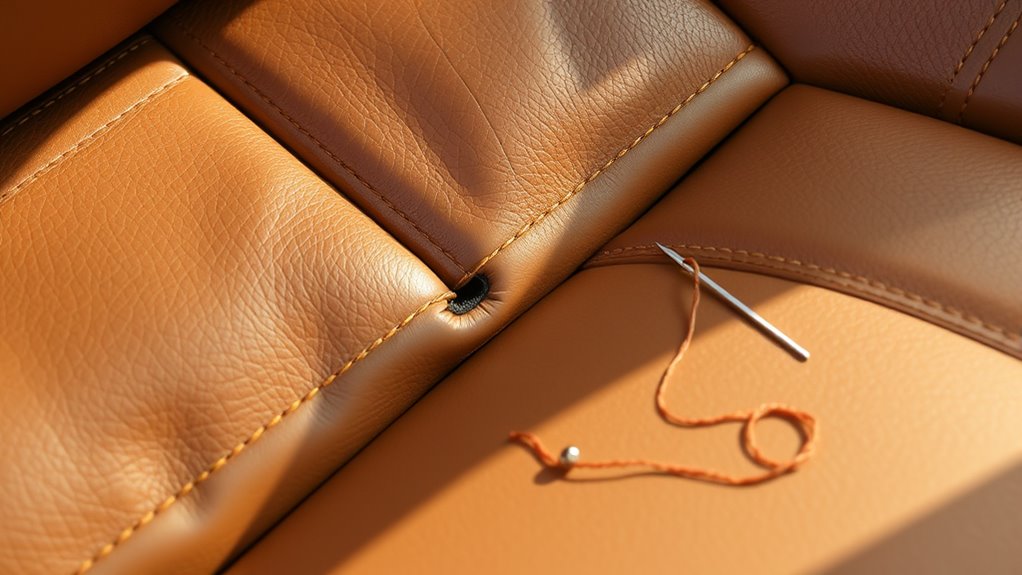
How to Fix Tear in Car Seat: Easy DIY Repair Tips
Are you tired of seeing that unsightly tear in your car seat but unsure how to fix it? You’re not alone—many car owners struggle with minor damages that can make their vehicle look worn out.
Luckily, fixing a tear in your car seat is easier than you might think with some simple DIY tips.
To fix a tear in your car seat, start by evaluating the damage—measure the tear and check its edges.
Select the right repair method based on the tear’s size and fabric type, like using a matching patch or sewing it up with strong upholstery thread.
Prepare the area by cleaning it thoroughly before applying a fabric or leather adhesive or stitching the tear.
For more tips on fixing different types of tears and maintaining your seat, investigate further.
Key Takeaways
- First, check the size and spot of the tear to decide whether patching or sewing is best. Small tears can often be fixed with adhesive, while bigger ones might need sewing for strength.
- Make sure to clean and dry the area thoroughly before applying any repair materials. This helps the repair stick properly and lasts longer.
- For small tears, use fabric or leather adhesive along with a matching patch. If the tear is large or jagged, sewing it closed will give you a more durable fix.
- To prevent the tear from spreading, reinforce the seams with strong stitching or additional patches. This adds extra support and durability.
- Keep your seats protected with covers and clean them regularly. Doing this can help prevent future tears and keep your seats looking good longer.
Why Do Car Seats Tear? Common Causes Explored
Car seats can tear for lots of reasons, mostly from everyday use. Over time, regular use weakens the fabric, making it more likely to rip.
Accidents also happen—sharp objects or pet claws can puncture or tear the material unexpectedly. Sun exposure speeds up the deterioration, making the fabric brittle and more prone to tears.
Using the seat daily puts stress on the seams and surfaces, especially if you sit or move in the same spot all the time. Harsh cleaning chemicals or abrasive tools can weaken the fabric fibers and cause tears.
Age naturally takes a toll too. As materials break down over the years, the seat becomes more vulnerable to damage. Knowing these common causes helps you understand why tears happen.
Being aware of these factors lets you take steps to prevent damage, keeping your seat in good shape longer and saving you money on repairs.
How to Assess the Damage to Your Car Seat
First, take a look at the tear and see how big it is. This will help you figure out what kind of repair options you have. Then, find out what kind of fabric your car seat is made of so you can pick the right materials and methods for fixing it. Lastly, don’t forget to check underneath the seat or close to the tear for any hidden damage that might affect your repair.
Examine Tear Size
When evaluating the tear in your car seat, start by carefully measuring its length and width. This helps you understand how big the damage is and what kind of repair might be needed.
Larger tears or those with frayed edges usually need more extensive repairs, while smaller, clean tears are easier to fix. Consider the size of the tear—whether it’s small, medium, or large.
Check the tear edges too. Are they clean or frayed? The location is important as well, such as whether it’s near seams or in the middle of the fabric. Finally, identify the type of tear—whether it’s a puncture, slit, or split.
Identify Fabric Type
Knowing the type of fabric your car seat is made of is essential before attempting any repairs, as different materials require specific techniques and products. To identify your fabric, start with fabric identification techniques like feeling the texture, checking for stretch, or examining the weave pattern.
Some fabrics, like leather or vinyl, feel smooth and firm, while cloth may be softer and woven. You can also perform a simple water test—dabbing a small amount of water and observing absorption.
Understanding your upholstery care basics helps determine the best repair approach. For example, leather needs conditioning, while cloth may require patching.
Correctly identifying fabric type guarantees you choose the right repair products, increasing the chances of a seamless, long-lasting fix.
Check Underlying Damage
Before attempting any repairs, carefully examine the tear to see if there’s underlying damage to the foam or other structural parts. This step is crucial for preventing further tears and making sure your fix lasts.
Check if the foam underneath is torn, compressed, or deteriorated, as this can weaken the fabric over time. Look for signs like fraying or loose fibers around the tear edges, which could indicate ongoing wear.
If accessible, inspect the seat’s frame or support structure to assess its stability. Confirm whether the foam is intact or needs replacing, and look for hidden tears or fraying in the surrounding fabric.
Also, check for foam compression or degradation, and look for structural issues that could make the tear worse later on.
Gather the Right Tools and Materials for Repair
To effectively repair a tear in your car seat, you need to gather the right tools and materials beforehand. Proper preparation guarantees your repair techniques are successful and the final result looks seamless.
Start with basic tools like a sharp scissors or utility knife to trim frayed edges. You’ll also need an upholstery or fabric adhesive suitable for your seat material.
For material selection, choose a patch that matches your seat’s fabric or leather to guarantee a uniform look. A sewing kit with strong, upholstery-grade thread can be helpful for reinforced repairs.
If you’re working with leather, consider a leather repair kit that includes filler and colorant. Having these tools and materials ready saves time and prevents frustration during the repair process.
Make sure to read instructions on the repair products to understand their proper use. This will help ensure your repair techniques are effective and durable.
Prepare Your Car Seat for Repair
Before you jump into repairing, it’s a good idea to give the seat a thorough clean. Just grab a vacuum or a damp cloth and wipe away any dirt and debris. That way, you’ll have a clear surface to work with, and the repair will turn out much better.
Next, take a close look at the tear itself. Check out how big it is and what kind of damage you’re dealing with. This will help you figure out the best way to fix it — whether you need a patch, some adhesive, or maybe even a replacement.
Finally, gather up all the supplies you’ll need for the repair. Having everything ready beforehand means you can work smoothly without having to stop and search for tools or materials. Once you’re all set, you’ll be ready to tackle that tear and get your seat looking good as new.
Clean the Seat Area
A clean seat area is key for a successful repair because dirt and debris can mess with the adhesive or patching process. Proper cleaning ensures the surface is free of dust, oils, and grime, which is essential for effective seat maintenance.
Start by vacuuming the area thoroughly to remove loose dirt. Then, use a mild upholstery cleaner or a mixture of water and gentle soap to wipe down the fabric or leather. For stubborn stains, a soft brush can help lift dirt without damaging the material.
Make sure the seat dries completely before moving on. Keeping the area clean not only improves adhesion but also helps the repair last longer. Focus on these key points for a smooth, durable fix:
- Vacuum thoroughly
- Use gentle cleaning solutions
- Avoid harsh chemicals
- Allow ample drying time
Assess Tear Damage
Evaluating the tear damage is an essential step to determine the best repair method. You need to identify the tear type, like a small cut, a large rip, or frayed edges, since each needs a different approach.
Check if the tear is clean or jagged, and see if the fabric or leather around the edges is stretched or frayed. Use this table to help you decide what to do:
| Tear Type | Repair Technique |
|---|---|
| Small cut | Patching or adhesive repair |
| Large rip | Sewing or professional patching |
| Frayed edges | Trimming and reinforcing |
| Jagged tear | Reinforcing with a patch or adhesive |
| Stretched tear | Tension adjustment or professional repair |
Knowing the tear type helps you pick the right method for a durable fix.
Gather Repair Supplies
To start repairing your car seat, gather all the necessary supplies to ensure a smooth process. Having the right tools and materials ready makes your repair techniques more effective and helps you achieve a professional-looking result.
Think about the material of your seat—whether it’s cloth, leather, or vinyl—and choose compatible repair supplies accordingly.
Here’s what you’ll need:
- Fabric or leather adhesive suitable for your material
- Replacement patch or fabric/cloth for patching
- Scissors or utility knife
- Seam ripper or needle and thread for stitching
Preparing these supplies beforehand helps you work efficiently and prevents interruptions. Remember, the best repair results come from using supplies that match your seat’s fabric or leather type.
Decide on the Best Repair Method for Your Tear
When choosing the best repair method for your tear, think about the size, location, and type of fabric or leather you’re dealing with. Small tears in hidden spots might just need a quick patch or some glue. But bigger or more visible tears might need sewing or professional help.
It’s also a good idea to consider tear prevention strategies. Using repair techniques suited to your seat material can help it last longer.
Use this guide to match your tear with the right method:
| Tear Type | Recommended Repair Technique |
|---|---|
| Small surface tear | Adhesive patch or fabric glue |
| Large or jagged tear | Sewing or professional upholstery repair |
| Leather tears | Leather repair kits or professional service |
Choosing the right method ensures your repair is durable and looks seamless. Proper techniques not only fix the tear but also help prevent future damage, saving you time and money later on.
Step-by-Step: How to Patch Small Tears
When you’re fixing small tears, the first thing you want to do is gather all your materials and give the area a good clean. It’s important to make sure everything is dry and free of dirt so the patch sticks properly.
Next, carefully apply the patch, smoothing it out as you go. Take your time to avoid any bubbles or wrinkles—that way, your repair will look neat and last longer. Just a little patience during each step makes all the difference for a durable, tidy fix.
Preparing Materials and Area
Before you start patching small tears in your car seat, gather all the necessary materials and prepare the work area. Clear space on a clean, flat surface so you can work comfortably.
Choose fabric choices that match your seat’s color and texture to ensure a seamless repair. Use a reliable repair kit designed for fabric or leather, depending on your seat material.
Here are some key items to gather:
- Fabric choices or patch material
- Repair kits with adhesive and tools
- Scissors for trimming
- Clean cloth or sponge for preparation
Having everything ready makes the process go smoothly and helps you achieve a professional-looking repair. Preparing your workspace also minimizes mess and ensures all your tools are within reach when needed.
Applying Patch Carefully
Once you’ve gathered your patch material and prepared your workspace, carefully position the patch over the tear, making sure it lines up properly with the surrounding fabric or leather. During patch application, ensure the patch covers the entire tear with a slight overlap on all sides for a secure bond.
Handle the patch materials gently to avoid wrinkles or air bubbles, pressing firmly to guarantee good adhesion. Use a flat tool or your fingers to smooth out the patch, working from the center outward. Take your time to make sure the patch sits flat and secure.
Proper patch application is key to a seamless repair. Double-check that the edges are fully adhered before moving on to any finishing steps. This careful process helps ensure the repair holds over time.
How to Sew or Reinforce Larger Tears Effectively
When dealing with larger tears in your car seat, sewing or reinforcing the damaged area needs some careful prep to make sure the fix lasts. Pick a fabric that closely matches your seat material for a seamless look.
Use strong, upholstery-grade thread and choose sewing techniques appropriate for thick or textured fabric. Before you start sewing, clean the area to remove dirt and debris so everything sticks well.
Opt for durable upholstery thread and clean the area thoroughly before sewing for best results.
Get a heavy-duty needle designed for upholstery or thick fabric to handle the tough material. Reinforce the tear edges with a fabric patch on the underside for extra strength. Sew using a backstitch or zigzag stitch for durability.
Double-stitch along the tear to give added reinforcement and make sure your repair holds up over time.
Matching Car Seat Upholstery Color and Texture
After reinforcing the tear with stitching or patches, matching the upholstery color and texture is key to a seamless repair. Upholstery matching means carefully choosing materials that closely resemble your car seat’s original fabric or leather.
When selecting a color, go for a shade that matches exactly or is slightly lighter. Darker shades can make the repair stand out more. Take a small sample of your seat’s fabric or use a photo to compare colors accurately.
Texture is just as important. Try to find a patch or vinyl that feels similar to your seat’s surface. If you’re unsure about matching textures, visiting an auto upholstery shop for advice or samples can help.
Proper upholstery matching ensures the repair blends naturally, making the tear less noticeable. With attention to detail, your car seat will look almost as good as new, restoring both comfort and appearance.
When to Repair vs. Replace Your Car Seat
Deciding whether to repair or replace your car seat depends on how bad the damage is and the overall condition of the seat. If the tear is small and the foam underneath is still good, fixing it might be the best and most affordable choice.
But if the damage is extensive or the seat shows a lot of wear, replacing it could be the smarter move. Think about repair costs too—small tears are usually cheap to fix with DIY kits, while bigger damage might need professional repairs that can add up.
Replacing the seat might be necessary if the damage affects safety or comfort. Consider these factors:
- The size and location of the tear
- The overall condition of the seat
- Repair costs versus replacement expenses
- Safety and comfort issues
In the end, if repairs are expensive or won’t restore the seat’s integrity, replacing it is the best way to ensure safety and longevity.
Tips to Prevent Future Tears and Maintain Your Seat
Maintaining your car seat’s condition can save you money and extend its lifespan. Preventive maintenance is key to avoiding tears and damage.
Start by regularly cleaning your seats to remove dirt and debris that can weaken fabric or leather. Use seat covers or throws, especially if you have pets or often carry heavy or sharp objects.
Adjust your seat properly to avoid unnecessary strain on seams and fabric. Be careful with sharp objects like keys, tools, or jewelry that can cause tears.
Avoid eating or drinking in your car to prevent stains and spills that may weaken the material over time. Applying a protective conditioner or fabric protector helps keep the material flexible and prevents cracking.
Consistent seat protection and proactive care are simple yet effective steps to preserve your car seats, reduce the risk of tears, and keep them looking good longer.
Frequently Asked Questions
Can I Repair a Tear on My Own Without Professional Help?
Yes, you can repair a tear on your own using simple upholstery repair techniques. Just grab some upholstery materials and give it a try.
Start by cleaning the area thoroughly to remove any dirt or debris. Then, choose a patch or adhesive that’s designed for car upholstery.
Follow the instructions on the repair materials carefully. Apply the patch or glue, and use a needle or pressing tool if needed.
With patience and the right supplies, you can fix the tear effectively without professional help. This way, you’ll save both time and money.
What Types of Adhesives Are Safest for Car Seat Upholstery?
Think of choosing adhesives for your car seat like picking the right glue for a delicate project; you need fabric compatibility.
Safest options include upholstery-specific adhesives and contact cement, which bond well without damaging the fabric.
Always check the adhesive types for compatibility with your seat’s fabric to prevent further tears.
Using the right adhesive guarantees your repair holds, much like a sturdy bridge supporting a busy road.
How Long Does a Typical DIY Car Seat Repair Last?
A typical DIY car seat repair lasts about 1 to 3 years, depending on how durable the materials are and how well the repair holds up over time. Using high-quality adhesives and patch materials can help your repair last longer.
Keeping the seat clean and maintained also makes a big difference in extending its lifespan. Just remember, frequent use, weight, and sunlight can speed up wear and tear.
Regular inspections can help catch issues early and keep your repair looking good longer. With proper care, your DIY fix can stay in place for quite a while.
Are There Specific Cleaning Methods Before Repairing the Seat?
You might think cleaning before repair isn’t essential, but it’s really key for a lasting fix. Proper cleaning depends on your fabric type—whether it’s cloth, leather, or vinyl.
For cloth seats, a vacuum and mild soap usually do the trick. If you have leather, use a gentle cleaner made for leather surfaces. Ensuring your seat is clean and dry removes dirt and oils that can interfere with the adhesive.
This helps the bond better and prevents future damage. Proper prep not only makes your repair last longer but also improves the overall look and feel.
Is It Better to Repair or Replace a Heavily Torn Car Seat?
You should consider repairing a heavily torn car seat if the repair cost stays reasonable and you still prioritize seat comfort. Repairing can be cost-effective and restore functionality without the expense of replacement.
However, if the tear is extensive and affects your comfort or safety, replacing the seat might be the better choice. Weigh the repair cost against the seat’s overall comfort and safety to decide the best option.
Conclusion
Think of your car seat as a trusted companion on your journeys. When tears appear, it’s your chance to mend the bond and restore comfort.
With a simple repair, you’re not just fixing fabric—you’re safeguarding memories and trust.
Use these DIY tips as your toolkit for resilience, making sure every mile ahead feels smooth and secure.
A well-tended seat is a symbol of care, ready to carry you through many more adventures.
And if you notice a tear in your car seat, fixing it early with easy DIY repair tips can save you time and money.