Unveiling the Mystery of Knocking Sound After Turning Engine Off: Causes, Diagnosis, and Solutions
Are you frustrated by that mysterious knocking sound after turning off your engine? You’re not alone—many car owners struggle with figuring out whether it’s normal or a sign of trouble.
When you hear knocking sounds after turning off your engine, it’s usually due to normal cooling processes where metal parts contract or exhaust vibrations, which are often harmless if brief.
However, loud or persistent noises might signal mechanical issues like valve or timing belt problems. To understand if it’s a concern, listen carefully and note any accompanying signs.
Keep in mind, identifying the causes and solutions is easier if you investigate further—there’s more to learn to keep your engine healthy.
Key Takeaways
- Post-shutdown knocking often happens because metal contracts and exhaust resonance occurs as the engine cools down.
- If the knocking is persistent or loud, it could point to issues like valve problems or heat-related stresses on components.
- Paying close attention to when and where the sound occurs can help you tell if it’s just normal cooling noises or something more serious.
- Regular maintenance, such as checking coolant, oil, and other parts, can help prevent or lessen this knocking after shutting off your engine.
- If the knocking continues or seems abnormal, it’s best to get a professional diagnosis and repairs to fix any underlying mechanical problems.
Do You Need to Worry About Knocking Sounds After Turning Off Your Car?
Is it normal to hear knocking sounds after turning off your car? Usually, a few engine noises after shutdown are normal, especially if your vehicle has a turbo or complex engine system. These sounds might just be part of the normal shutdown process, like cooling down or metal contracting.
However, if the knocking is loud or keeps going for a while, that could be a sign of a problem. If you notice unusual engine noises or the knocking continues long after turning off, it’s worth paying attention. Some sounds are harmless, but others might point to issues like overheating or residual heat causing parts to expand and contract.
You don’t always need to worry right away, but it’s a good idea to keep an eye on how long the noises last and how loud they are. Ignoring unusual shutdown sounds could lead to bigger problems later on. When in doubt, it’s best to ask a mechanic to check things out and make sure everything’s okay.
What Causes Knocking Noise After Engine Shutdown?
Knocking noises after shutting down your engine are usually caused by the cooling process and metal parts contracting as they return to ambient temperatures. When the engine cools, metal components like cylinders and headers shrink, which can cause slight vibrations that produce knocking sounds.
Exhaust resonance can also play a role, especially if parts like the exhaust manifold or muffler cool unevenly. This resonance amplifies the vibrations, making the knocking more noticeable.
Sometimes, residual heat causes metal to expand or contract slightly, creating ticking or knocking noises even after shutdown. These sounds are generally harmless and temporary, but persistent or loud knocking might indicate issues like loose parts or thermal stress.
How Can You Tell If the Knocking Is Normal or Harmful?
Determining whether the knocking sounds after shutting off your engine are normal or a warning sign depends on how they behave.
Normal sounds are usually brief, consistent, and fade quickly as the engine cools down. For example, the ticking or clicking noises caused by metal parts contracting are common and harmless.
On the other hand, harmful sounds tend to be louder, irregular, or persistent. If the knocking continues for a long time, gets louder, or is accompanied by smoke or strange odors, it’s probably a sign of trouble.
Pay attention to when the sounds happen and their tone. Harmless noises are usually predictable and quiet, while harmful sounds can be loud or unusual.
Trust your instincts. If the knocking feels off or lasts longer than a few minutes, it’s best to get your vehicle checked by a professional.
How to Find the Cause of the Post-Shutdown Knocking
Wondering how to find out what’s causing knocking sounds after you turn off your engine? The first step is to listen carefully to the engine noise and note when the knocking happens—right after shutdown or a few minutes later.
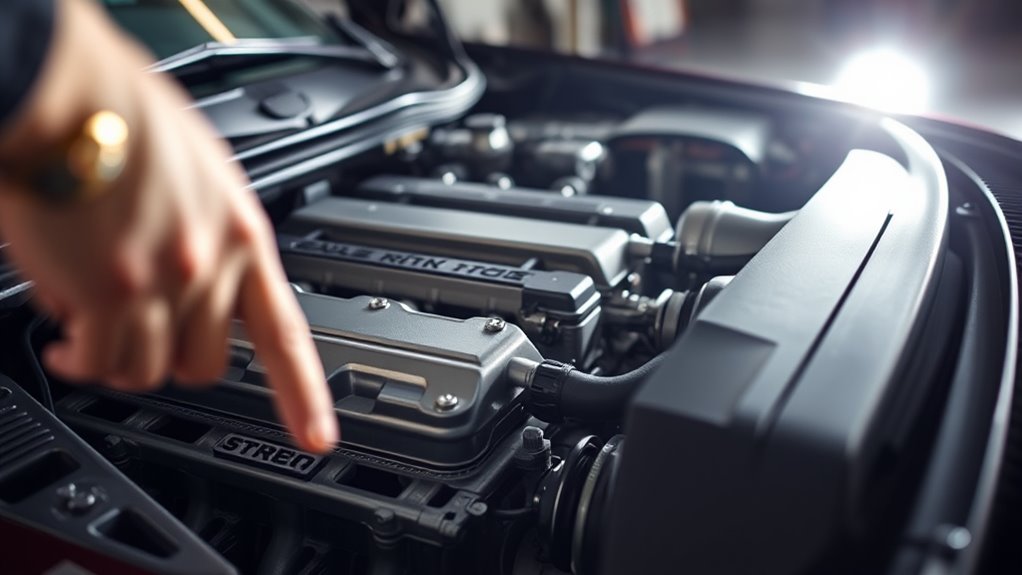
Next, pay attention to where the sound is coming from—under the hood, near the exhaust, or somewhere else. Also, see if the noise happens every time or only under certain conditions, like after a hot drive.
Check for visible signs like leaks or strange vibrations that could be linked to the shutdown process. These clues can point to causes like residual heat causing metal to expand or issues with fluid circulation.
Common Mechanical Issues That Cause Post-Shutdown Knocking
Several mechanical issues can cause knocking sounds after you turn off your engine. Finding the cause quickly can help prevent more damage.
Common reasons include engine wear, oil problems, loose parts, and poor fuel quality. For example, worn pistons or valves can make irregular knocking sounds as parts expand or contract.
Oil issues, like low pressure or degraded oil, can mean the metal parts aren’t getting enough lubrication, leading to knocking. Loose components such as belts or pulleys can vibrate and produce noise during shutdown.
Poor fuel quality can also cause incomplete combustion, which might leave residual knocking after the engine stops.
When Should You Call a Mechanic for Engine Knocking?
If you notice a knocking sound after turning off your engine, it’s important to know when to seek professional help. Unusual engine noise can signal underlying issues that need a mechanic’s evaluation. You should call a mechanic if:
- The knocking sticks around for several minutes after shutdown, which could mean internal engine problems.
- The noise suddenly gets louder or more frequent, hinting at damage or wear.
- You experience other symptoms like overheating, loss of power, or oil leaks along with the knocking sound.
- Your engine warning light comes on, showing there’s an issue that needs immediate inspection.
Ignoring these signs can lead to more damage and costly repairs. Trust your instincts—if the engine noise feels abnormal or alarming, it’s best to get a mechanic to check it out. Addressing the problem early can save you time, money, and prevent breakdowns.
Steps to Diagnose and Confirm the Source of the Noise
To accurately diagnose the source of a knocking sound after shutting off your engine, listen carefully and observe the noise’s characteristics. Pay attention to the sound’s frequency, how long it lasts, and where it seems to be coming from.
Note whether the noise is rhythmic or irregular. This can help point to the underlying cause of the sound.
Use these key observations to guide your diagnosis:
| Observation | Possible Cause |
|---|---|
| High-pitched engine noise | Cooling fan or electrical components |
| Low-frequency knocking sound | Engine parts like pistons or valves |
| Rapid, repetitive sound | Vibrations or loose parts |
| Occasional, sporadic noises | Residual engine heat expansion or contraction |
DIY Tips to Prevent Post-Shutdown Engine Knocking
Want to prevent that annoying knocking sound after you shut off your engine? One simple trick is to make sure your engine cools down properly after a drive. Giving it a little extra time to cool can really help reduce those post-shutdown noises.
And don’t forget about regular maintenance checks. Catching small issues early on can save you from bigger, noisier problems down the line. Just staying on top of these simple steps can keep your engine running smoothly and keep unwanted sounds at bay.
Proper Engine Cooling Techniques
Proper engine cooling techniques can greatly reduce the chances of post-shutdown knocking by preventing excessive heat buildup. Effective thermal management helps keep your engine within the ideal temperature range and reduces stress on its parts.
To improve engine cooling, start by allowing the engine to idle briefly after driving. This helps dissipate heat gradually and prevents sudden temperature changes.
Next, use a high-quality coolant suited for your vehicle. This boosts heat transfer and keeps the engine running cooler.
Make sure to maintain your radiator and cooling system regularly. Check for leaks and clean out debris that might block airflow.
Finally, confirm that your thermostat is working properly. A faulty thermostat can hinder the cooling process and lead to overheating.
Regular Maintenance Checks
Regular maintenance checks are crucial for preventing post-shutdown engine knocking, as they help identify and address issues before they get worse.
By routinely inspecting your engine’s components, you support overall engine health and keep everything running smoothly.
Make sure to check your oil levels, spark plugs, and belts regularly since worn or damaged parts can cause knocking sounds after shutting off the engine.
Maintenance isn’t just about fixing problems; it’s also about catching potential issues early, saving you money, and avoiding more serious damage.
Keep an eye on cooling systems and verify proper fluid levels because overheating can contribute to knocking.
Consistent maintenance helps you stay ahead of problems, maintain peak engine performance, and reduce the chances of post-shutdown knocking.
How to Protect Your Engine and Keep It Running Quietly
To keep your engine running smoothly and quietly, it’s important to take proactive steps that protect its parts and cut down on unnecessary noise. Regular maintenance and some simple upgrades can really help reduce post-shutdown knocking sounds.
First, install quality engine insulation to dampen vibrations and absorb sound waves. This can make a noticeable difference in reducing noise transmission.
Next, use noise reduction materials around the engine bay, like soundproof mats or foam, to help keep sound from escaping.
Make sure to regularly check and replace worn engine mounts. Good mounts help absorb vibrations and prevent knocking sounds.
Finally, verify that your cooling system is working properly. Overheating can cause metal parts to expand and create noise, so keeping it in check is key.
Frequently Asked Questions About Post-Shutdown Knocking
Got questions about why your engine makes knocking sounds after you shut it down? You’re not alone. It can be confusing, but understanding some of the common causes and what you can do about them can make things a lot clearer. Let’s walk through the basics so you can get back to enjoying a smooth, quiet engine.
Common Causes Explained
When your engine clicks or knocks after shutting off, it’s usually due to mechanical processes that happen as parts cool down and contract. This natural engine noise happens because metal components shrink, creating clicking or knocking sounds.
Common causes include the exhaust system, where metal pipes contract and produce ticking sounds. Valve train components also make noise as residual heat causes slight movement or expansion, then contraction.
Fuel lines and injectors cool down too, which can generate ticking noises. Additionally, the engine block and cylinder head contract as they cool, producing small sounds during this process.
Knowing these causes shows how important regular vehicle maintenance is. It helps prevent issues and keeps engine noise to a minimum after you turn off the engine.
Diagnostic Procedures Overview
Understanding the diagnostic process for post-shutdown knocking helps you figure out if the sounds are normal or if there’s a problem. You’ll start with engine diagnostics to collect data about what your engine does after shutting down.
Sound analysis is key. It helps you or a mechanic tell if the noises are harmless or if they signal an issue. Usually, you’ll listen carefully to the knocking pattern, how often it happens, and how long it lasts.
Using tools like a stethoscope or recording devices can make this easier and more accurate. Sometimes, you might also need to do temperature checks or visually inspect engine parts.
The goal is to figure out if the knocking is just normal cooling sounds or if it points to underlying problems like residual heat or mechanical stress. This structured approach helps you address real concerns effectively.
Effective Repair Strategies
Addressing post-shutdown knocking effectively involves identifying the root cause and implementing specific repair strategies. First, confirm your engine has effective lubrication by changing oil regularly and using the correct grade.
Second, inspect engine components like valves and timing belts for wear or damage. Third, consider upgrading to an engine design that minimizes residual heat buildup, which reduces knocking sounds.
Fourth, if knocking persists, have a professional check for issues like improper valve clearance or faulty timing chains. These steps help prevent knocking caused by inadequate lubrication or poor engine design.
Frequently Asked Questions
Can External Factors Like Temperature Cause Knocking Sounds After Engine Shutdown?
Yes, external factors like temperature can cause knocking sounds after engine shutdown. When it’s hot outside, cooling the engine can make metal parts expand and contract, which might create a knocking noise, especially if it happens quickly.
On the other hand, cold temperatures can cause parts to contract suddenly, leading to similar sounds. These noises are usually normal as the engine cools down.
However, if the knocking continues or gets louder, it’s a good idea to have your vehicle checked by a mechanic.
Is Post-Shutdown Knocking Common in All Types of Engines?
Ever wondered why some engines make knocking sounds after shutting off? Not all engines experience this, since it depends on how the engine is designed and how it handles heat and stress.
During noise analysis, you’ll notice that some engine types are more prone to post-shutdown knocking. This is especially true for engines with complex parts or higher thermal expansion.
How Long Does Post-Shutdown Knocking Typically Last?
Post-shutdown knocking usually lasts just a few seconds to a minute, depending on your engine type and conditions. You might notice the noise as part of normal cooling processes, which can actually help with engine longevity by preventing heat buildup.
To reduce this noise, make sure your engine’s cooling system is working properly. If knocking sticks around longer, it’s a good idea to get a professional diagnosis to prevent future issues and keep things running smoothly.
Are There Specific Driving Habits That Increase Post-Shutdown Knocking?
Think of your engine like a delicate clock; aggressive driving techniques can shake its inner workings, causing post-shutdown knocking. Hard accelerations, rapid deceleration, or frequent short trips stress engine components, increasing the likelihood of knocking after shutdown.
Proper engine maintenance and gentle driving habits help reduce this noise. By easing your driving techniques, you allow your engine to cool gradually, minimizing stress and keeping everything ticking smoothly.
Can Aftermarket Modifications Influence Engine Knocking After Shutdown?
Yes, aftermarket modifications can influence engine knocking after shutdown. Upgrades like performance chips, turbochargers, or altered fuel systems often boost engine performance but can also cause increased heat and pressure. This can lead to knocking sounds after you turn off the engine.
These modifications may change how your engine cools down or manages pressure, making knocking more noticeable. It’s important to make sure your aftermarket parts are compatible with your engine.
Consider getting professional tuning to help prevent or reduce this issue.
Conclusion
Don’t ignore that knocking sound after turning off your engine. It’s often harmless, but sometimes it signals underlying issues.
Pay attention and do simple checks. Catching problems early can save you from costly repairs down the road.
Even if you’re worried about DIY fixes, many causes are easy to address or prevent. Staying proactive helps keep your engine healthy and quiet.
This way, you can enjoy peace of mind every time you turn the key. Remember, addressing knocking sounds promptly is key to a smooth-running engine.