Where Can I Get My Spark Plugs Changed? Top Service Options
Are you tired of feeling unsure about where to get your spark plugs changed? Many drivers struggle with finding a reliable, affordable place to keep their car running smoothly. You’re not alone—it’s a common worry for car owners looking to save money and avoid unnecessary hassle.
You can get your spark plugs changed at auto repair shops, dealerships, or quick lube centers. Dealerships offer specialized service and use OEM parts, but tend to be more expensive. Independent shops often provide lower costs and personalized care, while quick lube centers are quick and budget-friendly for basic maintenance.
Choosing the right option depends on your vehicle and budget. Keep these tips in mind to save money and ensure your car stays in top shape.
Key Takeaways
- Authorized dealerships often provide expert spark plug replacement with OEM parts and warranty coverage.
- Independent auto repair shops usually offer affordable, personalized service for spark plug changes.
- National chain auto service centers give quick, standardized maintenance options for spark plug replacement.
- Mobile mechanics come to you, offering convenient on-site spark plug replacement, perfect for busy schedules.
- Doing it yourself is possible with the right tools and guides, saving money but needing some technical skill.
Why Spark Plugs Are Key to Your Car’s Performance
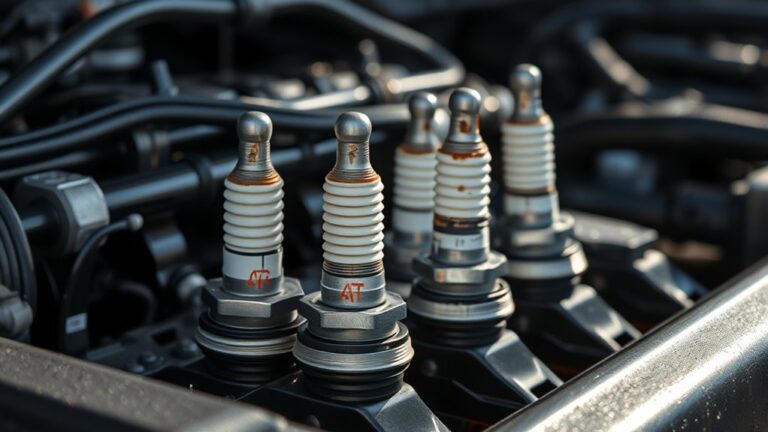
Spark plugs are essential components that directly influence your car’s engine performance. They come in various types, each designed to optimize specific engine functions.
Choosing the right spark plug guarantees your engine runs smoothly and efficiently. Spark plugs ignite the air-fuel mixture in your engine’s cylinders, making ignition efficiency critical for power, acceleration, and fuel economy.
Choosing the right spark plug ensures smooth, efficient engine performance and optimal fuel economy.
High-quality spark plugs improve combustion, reduce misfires, and help your engine respond better. If your spark plugs are outdated or incompatible, your engine may misfire or run rough, wasting fuel and increasing emissions.
Understanding the different spark plug types helps you pick the best fit for your vehicle. Properly functioning spark plugs ensure your engine fires correctly every time, maximizing performance and longevity.
Regular maintenance of these small but vital parts keeps your car running at peak efficiency and helps you avoid costly repairs down the line.
When Is the Right Time to Change Your Spark Plugs?
You should consider changing your spark plugs when you start noticing some signs of wear. Things like rough idling or your fuel efficiency taking a hit are good clues that it might be time for a change. Usually, experts suggest swapping them out every 30,000 to 50,000 miles, but it’s always a good idea to check your vehicle’s manual for the exact recommendations.
If your engine suddenly starts performing poorly or stalls unexpectedly, that’s definitely a sign you need new spark plugs. Don’t ignore these warning signs—getting them replaced can keep your car running smoothly and help avoid more serious issues down the road.
Signs of Wear
Recognizing the signs of worn spark plugs is key to keeping your vehicle running smoothly. Common signs include rough idling, trouble starting, increased fuel use, and engine misfires.
If your car feels sluggish or loses power, it might be time to check your spark plugs. Worn plugs tend to show these signs more clearly if they haven’t been replaced as recommended.
Over time, deposits can build up and the electrodes wear down, making the plugs less efficient. Don’t ignore these symptoms because delaying replacement can lead to bigger engine problems.
Regularly inspecting your spark plugs helps catch wear early. This way, you can keep your vehicle performing well and avoid costly repairs down the line.
Mileage Recommendations
Typically, most manufacturers recommend changing spark plugs every 30,000 to 50,000 miles, but it really depends on your vehicle’s make and model. Following the right maintenance schedule helps ensure your engine stays in top shape.
To help you plan, here’s a quick guide:
| Mileage Interval | Recommended Action | Notes |
|---|---|---|
| 30,000 miles | Replace spark plugs | Good for older or budget models |
| 50,000 miles | Check and replace if needed | Many modern vehicles can go longer |
| 100,000 miles | Inspect spark plugs | When you’re close to an engine overhaul |
Sticking to these guidelines keeps your engine running smoothly and prevents unnecessary wear. Regular maintenance is key to extending your vehicle’s lifespan.
Engine Performance Changes
As your vehicle gets older and racks up more miles, you might notice it doesn’t run as smoothly as it used to. Changes like rough idling, misfires, or slower acceleration are often signs that your spark plugs need a check.
Worn spark plugs can make your engine less efficient, causing your car to work harder and burn more fuel. If your car feels sluggish or you’re having trouble tuning performance, it’s probably time to swap out those spark plugs.
Regularly inspecting them for signs of wear can help prevent bigger problems down the line and keep your engine running smoothly. When you notice these symptoms, don’t wait—replacing your spark plugs can restore smooth operation, boost fuel economy, and improve overall engine performance.
Getting the timing right ensures your vehicle runs at its best.
Should You Replace Spark Plugs Yourself or Use a Professional?
Deciding whether to replace spark plugs yourself or hire a professional depends on your mechanical skills and comfort level with car repairs. If you’re confident with DIY tasks like using basic tools and following repair guides, replacing spark plugs can save you money and give you a sense of accomplishment.
Replacing spark plugs yourself saves money and boosts confidence if you’re comfortable with basic tools and guides.
However, it’s important to consider tasks like removing engine components or working in tight spaces. These can be tricky, and if you’re unsure, it might be better to leave it to a pro.
The benefits of hiring a professional include expert knowledge, proper torque application, and access to specialized tools. This can help prevent mistakes that might cause damage or reduce engine performance.
If you’re not confident in your abilities or lack the right tools, it’s safer to rely on a professional. They’ll ensure the job is done correctly and efficiently, helping you avoid potential issues down the line.
Ultimately, your choice should consider your mechanical skills, confidence, and how complex your vehicle’s spark plug replacement process is.
How to Choose a Reliable Auto Shop for Spark Plug Replacement
Choosing a reliable auto shop for spark plug replacement starts with doing some research to find reputable options in your area. Begin by reputation checks—ask friends, family, or colleagues for recommendations.
Online customer reviews also give insight into the shop’s reliability and quality of service. Look for consistently positive feedback about technician expertise, honesty, and pricing transparency.
Avoid shops with many negative reviews or unresolved complaints. Check if the shop specializes in your vehicle make and model, ensuring they have the right tools and experience.
It’s also helpful to verify certifications like ASE (Automotive Service Excellence), which indicate professional competency. A trustworthy auto shop should openly discuss the work needed, provide clear estimates, and guarantee their service.
Taking time to research thoroughly helps you select a shop that values quality, honesty, and customer satisfaction. These are key factors in ensuring a successful spark plug replacement.
What Happens During a Spark Plug Replacement?
When you get a spark plug replaced, the mechanic starts by removing the old plugs from your engine. It’s pretty straightforward—just takes a bit of care to get them out without damaging anything. Once the old plugs are out, they take a close look at each one to see if they’re worn or damaged in any way.
After that, it’s time to put in the new spark plugs. The mechanic makes sure they’re tightened just right—not too loose and not too tight—and checks that everything is working properly before finishing up. It’s a simple process, but it makes a big difference in how well your engine runs.
Removing Old Plugs
Removing old spark plugs is a simple process that involves carefully pulling each plug out of its socket after disconnecting the ignition wire. You’ll want to use spark plug tools designed for this task, which help prevent damage during removal.
Start by loosening the plug with a ratchet and socket, making sure to use proper techniques to avoid breaking the ceramic insulator. Sometimes, the plugs can be stubborn and might need gentle rocking or a little penetrating oil to loosen.
Keep track of each plug’s position so you can install them correctly later. Here’s a quick overview of the steps:
| Step | Action |
|---|---|
| 1 | Disconnect ignition wire |
| 2 | Use spark plug tools to loosen |
| 3 | Apply removal techniques as needed |
| 4 | Carefully extract the plug |
| 5 | Inspect for damage or wear |
Inspecting the Condition
Once you’ve removed the old spark plugs, inspecting their condition is a key step to see if they need replacing or if the engine is running smoothly. Check the spark plug types, like copper, platinum, or iridium, since each shows different signs of wear.
Use inspection techniques such as examining the electrode for excessive erosion, deposits, or cracks. Look for ash or oil fouling, which could point to engine problems. A healthy spark plug usually has a light tan or grayish insulator tip.
If the tip looks dark, greasy, or worn, it could be a sign of trouble. By closely checking these factors, you can decide whether the spark plugs still work well or need replacing. This helps keep your engine performing its best and improves fuel efficiency.
Installing New Units
To install new spark plugs, start by carefully threading each plug into its designated spark plug hole, making sure they’re aligned properly to avoid cross-threading. The type of spark plug—copper, platinum, or iridium—can affect the installation, so check your vehicle’s specifications.
Use an appropriate spark plug socket and a torque wrench to tighten the plugs to the manufacturer’s recommended torque. This helps prevent damage or loosening. Beforehand, clean any debris around the spark plug area and apply a small amount of anti-seize compound to the threads if advised.
Once installed, double-check the connections and gaps. Properly installing spark plugs guarantees peak engine performance and longevity, whether you’re handling different spark plug types or replacing worn units.
How Much Does Spark Plug Replacement Cost at Different Shops?
Wondering how much you’ll spend on spark plug replacement at different shops? Spark plug pricing varies depending on where you go, with costs influenced by several replacement factors.
At a dealership, expect to pay more due to labor rates and premium parts. Prices often range from $150 to $300. Independent auto shops usually offer lower prices, typically between $70 and $150, depending on your vehicle’s make and model.
Dealerships typically charge $150 to $300 for spark plug replacements, higher due to labor and premium parts.
Quick lube centers might charge even less, around $50 to $100, but their services may be more basic. Keep in mind, factors like spark plug type, accessibility, and whether additional repairs are needed can impact the final cost.
If your vehicle requires high-performance plugs or has hard-to-reach cylinders, expect to pay more. Comparing prices across different shops helps you find the best deal.
Always consider the quality of parts and expertise involved in the service. That way, you get a good balance between cost and quality.
Are Dealerships the Best Place for Spark Plug Changes?
Dealerships usually have the right tools and trained technicians to do a good job on your spark plug change. That can give you peace of mind knowing the work is done correctly. But, keep in mind, they often charge more and might take a bit longer to get the job done.
Expertise and Equipment
While dealerships often have the latest tools and specialized training, they aren’t always the best choice for spark plug changes. Many independent shops or DIY enthusiasts may have the right expertise and equipment to handle different spark plug types effectively.
Here’s what you should look for:
- Knowledge of spark plug types — making sure they know which plugs fit your vehicle and how to install them properly.
- Proper tools — from torque wrenches to ignition gap testers, quality equipment makes a real difference.
- Maintenance tips — experienced techs can advise on when to replace spark plugs and how to keep them in top shape.
Choosing the right place means your spark plugs get installed correctly, which helps improve engine performance and longevity.
Cost and Convenience
When choosing where to get your spark plugs changed, cost and convenience are usually the main factors. Dealerships tend to be more expensive because of their specialized equipment and brand-specific parts. This can affect your overall costs.
However, they often offer the convenience of trained technicians who are familiar with your vehicle. To help you decide, here’s a quick comparison:
| Aspect | Dealerships | Independent Shops |
|---|---|---|
| Cost | Usually higher | Typically lower |
| Convenience | Appointments often faster, on-site parts | May require waiting, limited hours |
| Expertise | Certified technicians | Varies, but often skilled |
| Equipment | Latest tools and diagnostics | Good, but may vary |
| Warranty | Usually included | May be limited or unavailable |
Pick what works best based on your budget and schedule needs.
Why Independent Auto Shops Are a Great Option for Spark Plug Service
Independent auto shops often offer a more convenient and budget-friendly way to get your spark plugs serviced. Many drivers find that these shops, staffed with independent mechanics, deliver quality work at lower prices than dealerships. Plus, customer reviews often highlight personalized service and faster turnaround times.
Here are three reasons you should consider an independent shop:
- Personalized Attention: Independent mechanics usually take the time to explain what’s needed and answer your questions. This makes the whole process more transparent and less confusing.
- Cost Savings: These shops tend to have lower labor rates and avoid unnecessary upselling, helping you save money.
- Reputation and Trust: Customer reviews often praise their honesty and reliability, making it easier to find a mechanic you can trust.
Tips to Maintain Your Spark Plugs Between Replacements
Regularly checking and maintaining your spark plugs can extend their lifespan and ensure your engine runs smoothly. One important tip is cleaning your spark plugs—removing carbon buildup and debris helps the spark fire properly.
Use a wire brush or a specialized cleaner to gently clean the electrodes and insulators. Just be careful not to over-clean, as that can cause damage.
Pay attention to your engine tuning too. Running too rich or too lean can cause fouling or erosion of the spark plugs. Regularly inspect for signs of wear like corrosion or worn electrodes.
Replace your spark plugs as recommended by your vehicle’s manufacturer. Keeping the gap set correctly is also key for optimal performance.
How to Save Money on Spark Plug Replacement Costs
Finding ways to cut costs on spark plug replacements can save you money without sacrificing performance. One effective way is to investigate DIY techniques if you’re comfortable working on your car. Replacing spark plugs yourself can greatly reduce labor costs, especially with online tutorials and guides.
Furthermore, look for discount options at auto parts stores or online retailers, which often offer coupons or bulk deals on spark plugs. These small savings can add up over time.
Here are three ways to save:
- Learn DIY Techniques: With proper tools and guidance, replacing spark plugs at home can save you hundreds in labor fees.
- Use Discount Options: Shop around for coupons, deals, or bulk purchasing to lower the cost of parts.
- Combine Services: Some shops offer discounts if you bundle spark plug replacement with other maintenance tasks.
Frequently Asked Questions
How Often Should I Schedule Spark Plug Replacements for My Vehicle?
You should replace your spark plugs roughly every 30,000 to 50,000 miles, but it depends on their lifespan and your driving conditions.
If you often drive in stop-and-go traffic or harsh climates, consider replacing them more often. Regular inspections can help prevent engine misfires and improve fuel efficiency.
Pay attention to any performance issues and check your vehicle’s manual for specific recommendations suited to your driving habits.
Can I Upgrade to High-Performance Spark Plugs During Replacement?
Think of upgrading to high-performance spark plugs as tuning your engine’s heartbeat. Yes, you can switch them during replacement for better performance benefits, but consider installation details like compatibility with your vehicle and proper gap settings.
High-performance plugs can give you smoother acceleration and better fuel efficiency, making your drive feel more responsive. Just make sure your mechanic knows your goals so they install the right plugs for your engine’s needs.
Are There Signs That Indicate My Spark Plugs Need Immediate Attention?
Yes, there are signs your spark plugs need immediate attention. If your engine misfires, idles rough, or performance drops, your ignition system might be struggling.
You might also notice increased fuel consumption or difficulty starting your car. These issues suggest your spark plugs could be worn out or dirty, affecting how well your engine runs.
Don’t wait too long—getting your spark plugs replaced promptly can restore your engine’s peak performance and efficiency.
Do Different Car Models Require Different Spark Plug Types?
Did you know that over 60% of car owners overlook spark plug compatibility? Different car models do require specific spark plug types, based on engine compatibility and spark plug materials.
You should always check your vehicle’s manual or consult a mechanic to confirm you select the right spark plugs. Using the proper type guarantees peak engine performance, fuel efficiency, and prevents potential damage.
Always prioritize matching spark plugs with your car’s unique engine requirements.
Is It Necessary to Replace Spark Plug Wires Along With the Plugs?
You don’t always need to replace spark plug wires when changing spark plugs, but it’s often recommended for ideal spark plug maintenance.
Worn wires can cause misfires or poor engine performance, which affects your ignition system.
Inspect the wires for cracks, corrosion, or damage, and replace them if necessary.
Doing so guarantees your ignition system functions smoothly, helping maintain efficient engine performance and prevent future issues.
Conclusion
When it’s time to change your spark plugs, don’t settle for just any garage—choose a trusted auto shop that values quality and transparency.
Whether you go to a dealership or an independent mechanic, make sure they’re experienced and reputable.
Regular maintenance keeps your engine running smoothly, just like a well-oiled clock from a bygone era.
Save money, guarantee safety, and keep your car humming like a vintage Mustang—because your ride deserves the best, especially when it comes to spark plug replacement.