Why Does My Steering Wheel Shake When I Brake at High Speeds? Common Causes and Solutions
Experiencing a shaking steering wheel when you brake at high speeds? You’re not alone—many drivers struggle with this issue and want a smooth, safe ride.
Finding the cause can be frustrating, but understanding what’s happening is the first step to fixing it.
Your steering wheel shaking when braking at high speeds is often due to issues like warped brake rotors, worn brake pads, or caliper problems that cause uneven pressure.
Suspension misalignment or worn tires and wheel bearings can also contribute to vibrations.
Addressing these problems involves inspecting and repairing the brake system, steering, and suspension.
Keep in mind, understanding the specific cause can help prevent further damage.
If you want to learn more, stay tuned for detailed solutions.
Key Takeaways
- Warped or uneven brake rotors can cause vibrations that make your steering shake when you brake at high speeds.
- Worn or glazed brake pads may create pulsations and uneven contact, leading to steering wheel vibrations.
- Suspension misalignment or worn shocks can make vibrations worse when braking hard at high speeds.
- Damaged or improperly balanced tires often contribute to steering shake during intense braking.
- Sticking or corroded brake calipers and pistons disrupt even braking, causing your steering wheel to vibrate.
Why Your Steering Wheel Shakes When Braking at High Speeds
When you brake at high speeds, you might notice your steering wheel starts to shake. This is often a sign of underlying issues with your braking system or wheels.
One common cause is improper steering alignment, which can lead to uneven tire wear and vibrations. If your wheels aren’t aligned correctly, the shaking becomes more noticeable when braking hard.
Improper steering alignment causes uneven tire wear and increased shaking during hard braking.
Low or uneven tire pressure can also contribute to the problem. Underinflated or overinflated tires don’t roll smoothly, causing vibrations that get worse during braking.
Making sure your tires are properly inflated helps maintain even contact with the road and reduces vibrations. Regularly checking your tire pressure and getting a professional steering alignment can prevent this shaking.
Addressing these issues quickly not only makes your drive more comfortable but also improves safety. Plus, it can help extend the lifespan of your tires and braking components.
How Warped Brake Rotors Cause Vibrations During High-Speed Braking
If your steering wheel starts to shake when you’re braking from high speeds, warped rotors could be the cause. You might also feel the brake pedal pulsate or notice the vibrations getting worse the longer you brake. These signs usually mean your rotors are out of shape or uneven.
When you see these signs, it’s really important to get the rotors checked out. Repairing or replacing warped rotors can make a big difference in how your brakes perform and keep you safe on the road.
Signs of Warped Rotors
Warped brake rotors are a common cause of vibrations during high-speed braking, often felt as a pulsation or steering wheel shake.
Signs of warped rotors include uneven braking and a noticeable vibration when you brake, especially at higher speeds.
When inspecting the rotor, you might feel a pulsing sensation through the brake pedal or steering wheel, which points to uneven contact on the rotor surface.
A good vibration test can help determine if the shaking happens mainly when you press the brakes.
If you notice these signs, it’s likely the rotors are warped, causing inconsistent friction and vibrations.
Spotting these symptoms early can help you figure out if the rotors are the problem and get them checked before more damage occurs.
Repair or Replace Rotors
Warped brake rotors cause vibrations during high-speed braking because their uneven surface disrupts the smooth contact between the pad and rotor. During rotor inspection, if you notice warping or unevenness, you’ll need to decide whether to resurface or replace the rotors.
Rotor resurfacing involves machining the rotor to remove warping, which can be a cost-effective fix if the damage is minor and the rotor’s thickness stays within manufacturer specifications.
However, if the warping is severe or the rotor has excessive wear, replacing the rotors is the better choice to ensure safety and reliable braking.
It’s a good idea to consult a mechanic to evaluate your rotors properly and figure out whether repair or replacement is the best option.
Signs Your Brake Pads Are Worn Out and Causing Shaking
Worn-out brake pads often cause noticeable shaking in your steering wheel during braking. This vibration signals a decline in brake performance and can be linked to uneven pad wear or metal-to-metal contact. Recognizing these signs helps you address issues before damaging your rotors further.
Here’s a quick vibration diagnosis table to identify brake pad problems:
| Symptom | Cause | Urgency |
|---|---|---|
| Steering wheel shakes at high speed | Worn brake pads or uneven wear | Immediate; affects safety |
| Vibration during braking | Thin or glazed pads | High; replace soon |
| Noise when braking | Worn pads or debris | Moderate; inspect soon |
| Reduced braking power | Pad deterioration | High; replace pads now |
| Pulsating brake pedal | Uneven pad wear or debris | Urgent; seek professional help |
Stay alert. These signs help you diagnose vibrations and get your braking back to smooth and safe.
How Suspension Problems Lead to Steering Vibrations When Braking
While brake issues often cause steering vibrations during braking, suspension problems can also play a big role. If your suspension isn’t properly aligned, it can lead to uneven tire contact with the road, making your steering wheel shake when you brake at high speeds.
Misaligned suspension parts put extra stress on your tires and suspension components, which can amplify vibrations during braking. Worn or damaged shocks can make things worse because they can’t absorb bumps and vibrations effectively.
When shocks are compromised, your suspension struggles to stay stable, making vibrations more noticeable when you brake. Regular suspension alignment ensures all parts work smoothly together, reducing the chances of steering shake.
Replacing faulty shocks restores proper damping, which improves ride comfort and steering response. Addressing these suspension issues can significantly cut down vibrations and help keep your steering steady during high-speed braking.
How to Recognize Bad Wheel Bearings That Affect Your Steering
If you start hearing weird noises coming from your wheels when you’re driving, that’s a pretty good clue something’s not right with your wheel bearings. Sometimes, it might sound like grinding or humming, and if you notice that, it’s worth paying attention to.
You might also notice that the wheel feels loose or has extra play when you wiggle it by hand. That’s a sign the bearing isn’t holding everything as tightly as it should. Catching these signs early can save you from bigger steering problems later on. So, if anything feels off, it’s a good idea to get it checked out sooner rather than later.
Unusual Noise During Drive
You might notice a strange noise when you’re driving, which can be a sign that something’s wrong with your wheel bearings. Often, you’ll hear a grinding or humming sound that changes with your vehicle’s speed.
This noise may become more noticeable if your tire pressure is uneven or low, putting extra stress on the bearings. Moreover, if your brake fluid levels are low or contaminated, it can worsen steering issues and cause unusual sounds during acceleration or turns.
Pay attention to when the noise occurs—if it’s consistent regardless of braking, it’s likely related to wheel bearings. Ignoring these signs can lead to further damage, so it’s best to have your vehicle inspected promptly to prevent costly repairs.
Excessive Wheel Play
One of the clearest signs of bad wheel bearings is excessive wheel play—meaning the wheel moves more than it should when you try to wiggle it. If you notice this, it could mean worn or damaged bearings affecting your steering.
To diagnose, consider these steps: Check for looseness in the wheel, which can also be caused by poor wheel alignment. Observe if your steering feels vague or uneven during driving.
Perform a tire rotation and see if the play persists, as uneven wear can hide bearing issues. Inspect for any abnormal noise or vibration while driving, especially when turning or braking.
Addressing wheel play quickly can prevent further damage. Regular tire rotation and proper wheel alignment can help keep your bearings healthy and your steering stable.
Can Unbalanced or Damaged Tires Cause Brake Vibrations?
Unbalanced or damaged tires can definitely cause brake vibrations, especially when you’re stopping. When your tires aren’t balanced right or if they’re damaged, the uneven contact with the road creates vibrations that get worse when braking at high speeds.
Poor tire alignment or worn tires can make these vibrations even more noticeable, making your steering wheel shake more. Damaged tires with bulges or cuts can disrupt smooth rotation, increasing vibrations during braking.
Keeping your tires properly balanced and aligned can help stop these issues. Regularly check for damage and replace tires when needed. Good maintenance keeps your tires in shape and reduces the chances of brake-related vibrations.
Why Brake Caliper Issues Make Your Steering Shake
When your brake calipers get stuck or wear out unevenly, you might notice your steering wheel shaking when you hit the brakes. It’s like a little warning sign that something’s not quite right with your braking system.
And if there are issues with the caliper pistons, it can cause uneven pressure on the brakes, making that shaking even worse. The good news is, catching these problems early and getting them fixed can help you stop smoothly and drive safely.
Sticking Brake Calipers
Sticking brake calipers can cause your steering wheel to shake during braking because they don’t release properly after you press the brake. This problem often comes from poor caliper maintenance or contaminated brake fluid, which prevents smooth movement.
When calipers stick, they keep the brake pads pressed against the rotor. This leads to uneven wear and vibrations when you brake. To fix this, you should regularly inspect and clean the calipers to prevent buildup.
It’s also important to replace or flush the brake fluid to ensure proper lubrication. Lubricating the caliper slides helps them move smoothly, and checking for corrosion or damage can prevent sticking issues altogether.
Keeping your calipers and brake fluid in good shape is key to avoiding steering wheel shake during high-speed braking.
Uneven Caliper Wear
Uneven wear on brake calipers can cause your steering wheel to shake during braking because it leads to inconsistent pressure and contact between the brake pads and rotor. When calipers aren’t maintained properly, uneven caliper wear can develop, affecting brake performance and causing vibrations. You might notice pulsing or shuddering when braking at high speeds.
Regular caliper maintenance helps identify uneven wear early, preventing more serious issues. Here’s a quick overview:
| Symptom | Cause |
|---|---|
| Steering vibration | Uneven caliper wear |
| Reduced brake feel | Poor caliper maintenance |
| Pulsating brake pedal | Warped rotor or caliper issues |
| Uneven brake pad wear | Caliper misalignment or sticking |
Addressing uneven caliper wear guarantees safer braking and smoother rides.
Caliper Piston Problems
Problems with the caliper pistons can cause your steering wheel to shake during braking by disrupting the proper movement and pressure of the brake system. When caliper pistons stick or seize, hydraulic issues happen, preventing even brake pad contact. This imbalance leads to vibrations.
Here’s what can go wrong:
- Sticking pistons hinder caliper movement, causing uneven brake pressure.
- Corrosion or dirt buildup inside the caliper makes piston operation difficult.
- Uneven piston retraction results in inconsistent brake pad contact.
- Damaged or worn caliper seals can leak hydraulic fluid and affect piston function.
Regular caliper maintenance is key to preventing these problems. Ignoring piston issues can make steering shake worse and reduce braking performance.
How to Diagnose the Cause of High-Speed Brake Vibrations
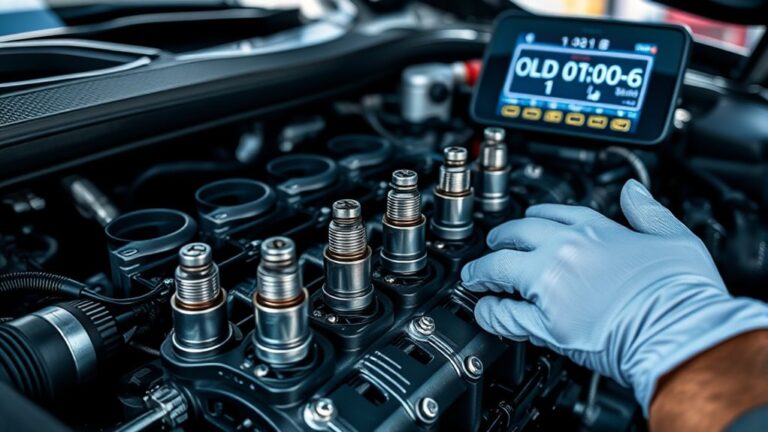
When you feel vibrations in the steering wheel at high speeds during braking, it’s key to do a thorough diagnosis to find out what’s causing it. Start by inspecting the brakes carefully, looking for warped or uneven rotors, worn brake pads, or loose parts.
Vibration analysis involves paying attention to how the steering or brake pedal feels, which can help you figure out if the problem is with the rotors, calipers, or suspension parts.
| Step | Action |
|---|---|
| 1 | Inspect brake rotors for warping or damage |
| 2 | Take a test drive and note when vibrations happen |
| 3 | Check for uneven brake pad wear |
This method helps you rule out common issues and guides you to the real problem. Proper diagnosis saves time and prevents further damage, whether it’s a warped rotor or something else.
Practical Steps to Fix Steering Wheel Shake During Braking
To fix steering wheel shake during braking, start by thoroughly inspecting and addressing the most common causes. First, check your tire pressure and inflate your tires to the recommended levels. Uneven pressure can cause vibrations and affect your driving.
Next, examine your tires for uneven wear or damage. If you notice problems, it’s best to replace them. Proper tire condition is crucial for smooth braking and steering.
Check tires regularly for uneven wear or damage to ensure smooth braking and steering.
Then, verify your steering alignment is correct. Misalignment can cause shaking when you brake. If needed, schedule a professional alignment service to get things right.
After that, inspect your brake rotors for warping or unevenness. Warped rotors are a common culprit. If they’re warped, have them resurfaced or replaced to restore smooth braking.
These steps target the main issues causing the shake. Remember, keeping your tire pressure and steering aligned properly is key for a smooth ride. Fixing these problems promptly can significantly improve your driving experience and safety.
If the shaking continues after these steps, it’s a good idea to consult a mechanic for a more detailed inspection.
Tips to Keep Your Braking System Smooth and Vibration-Free
Maintaining your braking system regularly is key to smooth, vibration-free stops. Start with simple checks like inspecting brake pads, rotors, and fluid levels.
Replace worn brake pads quickly to avoid uneven wear that can cause vibrations. Keep your rotors smooth by resurfacing or replacing them if they’re warped or scored.
Check your brake fluid regularly for contamination and top it off as needed. Old or low fluid can hurt your braking performance. To prevent vibrations, make sure wheel lug nuts are torqued to the manufacturer’s specs and that your wheels are properly aligned.
Keeping your tires properly inflated also helps ensure smooth braking. Regular maintenance not only reduces vibrations but also boosts safety and braking efficiency.
Follow these simple steps, and you’ll enjoy smoother stops while extending the life of your braking system.
Frequently Asked Questions
Can Brake Fluid Leaks Cause Steering Wheel Shaking?
Brake fluid leaks can cause steering wheel shaking, especially if they impact your brake system’s performance. When fluid leaks happen, your brakes might become less responsive.
This can lead to uneven braking forces, which often cause vibrations in the steering wheel. Regularly checking and maintaining your brake fluid helps prevent leaks and keeps your brakes working smoothly.
If you notice your steering wheel shaking, it’s a good idea to check for leaks and make sure your brake fluid levels are okay. Doing so can help you avoid bigger problems and keep your braking safe and effective.
Do Aftermarket Brake Parts Affect Vibration Levels?
Aftermarket brake parts can affect vibration levels, especially if the brake pad quality isn’t up to par or the rotor condition isn’t ideal.
Poor-quality brake pads may lead to uneven wear, causing vibrations during braking. Likewise, if the rotors aren’t properly machined or are warped, they’ll contribute to shaking in your steering wheel.
Always choose high-quality parts and guarantee proper installation to maintain smooth, vibration-free braking.
How Does Wheel Alignment Impact Brake Vibration?
Wheel alignment significantly impacts brake vibration because misaligned wheels can lead to uneven tire wear and imbalance.
When your wheels aren’t properly aligned, tire imbalance gets worse, causing vibrations when you brake at high speeds.
Plus, suspension issues can make this problem worse, making your steering wheel shake more than it should.
To reduce brake vibrations and enjoy a smoother ride, make sure your wheels are correctly aligned and balanced. Also, keep your suspension components in good shape.
Can Driving Habits Influence Steering Shake During Braking?
Sure, your driving habits can totally influence steering shake during braking. If you tend to slam on the brakes recklessly or apply uneven pressure, you’re basically inviting vibrations to dance through your steering wheel.
Smooth driving techniques and controlled braking pressure help reduce stress on your brake system. This can prevent those shakes from happening.
Is It Safe to Drive With a Shaking Steering Wheel?
Driving with a shaking steering wheel isn’t safe because it can affect your steering stability and braking. The shake might be caused by issues like warped rotors or uneven brake pads, which make controlling your vehicle harder.
To stay safe, it’s best to get your car inspected and repaired quickly. Avoid braking hard at high speeds until you have it checked, since the problem could get worse and lead to more damage or accidents.
Always prioritize safety to ensure your driving is smooth and reliable.
Conclusion
If your steering wheel shakes when you brake at high speeds, don’t ignore it. These vibrations can be a sign of serious issues like warped rotors or worn brake pads. For example, a driver noticed shaking during sudden stops, and a quick brake inspection revealed warped rotors.
Regular maintenance and prompt repairs can keep your braking smooth and safe. Addressing these problems early helps prevent costly repairs and keeps your driving comfortable and controlled.
In many cases, the main cause is uneven brake rotor surfaces. Replacing or resurfacing the rotors often solves the issue. Worn brake pads can also cause vibrations, so replacing them might be necessary.
Overall, if your steering wheel shakes when braking at high speeds, it’s a good idea to get it checked out soon. Proper maintenance and timely repairs ensure your brakes work well and keep you safe on the road.