Troubleshooting Engine Popping Noise and Power Loss | Causes & Solutions
If your engine is making popping noises and losing power, you’re not alone. Many drivers struggle with these frustrating issues and wonder what’s going wrong.
Troubleshooting engine popping noise and power loss can seem overwhelming, but there are some common causes to check first.
Start by inspecting for issues like an air-fuel mixture imbalance, faulty spark plugs, or exhaust leaks. These are often the culprits behind strange noises and performance drops.
Using diagnostic trouble codes can help pinpoint the problem quickly. Also, inspect key components like the ignition system and fuel delivery to identify potential faults.
Addressing these problems early can prevent more serious damage and costly repairs down the line.
If you’re curious about more detailed troubleshooting steps and solutions, you’ll find helpful tips to keep your engine running smoothly.
Key Takeaways
- Check for ignition timing issues and adjust to prevent misfires and engine knocking.
- Inspect for exhaust leaks, damaged components, or rust that could be causing popping noises and performance loss.
- Test fuel pressure, clean fuel injectors, and verify the fuel system’s integrity to make sure fuel is delivering properly.
- Examine spark plugs, wires, and coils for wear, and replace any faulty parts to help the engine fire smoothly.
- Perform regular maintenance like oil changes and filter replacements to stop small problems from getting worse.
What Are the Common Signs of Engine Popping and Power Loss?
Have you noticed your engine making strange popping sounds or feeling less powerful? These are clear signs of issues affecting your engine performance. Noise diagnosis can help pinpoint the problem quickly.
Strange engine noises and reduced power signal potential issues; early diagnosis can prevent costly repairs.
Popping noises often indicate misfires or exhaust leaks, which disrupt smooth combustion. You might also feel a loss of power, especially during acceleration, suggesting your engine isn’t firing efficiently.
Other signs include rough idling, hesitation, or sputtering—these all signal that something’s off. If you hear unusual noises like knocking or banging, it could mean internal damage or timing issues.
Keep an ear out for these symptoms, as they serve as early warnings of engine trouble. Addressing them promptly can prevent further damage and save you costly repairs down the line.
Recognizing the common signs of engine popping and power loss lets you take swift action, helping maintain your vehicle’s performance and reliability.
How to Recognize Engine Troubles Before They Worsen
Wondering how to catch engine trouble early? Recognizing subtle signs can help you avoid major repairs later on.
Pay attention to engine warning lights, unusual sounds, and changes in performance like acceleration or fuel efficiency. Early signs include rough idling, stalling, or decreased power.
Keep a close eye on your dashboard indicators and listen for knocking, sputtering, or popping noises. These can be clues that something’s wrong.
Here’s a quick guide:
| Symptom | Possible Cause | Action Needed |
|---|---|---|
| Engine warning light on | Sensor malfunction or issue | Have a mechanic inspect it promptly |
| Loss of power or acceleration | Fuel or ignition problem | Schedule a diagnostic check |
| Unusual noises or vibrations | Mechanical wear or damage | Get it checked out immediately |
Detecting these signs early helps you address issues before they get worse. This can save you both time and money.
Stay vigilant and respond quickly to engine warning signs to keep your car running smoothly.
How to Check for Vacuum Leaks and Intake Problems
Detecting vacuum leaks and intake problems is crucial for keeping your engine running smoothly. These issues can cause rough idling, poor acceleration, and lower fuel efficiency.
Start by inspecting all hoses, gaskets, and connections for cracks or loose fittings. This simple visual check can often reveal obvious leaks.
Next, perform vacuum testing with a vacuum gauge. Low readings usually mean there’s a leak somewhere that needs fixing.
Here are some key steps to follow:
- Visually check all intake hoses and connections for cracks or disconnections.
- Spray carb cleaner or soapy water around the intake manifold seals and connections while the engine runs. If the RPMs change, you’ve likely found a leak.
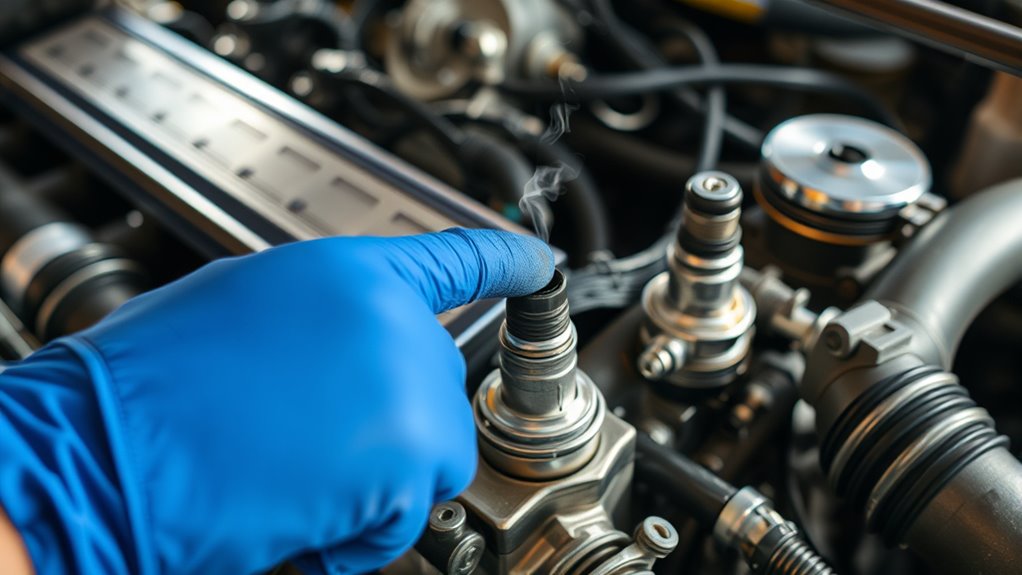
- For a more precise inspection, use a smoke machine. Watch for smoke escaping from any leaks.
- Don’t forget to check the PCV valve and related hoses. Replace any that are clogged or damaged.
These methods will help you locate vacuum leaks and intake problems, which can improve your engine’s reliability.
Inspecting Spark Plugs and Ignition System for Issues
First off, take a look at your spark plugs. You want to check for any signs of wear or damage, like carbon buildup or worn-out electrodes—that stuff can really mess with your engine’s performance. If you notice anything odd, it’s probably time to replace them.
Next, you should test out your ignition system components, such as the coil and wires. Make sure they’re working properly because any issues there can cause starting problems or rough running. If your spark plugs are worn or not functioning right, swapping them out usually helps get your engine running smoothly again.
Checking Spark Plug Condition
Your spark plugs’ condition directly impacts your engine’s performance and fuel efficiency. To check them, start by removing the plugs and inspecting their condition. Look for signs like corrosion, wear, or deposits, which can cause misfires or power loss. Remember, different spark plug types—like copper, platinum, or iridium—have different lifespans.
Here are some key points to consider:
- Check for fouling — oil, fuel, or carbon buildup suggests issues.
- Inspect electrode wear — rounded or eroded electrodes reduce spark quality.
- Examine gaps — incorrect gaps can impair ignition.
- Assess plug color — a healthy plug should be light tan or gray.
Regularly checking these factors helps keep your engine running at its best.
Testing Ignition System Components
To guarantee your engine runs smoothly and avoids power loss, you need to thoroughly inspect both the spark plugs and ignition system components. Start by checking the ignition timing to make sure sparks fire at the right moment, which affects engine performance and prevents misfires.
Next, perform a coil inspection to look for any signs of damage or wear, like cracks or corrosion. These issues can cause weak or inconsistent sparks. Use a spark tester to verify each coil delivers the proper voltage.
If the ignition timing is off or the coils show signs of failure, your engine might pop or lose power. Addressing these problems quickly helps restore proper ignition, improves efficiency, and reduces engine noise and power loss.
Replacing Worn Spark Plugs
Worn or fouled spark plugs can cause misfires, rough idling, and a noticeable loss of power. To fix this, you need to replace your spark plugs. First, identify your spark plug type—copper, platinum, or iridium—as each has different maintenance needs.
Next, check the ignition timing; incorrect timing can mimic spark plug issues. When replacing, follow these steps:
- Remove the old spark plugs carefully.
- Inspect the spark plug gaps and adjust according to manufacturer specs.
- Install new spark plugs, making sure they’re the correct type for your engine.
- Reconnect the ignition system and verify proper ignition timing.
This process guarantees your engine runs smoothly and helps eliminate engine popping noises and power loss caused by worn spark plugs.
Diagnosing Fuel System Clogs and Delivery Problems
When your engine struggles to run smoothly or loses power unexpectedly, fuel system clogs and delivery issues are often the culprits. You’ll want to check for fuel injector problems, which can cause uneven spray and misfires.
Malfunctions in the pressure regulator may lead to too high or too low fuel pressure, disrupting proper delivery. A clogged fuel filter restricts flow, reducing the fuel reaching the engine. Look for line leaks, as they cause pressure drops and lean running conditions.
Malfunctioning pressure regulators and clogged filters disrupt fuel delivery, causing engine performance issues.
An air-fuel imbalance, often from a faulty fuel pump or injector, can result in rough idling and power loss. Delivery timing problems from worn components affect how well the fuel burns. Ethanol in fuel can cause gunk buildup and degraded performance.
Ultimately, pump failures prevent enough fuel from reaching the engine, causing hesitation. Diagnosing these issues involves inspecting fuel lines, testing pressure, and checking for leaks or clogs to restore proper flow and performance.
How to Detect Exhaust System Blockages or Leaks
If you want to check for exhaust system blockages or leaks, a good first step is to listen carefully. Unusual noises like hissing or a loud exhaust sound can be signs that something’s not right. Sometimes, you might notice your engine isn’t running as smoothly, or you see more emissions than usual, which could also point to an issue.
To really confirm if there’s a leak, you can try feeling around the joints for escaping gases—be careful, of course! Another trick is to use some soapy water on the joints and connections; if bubbles form, that’s a clear sign of a leak. These simple checks can help you spot problems early before they become bigger issues.
Signs of Exhaust Blockages
Exhaust system blockages can significantly impact your engine’s performance, and catching the signs early can save you costly repairs. Keep an eye out for these indicators:
Unusual engine backpressure might cause hesitation or a loss of power. You may also notice increased noise, like a louder exhaust or rattling muffler.
Reduced fuel efficiency and sluggish acceleration are common signs of exhaust issues. Visible exhaust leaks or strange smells can point to leaks or damaged tubing restrictions.
Resonator blockages or a clogged catalytic converter can cause exhaust pressure to build up, leading to popping noises and engine misfires. If muffler problems or leaks are present, you’ll notice a change in sound and performance.
Monitoring these signs helps you identify blockages, such as resonator or catalytic converter restrictions, early on.
Detecting Leaks Effectively
Detecting leaks in your exhaust system involves paying close attention to both visual and auditory cues. Look for rust, holes, or disconnected joints that indicate a leak.
You might hear hissing or popping sounds, especially during acceleration. For more accurate leak detection, perform pressure testing by sealing the exhaust system and using a pressure gauge to identify drops in pressure that signify leaks.
Alternatively, a soapy water spray applied around joints can reveal leaks through bubbling when the engine runs. Always inspect thoroughly, focusing on seams, welds, and connections.
Proper leak detection helps pinpoint issues that may cause engine popping noises or power loss. Addressing problems early can prevent them from worsening.
Using Diagnostic Tools to Find Engine Problems
Using diagnostic tools is essential for pinpointing engine problems accurately and efficiently. When you connect diagnostic software to your vehicle’s OBD-II port, it reads data from engine sensors and identifies trouble codes. This helps you quickly locate issues causing popping noises or power loss.
Here are four key steps:
- Use diagnostic software to scan for error codes that point to specific engine sensors.
- Check live data streams to monitor sensor readings like oxygen, temperature, and airflow.
- Interpret fault codes and sensor data to find irregularities or malfunctions.
- Cross-reference findings with vehicle manuals or online resources for precise troubleshooting.
When to Call a Mechanic for Engine Popping or Power Loss
If your engine keeps making popping sounds or you suddenly feel like it’s lost power, it’s probably time to see a mechanic. Those noises and that drop in performance aren’t something you should ignore—they can be signs of a bigger problem.
Also, keep an eye out for weird smells or unusual emissions coming from your car. If you notice anything off, it’s best to get it checked out sooner rather than later. Calling a mechanic promptly can help prevent more serious damage and save you from costly repairs down the line.
Persistent Engine Noise
Persistent engine noise, especially when accompanied by popping sounds or a noticeable loss of power, often signals a mechanical issue that needs immediate attention. Ignoring these problems can lead to more damage and costly repairs.
You should call a mechanic if:
- The engine noise gets louder or more irregular over time
- You notice a significant decrease in power or acceleration
- The noise comes with unusual vibrations or smoke
- Your vehicle struggles to start or stalls often
These signs point to underlying problems that can’t be fixed with simple troubleshooting. Addressing persistent issues early can prevent further damage and keep your engine running smoothly.
Don’t delay calling a mechanic if your engine noise or power feels off.
Sudden Power Drop
A sudden drop in engine power or unexpected popping sounds can indicate a serious problem that needs quick attention. This kind of issue often points to underlying problems like fuel delivery issues, ignition faults, or sensor malfunctions.
If you notice sudden power fluctuations while driving, it could mean your engine isn’t running smoothly or efficiently. Ignoring these signs can lead to more serious damage or breakdowns.
Call a mechanic if your vehicle experiences a noticeable loss of power, especially if it’s accompanied by engine popping sounds. Getting it checked early can prevent further damage and keep your engine running reliably.
Don’t delay seeking help when your engine’s performance suddenly declines. Addressing it early can save you money and help keep you safe on the road.
Unusual Emissions Signs
Unusual emissions, like black smoke, white smoke, or a strong fuel smell, are clear signs that something’s wrong with your engine. These emissions show your engine might be struggling to meet emission standards, which could cause further damage.
If you notice any of these signs, it’s a good idea to call a mechanic. Black smoke usually means too much fuel or a clogged air filter. White smoke could be a sign of coolant leaks or head gasket problems.
A strong fuel smell indicates issues with the fuel system or incomplete combustion. Excessive emissions during testing mean your vehicle isn’t meeting standards and might face legal penalties.
Dealing with unusual emissions early on helps prevent engine popping, power loss, and costly repairs. When emissions aren’t normal, it’s time to get professional help.
Preventative Maintenance Tips to Keep Your Engine Running Smoothly
Regularly scheduled maintenance is essential for keeping your engine running smoothly and preventing noise and power loss. Staying on top of engine care helps you achieve peak performance and avoid costly repairs.
Simple tasks like regular oil changes, coolant level checks, and filter replacements keep parts lubricated and clean. Maintaining good fuel quality and caring for your battery helps prevent misfires and stalls.
Belt inspections and timing adjustments keep your engine synchronized, so everything runs smoothly. Checking tire pressure and fluids regularly improves efficiency and keeps you safe on the road.
Here’s a quick reminder of what to focus on:
| Maintenance Tip | Emotional Impact |
|---|---|
| Regular oil changes | Peace of mind |
| Coolant and fluid checks | Confidence in safety |
| Belt inspections & timing | Smooth driving experience |
| Tire pressure & filters | Reliable, worry-free trips |
Stay proactive, and your engine will reward you with reliable performance every time.
Troubleshooting Common Scenarios of Engine Popping and Power Loss
Have you noticed your engine popping or losing power unexpectedly? Sound analysis can help identify common issues affecting engine performance. Here are four key things to check:
- Backfiring during acceleration is often caused by a lean fuel mixture or timing problems, leading to engine popping sounds.
- Misfires under load can result from ignition issues or faulty spark plugs, which cause power loss and irregular noises.
- Rough idling with popping noises usually points to vacuum leaks or fuel system problems disrupting smooth engine operation.
- Sudden power drops during driving might be due to clogged filters or sensor faults that affect engine management.
Frequently Asked Questions
Can Engine Popping Noises Indicate Imminent Engine Failure?
Yes, engine popping noises can signal imminent engine failure. These sounds often indicate issues like misfires or exhaust leaks that, if ignored, may lead to serious damage.
You should perform a noise diagnosis promptly and seek professional help if you hear popping sounds consistently. Addressing the problem early can prevent further engine failure and costly repairs down the line.
Don’t delay; listen carefully and act quickly.
Are There Specific Driving Conditions That Cause Engine Power Loss?
Every cloud has a silver lining, but poor driving conditions can dim your engine’s performance.
You might notice power loss when driving in hilly terrain, towing heavy loads, or during extreme weather.
Low-quality fuel and neglecting proper maintenance make this worse.
To avoid trouble, check that your fuel is good quality and stick to regular maintenance.
These simple steps help keep your engine running smoothly, even under tough conditions.
How Does Altitude Affect Engine Performance Issues?
Altitude affects your engine performance because higher elevations decrease air density, which impacts the fuel mixture. As you go higher, less oxygen enters the engine, making it run richer if you don’t adjust the mixture.
This can cause engine popping noises and power loss. To keep your engine running well, you need to modify the fuel mixture to match the thinner air, ensuring it gets the right amount of air and fuel.
Can Aftermarket Modifications Cause Engine Popping and Power Loss?
Yes, aftermarket modifications like tuning and performance parts can cause engine popping and power loss if not installed properly or if incompatible with your vehicle.
These modifications change airflow, fuel delivery, or ignition timing, which can lead to engine knocking, popping sounds, and reduced power.
To avoid these issues, make sure your aftermarket tuning is properly calibrated and you use quality performance parts suited for your engine.
Proper installation and professional tuning are essential to keep your engine running smoothly.
What Are the Long-Term Effects of Ignoring Engine Popping Sounds?
Ignoring engine popping sounds is like ignoring a ticking time bomb—long-term, it damages your engine’s heart.
You risk accelerated engine wear, worsened ignition problems, and exhaust leaks.
Maintenance neglect, poor fuel quality, and tuning issues can make things even worse.
Over time, this can lead to costly repairs or even engine failure.
Address popping noises early to keep your vehicle healthy.
It helps ensure smooth, reliable rides and prevents chaos down the road.
Conclusion
Regularly inspecting your engine can help prevent unexpected issues, as nearly 80% of engine failures are linked to overlooked maintenance.
By catching early signs like popping sounds or power drops, you can address problems before they get worse.
Using proper diagnostic tools and routine checks keeps your engine running smoothly.
Don’t wait for a breakdown—staying proactive with engine troubleshooting saves you money and stress.
This approach ensures your vehicle remains reliable for years to come, especially when dealing with engine popping noise and power loss.