Why Coolant Temperature Sensors Fail & How to Fix Them | Guide
Are you tired of your car’s temperature gauge acting up or your engine overheating unexpectedly? You’re not alone—many car owners struggle with coolant temperature sensor failures that can leave you stuck or cause costly repairs.
Coolant temperature sensors fail mainly due to corrosion, wiring issues, or wear over time from harsh conditions. Dirt, rust, and moisture can damage internal parts, causing inaccurate readings.
To fix this, locate the sensor, test it with a multimeter, and replace it if needed. Proper maintenance and inspection can prevent failures.
Keep going to uncover detailed steps on diagnosing, fixing, and preventing sensor problems to keep your engine running smoothly.
Key Takeaways
- Corrosion, rust, and environmental exposure can break down sensor components over time, leading to failures.
- Wiring problems like frayed or loose connections can cause inaccurate readings or make the sensor stop working altogether.
- Normal wear and tear from regular use gradually degrades the sensor’s performance.
- Installing the sensor improperly or using low-quality replacements can also lead to malfunctions.
- Regular maintenance and inspections are key to preventing sensor failure and keeping everything running smoothly.
How Can I Tell If My Coolant Temperature Sensor Is Failing?
Wondering how to tell if your coolant temperature sensor is failing? You might notice inconsistent temperature readings on your dashboard, leading to confusing temperature fluctuations.
These fluctuations happen because a faulty sensor sends incorrect data to your vehicle’s computer, causing improper engine cooling. Another sign is difficulty starting your car or rough idling, especially when the sensor’s calibration drifts out of range.
If your check engine light comes on unexpectedly, it could be related to a bad sensor. You may also experience poor fuel economy or engine overheating, both linked to inaccurate temperature signals.
To verify, you can use a scanner to read error codes or test the sensor’s resistance at different temperatures. Over time, sensor calibration can go awry, making it unreliable.
Recognizing these signs early helps prevent further engine damage and guarantees your cooling system functions properly.
What Is a Coolant Temperature Sensor and Why Is It Important?
A coolant temperature sensor is a device that keeps track of your engine’s temperature and then sends that info to your car’s computer. Think of it as the engine’s thermometer, helping the car understand how hot or cold it is.
This sensor is super important because it plays a big role in making sure your engine runs smoothly. It helps regulate things like engine performance, fuel efficiency, and emissions. If the sensor stops working, your engine might not run as well as it should, and in some cases, it could even get damaged. So, knowing what this sensor does and why it’s important can really help keep your car healthy.
Function and Purpose
A coolant temperature sensor is a key part of your vehicle’s engine management system. It keeps track of the temperature of the engine coolant in real-time using advanced sensor technology.
This data helps your car’s computer make important adjustments for optimal performance. It controls things like fuel injection, ignition timing, and when the cooling fan should turn on.
Getting the sensor properly calibrated is crucial for accurate readings. If the readings are off, it can cause miscommunications that might lead to engine problems.
Without this info, your engine could run too rich or too lean, which affects both efficiency and emissions. Overall, the coolant temperature sensor helps your engine run smoothly, efficiently, and safely by providing vital data for critical functions.
Critical Engine Role
The coolant temperature sensor is crucial for keeping your engine running smoothly by providing real-time temperature data to the vehicle’s computer. This info helps regulate engine functions, ensuring peak efficiency and proper temperature control.
Without accurate data, your engine might run too hot or too cold, which can cause poor performance or even damage. Knowing how this sensor impacts engine health is pretty important.
It helps the computer adjust fuel injection for efficient combustion. It also activates cooling fans at the right time to stop overheating. Plus, it ensures the engine’s emission control systems operate properly.
Impact on Performance
Impact on performance depends on how well the coolant temperature sensor communicates your engine’s heat levels. If it gives accurate data, your engine can adjust coolant flow properly, keeping the temperature and efficiency just right.
A faulty sensor can give wrong readings, leading to poor calibration. This might cause sluggish acceleration, rough idling, or higher emissions. When the sensor malfunctions, the engine control unit (ECU) may mismanage fuel injection and ignition timing, hurting overall performance.
Ensuring the sensor is properly calibrated guarantees reliable signals, so your engine responds correctly to temperature changes. On the other hand, a failing sensor can cause miscommunication, making your engine run too cold or too hot. This hampers performance and could even cause damage.
Accurate coolant temperature data is key for smooth, efficient engine operation.
What Causes Coolant Temperature Sensors to Fail?
Coolant temperature sensors can fail for a few reasons. One common cause is corrosion or rust, which can damage the internal parts of the sensor—especially if your cooling system isn’t maintained properly. So, if you’re neglecting regular checks, this kind of damage can happen more easily.
Wiring and connection issues are also big culprits. Loose or frayed wires can mess with the sensor’s signal, making it unreliable or causing it to stop working altogether. Plus, like any other part, these sensors can wear out over time due to normal use, leading to a loss of accuracy or complete failure.
Corrosion and Rust Damage
Corrosion and rust develop when coolant containing moisture and contaminants interacts with the sensor’s metal components, gradually causing deterioration. Over time, this corrosion can impair the sensor’s accuracy or cause it to fail entirely.
To prevent this, proper corrosion prevention techniques are essential, such as using high-quality coolants and regular system flushes. Rust treatment methods can also help maintain the sensor’s integrity, removing or minimizing existing rust buildup.
Keep an eye out for signs of corrosion like discoloration or sluggish readings. Ensuring your cooling system stays clean and free of debris helps prolong sensor life.
Regular maintenance and timely rust treatment are key to avoiding costly replacements and keeping your engine running smoothly.
Wiring and Connection Issues
Wiring and connection issues are common causes of coolant temperature sensor failure. They often happen because of loose, damaged, or corroded wiring harnesses.
Regular wiring inspections can help spot broken or frayed wires that might disrupt signal transmission. Poor connection integrity can lead to inaccurate readings or sensor failures.
To prevent problems, check connectors for corrosion or dirt. Make sure all wiring is secure and properly connected. Here’s a quick overview:
| Issue | Symptoms | Solution |
|---|---|---|
| Loose wiring | Erratic temperature readings | Tighten or reattach connectors |
| Corroded connections | Sensor intermittency | Clean and apply dielectric grease |
| Damaged wiring | No signal to ECU | Replace affected wiring |
Sensor Wear and Tear
Over time, coolant temperature sensors can fail due to natural wear and tear, especially when exposed to harsh engine conditions. The sensor’s lifespan is limited by constant heat, vibration, and chemical exposure that gradually degrade its components.
Environmental factors such as extreme temperatures, moisture, and debris can speed up this process, causing corrosion or electrical issues. As the sensor ages, its ability to provide accurate readings decreases, which can impact engine performance and fuel efficiency.
Regular exposure to engine contaminants and thermal cycles wears down the sensor’s internal parts. To prevent failure, it’s important to monitor sensor performance and replace it before wear leads to inaccurate data.
Corrosion from moisture exposure, heat-related component degradation, and vibration-induced damage all contribute to sensor failure. Addressing these issues early helps maintain proper engine function and avoid costly repairs.
How Do I Diagnose and Test My Coolant Temperature Sensor?
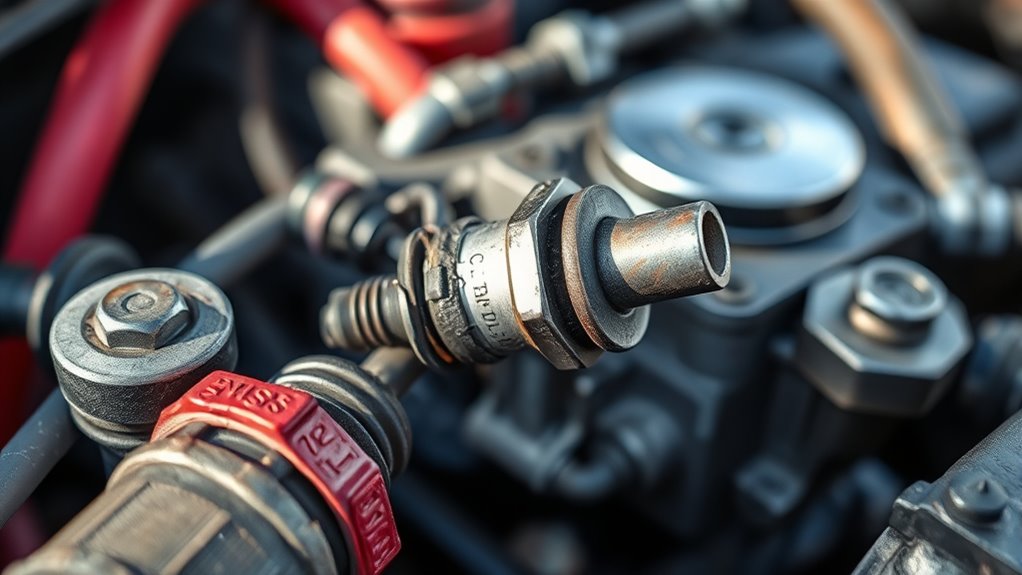
To diagnose and test your coolant temperature sensor effectively, start by locating it. It’s usually near the thermostat housing or on the engine block.
Next, use an OBD-II scanner to check the sensor readings. Turn on your vehicle and connect the scanner. The coolant temperature reading should match the actual engine temperature.
If the readings are way off, the sensor might be faulty. You can also test the sensor’s resistance with a multimeter. Disconnect it and measure resistance at different temperatures.
Here’s a quick comparison:
| Test Step | What to Look For |
|---|---|
| Using diagnostic tools | Sensor readings should match actual engine temp |
| Resistance check with multimeter | Resistance should vary with temperature |
| Visual inspection | Look for corrosion or damage on the sensor |
| Engine temperature check | Confirm sensor readings with physical temperature |
If you notice discrepancies or damage, the sensor may need replacing.
How Do I Replace a Faulty Coolant Temperature Sensor?
Once you’ve confirmed that your coolant temperature sensor is faulty, replacing it is a straightforward process. Start by locating the sensor—usually near the thermostat or on the engine block—and verify you have the correct replacement. Double-check that the sensor is compatible with your vehicle make and model before buying it.
Before removing the old sensor, disconnect the negative battery terminal for safety. Use the right tools to carefully disconnect and unscrew the sensor, keeping in mind that some coolant might spill.
When installing the new sensor, apply a bit of thread sealant if recommended, and tighten it snugly but don’t overdo it. Here are some tips:
- Verify sensor compatibility to avoid future issues
- Use the correct tools to prevent damage to the sensor or nearby parts
- Reconnect everything securely and double-check your connections before starting the engine
What Are the Best Ways to Test Your Coolant Temperature Sensor Before Replacing It?
Wondering if your coolant temperature sensor is working correctly? The best way to test it is by checking its voltage output and comparing it to the manufacturer’s specs.
First, locate the sensor and disconnect it from the wiring harness. Then, use a digital multimeter set to measure voltage. Reconnect the sensor to the vehicle’s harness.
Turn on the ignition (but don’t start the engine). If the sensor is working properly, the voltage should change as the engine warms up, showing it’s calibrated correctly.
You can also test resistance by removing the sensor and measuring its resistance at different temperatures, using your vehicle’s service manual as a guide.
If your readings are outside the specified range, the sensor is likely faulty and should be replaced. Remember, these tests help you see if the sensor’s calibration is accurate or if it’s giving false readings.
Proper testing can save you from unnecessary replacements and ensure your cooling system stays efficient.
How Can I Prevent Coolant Temperature Sensor Failures in the Future?
Regular maintenance of your vehicle’s cooling system can greatly reduce the risk of coolant temperature sensor failures. To prevent future issues, focus on preventive maintenance and regular inspections.
Keep an eye on environmental factors like dirt, corrosion, and extreme temperatures, which can speed up sensor wear. Using quality replacements guarantees compatibility and durability, reducing the chances of failure.
Routine cleaning of the sensor and surrounding components prevents buildup that could interfere with its function. Wiring checks are essential—look for frays or loose connections that might cause faulty readings.
Regularly clean the sensor and check wiring for frays or loose connections to ensure accurate readings and optimal performance.
Consider sensor upgrades if your vehicle’s cooling system has changed or if newer, more reliable sensors are available. Diagnostic tools can help catch potential problems early, saving you from costly repairs.
When Should I See a Professional for Coolant Sensor Problems?
Knowing when to see a professional for coolant sensor problems can save you from costly repairs and prevent engine damage. If you’re noticing persistent coolant leaks near the sensor or fluctuations in engine temperature readings, it’s a good idea to get it checked out.
These issues can signal underlying problems like sensor calibration errors or damaged wiring that need specialized tools and expertise. If your dashboard shows warning lights related to engine temperature, don’t wait to seek help.
DIY fixes might temporarily mask the problem but won’t address issues like faulty sensor calibration or leaks that can get worse over time. A professional can accurately diagnose the root cause, repair leaks, and recalibrate the sensor if needed.
This helps ensure your cooling system works properly, protecting your engine from overheating and costly damage later on. When in doubt, it’s safest to rely on a qualified technician for coolant sensor concerns.
Troubleshooting Overheating and Poor Fuel Economy Caused by Sensor Failures
When coolant sensors fail or malfunction, they can cause your engine to overheat and reduce fuel efficiency by giving incorrect data to the engine control unit (ECU). This faulty info can make the engine run hotter than it should, leading to visible signs like steam or a rising temperature gauge.
Poor sensor readings can also cause the ECU to mismanage the air-fuel mixture, which decreases your fuel economy. To troubleshoot these issues, look out for:
- Inconsistent temperature readings or fluctuating gauges
- Sudden drops in fuel efficiency without any other obvious cause
- Overheating warning lights appearing unexpectedly
What Are the Key Tips for Maintaining a Healthy Cooling System?
Maintaining a healthy cooling system is crucial to prevent overheating and ensure your engine runs smoothly. Start with regular coolant flushes to remove debris and keep the fluid effective.
Keep an eye on fluid levels and top off as needed, especially before seasonal changes. Routine radiator maintenance is important, including inspecting hoses for cracks, leaks, or wear. Check the thermostat to make sure it opens and closes properly.
Pressure testing helps identify weak spots or leaks in the system. Leak detection can find small drips before they turn into bigger problems. Seasonal checks are essential since temperatures change and put different stresses on your cooling system.
Regularly inspect hoses, clamps, and the radiator for signs of corrosion or damage. By staying proactive with these tips, you’ll extend the life of your cooling system, prevent costly repairs, and keep your engine running at the right temperature.
Frequently Asked Questions
Can a Failing Coolant Temperature Sensor Affect Engine Performance?
A failing coolant temperature sensor can definitely impact how your engine runs. When it malfunctions, it gives incorrect readings because of calibration issues or temperature swings.
This can throw off your fuel mixture and timing adjustments, causing rough idling, poor acceleration, or more emissions. Addressing sensor issues quickly helps keep your engine running smoothly and at the right temperature.
Fixing the sensor prevents further damage caused by incorrect data from a faulty sensor. It’s a simple step to ensure your engine performs well and stays healthy.
How Long Does a Typical Coolant Temperature Sensor Last?
A typical coolant temperature sensor lasts between 50,000 to 100,000 miles, but how long it actually lasts depends on your driving habits and the environment.
To help it last longer, make sure to regularly check your coolant levels and replace the coolant as recommended in your vehicle’s manual.
If you notice strange temperature readings or your engine isn’t running smoothly, it’s a good idea to inspect or replace the sensor sooner rather than later.
Keeping up with proper maintenance ensures your sensor works accurately and helps extend its lifespan.
Are Aftermarket Sensors Reliable Replacements?
Nearly 80% of drivers find aftermarket sensors reliable replacements. You can trust aftermarket sensors if they meet high-quality standards; they often match OEM sensor accuracy.
However, lower-quality options might lead to inaccurate readings and cause engine issues. Always choose aftermarket sensors from reputable brands with good reviews.
Proper installation and maintenance ensure your sensor functions well, extending its lifespan and keeping your engine running smoothly.
What Are the Signs of Intermittent Sensor Failure?
You might notice sensor symptoms like erratic temperature readings or sudden gauge fluctuations, indicating intermittent sensor failure.
Failure indicators include the check engine light turning on, inconsistent engine performance, or poor fuel economy.
These signs suggest the sensor isn’t providing accurate data, which can lead to engine issues.
If you spot these symptoms, it’s essential to diagnose and replace the faulty sensor promptly to avoid further damage.
Does Coolant Type Influence Sensor Longevity?
Yes, coolant type can influence sensor longevity. Different coolants, like ethylene glycol or propylene glycol, affect corrosion levels and thermal properties, which can wear out sensors faster.
Using the right coolant and making sure the sensor is properly calibrated helps keep readings accurate and extends the sensor’s life. Regularly checking and replacing coolant as recommended by the manufacturer also prevents buildup and corrosion.
This ultimately helps protect your sensor from failing prematurely.
Conclusion
Keeping an eye on your coolant temperature sensor can help you avoid unexpected hiccups on the road. Regular checks and timely replacements ensure your engine runs smoothly and efficiently. Think of it as giving your vehicle a gentle nudge toward longevity and better performance.
When in doubt, trusting a professional can be a smart move. A well-maintained cooling system is the secret to a happier, healthier ride. Monitoring your coolant temperature sensor can save you from costly repairs and keep your engine running at its best.