Ultimate Guide to Engine Carbon Build Up: Prevention & Removal Tips
Are you tired of your engine losing power or struggling to run smoothly? You’re not alone—many drivers face the frustrating issue of engine carbon buildup. It’s a common problem that can impact your vehicle’s performance and fuel efficiency over time.
Engine carbon buildup happens when deposits form on intake valves and combustion chambers, causing reduced performance and efficiency. To prevent it, change your oil regularly, use quality fuel, and avoid aggressive driving.
Keep an eye out for symptoms like rough idling or sluggish acceleration. Regular inspections and DIY cleaning can help, but severe buildup requires professional help.
Continue exploring to uncover detailed prevention, cleaning tips, and how to keep your engine running smoothly for longer.
Key Takeaways
- Regularly change your oil and air filters to help keep contaminants that cause carbon deposits from building up.
- Use good-quality fuel and try to avoid aggressive driving, which can lead to incomplete combustion and more buildup.
- Perform routine inspections and clean your intake valves when needed, whether doing it yourself or having a professional handle it.
- Watch out for signs like sluggish response, rough idling, and lower fuel efficiency so you can catch buildup early.
- For severe deposits, get professional cleaning to prevent engine damage and help your engine run smoothly again.
What Causes Engine Carbon Buildup and Why It Matters
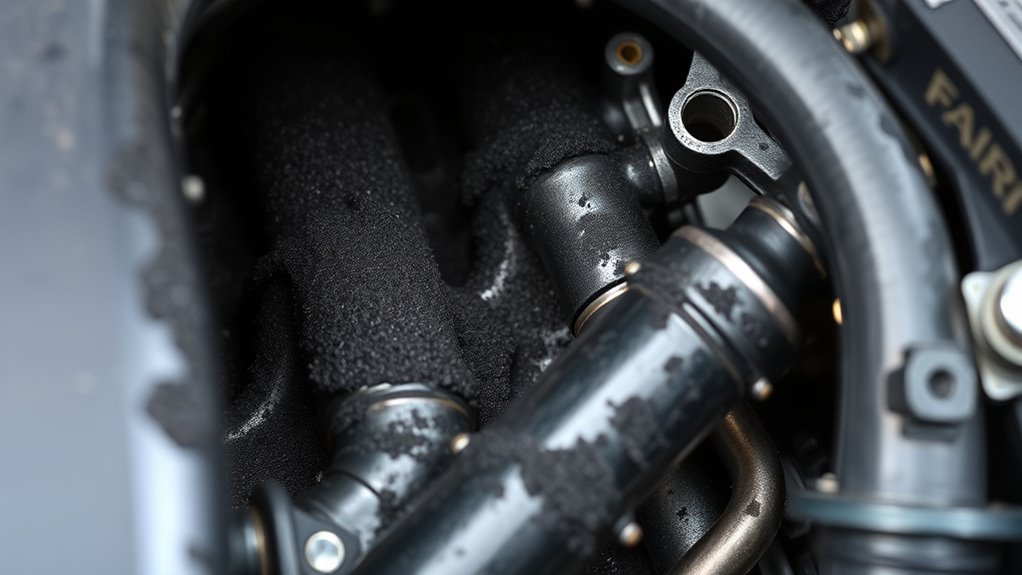
Engine carbon buildup happens mainly because of incomplete combustion of fuel and oil vapors in your engine. This leads to deposits forming on valves, pistons, and other parts. When fuel doesn’t burn completely, carbon particles stick and build up over time, which can mess with how your engine runs.
Oil vapors that slip past piston rings also add to the problem, especially if there’s oil leaks or it burns. It’s important to understand why this buildup matters—because these deposits can cut down on efficiency, cause knocking, and even lead to costly repairs.
Carbon deposits make it harder for air to flow and affect how well your engine burns fuel. This results in less power, worse fuel economy, and rough idling. Too much buildup can also increase emissions and cause knocking, putting your engine’s lifespan at risk.
Knowing what causes these issues helps you avoid future problems and keep your engine in good shape. Keeping things in check ensures your engine runs smoothly, saving you money and making it last longer.
How to Recognize the Signs of Carbon Deposits in Your Engine
Recognizing the signs of carbon deposits early can save you from costly repairs and performance issues down the line. When carbon builds up, your engine’s performance and fuel efficiency suffer. You might notice:
Early detection of carbon buildup prevents costly repairs and maintains engine efficiency.
- Reduced acceleration or sluggish response
- Poor fuel economy despite normal driving habits
- Engine knocking or misfires during operation
- Rough idling or stalling at stops
These symptoms indicate carbon deposits are affecting your engine’s ability to run smoothly. Over time, this buildup can clog intake valves, piston crowns, and combustion chambers, impairing overall performance. Pay attention to any irregularities in how your car runs, especially if you notice a drop in fuel efficiency or rough engine sounds. Addressing these signs early helps prevent more severe damage and keeps your engine running efficiently. Regularly inspecting your engine for these indicators is key to maintaining peak performance and avoiding costly repairs.
Preventive Maintenance Tips to Minimize Carbon Buildup
To keep carbon buildup at bay, adopting a proactive maintenance routine is crucial. Regularly change your engine oil with high-quality oil to reduce deposits, and replace air filters to guarantee clean intake airflow.
Your driving habits also matter. Avoid aggressive acceleration and prolonged idling, which decrease combustion efficiency and promote deposits. Maintaining a consistent maintenance schedule helps catch potential issues early.
Make sure your engine is properly tuned to improve temperature control and combustion. Keep exhaust systems in good condition to prevent unburned fuel from creating deposits.
Also, maintain intake cleanliness to reduce debris buildup. Using fuel with high-quality additives can improve combustion and cut down on carbon formation.
Regularly inspecting and cleaning critical components like intake valves and sensors supports peak engine performance. Implementing these tips will help minimize carbon deposits, extend engine life, and boost overall efficiency.
Best Fuel and Additive Strategies to Reduce Engine Carbon Deposits
Choosing the right fuel and fuel additives is key to reducing carbon deposits in your engine. High-quality fuel ensures cleaner combustion, which boosts performance and efficiency.
When picking additives, look for detergents, fuel system cleaners, or octane boosters. These help break down and prevent carbon buildup, leading to smoother operation and better mileage.
Eco-friendly options are also available and provide long-term benefits without harming the environment. Comparing brands helps you find effective products that match your vehicle and driving habits.
Opt for fuels with higher octane ratings to get the best performance. Reputable additive brands with proven results are worth choosing.
Using good fuel and the right additives regularly can greatly cut down on carbon deposits. This helps your engine last longer and reduces maintenance costs over time.
Focusing on these strategies keeps your engine cleaner, more efficient, and environmentally friendly.
Easy DIY Methods to Clean Engine Carbon Deposits Safely
You can actually clean engine carbon deposits safely at home with just a few simple methods and common household items. It’s pretty straightforward, and you don’t need any fancy tools or chemicals. Just make sure to choose cleaning products that are specifically made for engines or are gentle and eco-friendly—that way, you won’t risk damaging your engine.
Once you’ve got your supplies ready, it’s all about following a clear step-by-step process. Taking your time and being careful will help keep your engine in top shape without causing any harm. So, with a little patience and the right approach, you can keep your engine running smoothly and free of stubborn carbon build-up.
Selecting Safe Cleaning Products
Selecting the right cleaning products is essential for safely removing engine carbon deposits without causing damage. Look for safe solvents that effectively break down carbon while being gentle on engine components.
Eco-friendly options are also ideal because they reduce environmental impact and pose fewer health risks. When choosing products, consider options like safe solvents specifically designed for engine cleaning, non-corrosive degreasers, biodegradable cleaning sprays, and engine-specific cleaning foams.
Make sure the products are compatible with your engine’s materials and avoid harsh chemicals that could cause damage. Always read labels carefully to confirm they’re safe for use on engines and environmentally friendly.
Using the right safe solvents and eco-friendly options helps protect your engine and the environment during cleaning.
Using Basic Household Items
While it might seem surprising, several common household items can help safely clean engine carbon deposits without the need for specialized tools or chemicals. Baking soda acts as a gentle abrasive, and a vinegar solution can break down grime.
Dish soap combined with hot water softens deposits, making them easier to remove. Using a toothbrush for cleaning allows for precision in tight spaces. Be cautious not to use engine oil during cleaning, as it can make buildup worse.
Here’s a quick guide:
| Item | Use |
|---|---|
| Baking soda | Mild abrasive to scrub carbon deposits |
| Vinegar solution | Loosens grime and grease |
| Dish soap | Breaks down dirt with hot water |
| Toothbrush | Precise cleaning of small engine parts |
| Hot water | Activates cleaning agents and rinses |
Step-by-Step Cleaning Process
To start cleaning your engine’s carbon buildup safely and effectively, gather your household items and prepare a clean workspace. This step-by-step process uses simple methods to keep your engine healthy while reducing risks. First, pick a safe, well-ventilated spot.
Then, follow these steps:
- Use a commercial or DIY engine cleaner spray to loosen deposits.
- Apply the cleaner to affected areas, letting it sit for the recommended time.
- Gently scrub with a soft brush to remove carbon deposits.
- Rinse with water or wipe clean with a damp cloth.
These easy DIY carbon cleaning methods help reduce carbon buildup and improve engine performance. Regular maintenance with these steps prevents severe damage and keeps your engine running smoothly.
Professional Engine Cleaning Techniques for Deep Carbon Removal
Professional engine cleaning techniques for deep carbon removal involve specialized tools and chemicals designed to break down stubborn deposits that regular maintenance can’t eliminate.
Advanced cleaning methods like ultrasonic cleaning or high-pressure steam target hard carbon buildup effectively. Professional tools such as engine flush machines or handheld steam cleaners provide precise application.
These tools ensure thorough cleaning of internal components without damaging sensitive parts. Chemical degreasers and carbon dissolvers are used alongside to loosen and dissolve deposits.
This process requires expertise to avoid overuse or misuse, which could harm engine parts. By using advanced methods and professional tools, you can achieve a deep clean that extends your engine’s lifespan and improves performance.
This approach guarantees that even the most stubborn carbon deposits are safely removed, restoring your engine’s efficiency and preventing future buildup.
Tips to Keep Your Engine Clean and Extend Its Lifespan
Keeping your engine in good shape is all about staying on top of regular maintenance and catching problems early before they become big issues. Using good quality fuel can really help since it cuts down on carbon buildup, making sure your engine stays cleaner for longer.
And don’t forget, giving your engine a good cleaning now and then can make a huge difference. It helps prevent dirt and deposits from piling up, which can wear out your engine faster. So, a little proactive care can go a long way in making your engine last longer and run smoother.
Regular Maintenance Checks
Regular maintenance checks are essential for preventing carbon buildup and keeping your engine running smoothly.
By sticking to a consistent maintenance schedule, you can catch issues early through engine diagnostics, which helps reduce the risk of carbon deposits.
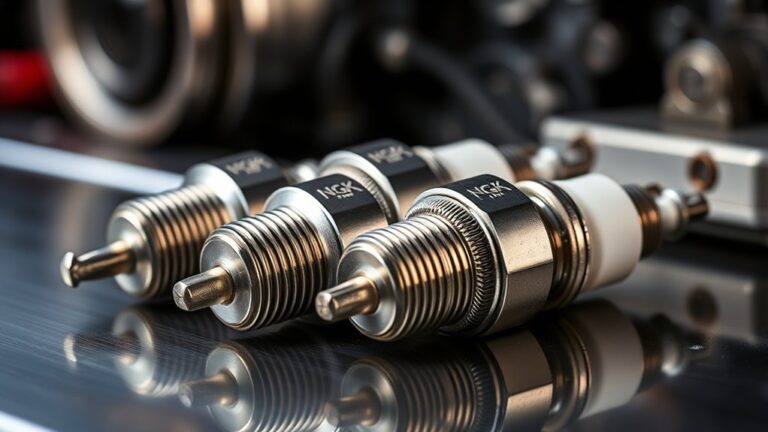
Regular inspections also help spot worn spark plugs, clogged air filters, or fuel system problems that can contribute to buildup.
To stay on top of your engine’s health, focus on scheduling routine engine diagnostics, replacing air filters as recommended, checking and maintaining proper oil levels, and inspecting fuel injectors for cleanliness.
These simple steps help prevent carbon deposits from forming and can extend your engine’s lifespan.
Keeping up with maintenance not only improves performance but also saves you money on costly repairs down the road.
Use Quality Fuel
Using high-quality fuel is a simple but effective way to keep your engine clean and prevent carbon buildup. Good fuel means fewer impurities and deposits that can cause carbon accumulation over time.
Opt for reputable brands that meet industry standards to ensure cleaner combustion. Consider fuels with added additives designed to boost performance and reduce deposits.
Fuel additives help keep injectors and intake valves clean, minimizing carbon buildup and keeping your engine running smoothly. Regular use of quality fuel with the right additives can extend your engine’s lifespan.
It also helps your engine run efficiently and can save you money in the long run. Remember, cheap or low-grade fuel might save you money upfront but can lead to costly buildup and repairs later.
Prioritize fuel quality to protect your engine’s health and make sure it stays in good shape for years to come.
Perform Engine Cleaning
Keeping your engine clean is key to maintaining peak performance and making it last longer. Regular cleaning helps prevent carbon buildup and keeps parts running smoothly.
Use effective techniques like applying degreasers, gently scrubbing with brushes, and rinsing thoroughly. For stubborn carbon deposits, invest in quality tools designed specifically for engine cleaning.
Here are some tips to keep your engine in top shape:
- Use engine degreasers to break down grime
- Use soft brushes for delicate areas
- Rinse with low-pressure water to avoid damage
- Consider professional chemical cleaning for deep carbon removal
Common Mistakes That Can Worsen Engine Carbon Buildup
One of the most common mistakes that can worsen engine carbon buildup is neglecting proper maintenance and ignoring early warning signs. Poor driving habits like frequent short trips and aggressive acceleration increase carbon deposits because the engine doesn’t reach ideal operating temperature. This leads to unburned fuel and oil residues building up.
Using low-quality engine oil also speeds up carbon buildup. Cheaper oils tend to break down faster and don’t burn cleanly. Failing to change your oil regularly allows contaminants to accumulate, which can cause carbon deposits on intake valves and pistons.
Ignoring manufacturer maintenance schedules and skipping essential services like air filter replacements also hurts engine efficiency. These mistakes add up over time, reducing performance and fuel economy.
To prevent worsening carbon buildup, stick to your maintenance routines, choose high-quality engine oil, and adjust your driving habits. This helps your engine run at the right temperature and burn fuel more efficiently.
How Often Should You Check and Clean for Carbon Deposits?
It’s a good idea to check for carbon deposits regularly, especially if you start noticing your engine isn’t running quite right or if your fuel efficiency drops. Sometimes, you might feel rough idling or hear misfires—that’s often a sign there’s too much buildup happening.
Staying on top of these checks can really help prevent bigger problems down the road. Keeping your engine clean with some preventative maintenance tips can make a big difference in keeping deposits under control and making sure everything runs smoothly.
Recommended Inspection Frequency
Regularly inspecting your engine for carbon deposits is key to keeping it running smoothly and avoiding potential damage. How often you check depends on your driving habits and the age of your vehicle.
Typically, inspections should be done every 10,000 to 30,000 miles, but if you notice rough idling or lower fuel efficiency, more frequent checks are a good idea. Using diagnostic tools can help catch early signs of buildup, especially in turbocharged or direct-injection engines.
Regular inspections allow you to identify deposits early before they cause bigger issues. Remember to follow your manufacturer’s recommended inspection intervals and perform visual checks periodically for carbon buildup.
If you often drive in harsh conditions, scheduling more frequent inspections can help keep your engine in top shape. Staying proactive with these checks will save you time and money in the long run.
Signs of Excessive Buildup
How can you tell if your engine has excessive carbon buildup? One key sign is changes in how your engine runs, like rough idling, hesitation when you accelerate, or lower fuel efficiency.
Using methods like visual checks or scan tools can help spot deposits on intake valves or combustion chambers. You might also see more exhaust smoke or feel a drop in power, which suggests buildup is messing with proper combustion.
Other clues include misfires or knocking sounds coming from the engine. If you notice any of these signs, it’s a good idea to check for carbon buildup more often.
Regular monitoring can help prevent bigger problems, keeping your engine running smoothly and efficiently. Staying alert to these signs is the best way to keep your engine in top shape.
Preventative Maintenance Tips
Monitoring your engine for signs of carbon buildup before problems appear can save you time and costly repairs. Regularly checking and cleaning your engine helps keep it running at its best and extends its lifespan.
To stay ahead, follow a consistent maintenance schedule and consider these tips:
- Check spark plugs and ignition components every 10,000 miles.
- Use fuel system cleaners periodically as recommended.
- Inspect intake valves and combustion chambers annually.
- Schedule professional cleaning if you notice reduced performance or rough idling.
When to Seek Expert Help for Severe Engine Carbon Deposits
Have you noticed your engine running rough or experiencing a significant drop in performance? These could be signs of carbon buildup that your engine needs more than just basic maintenance.
When the deposits become severe, DIY solutions often fall short. Trying to remove heavy deposits yourself can even cause damage to your engine.
This is when you should seek expert cleaning services. Professionals have specialized tools and techniques to thoroughly remove stubborn carbon deposits.
They can help restore your engine’s efficiency and extend its lifespan. If you notice frequent knocking, misfires, or reduced fuel economy, it’s a clear sign that the deposits are affecting your engine’s health.
Don’t ignore persistent performance issues because they can lead to costly repairs later on. When in doubt, consult automotive specialists who can accurately assess the severity of the buildup.
They can recommend the right course of action to keep your engine running smoothly. Getting prompt professional help ensures your engine stays in top condition and avoids further damage.
Frequently Asked Questions
Can Engine Carbon Buildup Affect Fuel Economy Significantly?
Yes, engine carbon buildup can really impact your fuel efficiency and how well your car runs. When these deposits build up, your engine has a harder time burning fuel properly, which means you’ll get worse fuel economy.
You might notice your vehicle uses more fuel and doesn’t run as smoothly as it should. Regular maintenance and cleaning can help prevent these deposits from forming, keeping your engine running efficiently and saving you money on fuel.
Ignoring the buildup can lead to costly repairs later on, so it’s worth staying on top of it. Keeping your engine clean helps ensure it performs at its best and stays fuel-efficient.
Are There Specific Engine Types More Prone to Carbon Deposits?
Some engine types are more prone to carbon formation, especially turbocharged engines and direct injection models. Turbocharged engines tend to run hotter, which can encourage carbon buildup.
Direct injection systems can trap fuel residues on intake valves, leading to deposits. If you own these types of engines, regular maintenance and cleaning are important to prevent excessive carbon buildup.
This buildup can impair your engine’s performance and fuel efficiency over time.
How Do Weather Conditions Influence Carbon Buildup Rates?
Weather conditions greatly influence carbon buildup rates. High temperatures can speed up deposits, making buildup happen faster.
Humidity levels also play a role by promoting condensation, which leads to more carbon accumulation. Your driving habits matter too—short trips and idling allow unburned fuel to settle as carbon.
Regular engine maintenance helps counteract these effects, keeping combustion running smoothly. By understanding how temperature and humidity affect your engine, you can adjust your driving and maintenance routines to reduce carbon buildup effectively.
Can Using Ethanol-Blended Fuels Reduce Carbon Deposits?
Using ethanol-blended fuels can help reduce carbon deposits, especially since ethanol benefits include cleaner burning properties.
Studies show vehicles running on ethanol blends produce up to 30% fewer carbon deposits than those using pure gasoline, which can improve engine performance over time.
Switching between fuel types, from regular to ethanol blends, can significantly cut down on carbon buildup, making maintenance easier and helping your engine last longer.
Is There a Difference in Carbon Buildup Between Gasoline and Diesel Engines?
Yes, there’s a difference in carbon buildup between gasoline and diesel engines. Gasoline engines, with their fuel composition and higher combustion efficiency, tend to produce more carbon deposits on valves and piston crowns.
Diesel engines, thanks to their different fuel and combustion process, generally build up less carbon. However, both types benefit from regular maintenance and using quality fuel to minimize deposits and keep your engine running smoothly.
Conclusion
Keeping your engine clean from carbon build-up requires consistent care and attention.
By following preventive tips, choosing the right fuels, and performing regular checks, you can extend your engine’s lifespan and keep it running smoothly.
Remember, an ounce of prevention is worth a pound of cure, so don’t wait until problems arise.
With proactive maintenance, your engine will run better and last longer, proving that a little effort now saves a lot of trouble later.