Why Your Engine Kickbacks on Startup: Common Causes & Professional Solutions
Are you tired of your engine kicking back on startup? You’re not alone—many drivers struggle with this annoying issue. It can be frustrating, especially when you just want to get going smoothly.
If your engine kickbacks on startup, it’s often due to timing issues, faulty spark plugs, or problems with fuel delivery. Worn timing belts or sensors can cause misfires, while fouled spark plugs can lead to rough starts.
Mechanical wear or damaged components also contribute.
Fixing these usually involves adjusting the ignition timing, replacing spark plugs, or maintaining fuel systems. Continue with this guide to uncover more causes and professional solutions to get your engine smoothly running again.
Key Takeaways
- Engine kickbacks often happen because of incorrect ignition timing or faulty spark plugs that cause misfires when starting the engine.
- Mechanical issues like worn timing belts or damaged valves can throw off engine synchronization and lead to kickbacks.
- Fuel system problems, such as clogged filters or faulty sensors, mess with proper combustion and cause the engine to jerk.
- Regular maintenance and replacing spark plugs, sensors, and timing parts on time can help prevent kickback issues.
- Usually, complex causes need a professional diagnosis and repair to keep your engine safe and running smoothly.
What Are Engine Kickbacks and Why Do They Happen?
Engine kickbacks happen when your engine suddenly jerks or turns over unexpectedly during startup. This sudden movement is usually caused by issues within the engine mechanics or ignition system.
When the ignition system malfunctions, it might deliver a spark at the wrong time, causing the air-fuel mixture to ignite too early. This early ignition makes the engine jerk or reverse as the piston moves against the combustion force.
Problems like a worn-out timing belt or faulty sensors can also mess with the proper timing of ignition and combustion. Because of this, instead of a smooth start, your engine bucks or kicks back.
Understanding that these issues come from misfires related to ignition timing or mechanical failures helps explain why kickbacks happen. Fixing problems in the ignition system or engine mechanics quickly is key to preventing further damage and ensuring smoother, safer engine starts.
Common Signs of Engine Kickbacks When Starting Your Vehicle
So, if your engine suddenly jerks or kicks back when you’re trying to start it, that’s usually a sign that something’s not quite right. You might also catch some strange noises or even smell something burning. Sometimes, you might see smoke coming from the engine bay too.
It’s a good idea to pay attention to these signs early on. Catching them early can save you from bigger problems down the line and help you get your vehicle looked at before things get worse.
Sudden Engine Jumps
A sudden engine jump is one of the most noticeable signs that you might be experiencing an engine kickback during startup. This quick movement can catch you off guard and pose safety risks if you’re not prepared. It usually means the engine’s timing or ignition system isn’t in sync, which can be dangerous.
To avoid this, make sure you follow proper startup procedures and keep your engine well-maintained. Signs of engine jumps include unexpected movement when turning the key, sudden and forceful engine rotation, and difficulty controlling the vehicle during startup.
You might also notice rapid engine surges or feelings of instability, which can make the engine behave unpredictably. Recognizing these signs early helps you prevent damage and ensures safer startup procedures.
Unusual Starting Noises
Unusual noises during startup are common warning signs of engine kickback issues. If you hear unexpected sounds like grinding, sputtering, or banging, it’s a sign that your engine may be struggling to turn over smoothly.
These noise variations often come with starting difficulties, making it harder to start your vehicle or causing it to jerk suddenly. Such sounds indicate misfires or timing problems within the engine, which can lead to dangerous kickbacks.
Ignoring these noises can make the problem worse and potentially damage your starter or flywheel. Pay close attention to any abnormal sounds during startup—these clues help identify engine kickbacks early.
This way, you can seek professional help before more severe damage occurs.
Engine Smokes or Smells
Engine smokes or smells during startup are clear warning signs of potential kickback issues. You might notice smoke from the exhaust or a burning odor, which indicates something’s wrong. These symptoms often relate to problems like oil leaks or exhaust issues causing incomplete combustion or burning oil.
If oil leaks reach hot engine parts, they can create smoke and foul smells. Exhaust issues, like clogged catalytic converters or damaged mufflers, can also produce unusual odors or smoke. Keep an eye out for these signs, especially if they happen consistently during startup.
Addressing these issues early can prevent further engine damage and make starting your vehicle more reliable. Look for persistent smoke or smells after startup, burning oil odors, excessive fumes, visible oil leaks, or strange engine odors. Catching problems early is key to keeping your engine healthy.
How Timing Issues Lead to Engine Kickbacks
When the ignition timing is off, your engine can misfire during startup, leading to a sudden kickback. Incorrect timing causes the spark to ignite at the wrong moment in the combustion cycle, which can jolt the engine backward.
Incorrect ignition timing can cause engine misfires and sudden kickbacks during startup.
This is often caused by a need for a timing adjustment or a misaligned timing belt or chain. If your ignition timing is too advanced or too retarded, it disrupts the firing order and increases the risk of kickbacks.
Properly setting the ignition timing ensures the spark occurs at the ideal point in the piston’s movement, providing a smoother start. When your timing is correctly aligned, the engine fires precisely when it should, preventing sudden jolts.
If you’re experiencing kickbacks, check the ignition timing and perform a timing adjustment if needed. Confirming correct timing not only prevents kickbacks but also helps improve engine performance and extend its lifespan.
Why Spark Plug Problems Can Cause Startup Kickbacks
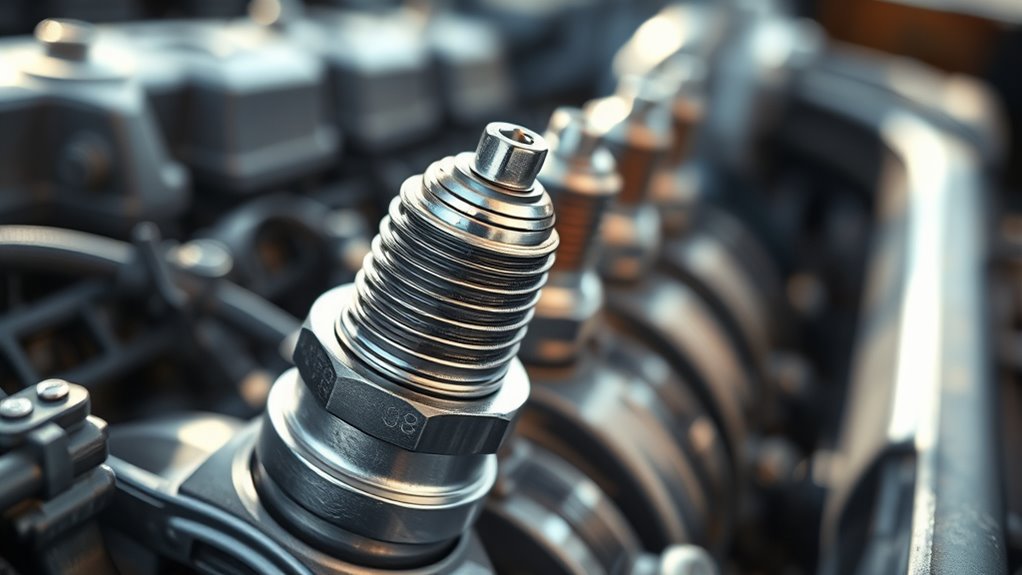
Spark plug problems, like fouling, wear, or incorrect gap settings, can mess up the proper ignition of the fuel-air mixture during startup. When spark plugs aren’t working right, the engine has a hard time igniting fuel efficiently, which can lead to kickbacks.
Poor spark plug maintenance can cause weak sparks or misfires, making the engine backfire when you’re starting it. Incorrect spark plug gaps can also delay ignition timing, resulting in rough starts and potential kickbacks.
Regularly inspecting and replacing spark plugs ensures they’re clean and properly gapped, which helps maintain ideal ignition timing. Proper timing makes the spark occur at just the right moment, preventing misfires and kickbacks during startup.
Fouled spark plugs reduce spark strength, and worn electrodes cause weak sparks. Incorrect gaps disrupt ignition timing, making starting more difficult. Keeping up with maintenance and using the right gap settings improve ignition efficiency and keep your engine running smoothly.
How Fuel Delivery Problems Contribute to Engine Kickbacks
Fuel delivery problems, like a clogged fuel filter or a faulty fuel pump, can mess with the right amount of fuel reaching the engine during startup. When fuel injectors don’t work properly, they might not deliver the correct fuel volume, causing the engine to run lean or unevenly.
This improper fuel mixture can lead to misfires and kickbacks when you try to start your vehicle. Fuel pump issues also matter; if the pump isn’t providing steady pressure, the engine might struggle to ignite smoothly, leading to backfires or kickbacks.
These problems create chaos in the combustion process, making the engine hesitate or backfire during startup. Fixing fuel delivery issues involves inspecting and replacing clogged filters, repairing or replacing faulty fuel injectors, and making sure the fuel pump works reliably.
Keeping up with proper maintenance ensures consistent fuel flow, which helps prevent engine kickbacks caused by fuel delivery failures.
Electrical Sensor Failures That Lead to Kickbacks
Electrical sensor failures can disrupt the engine’s ability to determine the correct timing and fuel mixture, leading to kickbacks during startup. When sensors like the crankshaft position sensor or camshaft sensor malfunction, your engine receives incorrect signals.
This miscommunication causes improper timing, which can make the engine backfire or kick back. Common issues include sensor calibration errors or wiring issues, such as damaged or loose connections that prevent accurate readings.
Ensuring proper sensor calibration and checking wiring for damage or corrosion are vital steps. Ignoring these problems can result in continued misfires and harder startups. To avoid this, regularly inspect and maintain sensor connections and replace faulty sensors promptly.
Addressing electrical sensor failures early can save you from more severe engine problems down the line. Keep these points in mind to improve your engine’s stability and prevent kickbacks during startup.
- Proper sensor calibration is essential for accurate timing
- Wiring issues can cause false signals
- Damaged connectors lead to sensor malfunctions
- Regular inspections prevent failures
- Prompt replacements avoid further damage
Mechanical Wear and Damage Causing Engine Kickbacks
Mechanical wear and damage can really cause engine kickbacks when you’re starting up. Things like worn timing components, damaged spark plugs, or faulty valves and pistons can all play a part. When these parts aren’t in good shape, they mess up the engine’s timing and combustion process, which can cause those sudden, unexpected jolt movements you’re feeling.
It’s important to get these mechanical issues checked out and fixed. Not only does it help prevent more damage down the line, but it also makes sure your engine runs smoothly and reliably. So, if you’re experiencing engine kickbacks, it’s a good idea to have a mechanic take a look at those components sooner rather than later.
Worn Timing Components
Have you ever felt a sudden jolt or kickback when starting your engine? Worn timing components like the timing belt can cause this problem. When the belt is stretched or damaged, it messes with the ignition timing, leading to misfires or kickbacks.
Over time, these parts lose their precision, which causes the engine to fall out of sync between the crankshaft and camshaft. This misalignment can really affect how smoothly your engine runs.
Key signs to watch for include an irregular engine startup, rough idling, increased engine noise, difficulty starting, or engine misfire and hesitation. These are clues that your timing belt might need attention.
A worn timing belt impacts ignition timing, which means the engine fires at the wrong moment. This can cause those frustrating kickbacks and rough starts. Replacing worn components early helps ensure proper timing and a smoother engine startup.
Getting your timing belt checked and replaced when needed keeps your engine running smoothly and prevents more serious damage down the line.
Damaged Spark Plugs
Damaged spark plugs can cause engine kickbacks during startup by disrupting the timing and combustion process. Over time, wear on the spark plugs, like worn electrodes or fouling, reduces spark quality and leads to inconsistent ignition.
This misfiring affects ignition timing, causing the engine to fire at the wrong moment. When spark plugs are damaged, the combustion cycle gets unbalanced, which can result in sudden backfires or kickbacks.
Regularly inspecting and replacing worn spark plugs is essential to keep the ignition timing proper and ensure smooth engine operation. If your spark plugs are damaged, your engine may struggle to start and might jerk or jerk suddenly.
Addressing spark plug issues quickly helps prevent kickbacks and keeps your engine running reliably.
Faulty Valves or Pistons
When valves or pistons become faulty due to mechanical wear or damage, they can cause engine kickbacks during startup by disrupting the combustion process. Worn piston rings or improperly adjusted valves can lead to compression loss or uneven firing, which can make the engine backfire.
Faulty valves may not open or close correctly, causing incomplete combustion. Damaged pistons can also create timing issues that lead to rough starts. Regular valve adjustment helps keep proper clearance and prevent kickbacks.
Worn piston rings can allow compression leaks, resulting in misfires or knocking during startup. To avoid these problems, check for signs like misfiring or knocking, and keep up with regular maintenance.
Here are some key points to keep in mind:
- Worn piston rings reduce compression
- Improper valve adjustment causes timing issues
- Damaged valves disrupt combustion
- Mechanical wear leads to uneven firing
- Regular maintenance helps prevent engine kickbacks
Fixes and Tips to Prevent Engine Kickbacks
Preventing engine kickbacks starts with proper starting techniques and regular maintenance. Confirming your equipment is well-maintained helps prevent issues that cause kickbacks.
Regular preventive maintenance includes checking spark plugs, ignition systems, and carburetor adjustments, which keeps the engine running smoothly. Engine diagnostics can identify potential problems before they escalate, so you can address them early.
Always start your engine on a flat, stable surface and avoid forcing the starter if it resists. Use the correct starting procedures, like priming the engine if needed, and make sure the throttle is in the right position.
Keep the air filter clean to prevent airflow issues. Also, inspect the spark plug gap and replace worn parts promptly. These simple steps greatly reduce the risk of kickbacks and help your engine last longer.
Staying proactive with maintenance and diagnostics keeps your engine running reliably and minimizes startup problems.
Should You Fix It Yourself or Call a Mechanic?
Deciding whether to fix engine kickback issues yourself or call a mechanic depends on your experience and comfort with small engine repairs. If you’re comfortable with DIY repairs, you might save money and quickly fix minor problems. But if you’re unsure or the problem seems complicated, it’s better to get professional help.
Think about these points:
- DIY repairs can save money but might cause damage if not done right.
- Costs include parts, tools, and the risk of making mistakes.
- Complex issues like timing or compression problems usually need a mechanic.
- Your comfort with tools and diagnosing engines matters.
- Safety is the top priority—if you’re unsure, it’s best to call a professional.
In the end, consider your skills, the risks, and costs before deciding whether to handle the repair yourself.
When to Seek Professional Help for Engine Kickback Issues
Engine kickback issues can be tricky and potentially dangerous, especially if you’re unfamiliar with small engine mechanics. If your attempts to fix the problem haven’t worked or if the engine continues to kick back during startup, it’s time to seek professional help.
A mechanic can perform thorough engine diagnostics to identify underlying issues that might be causing the kickback, such as timing problems or faulty ignition components. Don’t ignore persistent symptoms, as they could lead to more severe damage or safety hazards.
When you notice irregular engine behavior, unusual noises, or difficulty starting, a professional assessment guarantees accurate diagnosis and effective repairs. Trusting a trained mechanic helps prevent further damage, saves you time, and keeps you safe.
If you’re unsure about your skills or if the problem persists despite your efforts, it’s always best to consult an expert for a proper inspection and reliable solution.
Frequently Asked Questions
Can Engine Kickbacks Cause Long-Term Engine Damage?
Engine kickbacks can cause long-term damage if not addressed, as repeated sudden jolts put extra stress on engine components. This stress can speed up engine wear and make ignition problems worse.
If you experience kickbacks often, it’s important to get professional help to prevent serious damage. Regular maintenance and quick repairs can keep your engine running smoothly and help it last longer.
Are Certain Vehicle Models More Prone to Engine Kickbacks?
Some vehicle models, like older Ford trucks, are more prone to engine kickbacks because of their engine design and ignition system.
In these cases, ignition timing or compression ratios can make kickbacks happen more often.
If you own one of these vehicles, you might notice the issue more, especially during cold starts.
Knowing how engine design and ignition system differences affect kickback risk can help you spot and fix problems early.
How Does Cold Weather Affect Engine Kickback Frequency?
Cold weather increases engine kickback frequency because cold starts put extra strain on your engine and battery. When it’s chilly, your battery struggles to give enough power, making it harder for the engine to start smoothly.
This can lead to misfires or sudden jolts, which cause those annoying kickbacks. To keep this in check, keep your battery charged, use winter-grade oil, and give your engine some extra warm-up time before starting.
What Safety Precautions Should I Take During Engine Kickback Repair?
Ever thought about what could happen if you don’t stay safe during engine kickback repair? You should wear protective gear, like gloves and safety goggles, to prevent injury.
Use proper repair tools designed for your engine, and make sure the spark plug is removed to avoid accidental starts. Keep a fire extinguisher nearby, just in case.
Work in a well-ventilated area so fumes don’t build up. These kickback prevention tips will help keep you safe while repairing your engine.
Does Regular Maintenance Reduce the Risk of Engine Kickbacks?
Yes, regular engine maintenance greatly reduces the risk of kickbacks.
By keeping your engine properly tuned, inspecting spark plugs, and ensuring the carburetor is clean, you improve kickback prevention.
Consistent engine maintenance helps identify potential issues early, preventing sudden, dangerous engine kickbacks during startup.
Staying on top of these tasks not only boosts safety but also prolongs your engine’s lifespan, making your work safer and more efficient.
Conclusion
Engine kickbacks can be really frustrating and even cause damage to your engine. Knowing what causes them can help you act fast and avoid bigger issues.
Did you know that improper timing or spark plug problems make up over 60% of startup kickbacks? Regular maintenance and quick repairs can save you from costly engine damage down the line.
If you’re unsure what’s causing the problem, don’t hesitate to call a professional. Addressing these issues early keeps your engine running smoothly and prevents unexpected breakdowns. Properly maintaining your engine helps avoid startup kickbacks and keeps everything running without a hitch.