Engine Misfire at High RPM? Diagnosis and Solution
Dealing with an engine misfire at high RPM can be really frustrating. Many car owners struggle with this issue, especially when it affects performance and smooth driving.
If your engine misfires at high RPM, start by checking for fault codes with an OBD-II scanner to pinpoint potential causes.
Inspect your spark plugs, ignition coils, and wiring for wear or damage. Also, evaluate the fuel delivery system for clogs or failing pumps.
Mechanical issues like timing chain wear or compression problems could also be responsible.
By systematically diagnosing these areas, you can find the solution—and get more tips to keep your engine running smoothly.
Key Takeaways
- Check for diagnostic trouble codes (DTCs) with an OBD-II scanner to find out what’s causing the engine misfire. This can give you a good starting point.
- Inspect ignition parts like spark plugs, coils, and wiring for any signs of wear or faults. Faulty ignition components are often the culprit.
- Evaluate the fuel delivery system, including the fuel pump, injectors, and lines, to see if there are clogs or failures. Poor fuel flow can lead to misfires.
- Verify that timing components such as the timing belt or chain are properly aligned and working correctly. Incorrect timing can cause high RPM misfires.
- Perform routine maintenance on filters and sensors, and tune the engine to prevent issues before they start. Regular upkeep can save you a lot of trouble.
What Causes Engine Misfires at High RPM?
When your engine misfires at high RPM, it’s often caused by issues with fuel delivery, ignition, or airflow. One common reason is an incorrect fuel mixture; if it’s too lean or too rich, it can disrupt combustion and cause misfires.
If the fuel mixture isn’t balanced properly, the engine has trouble firing smoothly at high speeds. Timing problems are also a big factor. When ignition timing is off, sparks don’t ignite the fuel-air mix at the right moment, leading to misfires during high RPMs.
Worn or faulty timing components like the timing belt or chain can throw off spark timing, especially when the engine is under stress. Additionally, malfunctioning sensors such as the crankshaft or camshaft sensor can send incorrect signals, causing timing errors.
All these issues—improper fuel mix and timing problems—prevent the engine from running smoothly at high speeds. If not fixed, they can cause misfires and even lead to damage over time.
What Are the Symptoms of a High-RPM Misfire?
Are you noticing unusual engine behavior at high RPM? One common symptom of a high-RPM misfire is engine hesitation or stumbling when you accelerate hard. You might also feel a slight jerk or vibration, especially if the misfire persists.
A rough running engine at high speeds often indicates incomplete combustion, which could be caused by poor fuel quality or improper engine tuning. You may observe a decrease in power or acceleration, making your vehicle feel sluggish.
Moreover, a noticeable increase in exhaust emissions or a smell of unburned fuel can signal a misfire. Sometimes, the check engine light will flicker or stay on, warning you of underlying issues.
These symptoms are often tied to fuel quality problems or incorrect engine tuning, both of which disrupt the combustion process. Recognizing these signs early helps prevent further damage and allows for timely repairs.
How Do You Diagnose a High-RPM Engine Misfire?
Sure! Here’s a more conversational version of the text:
If your engine is misfiring at high RPMs, the first thing you wanna do is see if there are any stored engine codes. Those codes can give you a pretty good idea of what’s going wrong. After that, it’s a good idea to check the spark plugs and the ignition system to make sure they’re firing properly. Sometimes bad or worn-out plugs can cause misfires, so it’s worth taking a close look.
Next up, you should look into the fuel delivery system to see if it’s providing the right amount of fuel. If there’s not enough fuel or if the fuel injectors aren’t working right, that can also lead to misfiring at high RPMs. By going through these steps — checking codes, inspecting the spark and ignition, and verifying the fuel supply — you’ll be better equipped to figure out whether the problem is with the spark, the fuel, or maybe both.
Check for Engine Codes
Have you ever wondered how to pinpoint a high-RPM engine misfire? The first step is to check your vehicle’s check engine light. When it’s on, it signals that the car’s computer has detected a problem.
Using diagnostic tools like an OBD-II scanner, you can retrieve the trouble codes stored in your vehicle’s computer. These codes point directly to specific issues, such as misfires, sensor faults, or ignition problems.
Connect the scanner to the diagnostic port usually located under the dashboard, turn on the ignition, and read the codes. This quick step helps narrow down the cause of the misfire, saving you time and guesswork.
Addressing these codes early guarantees you’re targeting the right problem before further damage occurs.
Inspect Spark and Fuel
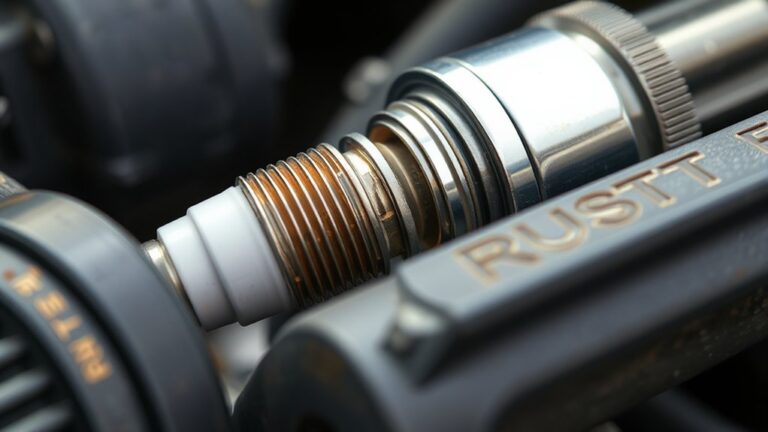
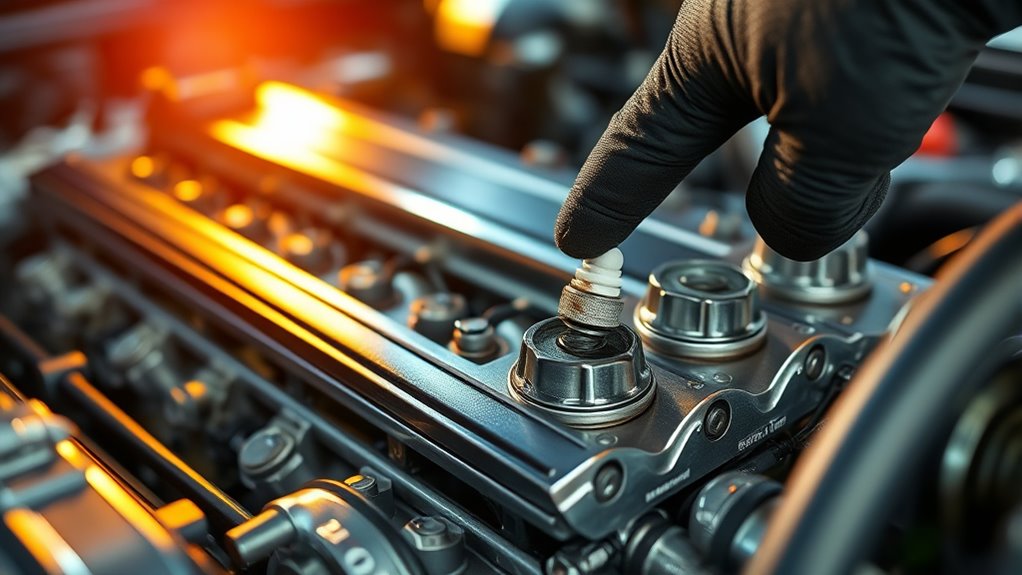
After retrieving trouble codes, inspecting the spark and fuel systems is the next step in diagnosing a high-RPM engine misfire. Start by checking your spark plugs, paying attention to spark plug types and signs of wear or fouling.
Consider if the spark is strong enough to ignite the air-fuel mixture. Next, examine the ignition wires and coils for cracks or corrosion. Then, assess fuel quality; poor-quality fuel or contaminants can cause inconsistent combustion.
Visualize the process:
- Inspecting spark plugs for deposits or damage
- Testing ignition coils for proper function
- Evaluating fuel injectors for clogs or leaks
Ensuring your spark system provides a steady spark and your fuel is clean can prevent misfires at high RPM. Proper diagnosis here helps target the root cause efficiently.
Could Ignition System Problems Cause High RPM Misfires?
Yeah, ignition system problems can definitely cause high RPM misfires. It’s a good idea to check out the components involved. Things like faulty ignition coils, worn-out spark plugs, or loose wiring can mess up the spark, which can lead to engine hesitation when you’re cruising at higher speeds.
If you catch these issues early and get them fixed, you’ll likely see your engine run more smoothly. Plus, it can help prevent any further damage down the line.
Ignition Coil Failures
When your engine misfires at high RPM, a faulty ignition coil is often the culprit. Ignition coil failures can disrupt the spark, leading to inconsistent combustion.
You might notice your engine running rough or hesitating when you’re at high speeds. To figure out if the coil is the problem, you’ll need to check its resistance and do some coil testing.
A coil with resistance that’s too high or too low compared to the specs usually indicates it’s failed. During testing, look for signs like a crack in the insulation, which shows internal damage.
You might also see corrosion or carbon tracking on the coil’s surface. Any abnormal resistance readings compared to manufacturer specs also point to a coil that’s no longer reliable.
Replacing a failing coil helps restore proper spark delivery and eliminates high RPM misfires. This keeps your engine running smoothly and reliably.
Spark Plug Issues
High RPM misfires are often linked to spark plug problems, especially if they’re not firing properly or have become worn out. Worn or fouled plugs mess with the ignition, causing misfires at high speeds.
Check which spark plug types work best for your engine and make sure to keep up with regular inspections and replacements. Different types—copper, platinum, or iridium—offer different levels of durability and performance.
Here’s a quick overview:
| Spark Plug Type | Lifespan | Maintenance Tips |
|---|---|---|
| Copper | 20,000 miles | Replace often, clean regularly |
| Platinum | 60,000 miles | Use anti-seize, check gap |
| Iridium | 100,000 miles | Inspect for fouling, replace as needed |
Proper spark plug care helps prevent high RPM misfires and keeps your engine running smoothly.
Wiring and Connection Problems
Wiring and connection issues can disrupt the spark delivery to your engine’s cylinders, leading to misfires at high RPM. Poor wiring integrity or unstable connections can cause inconsistent sparks, especially when the engine demands more power.
To troubleshoot, check for frayed or damaged wires that may cause intermittent contact, loose connectors that can vibrate loose at high speeds, and corroded terminals reducing connection stability.
A visual inspection helps identify these problems quickly. Make sure all wiring is secure, clean, and free of corrosion. Replacing damaged wires or tightening loose connections restores wiring integrity and improves spark consistency.
Maintaining good wiring and connection stability is essential for preventing misfires during high RPM operation and ensuring smooth engine performance.
Can Fuel Delivery Issues Lead to High-Speed Engine Stumbles?
Could fuel delivery problems be causing your engine to stumble at high speeds? If so, the issue might come down to a failing fuel pump or injector problems.
The fuel pump supplies the engine with the necessary fuel, especially at high RPMs when demand increases. If it’s weak or failing, it can’t keep up, leading to a lean mixture that causes misfires or stumbles.
Injector issues, like clogging or faulty injectors, can also disrupt fuel delivery. When injectors don’t spray the right amount of fuel evenly, your engine struggles to run smoothly at high speeds.
These problems often show up as hesitation, rough idling, or engine stumbles. Diagnosing fuel delivery issues involves checking fuel pressure and inspecting injectors for clogs or damage.
Fixing these problems quickly can restore proper fuel flow and prevent high-RPM misfires, helping your engine run smoothly again.
Are Vacuum Leaks and Intake Problems Behind Your Misfire?
If your engine is misfiring, you might want to check for a vacuum leak or an intake problem. These issues can cause rough idling, hissing sounds, or even a drop in fuel efficiency. It’s pretty common, so don’t worry too much if you notice these signs.
Diagnosing the problem usually means taking a close look at your hoses and seals. You’ll want to check for any cracks or loose connections that might be letting air escape. Sometimes, a simple inspection can save you a lot of trouble down the line.
Identifying Vacuum Leak Signs
Have you noticed rough idling or a sudden drop in engine performance? These could be signs of a vacuum leak affecting your engine’s vacuum pressure.
To identify leak detection issues, listen for a hissing sound around hoses and intake connections. You might also notice unstable engine RPMs or increased fuel consumption.
Visual clues include cracked or disconnected hoses, loose clamps, or worn gaskets. Sometimes, spraying carb cleaner or soapy water around suspected leak points can reveal leaks—if the engine revs up briefly, you’ve found a leak.
Being able to recognize these signs helps you catch vacuum leaks early before they cause more serious problems. Proper leak detection guarantees your engine runs smoothly and efficiently, especially at high RPMs.
Diagnosing Intake System Issues
When your engine misfires, the root cause often lies within the intake system, including vacuum leaks and other intake-related issues. Start by inspecting the intake manifold for cracks, loose bolts, or damaged gaskets that could cause air leaks. A hissing sound or fluctuating idle may signal a leak.
Next, check the throttle body for dirt or carbon buildup, which can hinder airflow and disrupt proper engine function. Make sure the throttle plate moves freely and seals tightly when closed. Use a smoke machine or carburetor cleaner to identify leaks around hoses, gaskets, or connections.
Addressing these intake system issues guarantees the proper air-fuel mixture, reducing misfires especially at high RPMs. Proper diagnosis and repair of intake leaks can restore smooth engine performance.
What Mechanical Failures Cause High-RPM Engine Stumbles?
High-RPM engine stumbles often come from mechanical failures that mess up the engine’s smooth running at higher speeds. These issues cause uneven power, leading to misfires.
Common problems include fuel injector problems, like clogs or sticking, which block proper fuel flow and cause inconsistent combustion. A lower or uneven compression ratio can also cause stumbling, especially at high RPMs, because the engine struggles to keep up with proper cylinder pressure.
Fuel injector issues and uneven compression can cause high-RPM engine stumbling and misfires.
Mechanical wear or damage to parts like valves, piston rings, or the timing chain can also cause misfires when the engine runs fast. Think of these failures as:
- Clogged or dirty fuel injectors blocking steady fuel spray
- Worn piston rings reducing compression and power
- Timing chain stretch or damage messing up valve timing
Fixing these issues helps the engine keep proper compression and fuel delivery, stopping high-RPM stumbles and making the engine run smoother.
How to Fix and Prevent High-RPM Engine Misfires
To fix and prevent high-RPM engine misfires, start by doing regular maintenance checks. Inspect and replace spark plugs, fuel filters, and air filters as needed.
Proper engine tuning is key to keeping your engine running smoothly at high speeds and reducing misfire risks. Make sure your ignition system is in top shape, and consider upgrades like high-quality spark plugs or ignition coils to improve spark delivery and combustion.
Upgrading your fuel injectors or adding a performance chip can also help optimize fuel delivery. This prevents misfires when your engine is running at high RPMs.
Regularly check your engine’s sensors and ensure they are calibrated correctly. This helps maintain the right air-fuel mixture and keeps your engine running efficiently.
Sticking to your vehicle’s maintenance schedule minimizes mechanical issues that could lead to misfires. Combining routine upkeep with strategic upgrades keeps your engine reliable at high speeds, reduces misfire chances, and prolongs its lifespan.
Common Repairs for High-RPM Misfires
Addressing high-RPM misfires often involves inspecting and replacing key ignition components. Worn parts like spark plugs, ignition coils, or wires can cause inconsistent sparks, which lead to misfires at high speeds. Proper engine tuning is also crucial; if your engine isn’t calibrated correctly, it can struggle to run smoothly at high RPMs.
To fix these issues, you might want to replace worn spark plugs and ignition coils to restore proper spark timing and strength. Checking and replacing damaged or worn ignition wires can ensure reliable electrical flow. Additionally, fine-tuning the engine’s air-fuel mixture and ignition timing can help optimize performance.
Maintenance Tips to Avoid Future High-Speed Misfires
Regular maintenance of your ignition system is the best way to prevent future misfires at high speeds. Keeping your fuel system clean and well-maintained helps ensure peak combustion, which reduces the risk of misfires.
Make sure to schedule regular preventive checks for fuel injectors, filters, and lines to look for clogs or leaks. Replacing worn spark plugs and ignition wires also helps keep firing consistent at high RPMs.
Additionally, inspect your fuel system for contaminants that could disrupt fuel flow. Staying on top of these tasks will keep your engine running smoothly when you need it most.
Frequently Asked Questions
Can Aftermarket Modifications Cause High RPM Engine Misfires?
Yes, aftermarket modifications can cause high RPM engine misfires. Installing parts like upgraded fuel injectors or ignition systems might throw off your engine’s balance if they aren’t compatible.
This can lead to misfires, especially if the modifications aren’t suited for your vehicle. Poor fuel quality can make things worse, particularly if the upgrades require higher-quality fuel for optimal performance.
Always check that your aftermarket parts are compatible with your car, and use high-quality fuel to help prevent high RPM misfires.
How Does Engine Temperature Influence High RPM Misfires?
Engine temperature really impacts high RPM misfires because thermal expansion can change how engine parts fit together, which messes with proper combustion. When the engine gets too hot, coolant flow might become restricted or not enough, leading to overheating.
This overheating can affect spark plug performance and make the fuel mixture less stable, which increases the chances of misfires at high RPM. Keeping your engine within the right temperature range helps maintain thermal stability, reduce misfires, and keep things running smoothly at high speeds.
Are High-Performance Spark Plugs Better for Preventing Misfires?
Yes, high-performance spark plugs can help prevent misfires at high RPM. They often have better materials and design, which improve ignition system efficiency and durability under demanding conditions.
Choosing the right spark plug types for your engine’s ignition system ensures reliable sparks and good combustion. Upgrading to high-quality spark plugs can give you a more consistent spark, reduce misfires, and boost overall engine performance, especially during high RPMs.
What Role Does ECU Tuning Play in High RPM Misfire Issues?
ECU tuning plays an essential role in high RPM misfire issues by optimizing ECU calibration and fuel mapping. When you adjust these settings, you help ensure the engine gets the right air-fuel mixture at high speeds, which can prevent misfires.
Proper tuning can improve combustion efficiency, reduce stress on spark plugs, and keep the engine running smoothly at high RPMs. Fine-tuning your ECU isn’t just about avoiding misfires; it also boosts overall engine performance.
Can Worn Engine Components Cause Misfires Only at High RPM?
Imagine the engine’s heart pounding faster, yet only misfiring at high RPMs. That’s when worn valves or incorrect ignition timing become suspects.
These components struggle under stress, causing misfires that only reveal themselves at speed. Worn valves can’t seal properly, and misaligned ignition timing hampers spark delivery.
You feel the hesitation, the stumble—clues that your engine’s worn parts are sabotaging smooth high-RPM performance.
Conclusion
To keep your engine running smoothly at high RPMs, don’t ignore signs of misfires. Regular maintenance and prompt diagnosis are key to catching issues early. Addressing problems early can save you from bigger headaches later.
Remember, a stitch in time saves nine. Catching problems before they escalate keeps your engine humming and your wallet happy. Stay vigilant and proactive so you don’t end up chasing shadows when things go wrong.
Engine misfire at high RPM can be a sign of underlying issues. Staying on top of maintenance helps prevent costly repairs and keeps your vehicle performing its best.