Why Installing Steering Wheel Covers Can Be Quite Challenging
Many people struggle with installing steering wheel covers, and you’re not alone. It can be frustrating trying to get that perfect fit without wrinkles or slips.
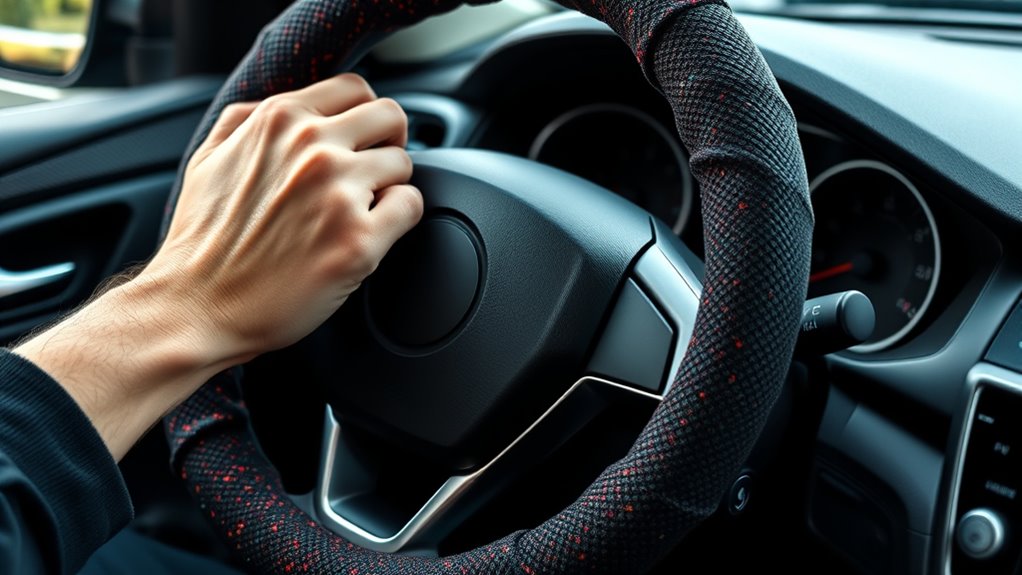
Installing steering wheel covers can be tricky because it’s easy to mismeasure, rush, or misalign the cover, leading to wrinkles or slipping. The process requires patience, using proper techniques to stretch and fit the cover evenly over the wheel.
Material flexibility and wheel size also influence how simple or difficult the installation will be.
If you want to master the process and avoid common mistakes, keep going to uncover tips and tricks that can make it easier.
Key Takeaways
- Rigid or overly stretchy materials can make fitting tricky and might cause damage or slippage during installation.
- If you don’t measure or align correctly, the cover might end up uneven or insecure.
- Not cleaning the wheel beforehand can lead to slipping and make the cover harder to install smoothly.
- Handling the cover without experience can cause uneven tension, bunching, or tearing of the material.
- Since steering wheels come in different sizes and shapes, you need precise techniques and tools, which adds to the complexity.
How to Choose the Right Steering Wheel Cover for Your Car
How do you pick the perfect steering wheel cover for your car? Start by considering the cover styles that match your preferences and needs. Do you want a plush, leather, or silicone cover? Each offers different feels and looks, so choose what fits your driving style and comfort.
Next, think about the size and fit. Measure your steering wheel to make sure the cover will fit properly. Once you’ve picked a style, gather the right installation tools like a screwdriver or plastic pry tools to help with the process.
Some covers are easy to slip on, while others might need stretching or clips to secure. Always check the manufacturer’s instructions for specific tools needed. Picking the right style and having the right tools will make installation easier and ensure a snug, comfortable fit.
Preparing Your Steering Wheel for a Perfect Fit
Before installing your steering wheel cover, it’s important to prepare the surface for a smooth and secure fit. Start by cleaning the wheel thoroughly to remove dirt, oil, and sweat that could affect the cover’s grip. Use a gentle soap solution and a microfiber cloth for the best results.
Once the wheel is clean, dry it completely to prevent slipping during installation. A dry surface helps the cover slide on easily and stay in place.
Here’s a simple table to visualize the surface conditions:
| Dirty & Greasy | Slightly Dusty | Clean & Dry |
|---|---|---|
| Slippery fit | Slight resistance | Secure fit |
A clean, dry surface ensures your cover goes on smoothly and stays secure. Proper prep not only makes installation easier but also helps your cover last longer.
Taking these steps guarantees your steering wheel will look good and stay protected longer.
Factors That Affect How Easy It Is to Install a Cover
How easy it is to install a steering wheel cover really depends on a few things, like how flexible the material is and the size of your wheel. If the cover is made from a stretchy material, it’ll usually slide on more easily, which is great if your steering wheel is a bit smaller or larger than the standard size.
Getting a good fit is important, so knowing these factors can help you pick a cover that’s not only easier to put on but also fits snugly. It’s all about finding that balance between flexibility and size to make the installation process smoother.
Cover Material Flexibility
The flexibility of the cover material really affects how easy it is to install a steering wheel cover. Different types, like leather, neoprene, or fabric, vary in how stretchy and pliable they are. This impacts how smoothly you can get the cover on.
Flexible materials like neoprene tend to mold more easily to the shape of the wheel, making the process simpler. On the other hand, stiffer options, such as some leather covers, might need more effort and special techniques to stretch and fit properly.
Your choice of material influences how much force you’ll need and whether you can slide the cover on all at once or if you’ll need to work gradually. Knowing how flexible your material is helps you plan the best way to install it and avoid frustration or damage.
Steering Wheel Size
Steering wheel size plays a big role in how easy it is to install a cover. Larger or smaller wheels might need more effort or special techniques.
When looking at different types, like standard, sport, or oversized wheels, your approach will change. Here are some key things to keep in mind:
- Size Compatibility: Make sure the cover fits your steering wheel’s diameter.
- Material Stretchability: Some covers are more flexible, making them easier to install on different sizes.
- Design and Shape: Unusual shapes or thick rims can make fitting more challenging.
- Type of Steering Wheel: Sporty or oversized wheels might need custom or universal covers for a snug fit.
Knowing your steering wheel’s size and type helps you pick the right cover and makes installation simpler.
Tips for Stretching and Fitting Covers Over Different Wheel Sizes
To make sure your cover fits just right, the first thing you want to do is measure your wheel’s diameter accurately. It might seem like a small step, but getting that measurement right makes all the difference.
Once you’ve got that, it’s a good idea to use stretching techniques suited to the cover’s material. This can really help when you’re trying to slide the cover over different wheel sizes and makes the whole process smoother.
And don’t forget, choosing a material that’s compatible with your wheel size can make fitting a lot easier and ensure the cover stays snug and secure.
Measuring Wheel Diameter Accurately
Accurately measuring your wheel’s diameter is key to ensuring a proper fit when installing a steering wheel cover. To get the right measurement, follow these simple steps:
Use a flexible measuring tape to measure straight across the wheel’s widest point. Record the measurement in inches or centimeters, whichever you prefer. Confirm your wheel size by comparing your measurement to the manufacturer’s specifications.
Keep in mind that some covers stretch, so slightly larger measurements can still work if the material is flexible. Knowing the exact diameter helps you pick a cover that fits snugly without being too tight or loose.
Getting the right measurement guarantees your steering wheel cover fits securely, offering both comfort and safety during use.
Using Proper Stretching Techniques
Before fitting your cover, gently stretch it with your hands to loosen the material. This helps make the cover more flexible and easier to work with.
Use proper stretching techniques by pulling evenly across different sections. This avoids uneven tension and helps the cover fit better.
Focus on tight areas, especially around the wheel’s edges. Keep the cover aligned with the steering wheel’s shape for a snug fit.
Don’t force the material too aggressively. Instead, gradually increase the stretch until the cover slips over the wheel comfortably.
Consistent, gentle stretching and careful alignment will give you a professional look and a secure fit.
Selecting Compatible Cover Material
Choosing the right cover material is key because different fabrics and textures react differently to stretching and fitting, especially over various wheel sizes. Your options like leather, neoprene, or microfiber have their own unique properties.
Think about your texture preferences for grip and comfort. For a better fit, keep these tips in mind:
- Use stretchable materials like neoprene for easier fitting over larger or irregular wheels.
- Go for smooth textures if you want a sleek look and easier installation.
- Pick thicker fabrics for durability, but make sure they’re not too stiff to stretch.
- Test small pieces of the material on your wheel first to see how well they respond to stretching before making a final choice.
Matching your material type and texture with your wheel size ensures a snug fit and a comfortable grip.
Common Mistakes When Installing Steering Wheel Covers
One common mistake when installing steering wheel covers is not properly aligning the cover before slipping it over the wheel.
This oversight can lead to problems like bunching or slipping after you finish.
Many people think just stretching the cover over the wheel will do the trick, but that’s a misconception.
Proper alignment ensures the cover fits snugly and evenly, which saves you frustration later.
Proper alignment guarantees a snug, even fit, preventing frustration and ensuring a professional finish.
Skipping the check of the cover’s position before pulling it into place can cause uneven coverage or air pockets.
Rushing through the process without preparation can also cause tearing or overstretching the material.
Taking your time to align the cover correctly can prevent redoing the job and give you a smooth, professional look.
How Material Flexibility Influences Installation Ease
When you’re selecting a cover, picking one with the right amount of flexibility can really make the installation process easier. It’s all about finding that sweet spot—if it’s too stretchy, it might not fit properly, which can be a bit of a headache. On the flip side, if the material isn’t flexible enough, you might find it tough to stretch it over the wheel, and that can be pretty frustrating.
The key is to find a balance between durability and flexibility. That way, you get a cover that fits snugly without sacrificing its lifespan. It’s all about making sure your cover is easy to put on and stays in good shape for the long haul.
Material Stretchability Challenges
Material stretchability plays an essential role in how easily you can install a steering wheel cover. If the material is too rigid, you’ll struggle to stretch it over the wheel, which can cause frustration and even damage.
On the other hand, overly stretchy materials may lose their shape quickly, reducing their lifespan. To improve installation, consider these factors:
- Elasticity level – the ideal stretchiness balances flexibility with shape retention.
- Material type – synthetic leather usually offers better stretchability than fabric.
- Preparation – warming the cover can boost its elasticity.
- Installation techniques – slow, even stretching helps prevent tearing and ensures a snug fit.
Choosing the right material with suitable stretchability and using proper techniques can help keep your cover durable and make installation easier. This saves you time and effort in the long run.
Flexibility and Fit Issues
When a steering wheel cover isn’t flexible enough, it’s tough to stretch it smoothly over the wheel. Rigid materials or poor design can make installation frustrating, often requiring too much force or risking damage.
The flexibility of the cover really affects how easily you can fit it snugly without gaps. If it’s too stiff, you might need tools or multiple tries, which can damage the material or reduce grip comfort.
A flexible cover better conforms to the wheel’s shape, making installation quicker and less stressful. A good design ensures the material stretches just enough for a perfect fit, improving grip and preventing slipping during drive.
Flexibility is key to a hassle-free, secure installation process.
Durability vs. Flexibility Balance
Finding the right balance between durability and flexibility is key because overly stiff covers are hard to install, while too flexible ones might wear out quickly or lose their grip. Durability concerns often clash with flexibility, affecting both installation and how long the cover lasts.
To navigate this, consider materials like leather or synthetic blends, which offer a good mix of durability and flexibility. Overly rigid covers can crack or split, making installation tough and reducing their lifespan.
On the other hand, covers that are too flexible may stretch or sag, which diminishes their grip and means you’ll need to replace them more often. The goal is to find an ideal cover that’s flexible enough for easy installation but still resilient over time.
Balancing these factors ensures your steering wheel cover is both easy to put on and durable enough for daily use.
Troubleshooting Slips, Gaps, and Fit Issues
If your steering wheel cover slips, leaves gaps, or doesn’t fit snugly, it can be frustrating and unsafe. To prevent slipping, make sure the cover is properly aligned before securing it. Sometimes, a slight stretch or repositioning can make a big difference in stopping movement.
For gap filling, try using extra materials like foam strips or adhesive-backed padding to fill any spaces that cause looseness. Gradually tightening the cover as you work around the wheel helps keep even tension and prevents gaps from forming.
Double-check that the cover matches your steering wheel’s size and shape. Ill-fitting covers are more likely to slip. If problems still happen, try removing and reinstalling it with a different technique or opt for a cover made of stretchier fabric.
Patience and proper adjustment during installation are key. This helps ensure the cover stays securely in place and gives you a safe, comfortable grip.
Ensuring a Secure and Snug Fit
To get a secure and snug fit for your steering wheel cover, start by aligning it properly before securing. This helps the cover sit evenly and reduces the need for readjustments later. Once aligned, focus on adjusting the fit to eliminate gaps and looseness.
Align your steering wheel cover first for a perfect, snug fit and easy adjustment.
Here are some easy steps to get it just right:
- Pull the cover tightly over the wheel, smoothing out any wrinkles as you go.
- Use the manufacturer’s clips or straps to tighten the cover evenly.
- Gently pull or push the cover to make the fit uniform.
- Check the grip by holding the wheel firmly. If it feels loose, tighten the securing parts a bit more.
Maintaining Your Steering Wheel Cover After Installation
Once your steering wheel cover is securely in place, regular maintenance helps keep it in good shape and ensures it stays comfortable to grip. Simple cleaning methods, like wiping it with a damp cloth or using mild soap for stubborn dirt, work well.
Avoid harsh chemicals that could damage the material. It’s also a good idea to check for signs of wear, like tears or looseness, and fix them early to extend its lifespan.
If your cover is made of leather or synthetic material, consider applying conditioners or protectants periodically. This helps prevent cracking or fading over time.
Removing dust and grime regularly not only keeps it looking fresh but also maintains a firm grip, which boosts safety while you’re driving.
FAQs: Your Top Questions About Installing Steering Wheel Covers
Are you wondering about the most common questions people have before installing a steering wheel cover? Many drivers ask about the best installation tips and which cover types suit their needs. User experiences often highlight that a proper fit makes installation easier and improves comfort.
Some common questions include:
1. Which cover type is easiest to install?
Slip-on covers are usually simpler than wrap-around or custom-fit options.
2. How tight should the cover be?
It should fit snugly without causing damage or making steering difficult.
3. Can I install a cover on a heated steering wheel?
Yes, but check for compatibility to avoid melting or damage.
4. What are the best installation tips?
Use a clean, dry surface, and consider using a bit of water or lubricant for easier fitting.
Understanding these common questions and user experiences helps you choose the right cover type and ensures a smoother installation process.
Frequently Asked Questions
Can Steering Wheel Covers Be Installed on Heated Steering Wheels?
Yes, you can install steering wheel covers on heated steering wheels, but compatibility is important. You’ll want to make sure the cover is designed for heated wheels.
Some materials or designs might interfere with the heating or even damage the wiring. So, check the product details carefully.
Look for a cover specifically made for heated steering wheels. That way, you can stay comfortable without messing up your vehicle’s heating function.
Are There Universal Steering Wheel Covers Suitable for All Car Models?
Yes, there are universal steering wheel covers that fit most car models, but keep in mind—they might not fit perfectly.
Custom fit covers are made for specific models, so they sit snug and secure.
When choosing one, think about materials like leather, neoprene, or silicone, which offer different levels of comfort and durability.
For the best performance, a custom fit tailored to your car’s make and model is usually the safest choice.
How Long Does It Typically Take to Install a Steering Wheel Cover?
It usually takes about 15 to 30 minutes to install a steering wheel cover, depending on your experience and the cover material.
Using proper installation techniques, like stretching the cover evenly and securing it tightly, makes the process smoother.
Cover materials like leather or neoprene may require more patience, but with careful handling, you can get a snug fit.
Prepare yourself with patience and the right tools for the best results.
Can Steering Wheel Covers Be Removed and Reinstalled Easily?
Steering wheel covers can be removed and reinstalled, but it takes patience and proper techniques.
You can use gentle removal methods like loosening the edges and carefully peeling it off.
For quick reinstallation, follow tips like stretching the cover evenly and making sure it’s snug.
Remember, handling it gently helps prevent damage, so take your time with both removal and reinstallation.
With care, you can reuse your cover multiple times.
Do Different Climate Conditions Affect the Installation Process?
Climate impact definitely affects the installation process of steering wheel covers. In hot, humid conditions, the material’s flexibility increases, making it easier to stretch and install the cover securely.
Conversely, cold weather decreases flexibility, making installation tougher and increasing the risk of damage. You should warm up the cover or work in a warmer environment to ensure a smoother installation, especially with less flexible materials in colder climates.
Conclusion
So, now that you’re a steering wheel cover pro, go ahead—embark on your journey of perfect fit and snug comfort. Just remember, if your cover slips or looks wonky, it’s all part of the charm. After all, what’s life without a little extra challenge?
Just keep stretching, adjusting, and laughing at your own rookie mistakes. Soon, you’ll be cruising in style—cover and all—while secretly wondering if you should’ve just left it alone. Installing a steering wheel cover can be tricky, but with patience, you’ll master it in no time.