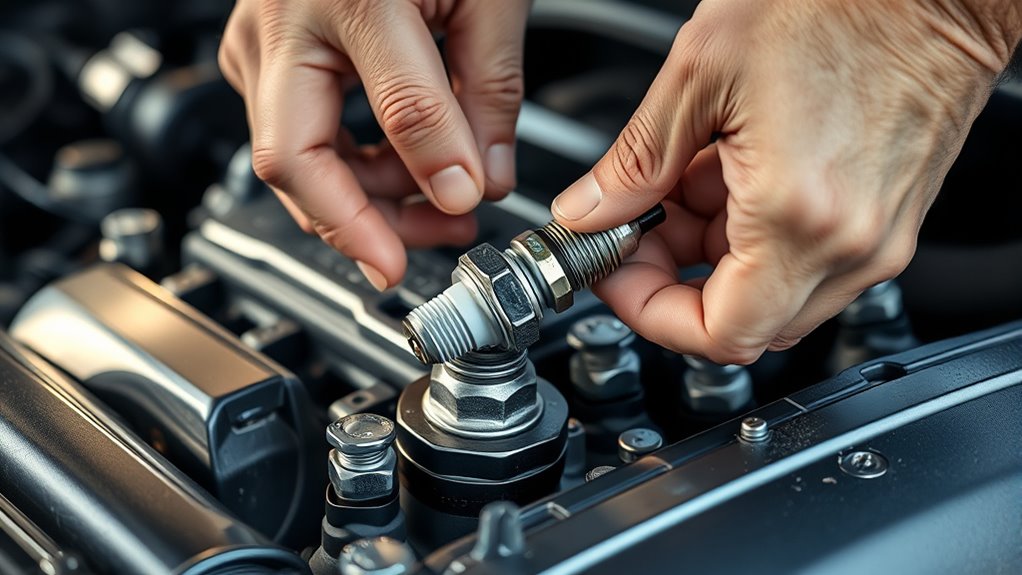
How Long Does It Take to Change Spark Plugs? Quick Guide
Are you tired of feeling overwhelmed every time you hear about changing your spark plugs? You’re not alone. Many people struggle with knowing how long the job should take or where to start.
If you’re worried about spending hours under the hood or making costly mistakes, don’t worry — changing spark plugs is simpler than you think.
Changing spark plugs usually takes about 30 minutes to an hour, depending on your vehicle’s design and how experienced you are.
Factors like accessibility, engine complexity, and tools needed can speed up or slow down the process.
Preparing properly and using the right tools helps you work faster and safer.
Curious about step-by-step tips or signs your spark plugs need replacing? Keep going to uncover all the details to make your job easier.
Key Takeaways
- Replacing spark plugs usually takes about 30 minutes to an hour.
- How long it takes really depends on your engine’s design and how easy it is to access the plugs.
- If you’re well-prepared and have the right tools, you might get it done in around 30 minutes.
- But if some plugs are stuck or hard to reach, the job could take longer than an hour.
- Following a regular maintenance schedule and using the proper tools can help you do the job more efficiently.
How Long Does a Spark Plug Replacement Usually Take?
Wondering how long it usually takes to replace spark plugs? The process typically takes about 30 minutes to an hour, depending on your experience and your vehicle’s design.
Spark plug lifespan varies, but most last between 30,000 and 100,000 miles. How often you need to replace them depends on the type of plugs you use and your driving habits.
If you’re using traditional copper plugs, expect to change them more often. Iridium or platinum plugs tend to last longer, so they don’t need replacing as frequently.
Checking your owner’s manual regularly helps you stay on top of the recommended replacement intervals. The time needed also depends on how accessible the spark plugs are.
Some engines require removing covers or other parts to get to the plugs. With the right tools and basic know-how, you can often do the job in less than an hour.
What Factors Affect How Long Spark Plug Replacement Takes
Several key factors influence how long a spark plug replacement takes, with accessibility being one of the biggest. If your engine design makes spark plugs easy to reach, the job gets done faster. On the other hand, complex layouts or tight spaces can slow you down.
The type of spark plug also matters. Some, like iridium or platinum, may require special tools or techniques, which can affect how long the process takes. Engine performance can play a role too—high-performance engines often have more parts blocking access.
Additionally, the overall engine design impacts the difficulty. Compact engines tend to be trickier, while spacious layouts make the job simpler. The tools needed can add time, especially if you need specialized equipment for certain spark plugs.
Prepare Your Vehicle Before Replacing Spark Plugs
Before you dive into replacing your spark plugs, it’s a good idea to check your engine oil level first. This way, you can prevent any unexpected issues while you’re working on your car. Also, take a quick look at your ignition system—making sure everything looks good can help avoid any surprises during installation or afterward.
And don’t forget to gather all the tools you’ll need before you start. Having everything ready to go will make the process smoother, safer, and a lot less stressful.
Check Engine Oil Level
Start by checking your engine oil level to make sure your vehicle is ready for spark plug replacement. Verify that the oil is at the correct level and inspect its condition. If it looks dirty or gritty, it’s a good idea to change it beforehand because fresh oil helps protect engine parts during maintenance.
Also, check the oil’s viscosity to ensure it matches your vehicle’s specifications, especially if you use synthetic oil or oil with specific additives.
Here’s what to do:
- Remove the dipstick, wipe it clean, and reinsert it for an accurate reading.
- Check for oil additives that might cause sludge or buildup, which can affect engine performance.
- Top off with the recommended oil type if levels are low, so your engine stays lubricated and ready for spark plug replacement.
Inspect Ignition System
Inspecting your ignition system is a key step to ensure your vehicle runs smoothly after replacing the spark plugs. Start by checking the ignition timing to make sure it’s correctly aligned, because wrong timing can cause misfires or rough idling.
Next, look at the ignition coils and spark plug wires for signs of wear or damage. Replace any parts that seem faulty. Also, confirm you’re using the right spark plug type for your vehicle, whether it’s standard, iridium, or platinum, since each affects performance differently.
Check for corrosion or carbon buildup around the ignition system components, as these can interfere with spark delivery. Making sure these parts are in good shape helps optimize spark plug performance and extends their lifespan.
Doing this thorough inspection can prevent issues and keep your engine running efficiently after the spark plug change.
Gather Necessary Tools
Gathering the right tools is essential to ensure a smooth and efficient spark plug replacement process. Before you start, identify your vehicle’s spark plug types, as this will influence the tools you’ll need.
Proper preparation helps you avoid wasting time searching for items mid-job. Here’s what you should gather:
- A spark plug socket and ratchet, specifically designed for your spark plug sizes and types.
- A torque wrench to tighten the new plugs to the manufacturer’s specifications and follow maintenance tips.
- A spark plug gap tool, which is necessary for checking and adjusting the gap for peak performance.
Having these tools ready helps you avoid delays and ensures a professional-level job. Knowing your spark plug types and following maintenance tips makes the process smoother and more successful.
Tools Needed for a Quick Spark Plug Replacement
To swap out your spark plugs quickly and easily, you’ll want to gather a few handy tools first. A good socket wrench and a spark plug socket are must-haves for the job.
Depending on your car, you might also need some specialty tools like a torque wrench to get the right tightness or extension bars to reach those hard-to-access plugs. Having all the right tools ready makes the whole process smoother and saves you time.
Essential Hand Tools
You’ll need a few essential hand tools to make quick work of replacing your spark plugs. First, a spark plug socket is vital—pick one that fits your spark plug types perfectly.
Second, a ratchet wrench helps loosen and tighten the plugs efficiently. Third, a torque wrench guarantees you meet the proper torque specs, preventing over-tightening or under-tightening, which can damage the threads or cause misfires.
Having these tools ready makes the job smoother, especially if you’re aware of your vehicle’s specific spark plug types and torque requirements. Using the right tools prevents damage and makes the process safer and faster.
With these essentials, you’ll be well-equipped to replace your spark plugs confidently and correctly.
Specialty Tools Needed
Specialty tools can make quick work of spark plug replacement by simplifying access and ensuring proper installation. Two essential tools are specialty wrenches and spark plug sockets.
Specialty wrenches are designed to reach tight spaces and remove stubborn plugs without damaging surrounding components. Spark plug sockets are deeper than standard sockets and often have rubber inserts to grip the plug securely, preventing stripping or cross-threading.
Using these specialized tools helps you work efficiently and reduces the risk of damaging your spark plugs or engine. While you can often get by with basic hand tools, investing in quality specialty wrenches and spark plug sockets makes the job faster, cleaner, and safer.
These tools are worth having in your automotive toolkit for quick, reliable spark plug changes.
Step-by-Step: How to Replace Spark Plugs in 30 Minutes or Less
Replacing spark plugs quickly and efficiently is all about preparation and following the right steps. First, gather the correct spark plug types for your vehicle, considering your ignition timing and engine specifications. This guarantees peak performance and avoids unnecessary adjustments.
Next, follow these steps:
- Disconnect the battery to prevent accidental sparks.
- Remove the ignition coils or wires from the spark plugs, noting their positions.
- Use a spark plug socket to unscrew and remove each plug, then check their condition and gap if needed.
Install the new spark plugs by hand to prevent cross-threading, then tighten them with a torque wrench to match your vehicle’s specifications. Reattach ignition coils or wires, reconnect the battery, and start the engine to verify proper ignition timing. With these steps, you can complete the job in 30 minutes or less, saving time and ensuring your engine runs smoothly.
Common Challenges During Spark Plug Replacement and How to Fix Them
Sometimes, spark plugs can get stuck or seized, making them pretty tough to remove. Without the right tools or knowing the tricks, it can be a real headache. You might also run into problems like damaged threads or insulators, which can make installing new plugs a lot trickier than it should be. Plus, getting to some of those plugs isn’t always easy — you might need a bit of patience and careful maneuvering to avoid causing any damage.
Stuck or Seized Plugs
One common challenge when changing spark plugs is dealing with stuck or seized plugs, which can be frustrating and time-consuming. To handle this, start by applying lubrication techniques like penetrating oil around the spark plug threads. Wait at least 10-15 minutes to let it soak in.
Then, consider these steps: Use a spark plug socket with a rubber insert for a secure grip during removal. Gently apply steady, even force—avoid twisting aggressively to prevent damage. If the plug refuses to budge, reapply lubrication and wait longer before trying again.
This process helps loosen seized plugs and makes removal smoother. Patience, combined with proper lubrication, saves you time and reduces the risk of damaging your engine components.
Damaged Threads or Insulators
When removing spark plugs, you’re likely to encounter damaged threads or insulators, which can make the job more difficult. Damaged threads might cause cross-threading or stripping, making removal and replacement tricky.
Insulator damage can lead to poor engine performance or misfires. To fix damaged threads, a thread repair kit can restore the proper fit and seal. If the insulator has cracks or degraded, replacing it might be necessary.
| Issue | Solution | Result |
|---|---|---|
| Damaged threads | Thread repair | Secure, proper fit |
| Cracked insulator | Insulator replacement | Better insulation, performance |
| Stripped threads | Thread repair or re-tapping | Restored thread integrity |
Difficulty Accessing Components
Accessing spark plugs can often be challenging because engine components and tight spaces make removal difficult. The layout of components varies between vehicles, which affects how easy it is to reach the spark plugs.
To get around this, try removing obstructions like engine covers or air intake parts carefully. This creates more space to work with.
Using the right tools, such as a swivel socket or extension, can help you reach those hard-to-access plugs without damaging surrounding parts.
Check your vehicle’s manual to understand your engine layout. It can help you find the best approach for your specific model.
Knowing the component layout helps you plan your work more efficiently. Patience and the right tools make accessing stubborn spark plugs much easier, saving you time and frustration.
Pro Tips to Replace Spark Plugs Faster and Safely
To replace spark plugs quickly and safely, having the right tools and a clear plan is key. Start by making sure you know the correct spark plug types for your vehicle, since using the wrong ones can cause problems.
Knowing when to replace your spark plugs is just as important. Following the recommended schedule helps avoid engine issues and keeps your car running at its best.
Here’s a quick tip table to remember:
| Tip | Description |
|---|---|
| Use the right tools | Grab a socket wrench, spark plug socket, and extension for easy access. |
| Work in a clean area | Keep dirt out of the engine to prevent damage. |
| Follow torque specs | Tighten the plugs to the manufacturer’s recommended settings to avoid damage. |
How to Know When Your Spark Plugs Need Replacing
Ever wonder how to tell if your spark plugs are due for a change? Recognizing the right time depends on understanding your spark plug’s lifespan and performance signs.
Over time, spark plugs wear out, which can cause reduced efficiency. Here are some key signs to keep an eye on:
- Poor acceleration or sluggish engine response. If your car feels underpowered, your spark plugs might be failing.
- Rough idling or misfires. Inconsistent engine operation suggests worn-out spark plugs.
- Reduced fuel economy. If you’re filling up more often, it could be due to inefficient combustion from old spark plugs.
These symptoms often show up before complete failure, so pay attention. Regular checks and knowing the typical lifespan of your spark plugs can save you time and money.
If you notice any of these signs, it’s a good idea to inspect or replace your spark plugs promptly.
Should You Do It Yourself or Hire a Mechanic?
Deciding whether to replace your spark plugs yourself or hire a mechanic depends on your experience, tools, and comfort level with car maintenance.
DIY benefits include saving money, learning more about your vehicle, and completing the job at your own pace. If you’re comfortable working with engine parts and have the necessary tools, tackling the task yourself can be rewarding.
However, a professional mechanic offers expertise, ensuring the job is done correctly and efficiently, especially if your vehicle has complicated access points.
When comparing costs, DIY typically costs less since you only pay for parts and tools, while hiring a mechanic involves labor charges that can add up.
If you’re new to car maintenance, consider your confidence and whether you’re willing to invest time and effort. For those comfortable with basic repairs, doing it yourself can be a cost-effective and satisfying choice.
Otherwise, hiring a mechanic might be the safer, more convenient option.
Maintaining Your Spark Plugs for Longer Service Life
Once you’ve successfully replaced your spark plugs, maintaining them becomes key to making them last longer and perform better. Good spark plug care involves a few simple practices.
First, regularly check for signs of wear or carbon buildup and clean or replace them as needed. Second, make sure your engine runs smoothly—misfires or rough idling can shorten spark plug life.
Regularly inspect and clean spark plugs, and ensure smooth engine operation for longer-lasting performance.
Third, follow the manufacturer’s recommended spark plug gap and torque settings when installing. These tips help prevent premature failure and keep your engine running optimally.
To extend your spark plugs’ service life, consider using high-quality spark plugs suited for your vehicle. Regular maintenance not only boosts fuel efficiency but also saves you money on replacements in the long run.
Frequently Asked Questions
Can Replacing Spark Plugs Improve My Vehicle’s Fuel Efficiency?
Replacing spark plugs can definitely improve your vehicle’s fuel efficiency. Spark plug benefits include better combustion, which boosts fuel performance and helps your engine run smoother.
When you upgrade to new, well-maintained spark plugs, you’ll notice improved acceleration and lower fuel consumption. Regularly changing your spark plugs guarantees peak engine function, saving you money on fuel and reducing emissions.
How Often Should Spark Plugs Be Replaced in Modern Engines?
You should replace spark plugs every 60,000 to 100,000 miles, depending on your engine. Studies show that worn spark plugs can reduce engine performance by up to 30%.
The lifespan of spark plugs varies based on the type and vehicle. Keeping up with timely replacements helps your engine run smoothly.
Regular changes prevent misfires, improve fuel efficiency, and ensure peak engine performance for years to come.
Are There Specific Signs That Indicate Spark Plugs Need Immediate Replacement?
Yes, there are specific signs that tell you when spark plugs need to be replaced immediately. You might notice your engine misfiring or idling roughly.
A drop in fuel efficiency is also a common indicator. These issues directly affect how your engine runs, so it’s important to take action quickly.
If you feel a loss of power or have trouble starting your vehicle, it’s a clear sign that your spark plugs might be worn out. Replacing them can help restore your engine’s best performance.
Is It Necessary to Replace Spark Plug Wires or Coils During a Spark Plug Change?
You don’t always need to replace spark plug wires or coils when changing spark plugs, but it’s a good idea to inspect them for wear.
Since spark plug longevity varies, check for cracks, corrosion, or damage. Replacing worn wires or coils during ignition system maintenance guarantees peak performance and helps prevent future issues.
If they’re showing signs of deterioration, replacing them alongside spark plugs keeps your engine running smoothly and efficiently.
What Are the Risks of Delaying Spark Plug Replacement?
Delaying spark plug replacement risks causing your spark plugs to fail. This can lead to engine misfires, lower fuel efficiency, and higher emissions.
Over time, worn spark plugs may make your vehicle accelerate poorly and become hard to start. Ignoring these signs can lead to more serious engine damage and costly repairs.
To keep your engine running smoothly and avoid these issues, replace your spark plugs promptly when you notice signs of wear or misfiring.
Conclusion
Now that you know the quick, quality steps to swap spark plugs, you’re well on your way to smoother starts and better mileage. With a little preparation and patience, you can confidently tackle this simple service.
Remember, regular checks and timely replacements keep your car cruising comfortably. Changing spark plugs doesn’t have to take long—most jobs are done in about an hour or less.
So, seize the spark, stay swift, and enjoy a smoother, more spirited drive every time you start your engine with fresh spark plugs.