How Often to Change Brake Pads
Many drivers find themselves wondering when it’s time to change their brake pads. It can be confusing, especially with so many factors at play. You’re not alone; figuring out the right timing can be tricky.
You should replace your brake pads every 25,000 to 70,000 miles, but this depends on your driving habits and the type of pads you use. Softer or organic pads tend to wear out faster, especially in city driving.
Signs like squealing or reduced braking power indicate it’s time for a change.
Regular inspections and gentle driving can help extend their lifespan.
To learn more about spotting wear signs and prolonging brake life, keep exploring.
Key Takeaways
- Typically, you should replace brake pads every 25,000 to 70,000 miles. The exact timing depends on your driving habits and the type of material used.
- Regular inspections are a good idea, especially if you notice squealing sounds, reduced braking power, or if the brake pedal feels harder to press.
- Softer brake materials like organic pads tend to wear out faster and might need more frequent replacements.
- If you tend to drive aggressively, do a lot of hard braking, or spend a lot of time in city traffic, your brake pads will probably wear out sooner.
- Always replace brake pads when you see signs of wear, such as squealing or if the pads look thin. Doing so keeps you safe and helps prevent damage to your rotors.
How Do Brake Pads Wear Over Time and Why Does It Matter?
Brake pads gradually wear down as you drive, and understanding this process is key for safe vehicle operation. The materials your brake pads are made of—like ceramic, semi-metallic, or organic compounds—affect how they wear and how long they last.
Brake pad wear depends on material type, influencing lifespan and safety during your driving.
As you brake, friction between the pad and rotor causes gradual material loss, creating specific wear patterns. Even wear means the pads are working properly, while uneven wear can signal issues like misalignment or caliper problems.
Recognizing these wear patterns helps you know when to replace the pads before they become unsafe. Different materials wear at different rates; for example, ceramic pads tend to last longer than organic ones.
Monitoring how your brake pads wear over time is crucial because worn pads reduce braking effectiveness, increase stopping distances, and can damage rotors. Staying aware of wear patterns ensures you maintain peak braking performance and safety.
Signs Your Brake Pads Need Replacing
If your brake pads are getting worn out, you’ll probably hear a squealing or screeching sound every time you press the brake. It’s one of those telltale signs that it might be time to check things out.
You might also notice that your braking isn’t as strong as it used to be, or maybe you see some visual signs like wear indicators on the pads themselves. Catching these signs early can really save you from bigger, more expensive brake issues later on.
Squealing or Screeching Noise
A high-pitched squeal or screech when you press the brakes is a clear sign that your brake pads might need replacing. This noise often comes from worn brake pads with a built-in wear indicator.
When your pads get thin, metal touches metal, creating that sharp sound. Ignoring this noise can cause more damage and make your brakes less safe.
To keep things in check, regularly inspect your brake pads and listen for any unusual sounds. Maintenance tips include checking brake components and swapping out pads before they’re completely worn.
If you hear squealing, don’t wait—your car is warning you of a potential problem. Acting quickly can save you money and help ensure your brakes work reliably when you need them most.
Reduced Braking Power
You may notice your vehicle takes longer to stop or needs more pressure on the pedal than before. This reduced braking power can mean your brake pads might be worn out.
You might experience brake fade, where heat temporarily lowers braking performance, or see ongoing performance decline. These issues happen when brake pads lose their ability to create enough friction.
Watch out for longer stopping distances, a soft or spongy brake pedal, increased pedal effort, uneven braking response, or needing to press harder on the pedal more often.
If you notice any of these signs, it’s a good sign your brake pads need replacing. Addressing this early helps keep your braking system working properly and keeps you safe.
Visual Wear Indicators
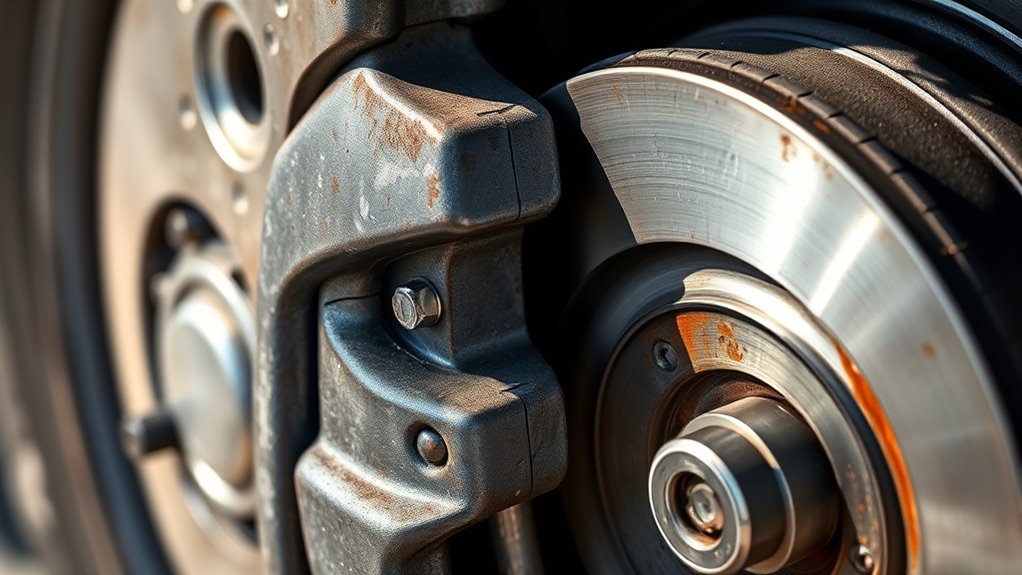
One of the clearest signs your brake pads need replacing is the presence of visual wear indicators. These small metal tabs act as visual cues, warning you when your pads are getting thin.
When the brake pad material gets close to the indicator, it either squeals or creates a noticeable ridge on the pad’s edge. Regularly inspecting your brake components is essential because ignoring these cues can lead to decreased braking power and more costly repairs.
Recognizing these indicators highlights the importance of timely brake pad replacement. If you see the metal tab touching the rotor or notice a thin layer of pad left, it’s time to get them replaced.
Staying attentive to visual wear indicators helps ensure your safety and extends your brake system’s lifespan.
How Often Do Manufacturers Recommend Replacing Brake Pads?
How often do manufacturers recommend replacing brake pads? Generally, they suggest replacing them every 25,000 to 70,000 miles, but this can vary based on the brake pad lifespan and your driving habits. Always check your owner’s manual for specific guidelines for your vehicle.
Keep in mind that softer brake pad materials tend to wear out faster. Heavy city driving can also shorten their lifespan, so if you’re frequently stopping and going, your pads might need replacing sooner.
If you tend to brake aggressively or drive a lot in stop-and-go traffic, your brake pads will wear out faster. Regular inspections are important, even if you’re within the suggested mileage, to ensure safety and peak performance.
What Factors Affect Brake Pad Lifespan?
Your driving habits really make a difference. If you tend to brake suddenly all the time or accelerate aggressively, your brake pads are going to wear out faster. So, smoother driving can actually help extend their lifespan.
The type of brake material is also a big factor. Some materials, like ceramic, last longer than others, such as semi-metallic or organic pads. Plus, the weight of your vehicle matters too—heavier cars put more strain on the brakes, which can lead to quicker wear.
Getting to know these factors can help you keep an eye on your brake pads and know when it’s time for a replacement. It’s all about understanding what affects their lifespan so you can stay safe on the road.
Driving Habits Impact Durability
Driving habits play a significant role in determining how quickly brake pads wear out. Your approach to driving speed and brake pad maintenance can either extend or shorten their lifespan.
Aggressive braking, rapid acceleration, and frequent stop-and-go traffic wear out brake pads faster. On the other hand, gentle braking and anticipating stops put less stress on your brakes.
To get the most durability out of your brake pads, try driving at moderate speeds to reduce strain. Anticipate traffic flow to avoid sudden stops whenever possible.
Use engine braking when you can, and practice smooth, gradual braking. Regularly inspect and maintain your braking system to keep everything in good shape.
Brake Material Differences
The type of brake material really affects how long your brake pads last. Ceramic pads are known for being durable, heat-resistant, and quiet, but they tend to cost more.
Metallic pads offer excellent performance, especially in high-heat situations. They’re often preferred for heavy-duty driving, though they can be noisier.
Organic pads are budget-friendly and easy to install, making them popular for everyday driving. However, they wear out faster and produce more brake dust.
Hybrid options combine different materials to balance performance, cost, and environmental impact. When choosing, think about heat resistance, noise levels, and how easy they are to install.
Your choice influences not just how long your brakes last but also the cost, maintenance needs, and overall driving comfort.
Vehicle Weight and Load
A heavier vehicle or carrying a full load puts more stress on your brake pads, causing them to wear out faster. This increased weight makes your brake pad materials work harder during stops, which speeds up wear.
Frequent driving with heavy loads or towing can shorten your brake pad lifespan quite a bit. To keep things in check, you should:
- Regularly check your brake pads for wear
- Choose brake pads made from durable materials suited for heavy loads
- Adjust your driving habits, like braking earlier
- Avoid aggressive braking whenever possible
- Schedule more regular brake maintenance
Understanding how your vehicle’s weight affects brake pad wear helps you plan for timely replacements, keeping you safe and maintaining good braking performance. Being mindful of your load and usage patterns can really help extend the life of your brake pads.
Driving Habits That Speed Up Brake Pad Wear
Frequent hard braking or rapid acceleration can quickly wear out your brake pads. Your braking habits really matter—slamming the brakes or riding them unnecessarily speeds up the wear.
Hard braking and aggressive driving quickly wear out brake pads. Drive smoothly to extend their lifespan.
Traffic often forces you into sudden stops, especially in congestion or stop-and-go traffic, which can wear down your pads faster. Rough or uneven roads also make braking harder, putting extra stress on your brake system.
Poor vehicle maintenance, like worn brake fluid or misaligned brakes, can speed up pad deterioration. To make your brake pads last longer, try to brake gently and anticipate stops to avoid abrupt braking.
Keep your vehicle well-maintained to ensure your braking system is in good shape. Being aware of traffic and road conditions helps you avoid unnecessary strain on your brakes, saving you money and keeping you safe.
Regular maintenance supports your efforts to reduce brake pad wear over time.
Which Types of Brake Pads Last Longer?
The lifespan of brake pads really depends on what they’re made of and how you drive. For example, ceramic and semi-metallic brake pads generally last longer when you’re driving normally. They’re built to handle regular stopping without wearing out too quickly.
But it’s not just about the material — your driving habits play a big role too. If you tend to brake hard or ride the brakes a lot, your brake pads might wear out faster, no matter what they’re made of. So, taking it easy on the brakes and driving smoothly can help extend their life.
Material Durability and Wear
Different brake pad materials vary a lot in how long they last under normal driving conditions. The material you choose directly affects durability, especially when considering environmental factors like heat, moisture, and road debris. Some materials are designed to last longer, while others focus on performance or cost.
Semi-metallic pads tend to last longer but can be noisier. Ceramic pads usually offer excellent wear resistance and operate more quietly. Organic or non-asbestos organic (NAO) pads wear faster but provide smoother braking.
Low-metallic pads strike a balance between durability and performance but may produce more dust. High-performance pads prioritize stopping power, sometimes at the expense of lifespan. Understanding how the material interacts with environmental factors can help you decide when to replace your brake pads for safety and efficiency.
Driving Habits Impact
Your driving habits really influence how long your brake pads last, no matter what material they’re made of. Gentle braking reduces stress on the pads and helps prevent early wear.
If you often brake hard or suddenly, your brake pads will wear out faster. City driving with lots of stops and starts speeds up brake wear, especially if you’re not anticipating traffic flow.
To make your brake pads last longer, try to coast when possible and avoid harsh braking. Using engine braking on downhill slopes also helps save your brake pads.
Smart driving habits, like keeping a safe following distance and predicting stops, can significantly slow down pad deterioration. In the end, smooth driving and mindful braking are key to extending your brake pad life.
Should You Follow a Fixed Schedule or Replace When You Notice Signs?
Deciding whether to follow a fixed schedule or replace brake pads only when you notice signs depends on your driving habits and vehicle use. If you want peace of mind, sticking to fixed intervals based on the manufacturer’s recommendations ensures regular wear checks and helps prevent surprises.
But if you drive gently or rarely use your car, waiting for signs of wear might be enough. Keep in mind that regular inspections can catch issues early and make maintenance easier.
Fixed intervals can also make planning your maintenance simpler. On the other hand, signs like squealing or reduced braking power mean it’s time for a replacement. Wear can vary depending on your driving style, so stay attentive.
Ultimately, choosing between scheduled replacements or reacting to signs depends on your comfort level and driving conditions. Regular inspections and paying attention to warning signs help keep your brakes in top shape without unnecessary replacements.
How to Check Your Brake Pads Safely at Home
Checking your brake pads at home is pretty simple and can help you spot wear early, keeping your brakes in good shape. To do a safe inspection, park your car on a flat surface, turn off the engine, and set the parking brake.
Use a flashlight to peek through the wheel spokes, or remove the wheel if needed. Look at the brake pad thickness—ideally, they should be at least a quarter-inch thick.
If the pad lining looks thin or worn down to the metal, it’s probably time to replace them. Always wear gloves and eye protection for safety. Be careful around hot brake parts if you’ve recently driven.
Regular visual checks can help you catch issues early, saving money and making sure your brakes stay reliable. And if you’re unsure about anything, it’s always best to consult a professional.
What Are the Risks of Ignoring Worn Brake Pads?
Ignoring worn brake pads can lead to serious safety hazards because the braking system becomes less effective and more prone to failure. When you don’t replace them, your brake pads can thin to the point where brake failure is likely, putting you at risk of accidents and injuries. The risks include:
Ignoring worn brake pads increases safety risks and can lead to costly, dangerous brake failures.
- Increased stopping distances, which make it harder to stop quickly in emergencies
- Damage to rotors, leading to expensive repairs
- Loss of brake responsiveness, which compromises safety
- Complete brake failure, risking loss of control
- Higher repair costs due to neglected maintenance
Ignoring these warning signs can put you and others in serious danger. Brake failure caused by worn pads isn’t just inconvenient; it’s dangerous. Regular inspections and timely replacements are essential for safety and to avoid costly repairs. Don’t wait until it’s too late—stay proactive with your brake system so your vehicle performs reliably when you need it most.
Tips to Extend the Life of Your Brake Pads
To get the most life out of your brake pads, regular maintenance and mindful driving habits are key. Start by scheduling routine brake inspections to catch wear early.
Avoid aggressive driving, like hard braking and rapid acceleration, since these habits wear out pads faster. Instead, anticipate stops and ease off the gas for smoother braking.
Keep your brake system clean and make sure brake fluid levels are topped up to support proper brake function. When driving in hilly or mountainous areas, use engine braking to reduce strain on your brake pads.
Also, consider your driving environment. Avoid heavy braking in stop-and-go traffic whenever possible, as this can help extend your pads’ lifespan.
Following these tips can prevent premature wear, save you money, and keep your brakes reliable longer. Regular attention to your brake system is the best way to maximize their lifespan.
Frequently Asked Questions
Can Aggressive Driving Significantly Shorten Brake Pad Lifespan?
Aggressive driving can really cut down your brake pad lifespan, especially if you’re always slamming on the brakes or driving at high speeds. Your driving style, along with the type of brake pads—like ceramic or organic—plays a big role.
Ceramic pads tend to last longer under aggressive driving, but all pads wear faster when you brake hard often. To make them last longer, try to brake smoothly and gradually whenever you can.
Are There Specific Brake Pads Better for High-Performance Vehicles?
For high-performance vehicles, ceramic pads are a great choice because they’re quieter, produce less dust, and handle heat better.
Metallic pads, on the other hand, give you stronger stopping power and tend to last longer under tough conditions.
Choose based on your driving style and needs—if you want smooth, quiet braking, go with ceramic.
If you need maximum performance and durability, metallic pads are the way to go.
How Does Weather Affect Brake Pad Wear?
Weather conditions act like a double-edged sword, speeding up or slowing down brake pad wear. In wet, icy, or snowy weather, moisture and cold temperatures cause brake pads to wear faster, especially if your brake pad materials aren’t suited for such conditions.
Hot weather can also cause pads to overheat, which reduces their lifespan. Regularly check your brake pads and choose materials designed for your climate to keep braking smooth and safe.
What Is the Average Cost to Replace Brake Pads?
On average, replacing brake pads costs between $150 and $300 per axle, depending on your vehicle and brake pad materials. Premium options like ceramic or semi-metallic pads tend to be more expensive but last longer.
To save money, follow maintenance tips such as regular inspections and listening for squealing sounds. Proper care can extend brake pad life and help you avoid frequent replacements.
Do Electric Vehicles Require Different Brake Pad Maintenance?
Electric vehicles usually need less brake pad maintenance because their regenerative braking system helps slow the car down. This reduces wear on the brake pads, so they tend to last longer.
Battery regeneration converts kinetic energy into electricity to recharge the battery instead of relying only on traditional brake pads. Still, it’s important to check brake pad condition regularly.
Some components may need replacement over time to keep your vehicle safe and performing well. So, even with less brake wear, regular maintenance is still a good idea.
Conclusion
Keeping an eye on your brake pads is like tending a delicate garden—regular checks and timely replacements guarantee smooth stops and safety.
Don’t wait until they’re worn down completely or squealing loudly. Instead, stay proactive about their condition.
By understanding signs of wear and what affects their lifespan, you’ll keep your vehicle in top shape.
Think of it like a knight maintaining their armor before a joust. Stay vigilant, and your brakes will serve you reliably for miles to come.
Knowing how often to change brake pads helps you stay safe and avoid costly repairs down the road.