Why Your Engine Spits and Sputters When Accelerating: Causes and Solutions
If your engine spits and sputters when accelerating, you’re not alone. Many drivers struggle with this frustrating issue, and it can really disrupt your drive.
Luckily, there are straightforward causes and solutions that can help you get back to smooth sailing.
If your engine spits and sputters when accelerating, it could be caused by a variety of issues such as poor-quality fuel, clogged fuel injectors, or ignition problems like worn spark plugs or faulty coils.
Air leaks, vacuum issues, or exhaust leaks can also disrupt airflow and cause rough running.
Addressing these problems promptly can restore smooth performance.
Keep going to find out more about diagnosing and fixing these common causes to keep your engine running smoothly.
Key Takeaways
- Poor fuel quality or clogged injectors can disrupt proper combustion, leading to sputtering when you accelerate.
- Issues with the ignition system, like worn spark plugs or faulty coils, can cause misfires and make the engine hesitate.
- Air intake leaks or cracks in vacuum hoses introduce unmetered air, which throws off smooth engine performance.
- Faulty sensors, such as the oxygen sensor or MAF sensor, send incorrect data, resulting in engine misfires and sputtering.
- Regular maintenance like cleaning the fuel system and calibrating sensors can help prevent and fix acceleration sputtering problems.
Why Is Your Engine Spitting and Sputtering When You Accelerate?
Have you ever noticed your engine sputtering or spitting when you try to accelerate? This often happens when there’s an issue with fuel quality or engine timing.
Poor-quality fuel can cause inconsistent combustion, leading to rough performance and hesitation during acceleration. If the fuel has impurities or is old, your engine struggles to burn it efficiently, resulting in sputtering.
Poor-quality fuel causes uneven combustion, leading to engine roughness and hesitation during acceleration.
Engine timing is also a key factor. If it’s off—either too advanced or too retarded—the spark plugs fire at the wrong moment, disrupting proper combustion. This misfire can cause your engine to hesitate, spit, or sputter when you press the gas pedal.
Using good-quality fuel and keeping your engine timing in check can really help reduce these symptoms. Regular inspections and timely adjustments will keep your engine running smoothly and prevent that frustrating sputtering when you hit the gas.
How to Recognize Fuel Delivery Problems Causing Engine Sputtering
When your engine sputters during acceleration, fuel delivery issues could be the culprit. Recognizing these problems early can save you from costly repairs.
Watch for signs like engine stuttering or hesitating as you press the accelerator. You might also notice a sudden loss of power when you’re trying to speed up.
If your engine is difficult to start, especially after it warms up, that’s another red flag. Reduced fuel efficiency, meaning you’ll need to fill up more often, can also point to fuel delivery problems.
Unusual noises from the fuel pump or a clogged fuel filter are clues that something’s wrong. A failing fuel pump may struggle to deliver a steady fuel flow, while a clogged filter can cut off fuel supply completely.
Both issues cause inconsistent engine performance and sputtering. Regularly check for these signs and consider replacing your fuel filter or inspecting your fuel pump if needed.
Keeping up with proper maintenance helps ensure your fuel delivery system keeps your engine running smoothly.
Could Ignition System Issues Be Making Your Engine Misfire?
Is your engine misfiring? Sometimes, the culprit could be problems with the ignition system. Things like worn-out spark plugs or faulty ignition coils can mess with the spark that’s essential for proper combustion.
If you’re experiencing these misfires, it’s a good idea to check those components. Often, a quick inspection can help identify the issue and get your engine running smoothly again.
Spark Plug Problems
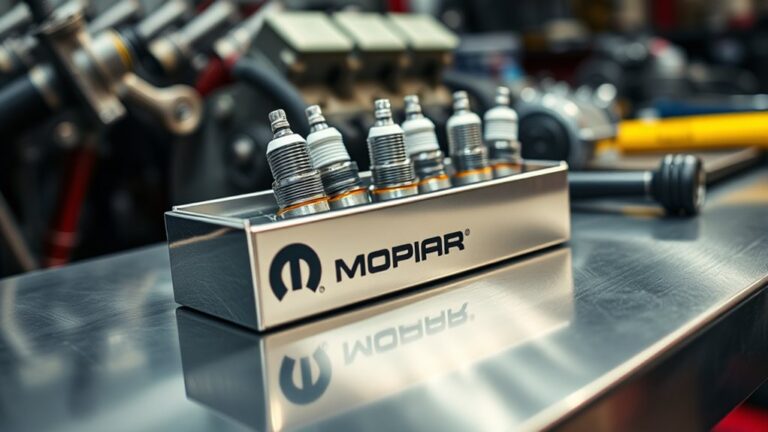
A misfiring engine often points to a spark plug issue because these small parts are crucial for igniting the air-fuel mixture inside your cylinders. Faulty or worn spark plugs can disrupt this process, making your engine sputter and lose power.
Different spark plug types—copper, platinum, or iridium—each have their own lifespan and performance traits, so choosing the right one really matters. Regular maintenance like inspecting for wear, fouling, or deposits helps keep everything running smoothly.
When spark plugs fail, you might notice rough idling, poor acceleration, or increased fuel consumption. Visual signs include carbon buildup on the tip, a cracked ceramic insulator, worn or eroded electrodes, corrosion on the terminal, or excessive gap widening.
Addressing these issues keeps your engine running reliably and prevents bigger problems down the road.
Faulty Ignition Coils
Faulty ignition coils can often be the hidden culprit behind engine misfires, especially when spark plugs look fine. There are different types of ignition coils—coil-on-plug, coil pack, and distributor coils—all of which deliver sparks to ignite the fuel.
When coil pack failures happen, your engine might sputter, hesitate, or stall during acceleration. Here’s a quick overview:
| Coil Type | Common Issue | Symptoms |
|---|---|---|
| Coil-on-plug | Cracks or corrosion | Misfires at high RPM |
| Coil pack | Coil failure | Rough idle, loss of power |
| Distributor coils | Wear and tear | Hesitation, engine sputters |
If your coil pack fails, replacing it restores proper firing, which helps eliminate engine sputters and improves acceleration.
How Air Intake Leaks and Vacuum Problems Lead to Rough Running
When air intake leaks and vacuum problems happen, your engine can start to run roughly or inconsistently. An air intake leak lets unmetered air into the system, messing up the air-fuel mixture. Vacuum leaks, usually from cracked hoses or gaskets, create too much air and confuse the engine’s sensors.
This often results in poor idling, hesitation, or sputtering when you accelerate. You might notice a high or fluctuating engine idle, erratic acceleration or a loss of power, or even a hissing sound coming from the engine bay. Increased fuel consumption and the check engine light coming on are also common signs.
These issues happen because the engine can’t control the air and fuel mixture properly. When vacuum leaks or air intake problems pop up, your engine struggles to maintain proper combustion. That’s what causes rough running. Fixing these leaks quickly helps restore smooth operation and prevents more damage down the line.
Signs Your Exhaust System Might Be Causing Engine Sputtering
If your engine is sputtering, it’s a good idea to keep an eye on your exhaust system. Sometimes, strange noises, leaks you can see, or a really strong exhaust smell can be clues that something’s not quite right.
Catching these signs early can really save you from bigger, more expensive problems later on. So, if anything seems off, it’s worth getting it checked out before things get worse.
Unusual Exhaust Noises
Unusual exhaust noises often serve as a loud warning that your engine might be sputtering due to exhaust system issues. These abnormal sounds can indicate problems that need quick engine diagnostics. You might notice:
- Loud knocking or banging sounds during acceleration
- Popping or backfire noises from the exhaust pipe
- Hissing or hissing-like leaks when idling
- Rumbling or deep growling sounds under acceleration
- High-pitched whistling indicating a leak or blockage
These strange noises can signal exhaust system problems like leaks, blockages, or damaged parts. Ignoring them can lead to more engine damage or reduced performance. If you hear any of these sounds, it’s important to do engine diagnostics quickly to find and fix the problem before it gets worse.
Visible Exhaust Leaks
Visible exhaust leaks are often easy to spot and can be a clear sign that your exhaust system is causing engine sputtering. If you notice cracks, holes, or rust around the exhaust pipes or muffler, it’s likely a leak.
These leaks can disrupt proper exhaust flow, leading to engine performance issues. Leak detection involves inspecting the exhaust system for visible damage or unusual soot buildup around joints and seams.
A leak can cause unburned gases to escape prematurely, which may trigger sputtering when accelerating. Addressing visible exhaust leaks promptly helps restore your engine’s efficiency and prevent further damage.
Regular inspections are key for early leak detection, ensuring your exhaust system functions correctly and keeps your engine running smoothly.
Strong Exhaust Smell
A strong exhaust smell inside or around your vehicle is a clear sign that something may be wrong with your exhaust system. This smell suggests exhaust fumes might be leaking, which can affect your engine’s efficiency and pose health risks.
You might notice the odor gets worse during acceleration or when idling. Common issues include a cracked exhaust manifold, damaged catalytic converter, faulty exhaust pipe connections, leaking gaskets or seals, or a rusted or broken muffler.
These problems can cause fumes to escape improperly, leading to a sharp, noticeable smell. Not only does this make driving uncomfortable, but it can also affect your engine’s performance, causing sputtering or misfires.
Addressing exhaust leaks quickly helps keep your engine running smoothly and ensures exhaust fumes stay safely contained.
Troubleshooting Faulty Sensors That Impact Engine Performance
Faulty sensors are a common cause of engine performance problems like sputtering or rough running. When sensors such as the MAF, oxygen, or throttle position sensors malfunction, they send wrong data to your vehicle’s engine control unit (ECU). This can lead to misfires or poor acceleration.
To troubleshoot, start with engine diagnostics to find out which sensors might be faulty. Sometimes, sensors just need a quick calibration to work properly again.
Here’s a quick guide:
| Sensor Type | Symptoms | Fix |
|---|---|---|
| Oxygen Sensor | Increased emissions, sputtering | Replace or calibrate |
| MAF Sensor | Rough idle, poor acceleration | Clean or replace |
| Throttle Position Sensor | Hesitation, stalling | Calibrate or replace |
Regularly inspecting and calibrating sensors helps ensure they send accurate data. This prevents engine issues and keeps your vehicle running smoothly.
When Should You Check Your Spark Plugs or Ignition Coils?
You’ll want to check your spark plugs or ignition coils if your engine starts acting up—like misfiring, stalling, or having a hard time starting. Have you noticed your engine running rough or maybe using more fuel than usual? Those are pretty clear signs that it might be time to take a closer look at these parts and see if they need some attention.
Signs of Spark Plug Issues
When your engine starts to sputter or hesitate during acceleration, it’s a clear sign that something may be wrong with your spark plugs or ignition coils. You should check for signs like rough idling, misfires, or a noticeable drop in fuel efficiency.
If your spark plug types aren’t firing properly, or if spark plug maintenance has been neglected, these issues can get worse. Look for warning signs like engine misfires or rough idling, difficulty starting the engine, and a sudden loss of power during acceleration.
You might also notice increased fuel consumption or visible wear or deposits on your spark plugs. Addressing spark plug issues early can prevent further damage and keep your engine running smoothly.
Regular spark plug maintenance helps ensure your spark plugs, no matter the type, perform at peak efficiency.
Ignition Coil Symptoms
Recognizing the symptoms of a failing ignition coil is important because it directly impacts your engine’s performance. If your engine sputters, misfires, or feels sluggish when you accelerate, it could be a sign your ignition coil is going bad.
Pay attention to common signs like rough idling, difficulty starting, or a noticeable drop in fuel efficiency. Ignition coils don’t last forever, and these issues tend to become more frequent as they near the end of their lifespan.
You should check your ignition coils if you notice repeated misfires or hesitation when accelerating. Problems with the ignition coil often resemble spark plug issues, so diagnosing early can save you from bigger repairs later.
Regular inspection and timely replacement help keep your engine running smoothly and prevent sudden breakdowns.
When To Inspect Components
Regularly inspecting your spark plugs and ignition coils is really important, especially if you’re noticing issues like misfires, rough idling, or trouble starting the engine.
Knowing when to check them depends on how long they typically last and your driving habits. Usually, you should inspect them:
- Every 30,000 miles or as your vehicle manufacturer recommends
- When your engine misfires or sputters during acceleration
- If your car has trouble starting on cold mornings
- After you notice increased fuel use or less power
- During regular maintenance or tune-ups
Keeping track of how often you inspect these parts can help avoid unexpected failures. Remember, ignition components usually last between 60,000 and 100,000 miles, so proactive checks can save you time and money.
How Dirty Fuel Injectors Cause Sputtering and How to Clean Them
Dirty fuel injectors often cause engine sputtering because they struggle to deliver the proper amount of fuel to your engine. When injectors become clogged or dirty, their performance drops, leading to inconsistent fuel spray and poor combustion. This can make your engine misfire or sputter, especially when you accelerate.
To fix this, fuel injector cleaning can restore proper flow and improve performance. You can add specialized fuel system cleaners to your tank, which help dissolve deposits and clean the injectors as you drive.
Alternatively, professional cleaning involves removing the injectors and using ultrasonic cleaning or pressurized solvents to thoroughly clear out buildup. Regular maintenance and cleaning help prevent deposits and keep your injectors working efficiently.
A Step-by-Step Guide to Diagnosing and Fixing Engine Sputtering
Diagnosing engine sputtering might seem complicated at first, but taking a step-by-step approach makes it easier to find the cause. Start by noting when the sputtering happens—during acceleration, steady cruising, or idling. This can give clues about what’s going on.
Next, check for warning lights on the dashboard that indicate engine issues. Then, inspect the spark plugs and wires for any signs of wear or damage, since bad ignition parts can cause sputtering.
Don’t forget to test the fuel system, including the fuel pump and filter, to make sure fuel is flowing properly. Using a scan tool to read error codes from the engine control unit (ECU) can also help pinpoint problems.
Finally, listen for unusual engine sounds or rough idling, as these can point to specific issues that need attention. Following these steps systematically can help you diagnose and fix the problem faster.
Preventative Maintenance Tips to Keep Your Engine Running Smoothly
To keep your engine running smoothly, staying on top of preventative maintenance is key. Regular engine care and routine checks help catch issues early and prevent sputtering or stuttering during acceleration.
Start by checking your oil levels and quality; clean oil ensures proper engine function. Inspect your air filter because a clogged filter restricts airflow and can lead to poor performance.
Additionally, examine your spark plugs for wear and replace them if needed, as they directly affect combustion.
| Maintenance Task | Frequency |
|---|---|
| Oil changes | Every 3,000 to 5,000 miles |
| Air filter checks | Every 12,000 miles or annually |
| Spark plug inspection | Every 30,000 miles |
| Fuel system cleaning | Every 30,000 miles |
Frequently Asked Questions
Can a Clogged Air Filter Cause Engine Sputtering During Acceleration?
Yes, a clogged air filter can cause engine sputtering during acceleration. When airflow is restricted because of a dirty filter, your engine has a tough time getting enough air.
This can lead to poor combustion and sputtering. Regular filter maintenance helps prevent this issue.
Make sure to check and replace your air filter as needed to ensure proper airflow. Doing so improves acceleration and keeps your engine running smoothly without sputtering or hesitation.
How Does Low Oil Pressure Affect Engine Performance and Sputtering?
Imagine you’re driving, and your engine sputters during acceleration. Low oil pressure can cause this by reducing oil flow, leading to increased friction and engine misfires.
When oil viscosity drops or the pressure gauge shows low readings, essential components don’t get proper lubrication. This hampers engine performance and causes sputtering.
Regularly check your oil pressure gauge and verify your oil is at the correct viscosity to keep your engine running smoothly.
Can a Failing Catalytic Converter Lead to Engine Misfires?
Yes, a failing catalytic converter can cause engine misfires. When it’s clogged or damaged, symptoms include reduced exhaust flow and increased backpressure, which can mess with engine performance.
You might notice rough idling, poor acceleration, or a decrease in power. These exhaust flow issues prevent proper combustion, leading to misfires.
Addressing catalytic converter problems quickly helps restore smooth engine operation and can prevent further damage.
What Role Do Faulty Engine Mounts Play in Engine Sputtering?
You might find it ironic that faulty engine mounts, which often go unnoticed, can cause engine sputtering. When mounts deteriorate, they fail to absorb engine vibrations properly.
This can lead to instability, making your engine sputter and misfire, especially when you accelerate. Deteriorated mounts allow too much movement, disrupting smooth engine operation.
How Does Ambient Temperature Influence Engine Sputtering Issues?
Ambient temperature affects engine sputtering because it influences fuel quality and ignition timing. In colder weather, fuel can vaporize poorly, leading to inconsistent combustion and sputtering during acceleration.
Hotter temperatures might cause fuel evaporation issues, disrupting the proper fuel-air mixture. You should check your fuel quality and ensure ignition timing is correctly set, especially during temperature fluctuations.
This helps keep your engine running smoothly and prevents sputtering.
Conclusion
So, next time your engine throws a tantrum and sputters like it’s auditioning for a horror movie, remember—it’s probably not haunted, just poorly maintained.
Don’t ignore those strange noises or shaky rides. Your car’s just trying to tell you it needs some love, not a séance.
With a little detective work and regular check-ups, you can keep your engine running smoothly—no ghostly surprises required.
Happy driving, and may your engine run forever without a sputtering fit!