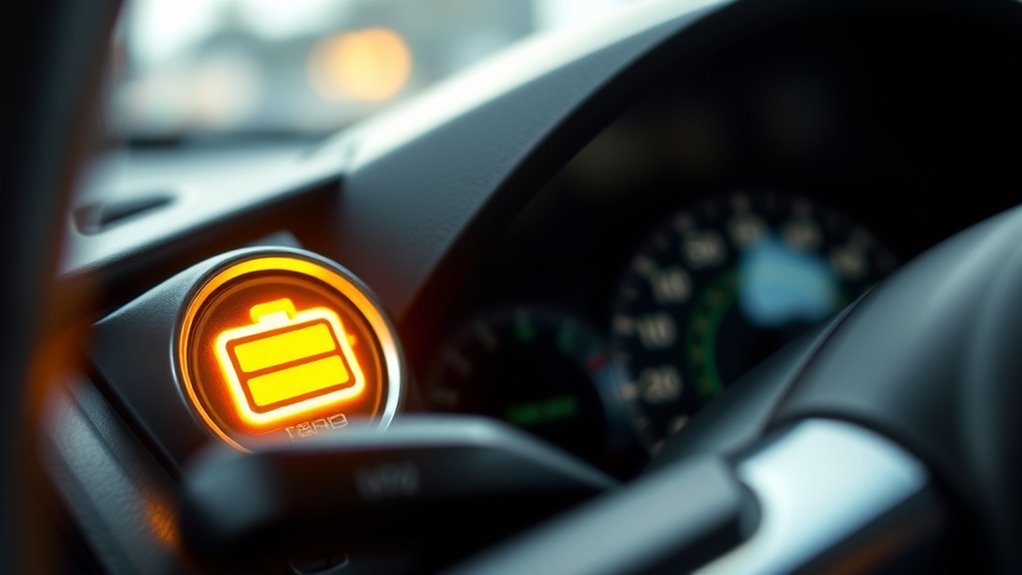
Why Your Car Dies While Driving: Causes & Solutions for Battery Light Coming On
Many drivers have experienced that stressful moment when their car suddenly stalls while you’re on the road. If you notice the battery light flickering, you’re not alone—this is a common issue many people struggle with.
If your car stalls while driving and the battery light flickers, it’s often due to electrical issues like a failing alternator or a bad battery. A worn alternator can’t keep up with electrical demands, causing the engine to die and flickering lights.
Loose or damaged wiring can also disrupt power flow.
Regular maintenance, testing, and early diagnostics can prevent these problems. Keeping an eye on your electrical system is key to avoiding unexpected breakdowns.
Keep going to uncover more ways to troubleshoot and fix your car’s electrical system effectively.
Key Takeaways
- A failing alternator can cause electrical power loss, which may lead to the engine stalling and the battery light flickering or coming on.
- Excessive electrical drain from damaged wiring or malfunctioning components can drain the battery, resulting in engine shutdowns.
- Weak or failing batteries might struggle to supply enough power, causing engine hesitation, stalling, and warning lights on the dashboard.
- Loose, corroded, or damaged wiring disrupts the electrical flow, leading to instability and possible engine stalls while you’re driving.
- Regular testing, maintenance, and quick repairs of electrical parts can help prevent sudden stalls and issues with the battery light.
Why Does My Car Stall While Driving and the Battery Light Flickers?
Have you noticed your car stalling unexpectedly while you’re driving, with the battery light flickering on the dashboard? This usually points to an issue with your vehicle’s electrical drain.
When electrical components draw too much power, it puts a strain on the alternator and battery. This can cause your engine to lose power or stall unexpectedly.
A flickering battery light is a sign that your car isn’t generating enough electrical energy to keep everything running smoothly. As the electrical system gets overwhelmed, engine performance can decline.
This situation can be pretty dangerous, especially on busy roads. Finding out what’s causing the electrical drain can help prevent stalls and keep your engine healthy.
Regular maintenance and quick diagnosis are essential. They help ensure your electrical system works properly and that your car runs reliably.
How Do Alternators Cause Car Stalls and Battery Issues?
Alternators are crucial for keeping your car’s electrical system running smoothly. But when they fail or develop problems, your vehicle might stall or have battery issues.
A failing alternator disrupts the flow of electricity, which can drain the battery and cause the engine to lose power. Poor voltage regulation, often from worn-out parts, can lead to fluctuations that damage electronics or make starting difficult.
When the alternator isn’t working properly, your car may stall unexpectedly, especially at low speeds or when idling. Knowing the common causes helps you spot issues early. The table below shows typical alternator problems linked to stalls and battery troubles:
| Problem | Cause | Effect |
|---|---|---|
| Alternator failure | Worn brushes or bearings | Battery drains, engine stalls |
| Voltage regulation issues | Faulty voltage regulator | Overcharging or undercharging |
| Belt slippage | Loose or worn belt | Insufficient power supply |
| Diode failure | Internal damage | Fluctuating electrical output |
| Corrosion or debris | Poor maintenance | Reduced alternator efficiency |
What Are the Signs of a Bad Battery That Can Lead to Stalling?
If your lights are dim or flickering, that’s often a sign your battery might be running low. You might also find it hard to start your engine, especially when the weather’s cold. These little signs can indicate a battery that’s on its way out.
And trust me, a failing battery can cause your car to stall unexpectedly, which is definitely something you want to avoid. If you notice these signs, it’s a good idea to get your battery checked before you end up stranded.
Dim or Flickering Lights
Dim or flickering lights are often early warning signs that your car’s battery may be failing. This can eventually lead to stalling. Flickering indicators like dim headlights or interior lights that fluctuate in brightness signal inconsistent power flow.
These issues are usually caused by a weak or failing battery. When the battery isn’t providing a steady supply of electricity, your vehicle’s electrical system can get confused. You might notice lights that aren’t as bright or that flicker, especially at low RPMs or when the car is idling.
Ignoring these signs can lead to more serious problems, including engine stalling. So, if you see flickering lights or dim headlights, it’s a good idea to get your battery checked before things get worse.
Difficulty Starting Engine
When your vehicle’s lights flicker or seem dim, it’s usually a sign that the battery is getting weak. This can make it harder to start your engine, especially in cold weather or after the car has sat for a while.
You might notice the engine takes longer to crank or struggles to turn over. A poor battery can directly affect engine performance and cause starter problems that stop your car from starting smoothly.
If your engine stalls or hesitates when you try to start, that’s a clear warning sign of a failing battery. Ignoring these signs can leave you stranded unexpectedly.
It’s a good idea to check your battery’s condition regularly. If you keep having starting issues, it’s probably time to replace it.
Fixing a bad battery early helps keep your engine running smoothly and avoids sudden stalls when you least expect them.
Can Loose or Damaged Wiring Cause Electrical Failures?
Loose or damaged wiring is a pretty common reason why your car might have electrical problems. When the wiring isn’t secure or gets damaged, it can mess with things like your lights, sensors, and other electronic systems. You might notice some weird stuff, like gauges flickering or electronics turning on and off randomly—that’s often a sign wiring could be the culprit.
The good news is that catching these issues early with regular inspections can save you a lot of headaches later on. If you notice any of these signs, it’s best to get it checked out and repaired quickly. Doing so helps keep your vehicle running smoothly and prevents more serious electrical problems down the line.
Common Wiring Issues
Wiring issues are some of the most common reasons for electrical problems in vehicles. Loose, frayed, or damaged wiring can interfere with electrical connections, causing issues like the battery light coming on or the engine stalling.
Poorly maintained wiring might not match the wiring diagrams, making repairs more confusing. These problems often come from wear and tear, corrosion, or incorrect installation.
To avoid these issues, regularly check wiring harnesses and connections. Here’s a quick overview:
| Issue | Potential Cause |
|---|---|
| Loose wiring | Vibration or improper installation |
| Damaged wiring | Age, abrasion, or rodent damage |
| Corrosion | Exposure to moisture |
| Faulty connections | Poorly secured or worn electrical connections |
Fixing these wiring problems can help your car run smoothly and prevent it from breaking down unexpectedly.
Signs of Wiring Trouble
Have you ever noticed your headlights flickering or your dashboard gauges acting up unexpectedly? These can be signs of wiring trouble, especially with a compromised wiring harness or loose electrical connections. Damaged or frayed wiring can cause intermittent power flow, leading to unpredictable electrical issues.
If wiring connections aren’t secure, your car’s systems may malfunction or shut down suddenly. Pay attention to flickering lights, erratic gauge readings, or blown fuses, as these often point to wiring problems.
Over time, vibrations and wear can loosen or damage the wiring harness, disrupting the electrical flow. Recognizing these signs early can help you prevent more serious failures and avoid being stranded.
Always inspect the wiring harness and electrical connections for corrosion, damage, or looseness.
Repair and Prevention Tips
When wiring becomes loose or damaged, it can quickly lead to electrical failures that disrupt your vehicle’s performance and safety. To prevent this, regularly inspect wiring connections and secure any loose or corroded wires.
Proper battery maintenance, like cleaning terminals and checking for corrosion, helps keep your electrical system stable. If you notice electrical issues, consider professional diagnostics to find hidden wiring problems early.
Keep wiring protected from moisture and vibrations, which can cause damage over time. Replacing frayed or damaged wires promptly prevents further failures and breakdowns.
Staying proactive with wiring care and routine maintenance can save you from unexpected electrical issues. This keeps your car running smoothly and safely on the road.
How to Test Your Car Battery and Alternator Effectively
Testing your car battery and alternator is pretty simple and can help you catch issues before you get stranded. To check your battery’s health, set a multimeter to 12 volts and put the probes on the battery terminals.
A good battery should read between 12.6V and 12.8V when the engine is off. For testing the alternator, start your car and measure again. A healthy alternator will produce between 13.8V and 14.4V.
If the voltage drops below these ranges, your battery or alternator might be failing. Conversely, if it’s above the range, it could mean overcharging or regulator problems.
| Test | Expected Reading | What It Means |
|---|---|---|
| Battery voltage (engine off) | 12.6V – 12.8V | Good battery health |
| Battery voltage (engine running) | 13.8V – 14.4V | Healthy alternator |
| Voltage below range | Possible battery or alternator issue | Need replacement or repair |
| Voltage above range | Overcharging | Check for regulator problems |
Troubleshooting Common Electrical Problems in Your Vehicle
If your vehicle’s electrical components are acting up, like flickering lights, dead windows, or malfunctioning gauges, it’s time to troubleshoot. Start with electrical diagnostics to find the root cause.
Identify and troubleshoot electrical issues early to prevent costly repairs and ensure your vehicle runs smoothly.
You might notice corrosion on battery terminals, loose wiring connections, or blown fuses. Common issues also include faulty relays, worn-out switches, or failing sensors.
To fix these problems, check your battery maintenance routine. Make sure the terminals are clean and secure. Inspect fuses and relays for damage, and look over wiring for wear or corrosion.
If you’re comfortable, test the alternator to see if it’s charging properly. For more complex issues, it’s a good idea to consult a professional.
Remember, catching electrical problems early can prevent bigger failures later on. Keep your vehicle’s electrical system in top shape by doing regular battery maintenance and inspections.
This can help you avoid unexpected breakdowns and costly repairs down the line.
How to Prevent Car Stalls and Battery Light Flickering
Car stalls and flickering battery lights often signal electrical issues that can leave you stranded. To prevent this, focus on maintaining your fuel system and ensuring your engine runs smoothly.
Regularly check your fuel filters and injectors because they directly impact fuel delivery and reduce the risk of stalls. Keep an eye on your alternator and battery connections since loose or corroded parts can cause flickering lights.
Also, make sure your spark plugs and ignition system are in good shape to keep your engine running steadily. Staying on top of these basics can help you avoid unexpected stalls and keep your car performing at its best.
Here’s a quick overview:
| Maintenance Task | Warning Signs | Impact on Vehicle |
|---|---|---|
| Fuel system check | Engine sputtering or stalling | Improves fuel delivery, prevents stalls |
| Battery & alternator | Flickering lights, dim dashboard | Ensures consistent electrical flow |
| Spark plug inspection | Rough idling, misfires | Maintains engine efficiency |
| Air filter replacement | Reduced acceleration | Boosts engine performance |
| Regular diagnostics | Unusual sounds or performance issues | Detects problems early |
Stay proactive to keep your engine running smoothly and avoid unexpected stalls.
When to Seek Professional Help for Electrical System Failures
While routine maintenance can fix many electrical issues, sometimes problems get complicated or stick around. When that happens, it’s a good idea to get professional help.
If your car’s electrical system shows signs like frequent stalling, flickering lights, or dashboard warnings that won’t go away, it’s time to see an expert. A professional inspection can uncover hidden issues that simple troubleshooting might miss.
Consider scheduling electrical diagnostics if you notice sudden power loss or engine hesitation. Other signs include unresponsive dashboard gauges, a burning smell or smoke from the engine bay, corroded or frayed wiring connections, or persistent electrical faults despite basic repairs.
Ignoring these signs can lead to more damage and expensive repairs. When issues keep happening or don’t get better after your initial attempts, a professional inspection ensures an accurate diagnosis and safe fix.
Trusting a qualified mechanic helps prevent breakdowns and keeps your electrical system running smoothly and reliably.
Tips for Maintaining Your Battery and Alternator for Reliable Performance
Regularly maintaining your battery and alternator is key to ensuring your vehicle starts reliably and runs smoothly. Start with battery care by keeping terminals clean and free of corrosion, which helps maintain a solid connection.
Check the battery’s age; if it’s more than three to five years old, consider replacing it proactively to avoid unexpected failures. Perform regular alternator checks to make sure it’s charging correctly—listen for unusual noises or notice if your headlights are dimming, as these could be signs of trouble.
Use a multimeter to test your battery’s voltage. A healthy battery should read around 12.6 volts when the engine is off and about 13.7 to 14.7 volts when running. Keep an eye on warning lights and electrical issues to catch problems early.
Regular inspections help prevent breakdowns by catching potential issues early. Proper battery care combined with consistent alternator checks keeps your electrical system working efficiently and helps your car stay reliable, avoiding stalls or failures.
What to Do If Your Car Dies While Driving: Safety Tips and Next Steps
If your vehicle suddenly dies while you’re driving, stay calm and act quickly to prevent accidents or damage. Turn on your hazard lights to alert other drivers.
If your vehicle stalls unexpectedly, remain calm and activate hazard lights to ensure safety.
Gently steer toward the roadside or a safe area, avoiding sudden movements. Once you’re stopped, check for warning lights or unusual noises to understand what might be wrong.
If you’re unsure or can’t restart the car, call roadside assistance for professional help. Follow emergency procedures like staying inside your vehicle if it’s safe or moving away if there’s a fire or collision risk.
Visualize the scene:
- Your hazard lights flicker as cars whiz past
- You carefully pull over onto the shoulder
- You gather your emergency kit and phone
- A tow truck arrives, ready to help
- You stay calm, awaiting assistance
Frequently Asked Questions
Can a Faulty Alternator Drain Your Car’s Battery Quickly?
Yes, a faulty alternator can drain your car’s battery quickly. When it fails, it can’t properly charge your battery, which means the battery doesn’t get the juice it needs.
As a result, your battery might drain faster than usual, causing your car to stall or the battery light to come on. Regularly check your alternator to make sure it’s working right.
This helps prevent unexpected battery drain and keeps your vehicle running smoothly.
How Does Extreme Weather Affect Your Car’s Electrical System?
Extreme weather, like heat or cold, can really affect your car’s electrical system. Temperature swings put extra strain on your battery and alternator, making it tougher to keep everything powered up.
Cold weather thickens fluids, which increases the electrical load on your system. On the flip side, heat speeds up wear on your electrical components, shortening their lifespan.
These conditions can cause your battery to drain quicker or lead to electrical issues. You might see the battery light come on or your car stall unexpectedly.
Can a Bad Fuse Cause the Battery Light to Come On?
Did you know that about 10% of electrical issues in cars are caused by a faulty fuse?
A bad fuse can make the battery light come on because it interrupts the electrical flow, which affects your charging system.
If you see this, it’s best to get the fuse replaced quickly. Ignoring it could lead to bigger problems.
Addressing the issue early helps prevent your car from dying unexpectedly while you’re driving.
Is It Safe to Drive My Car With a Flickering Battery Light?
It’s not safe to drive with a flickering battery light because it signals a potential battery warning or electrical issues. These problems can cause your car to lose power unexpectedly, which could lead to breakdowns or accidents.
Ignoring the warning might also damage your vehicle’s electrical system even more. It’s best to get your car checked by a mechanic as soon as possible.
They can diagnose the problem and fix it before you continue your drive. Don’t wait—safety should always come first.
How Long Can I Drive With a Weak or Failing Battery?
You shouldn’t drive long with a weak or failing battery, as your battery lifespan is compromised, and your charging system might be struggling.
A failing battery can cause your car to stall unexpectedly, risking safety.
Typically, you might get a few miles if the charging system still provides some power, but it’s best to get your battery tested and replaced promptly.
Ignoring signs can lead to a breakdown and more costly repairs.
Conclusion
If your car keeps dying and the battery light flickers, don’t ignore it. These issues can turn into a mechanic’s nightmare if left unchecked. Regular checks and quick fixes can save you from being stranded in the middle of nowhere.
Stay vigilant with your battery and alternator. A small problem today can become a giant breakdown tomorrow. Keep your vehicle happy and healthy because nothing’s worse than being stuck when you least expect it.
When your car stalls while driving, it’s often a sign of underlying electrical issues. Addressing these early can prevent a total breakdown and costly repairs later on.
Remember, a flickering battery light is your warning sign. Don’t delay checking your battery or alternator. Taking action now keeps your car reliable and ensures you’re not caught off guard.