Ultimate Hitch Cargo Carrier for Jeep Wrangler
Ever try packing up your Jeep Wrangler for a weekend trip and find yourself struggling to fit everything? You’re not alone—many Jeep owners want more space but don’t want to compromise on accessibility or convenience.
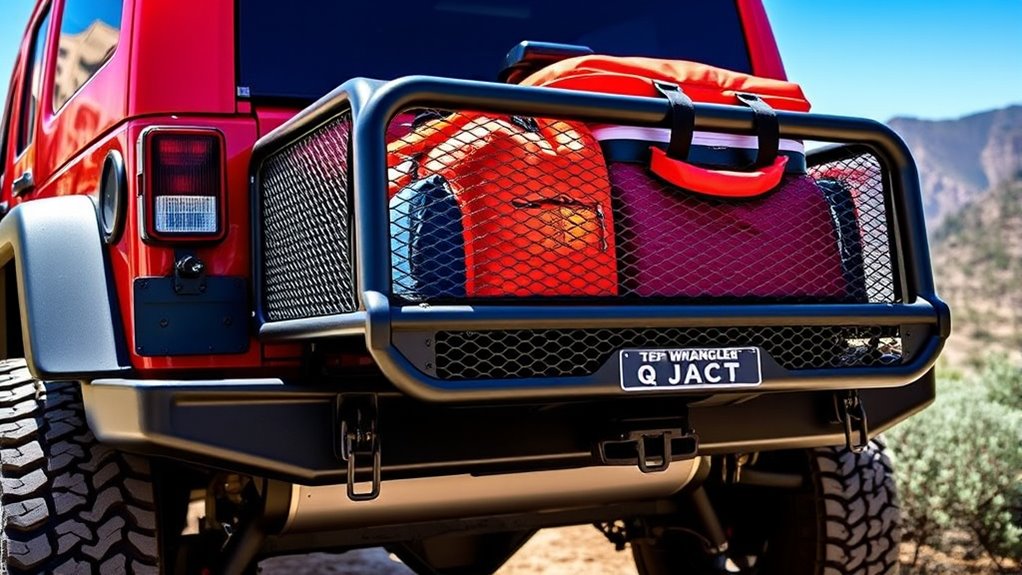
The ultimate hitch cargo carrier for your Jeep Wrangler offers durable materials like galvanized steel or aluminum, ensuring strength and rust resistance. It’s designed to fit your hitch size and hold enough gear for outdoor adventures.
Look for features like easy installation, secure tie-down points, and foldable options for convenience.
Properly securing your gear and maintaining the carrier keeps your trips hassle-free.
Keep exploring to uncover more tips for selecting and maintaining the perfect cargo carrier.
Key Takeaways
- Choose a durable, corrosion-resistant cargo carrier made from galvanized steel, powder-coated aluminum, or stainless steel for your Jeep Wrangler.
- Make sure it’s compatible with your hitch type and size, and check the weight capacity to keep your haul safe and balanced.
- Go for a rugged, lightweight design with easy-to-install features like quick-attach pins and adjustable brackets.
- Use high-quality tie-downs to secure your gear, distribute weight evenly, and consider containers to maximize storage and stability.
- Regularly inspect, clean, and maintain your carrier to prevent rust and keep it in top shape for all your outdoor adventures.
Why a Hitch Cargo Carrier Is Essential for Your Jeep Wrangler
A hitch cargo carrier is a must-have accessory for your Jeep Wrangler because it significantly boosts your vehicle’s storage space. With more room, you can easily pack camping gear, luggage, or outdoor equipment without cluttering the inside.
A hitch cargo carrier greatly expands your Jeep Wrangler’s storage for outdoor gear and essentials.
This extra storage helps keep things organized and makes it easier to access your essentials, especially on long trips or outdoor adventures. Plus, it protects your vehicle’s interior from dirt and damage.
When installing a hitch, make sure your receiver hitch is compatible and securely mounted. Check the weight capacity and tighten all bolts properly to prevent wobbling. Using a lock or security cable can also keep your gear safe.
Adding a hitch cargo carrier makes your Jeep more versatile, making every trip more convenient and enjoyable. It’s a simple upgrade that greatly enhances your vehicle’s functionality and readiness for any adventure.
What to Look for in a Jeep Cargo Carrier
When you’re picking out a Jeep cargo carrier, the first thing to think about is durability. You want something made from tough materials that can really handle all your adventures—whether you’re hitting rough roads or just heading out for a weekend trip.
Next up, make sure it’s compatible with your Jeep. Check the size and hitch type to ensure it fits perfectly and doesn’t cause any hassle when you’re loading up. You’ll also want to consider how much space you need—so you can pack everything comfortably without cramming.
Durability and Material Quality
To ensure your Jeep cargo carrier can handle outdoor adventures, pay attention to the quality of its materials and how it’s built. You want materials that are strong enough to carry heavy loads without bending or breaking.
Corrosion resistance is just as important, especially if you often drive in wet or salty environments. Materials like galvanized steel or powder-coated aluminum offer both strength and protection against rust.
Here’s a quick comparison:
| Material | Material Strength | Corrosion Resistance |
|---|---|---|
| Galvanized Steel | High | Excellent |
| Powder-Coated Aluminum | Moderate to High | Very Good |
| Stainless Steel | Very High | Superior |
Choosing the right materials helps keep your carrier reliable and ensures it lasts through many adventures.
Compatibility and Size Options
Choosing the right cargo carrier for your Jeep Wrangler is about more than just material quality; compatibility and size options are key to ensuring a perfect fit and good functionality.
You’ll want to check if the cargo carrier works with your vehicle’s hitch setup to avoid any issues. Size options matter too—they determine how much cargo you can carry without overloading or affecting your vehicle’s performance.
When choosing, consider the hitch receiver size (like 2-inch or 1.25-inch), the dimensions and weight capacity of the carrier, and your storage needs.
Think about how much space you have on your Jeep and what you want to haul. Prioritizing these factors will help ensure your cargo carrier fits securely and meets your hauling needs, making your adventures safer and smoother.
Choosing the Right Size and Capacity for Your Adventures
Selecting the right size and capacity for your hitch cargo carrier is essential to ensure it meets your adventure needs without overloading your Jeep Wrangler.
Start by considering the size: how much gear you usually carry and the dimensions that fit comfortably on your vehicle. A larger carrier provides more space but might add weight and affect maneuverability.
Next, check the capacity limits—both the carrier’s maximum weight and your Jeep’s towing capacity. Overloading can be unsafe and hurt your vehicle’s performance, so always stay within recommended limits.
Think about the type of trips you take. If you often carry bulky gear like tents or camping supplies, choose a larger, higher-capacity carrier. For lighter loads, a smaller carrier works just fine.
Getting the right size and understanding capacity limits help you keep your gear secure, improve your adventures, and maintain your Jeep’s performance.
Features That Make a Cargo Carrier Jeep-Friendly
When you’re choosing a cargo carrier for your Jeep, look for one that’s built tough. You want something rugged that can handle rough terrains and heavy loads without breaking a sweat. After all, you want it to last through all your adventures, right?
And don’t forget about how easy it is to install. The last thing you need is a complicated setup that wastes your time and causes frustration. A carrier with simple, straightforward installation lets you get on the road quicker and enjoy your trip more.
All these features come together to make a cargo carrier truly Jeep-friendly. They help boost your off-road adventures with confidence, knowing your gear is secure and ready for whatever comes your way.
Rugged Durability Design
A rugged durability design is essential for a cargo carrier that can handle tough off-road conditions and daily hauling. You want something built tough, blending rugged looks with real strength.
Using lightweight materials helps keep the carrier easy to handle and install, without adding extra weight. The strong frame resists corrosion, impacts, and wear, so it can handle rough terrains and weather.
Features like reinforced welds and heavy-duty steel construction make sure it lasts a long time. For maximum durability, look for:
- Corrosion-resistant coatings
- Reinforced structural components
- Heavy-duty fasteners and welds
This rugged design keeps your gear secure no matter where your adventures take you, making sure the carrier stands up to countless trips.
Easy Installation Features
Installing a cargo carrier on your Jeep Wrangler should be straightforward and hassle-free, so you can focus on your adventure instead of complex setups. Many models feature simple installation methods, like quick-attach pins or tool-free assembly, making setup fast and easy.
User-friendly features, such as adjustable mounting brackets and clearly labeled components, further simplify the process. Some carriers come with foldable or removable parts, letting you customize the fit without hassle.
Designed with convenience in mind, these features allow you to attach and detach the carrier confidently, even if you’re new to towing accessories. Overall, the easy installation features guarantee your cargo carrier is Jeep-friendly, saving you time and effort so you can hit the road sooner.
How to Install Your Hitch Cargo Carrier Easily
To install your hitch cargo carrier easily, start by gathering all the necessary tools and parts, like a wrench, the carrier itself, and the hitch receiver. Having the right tools makes the process smoother, so make sure everything is ready before you begin.
Remember to follow safety precautions—wear gloves, secure your vehicle, and work on a flat surface to prevent accidents. These steps keep you safe while you work.
Follow safety tips: wear gloves, secure your vehicle, and work on a flat surface for a safe installation.
Here are some tips to make installation easier:
- Double-check that your hitch receiver matches the carrier’s fit.
- Tighten all bolts securely to prevent movement.
- Keep the area clear to avoid losing small parts.
Take your time aligning the carrier and securing it properly. Following these steps will give you a safe, straightforward installation.
Using the right tools and paying attention to safety will ensure your cargo carrier is mounted securely and ready for your next adventure.
Best Materials for Weather-Resistant Cargo Carriers
Choosing the right materials for your weather-resistant cargo carrier is essential to guarantee durability and protection against the elements. You want materials that withstand rain, snow, and UV rays without corroding or fading.
High-quality weather-resistant materials like aluminum, stainless steel, and heavy-duty plastics are ideal choices. These materials require minimal cargo carrier maintenance, keeping your setup looking new and functional longer.
| Material | Benefits |
|---|---|
| Aluminum | Lightweight, corrosion-resistant |
| Stainless Steel | Strong, highly durable, rust-proof |
| Heavy-Duty Plastic | Affordable, weatherproof, easy to clean |
| Powder-Coated Steel | Improved corrosion resistance, sturdy |
Choosing durable, weather-resistant materials guarantees your cargo carrier stays resilient. You’ll spend less time on maintenance, and your gear stays protected, rain or shine. This makes your outdoor adventures hassle-free.
How to Secure Your Gear Safely on a Hitch Carrier
Want to make sure your gear doesn’t go flying off during your trip? The key is using the right tie-down techniques to keep everything secure. It’s all about preventing any unwanted movement while you’re on the road.
Also, try to spread the weight out evenly across the hitch carrier. This helps keep your Jeep balanced and prevents putting too much strain on the suspension. When you’re fastening everything down, take a moment to double-check those straps and fasteners. You’ll feel more confident knowing everything is safe and stable before hitting the road.
Proper Tie-Down Techniques
Ensuring your gear stays secure on a hitch cargo carrier is key for safe travels, especially on long or bumpy rides. Proper tie-down techniques help keep your cargo stable and prevent shifting that could cause accidents. Use high-quality tie-down essentials like ratchet straps or bungee cords to lock everything in place.
Make sure to tighten straps evenly to distribute tension and attach them to sturdy points on your gear and carrier. Check all straps regularly during your trip to ensure everything stays secure.
Avoid over-tightening, which can damage your gear, or leaving slack that allows movement. Properly secured cargo reduces the risk of items falling off or shifting unexpectedly, keeping you and others safe on the road.
Weight Distribution Tips
Proper weight distribution is key to keeping your gear secure and your vehicle stable when using a hitch cargo carrier. To get the best balance, place heavier items toward the center and lower on the carrier. This helps prevent sway or tipping while you’re driving.
Make sure to distribute the weight evenly across the platform. Avoid loading too much on one side, which can cause instability. Use tie-down straps to secure everything tightly, so the load stays in place during transit.
It’s a good idea to check your cargo periodically, especially on long drives or rough roads. Keep an eye on the balance and make adjustments if needed. Improper weight distribution can lead to handling issues or accidents, so take the time to load thoughtfully.
Focusing on proper cargo balance will improve your vehicle’s stability, safety, and overall driving experience with your hitch cargo carrier.
Tips to Maximize Storage Space in Your Jeep
Maximizing your storage space in a Jeep is all about smart organization and making the most of every available area. Planning your packing helps you fit more gear without making things hard to access.
Start by prioritizing the essentials and using containers to keep everything neat and easy to find. Don’t forget to use every inch, including under seats and door pockets, for extra storage.
To get the most out of your space, try using stackable containers to add vertical storage. Secure loose items with bungee cords or nets so nothing shifts during the drive.
Remember to pack heavier stuff at the bottom for better stability and weight distribution. Small adjustments like these can make a big difference in maximizing your Jeep’s storage.
Maintaining and Cleaning Your Cargo Carrier
Keeping your cargo carrier in top condition requires regular maintenance and cleaning to prevent rust, dirt buildup, and damage. Proper upkeep involves inspecting the carrier for signs of wear, loose bolts, or corrosion.
Regular cleaning helps preserve its durability. Start by removing loose debris with a brush or hose. Then, use mild soap and water to scrub away dirt and grime, paying attention to corners and seams where dirt can hide.
Rinse thoroughly and dry with a cloth to prevent water spots or rust. For metal carriers, consider applying a protective coating or rust inhibitor every now and then. Avoid harsh chemicals that could damage the finish.
Staying consistent with cleaning and maintenance will help extend your cargo carrier’s lifespan. Regular upkeep keeps it reliable for all your adventures, protecting your gear and your vehicle.
Real User Tips for Using a Hitch Cargo Carrier on a Jeep Wrangler
Many Jeep Wrangler owners find that following practical tips from fellow users can make a big difference in how they load and utilize their hitch cargo carriers. To maximize space and safety, focus on cargo organization tips to keep everything secure and accessible.
Always check the weight limit considerations of your carrier to avoid overloading, which can compromise safety and damage your vehicle. When packing, distribute weight evenly to maintain stability during drives.
Use bungee cords or straps to secure loose items, preventing shifting and potential hazards. Furthermore, consider placing heavier items closer to the vehicle for better balance.
Remember to periodically inspect your cargo and carrier for any signs of wear or loosening. By applying these real user tips, you’ll guarantee safer, more efficient use of your hitch cargo carrier on your Jeep Wrangler.
Frequently Asked Questions
Can a Hitch Cargo Carrier Fit All Jeep Wrangler Models?
A hitch cargo carrier might not fit all Jeep Wrangler models because of differences in hitch compatibility and cargo size. It’s important to check your specific model’s hitch receiver size and weight capacity first.
Most carriers are designed for standard hitch sizes, but some might need adapters. Measure your cargo to make sure it fits comfortably on the carrier.
Always double-check compatibility before you hit the road. It helps prevent issues and keeps your stuff secure during transport.
Are There Weight Limits I Should Be Aware of for My Cargo Carrier?
Think of your cargo carrier as a trusty steed. If you overload it, it buckles. There are weight limits you should respect to ensure proper weight distribution and load stability.
Most carriers specify a maximum weight, usually around 150-500 pounds, depending on the model. Always check your carrier’s weight capacity before loading up.
Distribute your load evenly to keep your gear secure and your ride safe. Following these simple rules helps prevent damage and keeps everything working smoothly.
How Do I Prevent Theft of My Gear From the Carrier?
To prevent theft from your cargo carrier, use lock options designed for hitch-mounted carriers, like padlocks or integrated locking systems. These are simple to use and provide a good level of security.
Security accessories such as cable locks or lockable covers can give you extra protection. They make it harder for thieves to access or steal your gear.
Always lock your gear securely and think about removing the carrier when you’re parked for a long time. This extra step can really help keep your stuff safe.
Taking these precautions can deter thieves and help ensure your gear stays secure during your adventures.
Will a Cargo Carrier Affect My Jeep’s Fuel Efficiency?
Adding a cargo carrier is like attaching a sail to your Jeep. Yes, it can impact fuel efficiency. The effect depends on aerodynamics; a bulky carrier creates more drag, making your engine work harder.
You might notice a slight drop in fuel efficiency, especially at higher speeds. To keep it minimal, pick a sleek, aerodynamic design and avoid overloading.
This helps your Jeep glide smoothly through the air and saves fuel.
Can I Use a Cargo Carrier With a Bike Rack?
Yes, you can use a cargo carrier with a bike rack, but it depends on the cargo carrier types and bike rack compatibility. Some hitch-mounted cargo carriers are designed to work alongside bike racks, especially if they have enough clearance and a compatible hitch size.
Always check the weight limits and dimensions to make sure both can be used together safely. Proper installation and compatibility are key for a smooth, secure setup.
Conclusion
Adding a hitch cargo carrier to your Jeep Wrangler boosts your storage capacity and makes your adventures more enjoyable. It’s a simple way to carry extra gear and stay organized on the road.
Did you know that over 60% of Jeep owners use accessories like cargo carriers to get the most out of their vehicles? Choosing the right size and features can really make a difference.
Make sure to secure your gear properly so everything stays safe during your trip. Proper maintenance of your cargo carrier will help it last for many outdoor adventures to come.
By selecting the right hitch cargo carrier for your Jeep Wrangler, you’ll enjoy safer, more organized trips and a better overall experience.