How Long to Keep Your Child in a Rear Facing Car Seat
Many parents find themselves overwhelmed by the many safety guidelines for their little ones, especially when it comes to car seats. You’re not alone—navigating the best practices can feel confusing.
One common question is how long to keep your child in a rear-facing car seat.
You should keep your child in a rear-facing car seat until they reach the maximum height or weight limit recommended by the seat manufacturer, which is usually beyond age 2.
Many experts suggest staying rear-facing for as long as possible, often until age 3 or even beyond. This provides the best protection for their head, neck, and spine during crashes.
If you want to guarantee your child’s safety and comfort, keep exploring for more helpful tips.
Key Takeaways
- Keep your child rear-facing until they reach the seat’s maximum height or weight limit.
- Many experts recommend keeping them rear-facing until at least age 3 for the best safety.
- Make sure to follow your car seat manufacturer’s guidelines for height and weight restrictions.
- Check your local laws, which often require children to stay rear-facing until age 2 or a certain weight.
- Always prioritize your child’s comfort and safety by keeping them rear-facing as long as possible.
Why Rear-Facing Car Seats Keep Your Child Safer
Because of their design, rear-facing car seats offer better protection for your child’s head, neck, and spine during a crash. Safety studies consistently show that children in rear-facing seats are much less likely to suffer serious injuries.
Crash stats reveal that children facing backward are up to five times safer in accidents. This is because rear-facing seats spread crash forces across the back of the seat, cushioning the head and neck from impact.
Their high side-impact protection also helps reduce injury risks from side collisions, which happen often in crashes. The harness system keeps your child secure, lowering the chance of whiplash or head trauma.
Multiple safety studies confirm that keeping your child rear-facing longer greatly boosts their safety in a collision. Choosing a rear-facing seat is a proven step to protect your child’s vital areas and gives you peace of mind every time you’re on the road.
Legal Requirements for Rear-Facing Car Seats
Legal requirements for rear-facing car seats differ from state to state, but most places have clear age or weight rules to keep kids safe. These regulations are designed to meet or even go beyond safety standards, making sure your child stays protected while you’re on the road.
They usually specify a minimum age, weight, or height before switching to a front-facing seat. To make it easier, here’s a quick overview of common rules:
| State | Age Requirement | Weight Requirement | Additional Notes |
|---|---|---|---|
| California | 2 years | 40 lbs | Must stay rear-facing until minimum age or weight is met |
| Texas | 2 years | 35 lbs | Follow manufacturer’s instructions |
| Florida | 1 year | 20 lbs | Rear-facing until at least 1 year and 20 lbs |
| New York | 2 years | 30 lbs | Follow state-specific safety standards |
Always check your local regulations to ensure you’re compliant and keeping your child safe.
How Long Can a Child Stay Rear-Facing?
Most children should stay rear-facing in their car seats until they reach the maximum height or weight limit set by the manufacturer. This often means staying rear-facing until at least age 2 or even longer.
This position offers major safety benefits, especially during crashes. It better protects their head, neck, and spine compared to forward-facing seats.
Safety stats show that children rear-facing are up to five times safer in a crash than forward-facing. So, keeping them rear-facing longer is a smart choice.
Here are some key points to consider:
- Maximum Limits: Keep your child rear-facing until they hit the seat’s height or weight limit.
- Age Recommendations: Many experts suggest staying rear-facing until age 3 or even beyond.
- Growth Factors: If your child is still within the limits, there’s no need to switch early.
- Safety Priority: Extending rear-facing use maximizes safety and lowers injury risk during accidents.
Remaining rear-facing longer gives the best protection and aligns with the latest safety research.
Benefits of Keeping Your Child Rear-Facing Longer
Keeping your child rear-facing for as long as possible offers big safety benefits. The rear-facing advantage includes better protection for your child’s head, neck, and spine during a crash. This position absorbs crash forces more effectively, lowering the risk of serious injuries.
Extended protection is especially crucial because children’s bones and muscles are still growing. That makes them more vulnerable in accidents. By keeping your child rear-facing, you create a safer environment, even in moderate collisions.
Many safety organizations recommend rear-facing seats until at least age two. Some suggest extending this until age four or even longer. This extra time gives you peace of mind, knowing your child is better protected.
Staying rear-facing longer isn’t just about following laws. It’s about putting your child’s safety first and taking advantage of the natural benefits of this position for maximum safety.
When Is the Best Time to Switch to a Forward-Facing Seat?
So, when’s the right time to switch your little one to a forward-facing seat? Well, generally, it’s best to wait until they hit the recommended age and size—usually around age 2 and when they weigh about 40 pounds. But it’s not just about the numbers; you’ll want to keep an eye out for signs of developmental readiness too.
For example, if your child can sit steadily without support and is comfortable handling seat adjustments, that’s a good indication they’re ready. Experts also suggest waiting until these criteria are met to ensure your child’s safety. So, take your time and watch for those signs—it’s all about keeping them safe and secure!
Age and Size Guidelines
The ideal time to switch your child from a rear-facing to a forward-facing car seat depends on their age and size. Usually, you should think about these milestones and size factors before making the switch:
- Your child is at least 2 years old
- They’ve reached the maximum height or weight limit for their rear-facing seat
- Their shoulders are above the lowest harness slot
- They can sit comfortably with the harness properly adjusted
These guidelines help ensure your child stays in a rear-facing seat as long as possible for maximum safety. Always check your car seat’s specific height and weight limits, and consider your child’s developmental readiness based on their size.
Developmental Readiness Signs
Knowing when your child is developmentally ready to switch to a forward-facing seat is key for their safety. Look for important milestones that show they’re prepared.
These include sitting unsupported steadily, showing good head and neck control, and being curious about their surroundings. Physical comfort matters too—your child should sit comfortably with minimal fuss.
| Developmental Milestones | Physical Comfort | Indicators of Readiness |
|---|---|---|
| Sitting unsupported | Comfortable seat positioning | No signs of discomfort or fuss |
| Steady head and neck control | Proper harness fit | Can tolerate longer rides |
| Reaching for objects | Maintains good posture | Shows curiosity and alertness |
| Walking confidently | No signs of pain or discomfort | Able to follow simple instructions |
| Recognizing familiar faces | Feels secure and comfortable | Demonstrates interest in the forward view |
Safety Recommendations
Deciding the right time to switch your child to a forward-facing car seat depends on safety guidelines and your child’s development. Safety statistics show that children are safest in rear-facing seats until at least age two or until they outgrow the height and weight limits of their current seat.
Keep an eye on the manufacturer’s weight and height limits for your car seat type. It’s best to keep your child rear-facing until they reach those maximum limits. Prioritize safety over age, since newer car seat designs offer better protection.
Don’t forget to consult your pediatrician for personalized advice. Moving to a forward-facing seat too early can increase the risk of injury, so make sure your child is fully ready before making the switch.
Tips for Ensuring Your Child Fits Comfortably in a Rear-Facing Seat
Ever wonder how to make sure your child stays comfortable in a rear-facing car seat? The key starts with choosing the right seat that fits their height and weight, with adjustable harnesses and enough legroom.
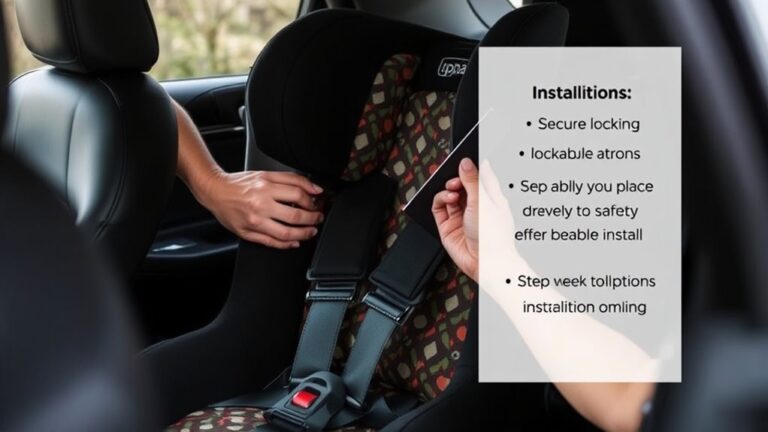
When installing the seat, double-check that it’s securely set up according to the manufacturer’s instructions, with minimal movement.
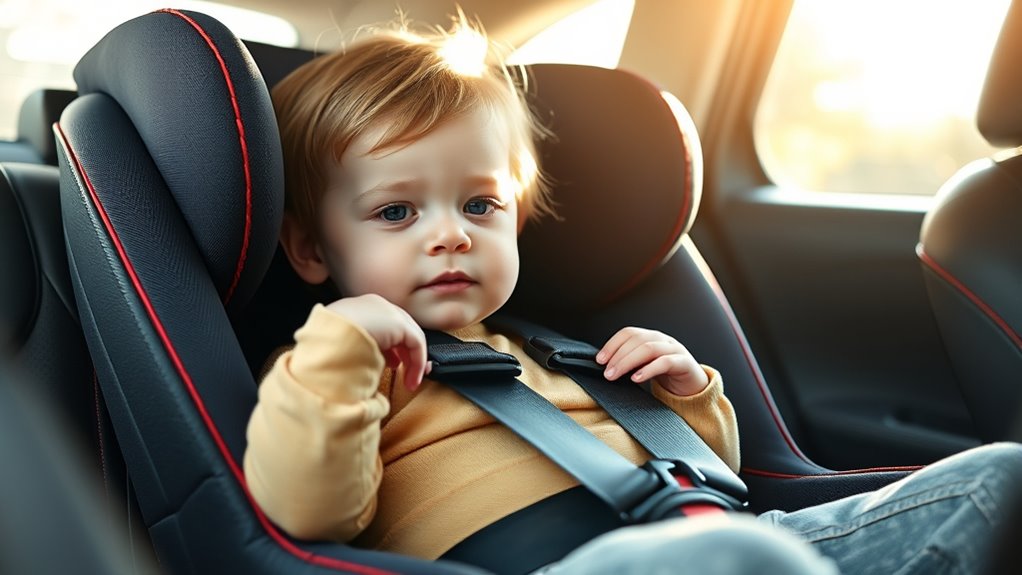
Make sure the harness straps are snug and lie flat against your child’s chest without causing discomfort.
Adjust the headrest and harness height so your child’s shoulders sit just below the top strap slots. This gives a comfortable fit while keeping safety in mind.
Ensure there’s enough room for your child’s legs to move freely without feeling cramped.
Regularly check the fit as your child grows, making adjustments to straps and headrests as needed.
Myth-Busting: Common Misconceptions About Rear-Facing Seats
Many parents have misconceptions about rear-facing car seats, which can lead to unsafe choices. These myths often come from outdated or incorrect safety beliefs. To keep your child safe, it’s crucial to tell fact from fiction:
1. Myth: Rear-facing seats are unsafe for older children.
Fact: They’re safest until your child outgrows the height and weight limits, which is often beyond age 2.
2. Myth: Forward-facing seats are just as safe as rear-facing.
Fact: Rear-facing seats offer better protection for the head, neck, and spine during crashes.
3. Myth: You should switch to forward-facing as soon as possible.
Fact: Experts recommend keeping your child rear-facing as long as they stay within the seat’s limits.
4. Myth: Rear-facing seats are uncomfortable for kids.
Fact: They are designed for comfort and safety, and many children tolerate them very well.
Knowing the facts helps you make smarter, safer choices for your child’s car seat use.
Choosing a Car Seat That Supports Rear-Facing Use Longer
When you’re picking out a car seat, it’s a good idea to go for one that allows your child to stay rear-facing for as long as possible. It’s all about keeping them safer longer, especially since rear-facing seats are generally safer for young kids in the event of a crash.
Just make sure the seat you choose is compatible with your child’s current size and growth, so it’ll be a good fit for a while. Many newer models also come with safety features designed specifically for extended rear-facing use, giving you extra peace of mind.
Extended Rear-Facing Limits
Choosing a car seat that supports extended rear-facing use helps keep your child safer for a longer time. Many seats now go beyond the basic guidelines, offering features that match extended seatbelt rules and rear-facing travel tips.
When picking a seat, consider these key points:
- Look for seats that handle rear-facing weight and height limits beyond the minimum.
- Make sure the seat’s design supports proper head and neck protection.
- Check if the seat has adjustable harnesses so it can grow with your child.
- Confirm that the seat is compatible with your vehicle and easy to install securely.
Compatibility With Growth
Selecting a car seat that adapts to your child’s growth ensures they can stay rear-facing longer without needing frequent replacements. Look for seats with adjustable features that accommodate growth milestones like height and weight limits.
These seats often have multiple recline positions and adjustable harnesses, making it easy to adjust as your child grows. Choosing a model with enough interior space keeps your child comfortable and secure through different developmental stages.
Be sure to check the manufacturer’s specs for maximum height and weight limits so you know how long the seat can support your child’s growth. Prioritizing growth compatibility helps your child stay safely rear-facing longer and provides better protection during those critical early years.
Safety Features for Longevity
Opting for a car seat with advanced safety features can really help your child stay rear-facing longer. Look for innovations that focus on crash protection and easy adjustments.
High-quality materials like impact-absorbing foam and reinforced side panels make the seat more durable and safer. To ensure the seat lasts, keep an eye out for these features:
- Improved side impact protection with energy-absorbing materials
- Adjustable headrests and harnesses to grow with your child
- Anti-rebound bars for extra stability during collisions
- Easy-to-install safety systems that ensure correct placement every time
Choosing a seat with these safety features and durable materials helps keep your child rear-facing longer, giving them better protection as they grow.
Expert Advice on Rear-Facing Safety and Child Development
Experts agree that keeping your child rear-facing as long as possible is the safest choice for their development and protection. This position supports important milestones like proper neck and spine growth, which are essential during early childhood.
Rear-facing seats distribute crash forces across a larger area of your child’s body, which helps minimize injury risks. Safety features like advanced harness systems and side-impact protection make rear-facing seats even safer.
Rear-facing seats evenly distribute crash forces, reducing injury risk with added safety features like advanced harnesses and side-impact protection.
Staying rear-facing beyond the minimum age or weight limits helps your child develop physically while staying secure. Pediatric experts emphasize that children are better protected when rear-facing until at least age two.
Many benefits extend even longer, depending on your child’s size and developmental progress. By following this advice, you’re prioritizing your child’s safety and growth, giving them the best protection as they reach key milestones.
How to Transition Safely When Your Child Is Ready to Switch
Once your child has reached the age or size where moving to a forward-facing seat seems appropriate, it’s important to prioritize safety during the change. Shift strategies should focus on gradual adjustments to guarantee comfort and security. Before switching, check the seat’s instructions for proper seat adjustments, verifying the harness is at the correct height and snugness.
Here are key steps to follow:
- Review the seat’s weight and height limits to confirm your child’s readiness.
- Adjust the harness and seat positions to fit your child snugly, with the harness at or above shoulder level.
- Practice installing the seat in your vehicle, confirming secure attachment each time.
- Introduce your child to the new seat gradually, explaining safety features to ease anxiety.
Using these strategies helps guarantee a safe, comfortable shift and reinforces good safety habits.
Frequently Asked Questions
What Are the Signs That My Child Is Ready to Switch to a Forward-Facing Seat?
You’ll know your child is ready to change to a forward-facing seat when they outgrow the height or weight limits set by safety guidelines.
Look for their shoulders surpassing the top harness slot or if they can sit comfortably with the harness properly secured.
Shifting seats should be based on these signs, making sure safety guidelines are met.
This way, your child stays protected as they grow and develop.
How Do I Know if My Car Seat Is Correctly Installed for Rear-Facing?
Did you know that correctly installed car seats can reduce injury risk by up to 71%? To make sure your seat is installed properly, check that the seat belt or lower anchors are snug and secure. Just follow the manufacturer’s installation tips for best results.
Next, perform safety checks by tugging on the seat. It shouldn’t move more than an inch. If it does, it might need to be tightened or reinstalled.
Avoid common mistakes like loose straps or improper recline angles. These small errors can impact safety, so double-check that everything is set correctly for maximum protection in your rear-facing seat.
Are There Specific Brands Recommended for Longer Rear-Facing Use?
Yes, some brands are better for extended rear-facing use, especially those with high safety ratings. Look for seats like Nuna Rava, Britax Boulevard, or Chicco NextFit that are designed for longer rear-facing periods.
These brands prioritize safety, durability, and comfort, making them great choices if you want to keep your child rear-facing for a longer time. Always check the manufacturer’s guidelines to ensure proper fit and safety standards.
Can My Child’s Weight or Height Influence the Age to Switch Seats?
Yes, your child’s weight and height can influence when you change seats. Growth milestones like reaching the maximum weight or height limit specified by safety guidelines are important indicators.
Even if your child hasn’t reached the recommended age, if they go beyond these limits, it’s time to switch to a forward-facing seat. Always follow safety guidelines and watch your child’s growth milestones.
This helps ensure maximum protection during car rides.
How Often Should I Check the Fit and Safety of My Child’s Car Seat?
You should check your child’s car seat fit and safety regularly, ideally before each trip. It’s a good idea to make it a habit to ensure everything is secure.
Follow car seat maintenance tips to verify straps are snug, the harness is at the correct level, and there’s no damage. Taking a quick look can prevent issues before they happen.
Adhere to safety guidelines by inspecting for wear and tear, loose parts, or expired labels. Keeping an eye on these details helps ensure safety and compliance.
Frequent checks guarantee your child’s safety, keeping the seat properly positioned and secure as they grow. Staying vigilant is key to protecting them every time you travel.
Conclusion
By keeping your child rear-facing longer, you’re giving them the best possible protection. It’s a simple way to ensure they stay safer in case of an accident.
Imagine a parent who switches too soon and faces a costly injury. Staying rear-facing until at least age two or beyond can make all the difference.
Prioritize safety over convenience, and always consult experts to make sure you’re using the car seat correctly.
Ultimately, the extra time spent rear-facing could be be the key difference between injury and safety during a crash — it’s worth it.