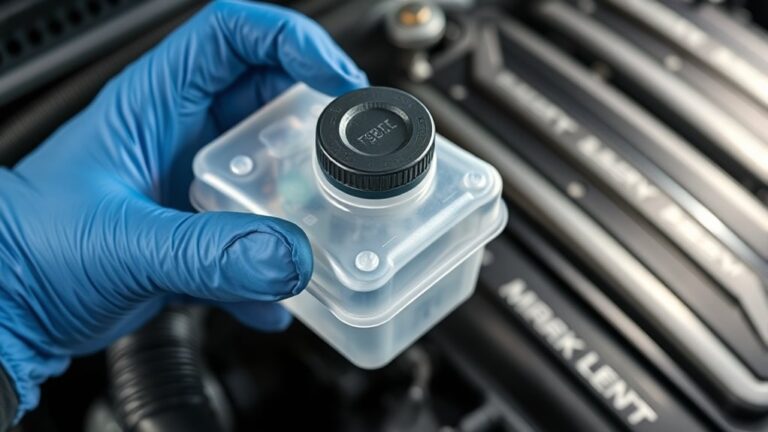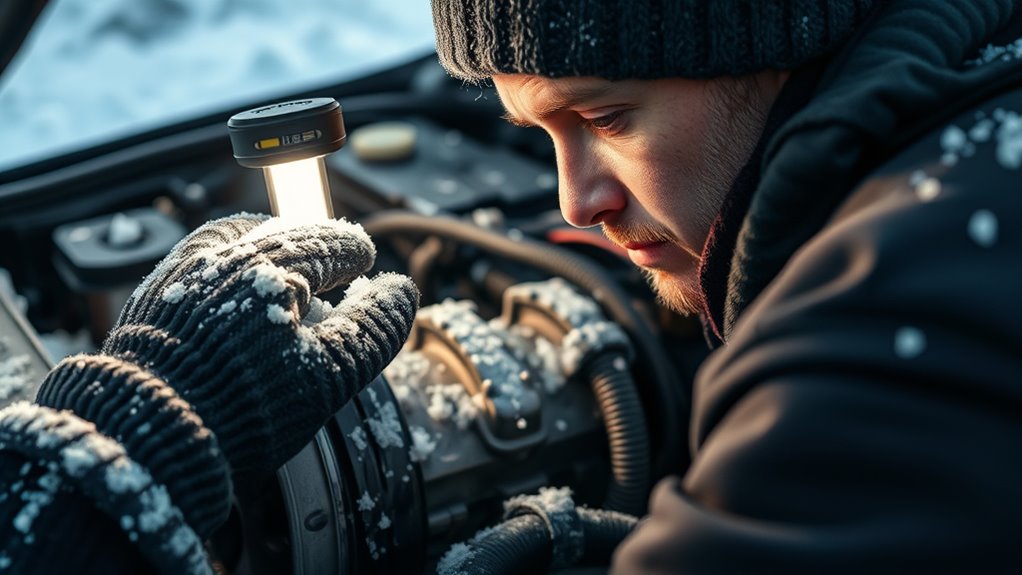
Troubleshooting Transmission Problems in Cold Weather: Expert Tips
Dealing with transmission problems in cold weather is a common headache for many drivers. If your car shifts harshly or hesitates when it’s chilly outside, you’re not alone—these issues happen to lots of people.
Luckily, a few simple steps can help keep your transmission running smoothly during winter.
In cold weather, thickened transmission fluid can cause delayed or harsh shifting. To troubleshoot, check your fluid level and condition—thick, dark fluid signals a need for replacement.
Make sure to warm up your vehicle properly before driving, and inspect for any linkage obstructions or leaks. Using winter-grade fluid and gentle driving can prevent issues.
If problems persist, proper diagnostics can identify underlying causes—discover more expert tips to keep your transmission smooth in winter.
Key Takeaways
- Check the transmission fluid level and condition. If it’s thick or dark, it’s time for a change.
- Let your vehicle warm up a bit longer before driving. This helps ensure proper fluid flow and that parts expand correctly.
- Inspect the transmission linkage for ice, debris, or any obstructions that could block gear engagement.
- Consider using winter-grade or synthetic transmission fluid for better performance in cold weather.
- Keep an eye out for signs like delayed shifts, slipping, or strange noises. If you notice anything, get it checked by a professional promptly.
How Cold Weather Affects Your Car’s Transmission
Cold weather can significantly affect your car’s transmission, making it harder for the system to run smoothly. One way this happens is through changes in transmission fluid viscosity. When temperatures drop, the fluid thickens, which makes it harder for it to flow freely.
Cold weather thickens transmission fluid, hindering flow and smooth shifting.
This increased thickness hampers lubrication, leading to delayed shifts and extra strain on your transmission parts. The cold weather’s impact isn’t just on the fluid; it can also cause metal parts to contract slightly, possibly leading to tighter clearances or sluggish responses.
As the transmission fluid becomes more viscous, your car’s transmission has to work harder to shift gears. This can result in delays or rough shifting. To keep this in check, it’s important to use the right type of transmission fluid designed for cold weather.
Proper maintenance and timely fluid changes can help your transmission perform better during winter. Doing so can prevent potential damage caused by the effects of cold weather.
Recognizing Signs of Transmission Problems in Winter
As temperatures drop, you might notice your car isn’t shifting as smoothly as it does in warmer weather. Recognizing transmission symptoms and winter indicators early can prevent costly repairs. Look out for:
- Delayed or harsh shifting between gears
- Unusual slipping or slipping out of gear
- Unresponsive transmission or difficulty engaging
- Strange noises like grinding or whining during shifts
These signs often point to transmission issues that get worse in cold weather. Cold temperatures can thicken transmission fluid or cause parts to contract, making shifting rougher or less reliable. If you notice any of these symptoms, don’t ignore them, as they are common winter indicators of transmission trouble. Addressing these issues promptly can save you from roadside breakdowns and extensive repairs.
Stay attentive to your vehicle’s behavior, especially during winter months, to keep your transmission running smoothly.
How to Check and Maintain Transmission Fluid in Cold Weather
Checking and maintaining your transmission fluid during cold weather is essential to keep your vehicle shifting smoothly. Cold temperatures can thicken the fluid, affecting how well it lubricates the system and its overall consistency.
To check the level, first make sure your engine is warmed up to the proper operating temperature. Then, locate the transmission fluid dipstick. Remove it, wipe it clean, reinsert it fully, and pull it out again to check the level and condition.
In cold weather, you might notice the fluid looks darker or thicker, which could mean it needs changing or topping off. Keep an eye on the fluid’s consistency; if it feels excessively thick or gritty, consider replacing it sooner.
Temperature changes can make the fluid sluggish, which can hamper shifting performance. Regularly inspecting and maintaining your transmission fluid helps prevent cold-related issues and keeps your transmission running smoothly in chilly weather.
Why Warming Up Your Car Properly Prevents Transmission Issues
Warming up your car properly allows the transmission fluid to reach its ideal temperature, helping to keep shifting smooth and prevent damage. In cold weather, thickened transmission fluid can slow things down and cause unnecessary wear.
By warming up your vehicle, you help extend the life of your transmission and get better cold weather performance. It’s a simple step that makes sure the fluid flows well and reduces strain on your transmission parts.
To get the most benefits, keep these tips in mind:
- Start your engine and let it idle briefly before driving.
- Avoid heavy acceleration during the warm-up time.
- Drive gently until your transmission warms up fully.
- Check and change your transmission fluid regularly for top performance.
Following these practices can help prevent cold-related transmission issues. This way, your vehicle’s transmission lasts longer and runs smoother during winter months. Proper warm-up procedures are an easy and effective part of cold weather prep.
How to Prevent Transmission Slipping and Hard Shifts in Winter
Winter can be tough on your car’s transmission, so it’s a good idea to take some precautions to keep everything running smoothly. First off, make sure you’re using winter-grade transmission fluid. It flows better in the cold, which means your transmission won’t have to work as hard to shift smoothly.
It’s also a smart move to check your fluid levels regularly. If the fluid is low, your transmission might not get enough lubrication, which can cause slipping or hard shifts. Keep an eye on it and top it off if needed.
And while you’re driving in winter, try to be gentle with your car. Avoid aggressive acceleration or hard shifting, as these can put extra stress on your transmission. Taking it easy helps prevent slipping and keeps your shifts nice and smooth during those chilly months.
Use Winter-Grade Transmission Fluid
During cold weather, using the right transmission fluid is crucial to keep your vehicle shifting smoothly. Winter transmission fluid is designed with a lower viscosity, which helps it flow better in low temperatures. This prevents hard shifts and slipping caused by thick, sluggish fluid.
To guarantee peak performance, always choose a fluid labeled for winter use. Remember, the right fluid:
- Maintains proper fluid viscosity in cold temperatures
- Guarantees smooth gear engagement
- Prevents slipping and hard shifts
- Protects your transmission from cold-related wear
Using winter-grade transmission fluid keeps your transmission responsive and reduces the strain caused by cold weather. Be sure to check your vehicle’s manual for the recommended type of winter transmission fluid for your specific model.
Check Transmission Fluid Levels
Ensuring your transmission fluid is at the proper level is key to preventing slipping and hard shifts in cold weather. Start by locating the transmission fluid dipstick, usually labeled under the hood.
Check the fluid level with your engine warm and running, following the checking techniques outlined in your owner’s manual. Make sure the fluid covers the minimum and maximum markers on the dipstick.
Also, assess the fluid quality. It should be clear and reddish, not dark or burnt-smelling. If the fluid is low or looks degraded, top it off with the correct type of transmission fluid.
Regularly monitoring fluid levels and inspecting fluid quality helps your transmission operate smoothly during cold months. It reduces the risk of shifting issues caused by low or poor-quality fluid.
Drive Gently in Cold Conditions
Cold weather can make your transmission more prone to slipping and hard shifts, so it’s important to drive with extra caution. Use gentle acceleration and avoid sudden movements to protect your transmission.
This helps reduce stress on the gears and prevents hard shifts caused by cold fluid viscosity. Also, practice cautious braking to avoid sudden jerks that can strain the transmission.
Remember these tips:
- Accelerate gradually to help the transmission warm up
- Avoid sudden gear changes
- Keep a steady speed whenever possible
- Give yourself extra stopping distance for safer braking
Driving smoothly in cold conditions reduces the risk of transmission problems and helps your vehicle last longer. Stay gentle and attentive to keep your transmission working properly.
When to Get a Professional Transmission Inspection in Cold Weather
If you notice persistent slipping, rough shifting, or unusual noises from your transmission, it’s time to get a professional inspection, especially in cold weather. Cold temperatures can hide underlying issues or make existing problems worse, so timely diagnosis is really important.
You should seek a transmission diagnostics and professional assessment if these symptoms stick around despite basic maintenance. Cold weather can cause fluid to thicken and reduce lubrication, putting extra strain on your transmission.
Delaying an inspection can lead to more serious damage and costly repairs. A qualified mechanic can spot leaks, worn parts, or fluid problems that might be worsened by the cold.
Trusting a professional ensures an accurate diagnosis and the right fixes. This helps prevent small issues from turning into major failures. Early intervention can save you money, keep your vehicle running smoothly, and help your transmission handle winter’s chill.
Troubleshooting Gear Shifting Delays and Hard Shifts in Winter
During winter, you might notice your vehicle hesitating or lurching when shifting gears, which can be frustrating and potentially harmful to your transmission. Cold temperatures can cause gear engagement issues, making shifts feel delayed or hard.
Start by checking your transmission fluid level and condition, as thickened fluid can make smooth gear changes difficult. Also, inspect the transmission linkage for ice or debris that might block proper movement.
Check your transmission fluid and linkage to prevent shifting issues in cold weather.
You should also consider allowing your vehicle a few extra minutes to warm up before driving. Keep an eye on any warning lights on the dashboard and confirm that your transmission software is up to date.
Finally, make sure your battery and electrical system are working well. Addressing these cold weather effects quickly can prevent further damage and help your transmission shift smoothly during winter.
Addressing Transmission Fluid Thickening During Cold Months
When the cold weather hits, your transmission fluid can get thicker than usual. This makes it tougher for your transmission to shift smoothly and operate properly. It’s a common issue during winter months, but don’t worry—there are ways to keep things running smoothly.
First off, make sure you’re using the right type of transmission fluid for the colder temperatures. Some fluids are specially formulated to stay thinner in the cold, which helps your transmission work better when it’s chilly outside. It’s also a good idea to check your fluid regularly. Keeping an eye on its condition can help you catch any issues early and prevent bigger problems down the road.
Effects of Cold on Fluid
When temperatures drop, transmission fluid gets much thicker, which can make it harder for the fluid to flow smoothly through the system. This increased viscosity slows down circulation and impacts how well the transmission works.
As the fluid thickens, it takes longer for the transmission to engage properly. This can lead to sluggish shifts or hesitation, making driving less smooth. Cold temperatures can also cause the fluid to lose some of its lubricating properties, increasing wear on internal parts.
To avoid these issues, make sure you’re using the right type of transmission fluid designed for cold climates. Remember:
- Thinner fluids flow better in low temperatures
- Proper viscosity helps prevent sluggish shifts
- Regular checks keep fluid levels in check
- Using the correct fluid boosts transmission efficiency
Knowing these effects can help you prevent cold-weather transmission problems.
Optimal Fluid Maintenance Strategies
To keep your transmission working smoothly in cold weather, it’s important to follow good fluid maintenance practices. Cold temperatures make the fluid thicker, which can make it harder to circulate.
Check your transmission fluid regularly and stick to recommended maintenance intervals. Using a synthetic fluid designed for cold climates can help it flow better when it’s chilly.
If you notice your shifting feels sluggish or delayed, consider flushing and replacing the fluid more often. Keep an eye on fluid levels, especially before a cold snap, to ensure proper lubrication.
Regular inspections help catch thickening issues early, which reduces wear and can extend your transmission’s life. Staying proactive with fluid care keeps performance reliable and helps prevent cold-weather problems.
Tips for Parking and Storing Your Car to Protect the Transmission in Winter
Properly parking and storing your car during winter can significantly reduce transmission wear and help prevent damage. It’s best to choose a sheltered spot like a garage with good insulation to protect your vehicle from extreme cold.
If parking outside, look for a flat, paved surface. This helps minimize stress on the transmission. Avoid uneven or muddy areas that can cause unnecessary strain on your car.
To give your transmission extra protection, consider these tips: Use a garage with proper insulation to keep the temperature stable. Park on a smooth, level surface to reduce shifting stress. Keep your car covered if you’re parking outside for a long time.
Also, make sure your parking spot is clear of snow and ice buildup. Following these simple practices helps keep your transmission fluid at the right consistency and prevents cold-related issues, ultimately extending your transmission’s lifespan during winter.
When to Seek Repairs and Improve Transmission Reliability in Cold Weather
If your transmission starts slipping, shifting roughly, or making odd noises when it’s cold outside, it’s a good idea to think about getting it checked out. These signs can be early hints that something’s not quite right.
Ignoring these issues can lead to bigger problems down the road, which might mean more expensive repairs. Staying on top of regular maintenance and addressing issues promptly can really help keep your transmission running smoothly through the winter months.
Recognizing Cold Weather Signs
Cold weather can reveal issues with your transmission that might go unnoticed in milder conditions. Recognizing these signs early is really important to catch problems before they get worse.
Look out for indicators like delayed shifts, slipping gears, or unusual noises when shifting. If you notice these, it’s a sign your transmission might be struggling in low temperatures.
Another clue is if it takes longer for your transmission to engage or if the shifts feel rough or jerky. Also, keep an eye out for fluid leaks, since cold weather can cause seals to contract and lead to leaks.
Signs like delayed or rough shifting, unusual noises during gear changes, slipping gears, or fluid leaks and low fluid levels are key indicators to watch for.
Pay attention to these signs so you can prevent further damage and keep your transmission reliable, especially in cold weather.
When to Schedule Repairs
Knowing when to schedule repairs is key to keeping your transmission performing well in cold weather.
If you notice issues like slipping gears, delayed engagement, or strange noises, it’s time to get it checked out. Cold temperatures can make existing problems worse or create new ones, so addressing them early is smart.
Don’t wait for minor issues to turn into big breakdowns. Getting repairs done proactively can save you money and keep your transmission reliable.
If shifting feels difficult or the operation seems rough in low temps, see a professional soon. Scheduling repairs at the right time helps your transmission stay smooth and reduces cold-weather risks.
Trust your instincts and consult an expert if symptoms stick around. That’s the best way to keep your vehicle dependable through winter.
Frequently Asked Questions
Can Cold Weather Cause Permanent Damage to My Transmission?
Cold weather effects usually won’t cause permanent damage to your transmission if you stay on top of regular maintenance.
But extreme cold can make parts stiff or sluggish, which could lead to problems if you ignore them.
It’s really important to check your fluid levels and quality because cold weather can thicken the fluid and affect how your transmission performs.
Staying on top of proper maintenance helps prevent cold-related issues from causing lasting damage and keeps your transmission in good shape all year round.
How Can I Tell if My Transmission Fluid Is Too Thick?
Think of your transmission fluid as the bloodstream of your car. If it’s too thick, it’s like syrup in freezing weather.
To tell if your fluid viscosity is off, check the color and texture. If it’s dark, clumpy, or unusually thick, cold temperature has made it sluggish.
During cold months, fluid should flow smoothly. If it feels stiff or sluggish upon startup, it’s time to warm it up or replace it.
Are Synthetic Transmission Fluids Better for Winter Conditions?
Yes, synthetic transmission fluids are better for winter conditions because their synthetic advantages improve winter performance. They stay more fluid in cold temperatures, helping your transmission shift smoothly and stay well-lubricated.
This means your transmission can operate efficiently even when it’s freezing outside, which helps reduce wear and potential problems. Switching to synthetic fluids can help you avoid cold-related transmission issues.
What Preventive Steps Can I Take Before Winter Starts?
Think of your car as a winter warrior getting ready for battle. Before the cold weather hits, focus on fluid maintenance—consider switching to synthetic transmission fluids if needed.
Make sure your battery checks out because it’s your vehicle’s heart in winter. Keep your transmission fluid at the right levels and top off or change it as recommended.
These simple steps boost your vehicle’s defenses, helping it run smoothly through icy conditions.
How Often Should I Have My Transmission Inspected in Cold Weather?
You should have your transmission inspected at least once a year, especially before cold weather hits. During cold months, transmission maintenance becomes essential because low temperatures can thicken fluid and strain the system.
Regular inspections help catch issues early, ensuring your vehicle shifts smoothly. If you notice slipping or delays, get it checked sooner. Staying proactive with transmission maintenance in cold weather keeps your car running reliably and prevents costly repairs.
Conclusion
By understanding how cold weather impacts your transmission, you can prevent slipping, hard shifts, and delays. Check your fluid, warm up your engine, and store your car wisely. These steps act as shields against winter’s chill.
Stay proactive, stay prepared, and keep your transmission smooth and reliable. When in doubt, don’t hesitate to seek expert repairs. Because a well-maintained transmission in winter means a smooth ride, a warm start, and a confident drive through the cold.