Can Electric Vehicles Use HOV Lanes: Proven Access
Feeling stuck in traffic and looking for ways to get through it faster? Many people struggle with long commutes and want to make their daily drive smoother.
If you’re an electric vehicle owner, you’re not alone—more drivers are seeking ways to save time and reduce emissions.
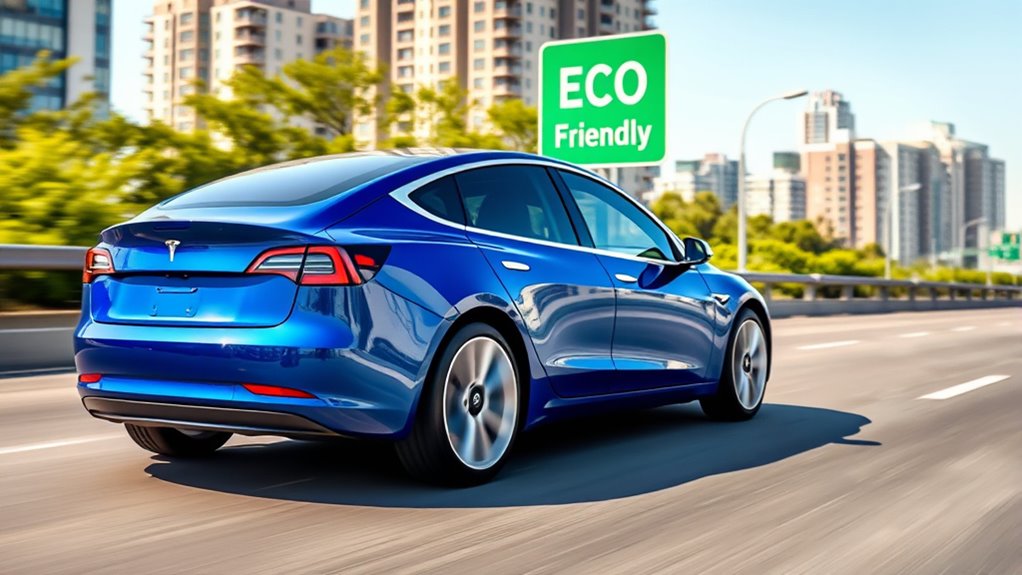
Yes, electric vehicles can often use HOV lanes if they meet specific state requirements and display the proper decals or permits.
Eligibility varies by region, with some states offering decals for EV owners that grant access and others requiring additional registration.
Using HOV lanes can speed up your commute, reduce emissions, and sometimes save on tolls.
To find out exactly how you can qualify and enjoy these benefits, keep exploring the details.
Key Takeaways
Many states allow electric vehicles to use HOV lanes with proper decals or permits.
Eligibility often requires EV registration and displaying specific decals or stickers for HOV access.
Regulations and enforcement policies vary by state, which can affect EV access to HOV lanes.
Some regions offer toll discounts or even free access for EVs using HOV lanes.
Proper application and compliance with state-specific rules are key to proving HOV lane access with EVs.
What Are HOV Lanes and Why Do They Matter for EV Drivers?
Have you ever wondered why some lanes on busy highways are reserved for certain vehicles? These are HOV lanes, designed to reduce traffic and encourage carpooling.
The HOV lane benefits both drivers and the environment by lowering overall vehicle emissions and easing traffic flow. For EV drivers, these lanes can be especially helpful, offering a faster, less congested route during busy times.
HOV lanes reduce emissions and traffic, offering EV drivers faster, less congested routes during busy times.
Since EV traffic often overlaps with HOV lanes, it naturally encourages more people to adopt electric vehicles. This helps cities meet their sustainability goals.
Using HOV lanes means shorter commute times and less frustration in heavy traffic. For EV owners, it’s a significant advantage that makes travel more efficient.
Ultimately, HOV lanes aren’t just about managing traffic—they’re a valuable benefit for electric vehicle drivers. They promote cleaner transportation and help save time on daily commutes.
Are Electric Vehicles Allowed in HOV Lanes?
You might be curious whether your electric vehicle can use the HOV lanes, and it really depends on where you live. Some states automatically let EVs with special decals ride in these lanes, making things a lot easier. But in other places, there are stricter rules you need to meet first.
State-Specific HOV Laws
Whether electric vehicles (EVs) are allowed in high-occupancy vehicle (HOV) lanes depends a lot on state-specific laws, which can vary quite a bit across the country. Some states let EVs use HOV lanes through specific vehicle classifications and eligibility rules, while others have restrictions.
Enforcement policies and local ordinances also play a role in whether EV owners can access HOV lanes. It’s really important to understand each state’s regulations since lane designations and guidelines for compliance differ.
For example, some states require decals or stickers for EVs to use HOV lanes, while others enforce stricter vehicle requirements. Staying informed helps you follow the rules and avoid penalties.
Here’s a quick overview of how different states handle these laws:
| State | Lane Designation & Vehicle Classification | Enforcement & Eligibility Criteria |
|---|---|---|
| California | Decals for EVs, designated lanes | Strict enforcement, decals required |
| Texas | No special EV provisions, general HOV rules | Moderate enforcement |
| Florida | Limited EV access, local ordinances vary | Varies by county |
| New York | Specific decals for EVs, designated lanes | Strict enforcement, decals needed |
| Illinois | No EV-specific rules, general HOV law | Regular enforcement |
Electric Vehicle Eligibility Criteria
Eligibility criteria decide if electric vehicles can access HOV lanes, and these rules differ from state to state. Usually, your EV needs to meet certain standards, like having a qualifying green sticker or decal. You also have to ensure your vehicle is properly registered and complies with your state’s emission or environmental impact rules.
Common criteria include displaying a valid decal or permit for electric vehicles. You also need to meet minimum occupancy requirements, which are often one or more passengers. Plus, your vehicle must be registered in a state that recognizes EV eligibility for HOV access.
Advancements in charging infrastructure make it easier to qualify, and the environmental benefits of EVs encourage states to promote their use in HOV lanes.
How Do You Qualify Your EV for HOV Lane Access?
Want to qualify your EV for HOV lane access? It’s pretty straightforward, but there are a few things you need to keep in mind. First off, your vehicle has to meet certain eligibility requirements set by your state. Usually, this means your car needs to be an electric vehicle or a plug-in hybrid that qualifies under local rules.
Once you’ve confirmed that, it’s important to make sure your vehicle is properly registered for HOV lane access. This often involves applying for special decals or stickers through your DMV or transportation department. After you get them, just make sure you display these credentials prominently on your vehicle, as proof that you’re allowed to use the HOV lanes.
Finally, always double-check your state’s specific rules and regulations. Following the guidelines carefully will help you avoid any fines or issues when you’re using the HOV lane with your EV.
Vehicle Eligibility Requirements
If you want your electric vehicle (EV) to qualify for HOV lane access, it must meet specific criteria set by the state or local authorities. These eligibility requirements make sure your EV complies with lane rules and can qualify for incentive programs.
Typically, you need to have a qualifying electric vehicle model that meets emission standards. You also need to get a special HOV lane decal or sticker issued by the relevant agency.
Finally, confirm that your vehicle is registered correctly and follows local regulations regarding EVs and lane use. Eligibility can vary by location, so it’s important to check your state’s specific rules.
Staying updated on lane regulations and available incentive programs helps you maintain your vehicle’s HOV access status.
Registering Your EV Properly
Registering your electric vehicle properly is an important step in qualifying for HOV lane access. To do this effectively, follow EV registration tips that ensure your vehicle meets all requirements.
Proper documentation, like proof of ownership and emissions compliance, is essential. Make sure your registration reflects your EV’s status, including plug-in capabilities and battery details.
Some states offer specific registration options for electric vehicles, so it’s a good idea to check local regulations. Keep these details consistent across all documents to avoid delays or disqualification.
| Step | Required Documentation | Key Tip |
|---|---|---|
| 1 | Vehicle title | Verify ownership details |
| 2 | Proof of EV status | Show EV-specific info |
| 3 | Emissions testing (if needed) | Guarantee compliance |
| 4 | Registration application | Complete accurately |
| 5 | Proof of residency | Confirm address details |
Displaying Necessary Credentials
Once your EV is properly registered, the next step is to make sure you display the right credentials for HOV lane access. This means verifying your credential and ensuring your documentation is visible and valid.
First, check that your HOV lane decal or sticker is current and properly attached to your vehicle. Keep your access documents, like registration and proof of EV status, easily accessible if you get inspected.
Finally, make sure your decal or permit is clearly visible from outside your vehicle, usually on the windshield or rear window. This helps you qualify for HOV lane privileges without any issues.
What Are the Requirements to Register Your EV for HOV Lane Use?
Are you wondering what it takes to qualify your electric vehicle (EV) for HOV lane access? To register your EV, you usually need to show proof that it’s a qualifying electric model, like registration documents and vehicle identification.
Registering your EV for HOV lanes requires proof of your vehicle’s electric status, like registration and vehicle identification.
Some regions might ask you to get a special decal or sticker, which you can apply after submitting your application. Making sure your EV is connected to the charging infrastructure may also be part of the process, as some areas prioritize vehicles supporting sustainable transportation.
The main goal is to promote the environmental benefits of EVs, so authorities want to verify your vehicle’s electric status. Check your local DMV or transportation agency’s guidelines because requirements can vary.
Once you’re registered, you’ll gain access to HOV lanes, helping you save time and reduce emissions. Just remember to keep your vehicle’s documentation up to date to maintain your HOV lane privileges.
What Are the Benefits of Using HOV Lanes With an Electric Vehicle?
Using HOV lanes with an electric vehicle offers big benefits, especially in heavy traffic. First, it makes your trip more efficient by cutting down travel time so you get there faster.
Second, you help the environment because electric cars don’t produce tailpipe emissions, making your commute greener.
Third, in many places, you can save money through toll discounts or even free access. These lanes promote eco-friendly driving, which helps reduce pollution and traffic jams.
By using HOV lanes with your EV, you not only enjoy quicker trips but also support sustainability efforts.
Are There Any Restrictions or Exceptions for EVs in HOV Lanes?
You should be aware that whether your electric vehicle (EV) can use HOV lanes depends a lot on the state you’re in. Some places have specific rules or policies that might affect your eligibility.
For example, there are areas that offer temporary exceptions or special permits for EVs, but these rules can be very different depending on where you are. So, it’s a good idea to check out your local regulations to see what restrictions or special allowances might apply to your EV.
State-Specific EV Policies
Many states have specific policies governing electric vehicle access to HOV lanes, often designed to encourage EV adoption while maintaining traffic flow. These policies can differ based on regional needs and conditions.
Some states offer incentive programs that allow EVs to use HOV lanes with minimal requirements, but the rules can vary from place to place. Others restrict access, permitting only certain EV models or requiring a decal or special permit.
In some regions, policies switch between being open and restricted depending on traffic conditions or the time of day. It’s important to check your state’s regulations because policies can change and regional differences impact eligibility.
Staying informed helps you make the most of your EV and HOV lane privileges without risking unexpected penalties.
Temporary Access Exceptions
While state policies usually allow EVs access to HOV lanes under certain conditions, there are often temporary exceptions or restrictions that can change this access.
Temporary restrictions might be in place during specific hours, special events, or road maintenance, depending on local rules.
For example, some areas restrict EVs in HOV lanes during peak times or when lane closures happen.
Exception rules vary by state and may include temporary permits for particular vehicles or situations.
It’s really important to stay updated on local signs and notices because these can impose temporary access limits.
Always check current policies before relying on HOV lane access, especially during construction or special events.
This helps you stay compliant and avoid penalties.
How to Apply for HOV Lane Access for Your Electric Vehicle
Applying for HOV lane access for your electric vehicle usually means submitting an application through your state or local transportation agency. This process helps you enjoy the perks of the HOV lane, like quicker commutes and less traffic stress.
To get started, first make sure your EV is registered with your state, as EV registration is often needed for HOV lane privileges.
Ensure your EV is registered with your state to qualify for HOV lane access.
Next, fill out the application form provided by your transportation agency, including details about your vehicle and proof of EV registration.
You might also need to provide extra documents, such as proof of identity or vehicle ownership, to confirm you’re eligible.
Once your application is approved, you’ll receive a decal, sticker, or electronic permit to display or use while driving.
Applying correctly makes the process smooth, ensuring you can take full advantage of the HOV lane benefits available to electric vehicle owners.
What Are the Costs and Fees to Use HOV Lanes With an EV?
Using your electric vehicle in HOV lanes usually comes with some costs or fees that can vary depending on where you are. In some places, there might be toll fees for using certain HOV lanes, especially if they’re part of express toll systems.
These tolls can range from just a few cents to several dollars, depending on traffic and the time of day. It’s a good idea to do a quick cost check before relying on HOV lanes regularly, as tolls can add up over time.
In some areas, EV owners might get discounts or even have tolls waived if they qualify for specific programs. But this isn’t the case everywhere, so it’s worth looking into.
Do Plug-in Hybrids Qualify for HOV Access Like Fully Electric Vehicles?
Do plug-in hybrids qualify for HOV lane access in the same way fully electric vehicles do? It depends on your state’s regulations. Some regions allow plug-in hybrids to use HOV access if they meet specific criteria. Here’s what you need to know:
- Clean Vehicle Standards: Many places require plug-in hybrids to meet certain emissions standards or have a minimum electric-only range.
- Vehicle Certification: You often need a special decal or sticker indicating your vehicle qualifies for HOV access.
- State-Specific Rules: Regulations vary by state. Some grant HOV access to plug-in hybrids, while others restrict it to fully electric vehicles only.
To find out if your plug-in hybrid qualifies, check your local DMV or transportation authority guidelines. While some areas allow HOV access for plug-in hybrids, others don’t. Always verify before relying on HOV lanes as a regular route.
Will More Regions Expand HOV Lane Access for Electric Vehicles in the Future?
As electric vehicle adoption keeps growing, many regions are thinking about expanding HOV lane access to encourage cleaner transportation options. Future policies are likely to favor EVs, especially as regional efforts focus on cutting down environmental impacts.
Legislative changes could make it easier for more electric vehicles to qualify for HOV lane access, and incentive programs are expected to boost their appeal. These policies aim to reduce traffic congestion and promote sustainable commuting choices.
Public perception of electric vehicles as eco-friendly is increasing, which encourages policymakers to extend HOV lane privileges to more EVs. Expanding access can give commuters faster travel times and less stress during busy hours.
As regions see successful examples elsewhere, more areas might adopt similar measures. This aligns HOV lane access with broader goals like reducing emissions and improving traffic flow.
Frequently Asked Questions
Are There Specific HOV Lane Signage Indicating EV Eligibility?
Yes, there are specific HOV lane signs that indicate EV eligibility. These signs often feature symbols like an electric vehicle icon or the letters “EV” to make things clear.
You should look for these signs to confirm that electric vehicles qualify for HOV lane access. Always pay attention to signage—it gives you the info you need to stay compliant with local traffic rules.
Can Non-Electric Vehicles Misuse Ev-Only HOV Lane Privileges?
Imagine a non-electric vehicle accidentally entering an EV-only HOV lane. HOV lane enforcement is strict, and violations are often caught through cameras or patrols.
While signs clearly designate EV lanes, some drivers might try to misuse these privileges. Authorities actively monitor EV lane designation and penalize non-electric vehicles that misuse the lane.
This helps ensure only eligible EVs benefit from these exclusive HOV lane privileges.
How Often Are HOV Lane Regulations for EVS Reviewed or Updated?
HOV lane policies are usually reviewed once a year or every two years to keep up with EV access trends and ensure fair usage.
As a driver, it’s a good idea to check with your local transportation authority regularly because regulations can change based on policy updates or how many EVs are on the road.
These reviews help keep the lanes working smoothly and support eco-friendly transportation.
Staying informed means you’re always compliant and making the most of your EV privileges.
Are There Penalties for Misusing HOV Lanes With an EV?
Yes, there are penalties for misusing HOV lanes with an EV. If you break HOV lane rules, enforcement officers can give you fines or citations, just like with regular vehicles. They regularly monitor these lanes to make sure everyone follows the rules.
Driving solo in an EV-only HOV lane when you’re not supposed to can lead to penalties. So always stick to the rules to avoid fines and ensure you’re using the lanes correctly.
Do Federal Incentives Influence HOV Lane Access Policies for EVS?
Federal policies and incentives can influence HOV lane access for electric vehicles by encouraging states to grant special privileges. These incentives often motivate more states to adopt rules that allow EVs to use HOV lanes, promoting cleaner transportation.
Your vehicle’s eligibility depends on current state policies shaped by these federal incentives. That’s why it’s important to stay informed about local regulations and how federal support might expand HOV lane access for EV owners.
Conclusion
You might think only fully electric vehicles qualify for HOV lane access, but many regions also include plug-in hybrids. While the rules vary, more areas are expanding eligibility to encourage EV adoption.
By understanding the specific requirements and benefits, you can confidently navigate the process. HOV lanes offer a faster, more efficient commute, making it a smart move for eco-conscious drivers.
Using electric vehicles in HOV lanes helps save time and reduce emissions. It’s a great way to make your commute greener and more convenient.