Why Is My Engine Loud When Accelerating? | Common Causes & Solutions
Are you tired of that loud engine roar every time you hit the gas? You’re not alone—many drivers struggle with engine noise that seems to get worse during acceleration. It can be annoying, and sometimes even concerning.
Luckily, there are common causes behind this issue that you can pinpoint and fix.
If your engine gets loud when accelerating, it could be due to issues like exhaust leaks, worn spark plugs, or vacuum leaks that disturb airflow and increase noise.
Problems with the exhaust system, such as rusted mufflers or loose parts, can also cause loud sounds.
Moreover, clogs in the air intake or mechanical issues like worn piston rings can intensify noise under load.
Continue exploring to find out how to pinpoint and fix these common causes.
Key Takeaways
- Engine strain during acceleration can increase vibrations and sound, especially if engine components or mounts are worn out.
- Exhaust leaks or damaged mufflers often cause loud, high-pitched noises when you hit the gas.
- Vacuum leaks or clogged air filters can mess with airflow, leading to rough engine performance and louder noises.
- Worn spark plugs or mechanical issues like piston ring wear can cause misfires and make the engine sound louder.
- Poor maintenance, like loose exhaust parts or dirty filters, can also make your engine louder during acceleration.
What Causes Your Engine to Get Loud When Accelerating?
When you accelerate, your engine naturally works harder, which can cause it to sound louder. This increase in noise is often related to your car’s engine design, where parts are pushed to perform at higher levels.
Modern engines are built with noise reduction features like sound-absorbing materials and balanced components to keep things quieter. But when you push the engine harder, these measures can get overwhelmed.
As the engine works harder, its internal parts move faster, creating more vibrations and sound waves. Also, increased airflow amplifies engine noise during acceleration.
If your engine isn’t well-maintained, issues like worn belts or loose parts can make the noise even louder when you accelerate. While some increase in sound is normal, a sudden or very loud noise might mean there’s a problem.
Regular maintenance and understanding how your engine is designed can help keep noise levels manageable when you hit the gas.
How Exhaust System Problems Make Your Engine Louder
Problems with your exhaust system can really make your engine louder because it’s responsible for directing and muffling exhaust gases. When you have leaks or muffler damage, the sound of escaping gases gets louder and harsher.
Exhaust leaks often happen at joints or gaskets, creating high-pitched noises, especially when you accelerate. Muffler damage lets sound escape more freely, which amps up engine noise overall.
| Cause | Effect |
|---|---|
| Exhaust leaks | Unusual hissing or loud roaring sounds |
| Muffler damage | Increased engine noise and drone |
| Rusted parts | Less effective muffling |
| Loose fittings | Vibrations and louder noise |
Fixing these problems quickly helps prevent more damage and keeps your engine quiet. Ignoring leaks or muffler issues only makes the noise worse and can lead to costly repairs later.
Can Vacuum Leaks Cause Engine Noise When You Accelerate?
Ever notice a loud engine noise that gets worse as you accelerate? That could be caused by a vacuum leak.
When your engine has a vacuum leak, unmetered air sneaks into the intake system, messing up the air-fuel mixture. This often makes the engine run rougher and can produce a hissing or whistling sound, especially during acceleration.
The leak can also make the engine noisier because it has to work harder to compensate for the extra air. To fix this, check hoses for cracks or loose fittings.
Sealing leaks with proper vacuum hose replacements or RTV sealant can help restore the right vacuum pressure. This reduces noise and boosts engine performance.
Finding and fixing vacuum leaks not only quiets your engine but also improves fuel efficiency and helps the engine last longer. If left unchecked, these leaks can cause bigger engine problems down the line.
Do Air Intake Problems Increase Engine Noise?
A faulty or clogged air intake can significantly increase engine noise. When your air intake isn’t working properly, it forces your engine to work harder, which makes it louder.
Here’s what might be happening:
- Restricted airflow: A clogged air filter limits the air coming in, causing the engine to strain and produce more noise.
- Air leaks: Cracks or loose connections in the air intake system can create hissing or whistling sounds that boost engine noise.
- Dirty or damaged components: A dirty intake manifold or damaged sensors can cause irregular air mixing, leading to increased noise.
- Improper installation: Loose or poorly fitted parts in the air intake can vibrate or rattle, amplifying engine sounds.
Fixing these issues by cleaning or replacing filters, sealing leaks, and making sure everything is properly installed can really cut down on engine noise and improve how your vehicle runs.
Are Faulty Spark Plugs Making Your Engine Louder?
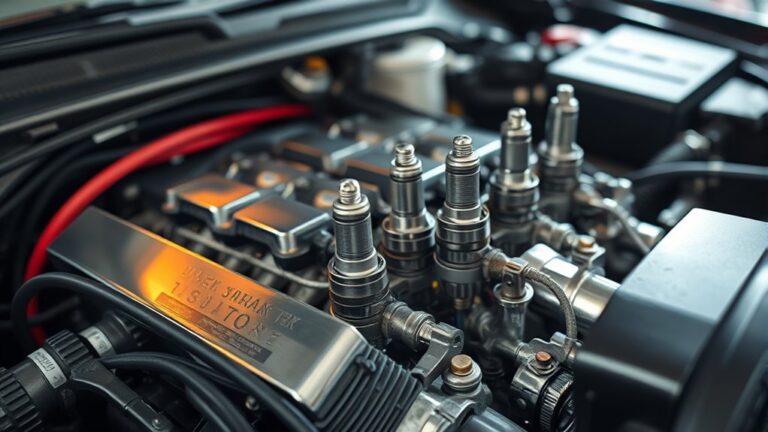
Worn-out spark plugs can actually make your engine sound louder than it should. If you notice signs like worn wear indicators on your spark plugs, it might be time to check them out. When spark plugs misfire, they can produce weird noises and vibrations—you’ll probably notice this more when you’re accelerating or just idling.
And it’s not just about noise. Faulty spark plugs can also mess with your engine’s performance, making your car run rougher and, yep, louder overall. So if your engine sounds a bit off or louder than usual, it could be a sign that your spark plugs need some attention.
Spark Plug Wear Indicators
Faulty spark plugs can significantly affect your engine’s noise, especially if their wear indicators don’t signal trouble. These indicators are meant to show when spark plugs need replacing, but if they malfunction or aren’t checked during maintenance, you might miss the signs.
Different spark plug types like platinum or iridium last longer, but all wear out eventually. When they do, they can cause misfires, rough idling, or a louder engine.
To avoid this, regularly inspect the wear indicators and replace spark plugs before they fail. Use the right spark plug types for your engine and follow your vehicle’s maintenance schedule.
Proper maintenance helps keep your engine quieter and running smoothly.
Misfire Causing Noise
When spark plugs start to fail, misfires can happen, and these often make your engine sound louder. Faulty plugs mess up the combustion process, leading to irregular engine vibrations that you can both feel and hear.
Poor fuel quality can make misfires worse, which in turn increases noise during acceleration. These misfires linked to spark plug issues can really impact how your engine sounds.
| Cause | Effect | Symptoms |
|---|---|---|
| Worn spark plugs | Irregular combustion | Engine vibrations, noise |
| Bad fuel quality | Incomplete burning | Rough idle, louder noise |
| Ignition issues | Misfire during acceleration | Engine jerking, louder sound |
| Faulty spark wires | Weak spark delivery | Engine vibrations, noise |
Misfires tend to make your engine louder, especially when you’re accelerating.
Impact on Engine Performance
Have you noticed that your engine sounds louder than usual? Faulty spark plugs can really hurt your engine’s performance. When spark plugs misfire, they mess up engine tuning, leading to incomplete combustion and more noise.
This can cause several problems, like reduced fuel efficiency, loss of power during acceleration, rough idling, or even stalling. You might also see increased emissions and more wear on your engine.
All these issues make your engine less responsive and louder. Fixing faulty spark plugs helps restore proper combustion, improves engine tuning, and boosts overall performance.
Ignoring these problems can cause more damage, making your engine louder and less reliable. Addressing spark plug issues quickly ensures smoother operation and keeps your vehicle efficient and powerful.
How Oil and Lubrication Issues Cause Engine Noise
If your engine sounds louder than usual, it might be because your oil levels are low or the oil isn’t of good quality. When the lubrication isn’t doing its job properly, the moving parts inside your engine start to rub against each other more than they should, which can make a lot of noise.
Oil Level and Quality
Ever wonder how oil quality and levels affect your engine’s noise? When oil is low or degraded, it hampers proper engine maintenance and causes increased noise during acceleration. Here’s what to watch for:
- Low oil level can lead to metal-on-metal contact, amplifying engine sounds.
- Old or dirty oil reduces lubrication, increasing friction and noise.
- Incorrect oil viscosity may cause inefficient lubrication, resulting in loud engine operation.
- Infrequent oil changes allow contaminants to build up, making the engine louder.
Maintaining proper oil levels and quality is key for noise reduction and smooth engine performance. Regular checks and timely oil changes are essential to keep your engine quiet and functioning effectively.
Lubrication System Efficiency
A well-functioning lubrication system is key to keeping your engine quiet and smooth. If the oil’s viscosity isn’t right or the additives are low, you might hear noise during acceleration.
Thin oil might not lubricate parts properly, causing metal-on-metal contact, while thick oil can increase resistance and reduce efficiency. Over time, worn-out additives lose their effectiveness, leading to more friction and noise.
Regularly check your oil’s viscosity and consider using high-quality oils with the right additives. This helps ensure proper flow and protection, keeping your engine running quietly and smoothly.
Could Exhaust Leaks or Blockages Be Making Your Engine Roar?
Could exhaust leaks or blockages be the reason behind that roaring engine? Yes, they can cause increased engine noise and change your vehicle’s sound profile. Exhaust resonance, which amplifies certain sound frequencies, becomes more noticeable with leaks or blockages. Here’s what might be happening:
- Exhaust leaks: Small cracks or holes in the exhaust system allow gases to escape prematurely, creating loud, sharp noises.
- Blocked muffler or catalytic converter: A clog can cause backpressure, intensifying engine noise and vibrations.
- Poor sound insulation around the exhaust: Worn or damaged insulation can make exhaust noise more prominent.
- Loose or damaged exhaust components: Rattling or vibrations can amplify engine sound when parts aren’t securely fitted.
Fixing leaks or blockages helps restore proper exhaust resonance and sound insulation, making your engine quieter. Regular inspections can catch these issues early, so your engine stays quieter and runs more smoothly.
What Mechanical Issues Make Your Engine Sound Worse Under Load?
When your engine starts sounding louder when you’re putting it under load, it could be a sign of some underlying mechanical issues. Things like exhaust system leaks, worn piston rings, or faulty turbocharger parts might be the culprits. These problems tend to get worse as you push the engine harder, which means more noise and vibration.
It’s a good idea to get these issues checked out sooner rather than later. Fixing them can help quiet down that noisy engine and make everything run more smoothly again. So, if your engine’s noise level ramps up when you’re accelerating or climbing hills, don’t ignore it—chances are, some maintenance or repairs are needed.
Exhaust System Leaks
Why does your engine get louder under load? Exhaust system leaks are a common culprit. When there’s a leak, exhaust gases escape before reaching the muffler, causing increased noise.
Under load, the engine works harder, and these leaks become more noticeable, intensifying engine sounds. To fix this, start by checking for visible cracks or holes in the exhaust pipes.
Listen for hissing or tapping sounds during acceleration. Also, inspect the exhaust manifold for loose or broken bolts. Replacing damaged gaskets or pipes can help reduce noise.
Fixing exhaust leaks not only quiets your engine but also improves performance and cuts down harmful emissions. Ignoring these leaks can lead to more damage and louder engine noise, especially when you accelerate under load.
Worn Piston Rings
Worn piston rings are a common mechanical issue that can cause your engine to sound louder under load. When these rings wear out, they can’t seal the combustion chamber properly, leading to increased engine wear and reduced compression.
This loss of compression makes the engine work harder, often resulting in louder noises during acceleration. You might also notice performance problems like misfires, increased oil consumption, or reduced power.
As piston rings become less effective, engine components experience more stress, which amplifies the noise when you accelerate. Addressing worn piston rings quickly is essential to restore performance and cut down on engine noise.
Ignoring this problem can lead to further damage and costly repairs, so early diagnosis is key.
Faulty Turbocharger Components
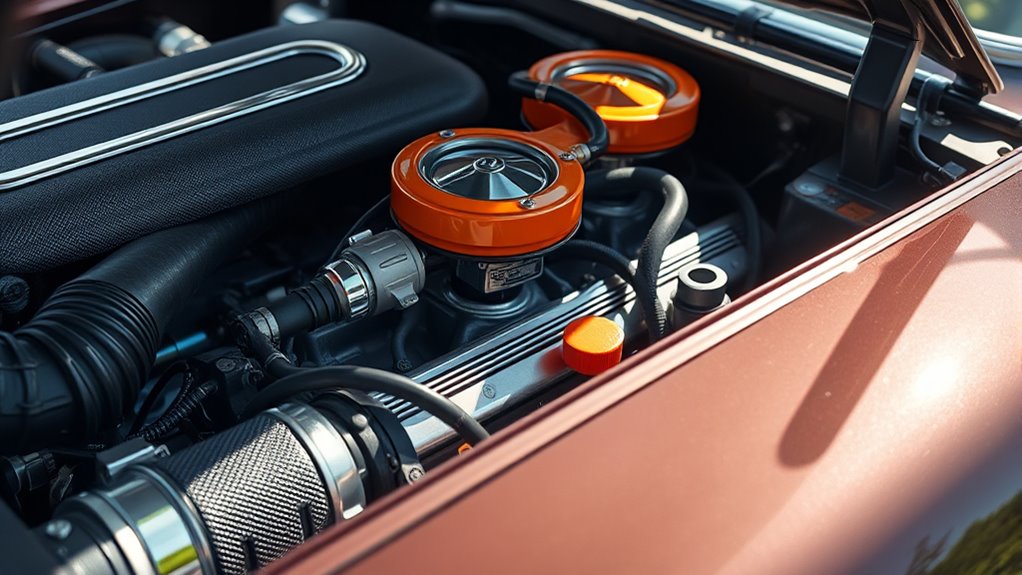
Faulty turbocharger components can really boost your engine’s noise, especially when under load. When turbo parts fail, you might notice louder turbo sounds, high-pitched whines, or rattles as you accelerate.
Common mechanical problems include worn or damaged turbine blades, which can cause imbalance and loud whines. Leaking seals lead to a loss of boost pressure, resulting in hissing sounds. A broken or loose wastegate causes inconsistent boost and rattling noises. Slipped or damaged turbo bearings often produce whining or grinding sounds.
Regular maintenance is key to preventing these issues. When parts fail, the increased noise isn’t just annoying — it can also put extra strain on your engine, making repairs more urgent. Fixing faulty turbo components helps keep your engine quieter and running at its best.
How to Troubleshoot Why Your Engine Is Louder When Accelerating
Have you noticed your engine getting noticeably louder when you accelerate? This increase in engine noise often points to underlying acceleration issues. To troubleshoot, start by listening carefully—does it sound like a whine, roar, or rattle?
Next, check your exhaust system for leaks or damage. A faulty exhaust can make engine sounds louder during acceleration. Then, inspect your air intake and filters; a clogged filter restricts airflow, making the engine work harder and louder.
Also, take a look at your spark plugs and ignition system. Misfires can cause rough acceleration and increased noise. If your engine is louder but runs smoothly, consider examining your muffler and catalytic converter for blockages or damage.
Regularly monitoring these components helps you find the source of the increased engine noise. That way, you can fix acceleration issues quickly and keep your engine running quietly.
Simple Tips to Reduce Engine Noise During Acceleration
If you want to keep your engine quieter during acceleration, there are simple steps you can take to reduce noise without expensive repairs. Proper engine maintenance is key to noise reduction. Here are four effective tips:
- Check and replace air filters regularly to ensure good airflow and lessen the strain on your engine.
- Inspect and tighten exhaust components to stop leaks that can make engine noise worse.
- Use high-quality motor oil to improve lubrication, which helps minimize noise when you accelerate.
- Maintain your spark plugs and ignition system for smoother engine operation and less noise.
Following these tips keeps your engine running quietly and efficiently. Regular maintenance not only reduces noise but also helps your vehicle last longer, saving you money over time.
Keep an ear out for unusual sounds, and don’t hesitate to see a mechanic if the noise keeps bothering you despite your efforts.
Frequently Asked Questions
Can Engine Noise Increase Due to Transmission Issues During Acceleration?
Yes, engine noise can increase during acceleration due to transmission issues like transmission slippage or poor gear engagement. When your transmission struggles to smoothly shift gears, it puts extra strain on the engine, causing increased noise.
You might hear loud whining or grinding sounds as the transmission struggles to engage properly. Addressing transmission problems promptly helps reduce engine noise and prevents further damage to your vehicle.
How Does a Malfunctioning Catalytic Converter Affect Engine Noise?
A malfunctioning catalytic converter acts like a clogged pipe in your exhaust system, causing your engine to scream louder than usual. It restricts airflow, making the exhaust gases build up and create a roaring noise when you accelerate.
This disruption not only amplifies engine sounds but can also lead to reduced performance and increased emissions. If your exhaust system sounds off, a faulty catalytic converter could be the culprit, demanding prompt attention.
Can Worn Engine Mounts Cause Increased Engine Noise When Accelerating?
Worn engine mounts can definitely cause increased engine noise when accelerating. As the mounts wear out, they can’t absorb vibrations as well, so the engine moves more and makes more noise.
You might notice rattling or clunking sounds, especially when you accelerate. This extra vibration can make the engine sound louder and rougher.
If you’re experiencing this, it’s likely time to get new engine mounts. Replacing them can help restore smooth operation and reduce the noise.
Do Turbochargers Contribute to Engine Loudness Under Acceleration?
Think of a turbocharger as a jet engine behind your car’s hood. Yes, turbochargers do contribute to engine loudness during acceleration. Their design channels air at high boost pressure, creating a louder, more aggressive sound.
As you press the accelerator, the turbo spins faster, amplifying noise. So, if you notice increased engine roar when accelerating, your turbocharger’s boost pressure and design are likely behind the louder engine noise.
Is Engine Noise During Acceleration Linked to Fuel System Problems?
Yes, engine noise during acceleration can be linked to fuel system problems. When fuel injectors aren’t working properly, they might deliver uneven fuel, making the engine work harder and produce more noise.
Issues with the air intake system, like a clogged filter or leaks, can also disrupt airflow. This can lead to louder engine sounds, especially during acceleration.
Fixing these problems by cleaning or replacing fuel injectors and checking the air intake can help reduce noise and make your engine run smoother.
Conclusion
If your engine gets loud when accelerating, think of it like a symphony with some instruments out of tune.
By checking your exhaust system, vacuum leaks, air intake, spark plugs, and mechanical parts, you can spot and fix the problem.
Regular maintenance is key to keeping your engine running smoothly and quietly.
Don’t ignore the noise. Addressing it early can prevent bigger problems down the road and keep your ride humming like a well-oiled machine.