Top 7 Oil Filters Every Toyota Owner Must Have
Many Toyota owners know the frustration of dealing with engine issues caused by poor oil filtration. You’re not alone—keeping your engine running smoothly can sometimes feel like a challenge.
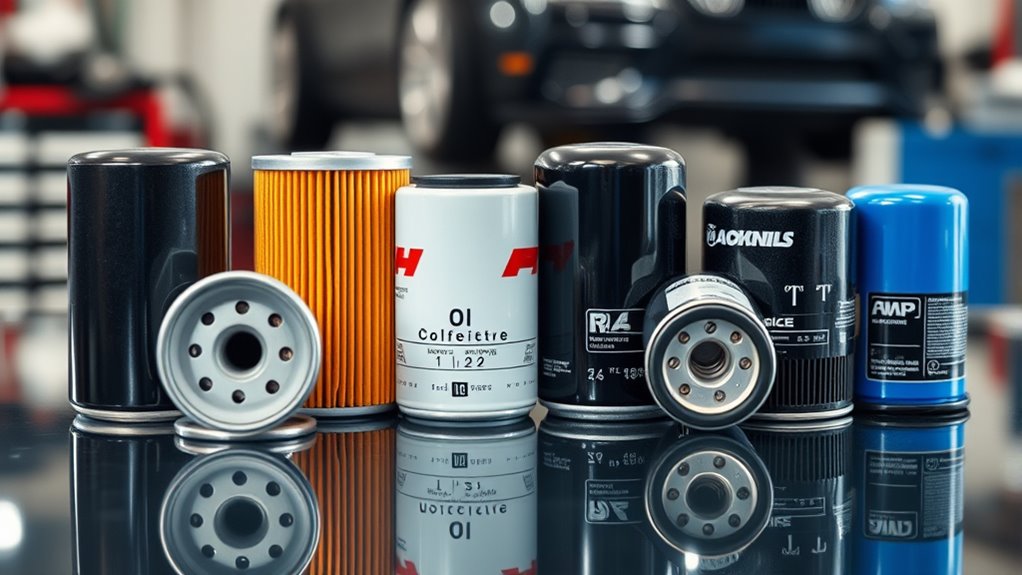
Choosing the right oil filters is essential for your Toyota’s engine health and performance. You should consider high-quality options like Bosch 3330, Motorcraft FL-910S, K&N PS-7002, and OEM Toyota 04152-YZZA6, which offer reliable filtration and durability.
Proper installation and regular maintenance can prevent leaks and engine damage.
Want to find out how to select, install, and care for these filters? Keep exploring to guarantee your Toyota runs smoothly for years to come.
Key Takeaways
- Choose filters that meet Toyota OEM specs for a perfect fit and reliable performance.
- Go for high-quality filters with efficient filtering media and dependable bypass valves.
- Recommended models include Bosch 3330, Motorcraft FL-910S, K&N PS-7002, and OEM 04152-YZZA6.
- Follow proper installation steps, like tightening to the right torque, removing old gaskets, and applying oil to the gasket.
- Remember to replace your filter regularly at the suggested intervals to keep your engine running smoothly and last longer.
Why Choosing the Right Oil Filter Matters for Your Toyota
Choosing the right oil filter is essential because it directly impacts your Toyota’s engine performance and longevity. Different filter types, such as full-flow and bypass filters, serve specific roles in protecting your engine.
Full-flow filters are designed to filter all the oil circulating through your engine, ensuring contaminants don’t cause damage. Bypass filters, on the other hand, handle a smaller amount of oil and trap finer particles, providing extra protection.
Full-flow filters protect your engine by filtering all circulating oil, while bypass filters trap finer particles for added protection.
Selecting the correct filter type guarantees that your engine receives clean oil, which improves performance and prevents wear over time. Using an incompatible or low-quality filter can reduce oil flow, leading to increased engine stress or damage.
When you choose the right oil filter, you’re not just maintaining your vehicle; you’re enhancing its efficiency and lifespan. Proper filter selection helps your Toyota run smoothly, retain power, and avoid costly repairs down the line.
What to Look for in a Toyota Oil Filter
Ever wondered what features make a Toyota oil filter truly effective? The key is understanding oil filter types and how well they perform.
A good filter should trap contaminants efficiently without blocking oil flow. Look for filters with high-quality filtering media to improve debris capture and help extend engine life.
Durability matters too. Choose filters made with sturdy construction to handle engine vibrations and pressure. Compatibility is essential—make sure the filter matches your Toyota’s specifications.
| Feature | What to Look For |
|---|---|
| Filter media | High-quality, synthetic or cellulose blend |
| Bypass valve | Reliable to prevent oil starvation |
| Anti-drainback valve | Keeps oil in the filter when the engine is off |
| Construction | Durable, corrosion-resistant materials |
OEM vs. Aftermarket: Which Oil Filter Is Best for Your Toyota?
When you’re trying to decide between OEM and aftermarket oil filters, it’s all about weighing a few key things like quality, durability, cost, and how easy it is to get one. OEM filters, which are made by the vehicle manufacturer, usually meet strict standards and fit perfectly, but they can be a bit more expensive. On the other hand, aftermarket filters might save you some money, but their reliability can vary from brand to brand.
In the end, it really comes down to what’s most important for your Toyota. Do you prioritize sticking with the original parts for peace of mind, or are you comfortable trying a different brand to save some cash? Just think about how each option balances those factors, and you’ll find the best choice for your car’s needs.
Quality and Durability
Deciding between OEM and aftermarket oil filters depends on their quality and durability, which directly affect your Toyota’s engine health. High-quality filters effectively trap contaminants and keep oil flowing smoothly.
Durability comes from better materials and construction, leading to a longer lifespan and fewer replacements. OEM filters, made specifically for your vehicle, often provide consistent quality and reliable longevity.
Aftermarket filters can match or even beat OEM standards if you pick reputable brands. But lower-quality options may not last as long or perform as well.
In the end, your choice depends on what you value most—proven reliability or finding brands that offer lasting performance for your Toyota.
Cost and Availability
Cost and availability are key factors to consider when choosing between OEM and aftermarket oil filters for your Toyota. OEM filters tend to be more expensive because they guarantee brand quality and a perfect fit. You’ll usually find them at Toyota dealerships or authorized suppliers, which helps ensure you get an authentic product.
On the other hand, aftermarket filters usually cost less and are widely available online or at auto parts stores. This gives you more options and can help you stick to your budget. But keep in mind, availability can vary, and some aftermarket brands may not meet the same quality standards.
Ultimately, your choice depends on balancing cost savings with reliability. If you want a precise fit and original quality, OEM is the safer choice. If affordability is your main concern, aftermarket options offer plenty of availability.
Top Toyota Oil Filters Recommended for Your Model
Choosing the right oil filter for your Toyota is essential to keep your engine running smoothly and efficiently. The best filters are designed to fit your specific Toyota model and ensure optimal compatibility.
Whether you drive a Corolla, Camry, RAV4, or Prius, picking the proper filter helps maintain your engine’s health and performance. It’s all about matching the filter to your vehicle for the best results.
Here’s a quick guide to some top recommended filters for different Toyota models:
| Toyota Model | Recommended Oil Filter |
|---|---|
| Corolla | Bosch 3330 Premium FILTECH |
| Camry | Motorcraft FL-910S |
| RAV4 | K&N PS-7002 Performance Oil Filter |
| Prius | Toyota OEM 04152-YZZA6 |
Always double-check compatibility before you buy. Using the right filter made for your Toyota helps ensure durability and peak engine performance.
Step-by-Step Guide to Installing Your Toyota Oil Filter
Installing a new oil filter on your Toyota is pretty simple and helps keep your engine running smoothly. First, pick the right oil filter for your vehicle, whether it’s a spin-on or cartridge style.
Gather your tools, like a filter wrench, gloves, and a drain pan, so you’re ready to go. Start by draining the old oil and carefully remove the old filter.
Before installing the new filter, put a light coat of oil on the rubber gasket. This helps create a good seal and makes it easier to install.
Use your tools to tighten the new filter by hand, then give it a slight turn with the wrench, usually about a quarter turn more. Make sure it’s snug but not over-tightened to avoid damage.
Refill the engine with fresh oil, and check around the filter for leaks. Finally, start your engine and double-check everything to make sure all is secure.
Maintenance Tips to Keep Your Oil Filter in Top Shape
Once you’ve installed a new oil filter, maintaining it properly helps guarantee it functions effectively for the long haul. Regularly inspecting and applying proper cleaning techniques can extend your filter’s lifespan.
Start by checking for any debris or buildup around the filter area, and wipe it clean with a damp cloth. Avoid using harsh chemicals that could damage the filter or compromise its performance.
If your filter is reusable, follow the manufacturer’s instructions for cleaning, making sure you remove all trapped dirt and grime. Keep an eye on signs of clogging, such as reduced engine performance or strange noises.
Replacing the oil filter at recommended intervals is essential, but practicing these maintenance tips will keep it in top shape between changes. Proper care not only prolongs your filter’s lifespan but also keeps your engine clean and running smoothly, saving you time and money in the long run.
Common Oil Filter Replacement Mistakes and How to Avoid Them
Even experienced DIYers can make common mistakes when replacing their oil filter, which can lead to engine issues or costly repairs. One of the most frequent errors is improper filter installation. If you don’t tighten the filter enough, it can leak oil and cause insufficient lubrication.
Over-tightening, on the other hand, can damage the filter or gasket, leading to leaks or making future removal difficult. Always check that the old gasket is removed and apply a light coating of oil to the new gasket before installing it.
Another common mistake is not inspecting the sealing surface for debris or dirt, which can compromise the seal. To avoid these issues, carefully follow the manufacturer’s instructions for installation, double-check the gasket and filter placement, and tighten to the recommended torque.
Inspect the sealing surface for debris and follow torque instructions to ensure a proper, leak-free oil filter installation.
Staying attentive during this process helps prevent leaks and keeps your engine well-lubricated.
Frequently Asked Questions
How Often Should I Replace My Toyota Oil Filter?
You should replace your Toyota oil filter with each oil change, usually every 5,000 to 10,000 miles. The exact interval depends on your driving habits and the type of oil you use.
Regular oil changes help keep your engine clean, and changing the filter is a key part of that. Following these tips helps prevent dirt and debris buildup.
Always check your owner’s manual for specific recommendations. Sticking to this routine keeps your engine running smoothly and can help extend its lifespan.
Can I Use a Universal Oil Filter on My Toyota?
Using a universal oil filter on your Toyota is like playing with fire—you risk damage if it’s not compatible. While universal filters offer broad compatibility, they often lack the precise fit and filter efficiency designed for your vehicle.
For peak performance and engine protection, stick with filters specifically made for Toyota. This guarantees your engine stays clean, efficient, and runs smoothly without risking costly repairs down the line.
What Are Signs My Oil Filter Needs Changing Sooner?
You’ll know your oil filter needs changing sooner if your engine oil becomes dirty or gritty, or if you notice a drop in engine performance.
Poor oil filter lifespan can lead to reduced engine oil cleanliness, which causes more wear and tear on your engine.
If your dashboard oil warning light turns on or you hear unusual engine noises, it’s time to replace the filter promptly to keep your engine healthy.
Are High-Mileage Oil Filters Better for Toyota Engines?
Did you know high-mileage oil filters can extend engine life by up to 20%? For your Toyota, high-mileage filters offer better seal integrity and include conditioners that help reduce leaks.
These filters are designed for engines with over 75,000 miles, making sure your vehicle runs at its best. Using a high-mileage filter can give you peace of mind and help keep your engine running smoothly longer.
How Does Oil Filter Quality Affect Engine Performance?
Oil filter quality directly impacts your engine’s performance by ensuring optimal filter efficiency and durable materials. High-quality filters effectively trap dirt and debris, preventing engine wear and helping everything run smoothly.
When you choose filters made with better materials, they last longer and perform better under pressure. This keeps your engine cleaner, running more efficiently, and reduces the chance of costly repairs.
Ultimately, a good oil filter helps your Toyota stay in top shape, so you get the best performance and longevity from your engine.
Conclusion
Choosing the right oil filter isn’t just a routine task. It’s a quiet act of care that keeps your Toyota running smoothly and reliably.
When you pay attention to quality and proper installation, you’re subtly ensuring your vehicle’s health for miles to come. Think of it as giving your car a gentle, ongoing hug, reinforcing its strength and longevity.
After all, a well-tended engine whispers promises of many happy journeys ahead. Using the best oil filter for your Toyota is key to keeping it performing its best over time.